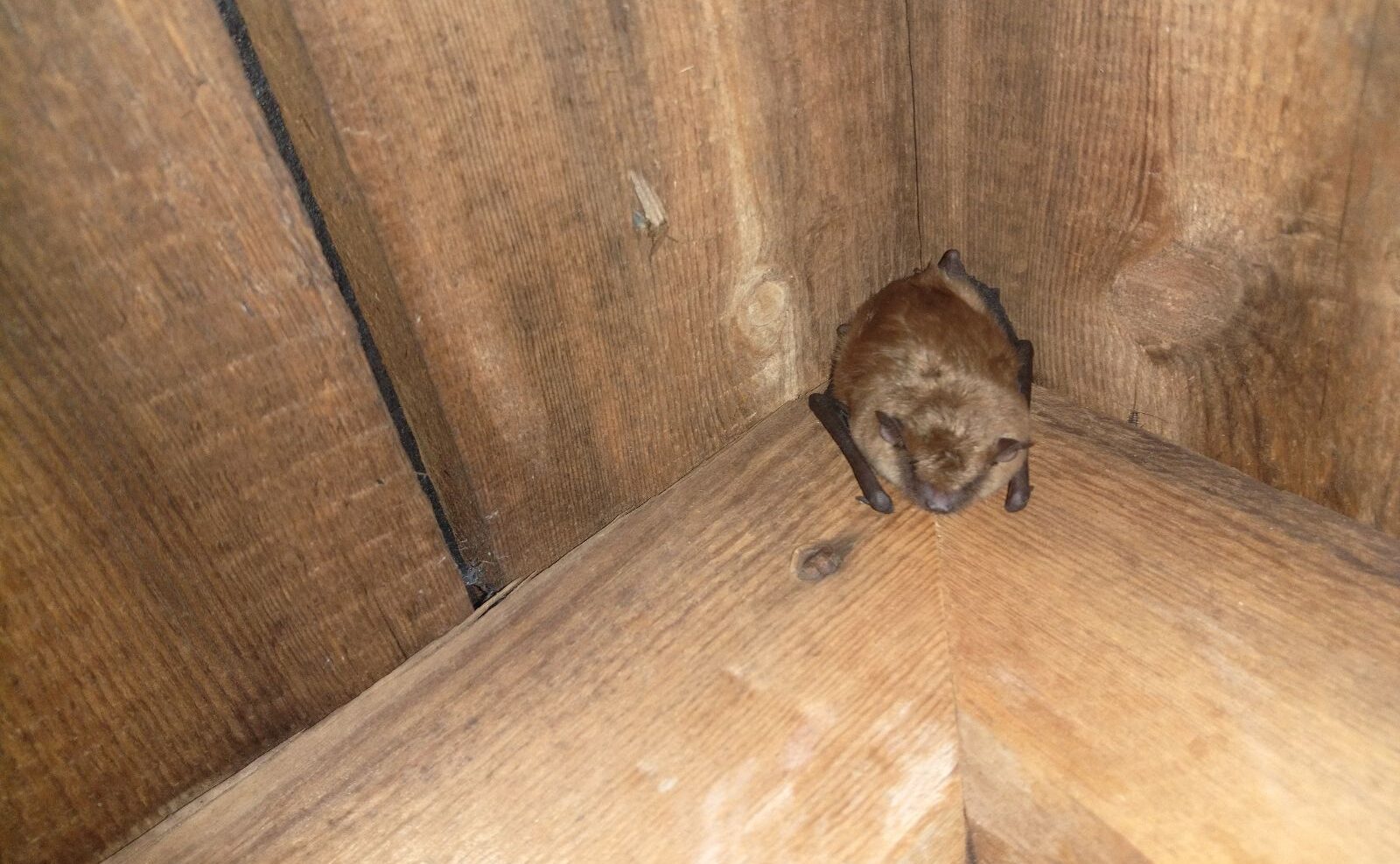
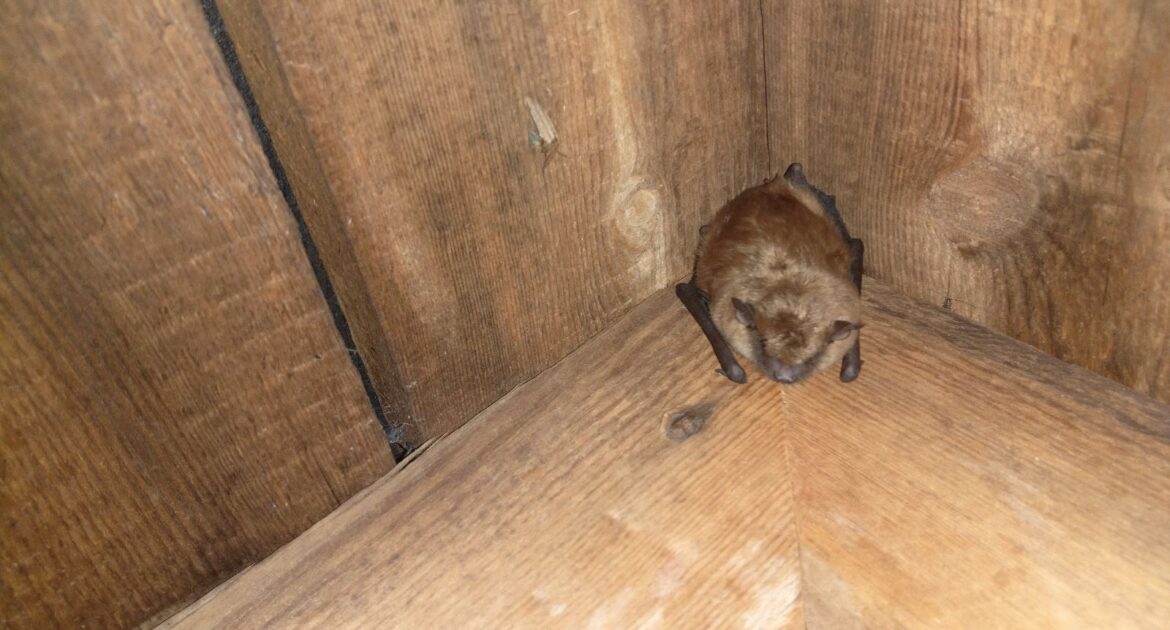
Bats are one of the most misunderstood animals in Minneapolis, yet they play a vital role in our ecosystem. Homeowners often wonder when bats come out of hibernation and how this affects their homes. Understanding bat behavior in early spring helps people coexist safely while protecting both their property and local wildlife.
Minnesota is home to several bat species, with little brown bats being the most common. These bats spend the cold winter months hibernating in attics, caves, and hollow trees. As the weather warms, they emerge, seeking food and water to regain energy. At Skedaddle, we help homeowners understand when bats come out of hibernation and provide guidance on safe, humane ways to manage their environment.
Bat Hibernation Explained
Bat hibernation is a fascinating adaptation that allows these animals to survive the harsh Minnesota winters. During the bat hibernation season, bats enter a state of torpor, slowing their metabolism and lowering their body temperature to conserve energy when insects are scarce.
Some important points about bat hibernation include:
- Duration: Bats typically hibernate for 5–6 months, depending on species and weather conditions.
- Location: Common hibernation sites in Minneapolis include attics, old buildings, and natural spaces like hollow trees.
- Energy conservation: A single bat can lower its body temperature to near freezing to survive without food.
Understanding these patterns is critical for homeowners, as it informs the best time to safely monitor bat activity without disturbing the animals.
When Do Bats Come Out Of Hibernation?
The big question for many homeowners is, of course, when do bats come out of hibernation. In Minneapolis, most bats emerge between late March and early May. Several factors influence their emergence:
- Temperature: Bats often wait until nighttime temperatures consistently rise above 50°F.
- Food availability: Emergence coincides with the appearance of insects, their primary food source.
- Daylight: Longer days in spring encourage activity and help bats adjust their internal clocks.
Studies show that in Minnesota, bat activity in spring tends to spike around mid-April, signaling the start of the active season. Knowing this timing helps homeowners anticipate when bats may be visible near homes or structures.
Early Spring Bat Behavior
Once bats emerge from hibernation, they immediately focus on survival. Their first priorities are finding food, water, and safe roosts for the warmer months. Early spring bat activity includes:
- Feeding on insects: Bats consume hundreds of mosquitoes and other insects each night, which benefits local communities.
- Rehydration: After months without water, bats seek out ponds, birdbaths, or streams.
- Roosting: Bats begin scouting summer roosts in trees, attics, or other sheltered areas.
Homeowners may notice bats flying at dusk or near lights where insects gather. Observing from a safe distance is key, as bats are non-aggressive and avoid human contact whenever possible.
Common Misconceptions About Bats
Bats are often unfairly feared, which can lead to unnecessary stress for homeowners. Clearing up misconceptions is important for safe coexistence:
- Myth: Bats are aggressive. In reality, bats avoid humans and only bite if handled.
- Myth: All bats carry rabies. While rabies is possible, less than 1% of bats carry the virus.
- Myth: Bats are dirty. Bats are actually very clean and groom themselves regularly.
- Myth: Bats are useless. Bats provide natural insect control, reducing the need for chemical sprays.
By understanding bat hibernation season and early spring behavior, homeowners can reduce fear and focus on humane management strategies.

Health and Safety Considerations
Even though bats are not aggressive, homeowners should take precautions during bat activity spring. Potential concerns include:
- Rabies risk: While low, rabies can be transmitted through bites. Avoid handling bats.
- Guano accumulation: Bat droppings can build up in attics or under roosts, creating odor and potential fungal growth.
- Allergic reactions: Some people may react to bat droppings or dust in attics.
At Skedaddle, we provide professional guidance on monitoring bat activity and maintaining a safe home environment. We help homeowners understand what’s normal and when to take action without harming the animals.
Humane Prevention Tips
Preventing bats from entering living spaces is a key aspect of safe coexistence. While DIY removal is not recommended, there are effective, humane strategies homeowners can implement with guidance:
- Seal entry points: Close gaps around vents, chimneys, and rooflines.
- Maintain outdoor spaces: Trim trees near the house and clear debris that may attract bats.
- Monitor bat activity: Observe from a distance to ensure bats are not nesting indoors.
- Professional consultation: We can assess your property and recommend non-invasive methods to reduce unwanted encounters.
These prevention strategies align with natural bat behavior and protect both homeowners and wildlife. Studies show that homes with professionally managed prevention methods see up to 70% fewer unwanted bat visits.
Coexisting Safely With Bats
Bats are an important part of the Minneapolis ecosystem, controlling insects and contributing to biodiversity. Safe coexistence is possible when homeowners:
- Understand when bats come out of hibernation and their seasonal patterns.
- Recognize bat activity in spring without disturbing their routines.
- Implement professional, humane guidance for home safety.
By respecting bats’ natural cycles, homeowners can enjoy the benefits of these animals while avoiding unwanted encounters inside the home.
Living Safely and Humanely With Bats
Understanding bat hibernation and emergence is essential for Minneapolis homeowners. By learning when bats come out of hibernation, observing early spring activity, and using humane prevention strategies, it’s possible to coexist safely.
At Skedaddle Humane Wildlife Control, we specialize in providing guidance that keeps homes safe while protecting wildlife. Our approach is fully humane, focusing on education, observation, and prevention rather than removal. Contact us today to learn how to manage bat activity spring safely and ensure a comfortable environment for both your family and local bats.

 Loading...







