





RAT REMOVAL PROCESS

Assess and Remove
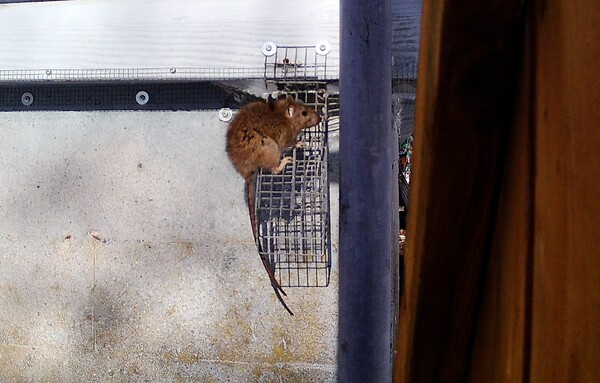
Our Bowmanville rat removal process begins with a detailed 35-point inspection, using tools like thermal imaging to locate activity, nesting areas, and hidden entry points. When appropriate, one-way doors help guide rats out safely as part of a humane, customized removal plan.

Clear and Clean
Once rats are removed, Skedaddle clears contaminated nesting materials, droppings, and debris from affected areas. Our decontamination process helps reduce odours, health risks, and pheromone trails that can attract more rats, creating a safer environment for your family, employees, or customers.

Prevent and Protect
To help stop rats from returning, we rat-proof vulnerable areas using durable exclusion materials such as galvanized steel screening. Our technicians seal gaps, reinforce weak spots, and protect common access points with long-term prevention solutions designed for homes and businesses.
A rat problem can feel unsettling fast, especially when you hear movement in the walls, find droppings in the garage, or notice damage around food storage areas. Skedaddle Humane Wildlife Control provides professional rat removal in Bowmanville using effective methods that protect your home, business, and peace of mind.
For over 30 years, Skedaddle has helped property owners solve rat infestations with safe removal, thorough cleanup, and long-term prevention. Our team proudly serves Bowmanville and nearby communities including Courtice, Newcastle, Orono, and Hampton, with services backed by our lifetime guarantee.
The local area’s combination of mature neighbourhoods, expanding residential areas, busy commercial spaces, and nearby natural corridors can make rat activity more common than many property owners expect. Areas close to Bowmanville Creek, Soper Creek, Darlington Provincial Park, and the Lake Ontario shoreline provide shelter, food sources, and travel routes that allow rats to move easily between outdoor spaces and buildings. When the weather changes or garbage, pet food, compost, or structural gaps become accessible, rats may enter basements, garages, sheds, restaurants, warehouses, and wall voids. Acting quickly helps prevent contamination, property damage, and a larger infestation.
Rat Removal and Control in Bowmanville
Skedaddle provides rat removal and control by inspecting homes and businesses for signs of activity, identifying entry points, removing rats humanely, and preventing future infestations. Our technicians look for droppings, gnaw marks, nesting areas, grease trails, and access points around foundations, vents, garages, and utility lines. After removal, we clean and decontaminate affected areas and seal vulnerable openings with durable exclusion materials to help keep rats out long-term.

What Property Owners Should Know About Rats Year-Round
Fall: Rats Move Into Homes and Buildings Around Bowmanville
Fall is when rats around Bowmanville start leaving outdoor nesting sites and looking for warm, protected shelter. As the harvest ends and natural food gets harder to find, they move into homes, garages, sheds, restaurants and warehouses through gaps at the foundation, around doors and along utility lines. Properties near Bowmanville Creek, Soper Creek and the Lake Ontario shoreline, as well as homes in Courtice, Newcastle and Orono, often see entry attempts increase. Homeowners may notice droppings, gnaw marks or scratching in walls at night.
Rats that get inside in the fall can nest in wall voids, basements and attic insulation, contaminate stored food and chew wiring through the winter. Woodpiles, bird feeders and unsealed garbage near the house can draw them closer. Skedaddle’s humane rat control in Bowmanville focuses on finding every entry point, removing rats, cleaning contaminated areas and sealing the building so the problem doesn’t return when the weather turns cold.

Winter: Indoor Shelter Becomes the Priority
In winter, rats are driven by survival. Cold temperatures, frozen ground, and limited outdoor food push them toward heated buildings, basements, wall voids, attics, garages, and commercial kitchens. Once inside, rats can remain hidden while chewing wiring, contaminating insulation, damaging stored items, and leaving droppings along travel routes. Homeowners may hear scratching at night or notice signs near pantry areas, laundry rooms, furnace rooms, or attached garages. Businesses may see activity around waste rooms, loading areas, or storage spaces. Winter rat control focuses on locating hidden entry points, removing the infestation, and preventing rats from re-entering.
Spring: Breeding Season Begins Around Homes and Businesses
As temperatures rise, rats become more active after spending the colder months close to reliable shelter and food. Spring is a key breeding season, and even a small rat issue can grow quickly if entry points, nesting materials, and food sources are available. Properties near Bowmanville Creek, Soper Creek, older residential streets, restaurants, and commercial storage areas may see increased activity around sheds, garages, basements, garbage bins, and crawl spaces. Rats are looking for safe nesting sites where they can raise young, which makes spring an important time to address droppings, scratching sounds, gnaw marks, or burrows before the population expands.
Summer: Food, Water, and Fast-Growing Rat Populations
Summer is one of the most active seasons for rats because warm weather supports breeding, movement, and easy access to food. Backyard barbecues, compost bins, pet food, bird seed, restaurant waste, gardens, and overflowing garbage containers can all attract rats to residential and commercial properties. In neighbourhoods near the Lake Ontario shoreline, Darlington Provincial Park, Bowmanville Creek, and busy downtown areas, rats may travel along fences, foundations, retaining walls, laneways, and overgrown vegetation while searching for food and water.
During hot, dry periods, rats may move closer to homes and businesses where moisture is easier to find around hose connections, drains, garden beds, and shaded foundations. Once they discover a reliable food source, they often nest nearby in burrows, wall voids, garages, sheds, crawl spaces, or cluttered storage areas. Because rats reproduce quickly, summer sightings should never be ignored. Skedaddle’s rat removal and control services focus on identifying activity, removing rats humanely, cleaning contaminated areas, and sealing entry points to help prevent the infestation from spreading.
How Bowmanville’s Landscape Creates Rat Activity
Rat problems are often tied to the community’s unique mix of waterfront access, creek corridors, farmland, older homes, new subdivisions, and active commercial areas. With Lake Ontario to the south, Bowmanville Creek and Soper Creek moving through natural green spaces, and agricultural land surrounding parts of Clarington, rats have plenty of places to travel, hide, and forage. Like all wildlife, rats are driven by three essentials: food, water, and shelter. Garbage storage, compost bins, birdseed, restaurant waste, pet food, garden produce, drainage areas, sheds, garages, and foundation gaps can all turn a property into a dependable habitat. Once rats find safe cover near a steady food source, they can settle in quickly and become difficult to remove without professional rat control.
Rats may stay on or near properties because of:
- Structural vulnerabilities: Small gaps around foundations, vents, utility lines, garage doors, and aging exterior materials can give rats easy access indoors.
- Thermal protection: Basements, crawl spaces, wall voids, garages, sheds, and commercial storage areas provide warmth and shelter during colder weather.
- Reliable food sources: Garbage bins, compost, pet food, bird seed, gardens, restaurants, and food storage areas can support ongoing rat activity.
- Water access: Creek corridors, drainage areas, downspouts, leaky outdoor taps, and landscaped yards can provide the moisture rats need to survive.
- Safe nesting zones: Dense vegetation, wood piles, cluttered sheds, retaining walls, decks, and hidden indoor spaces offer protection from predators and people.
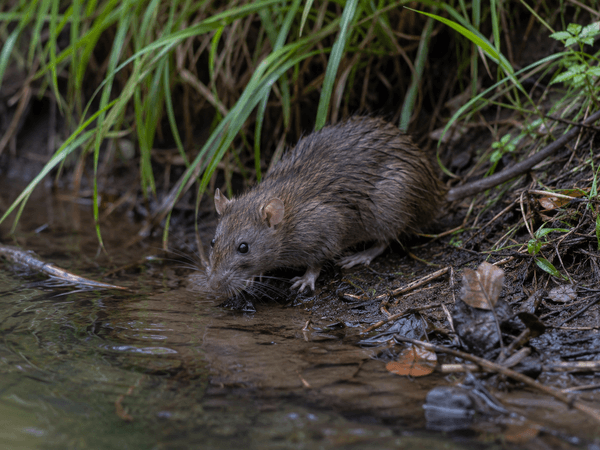
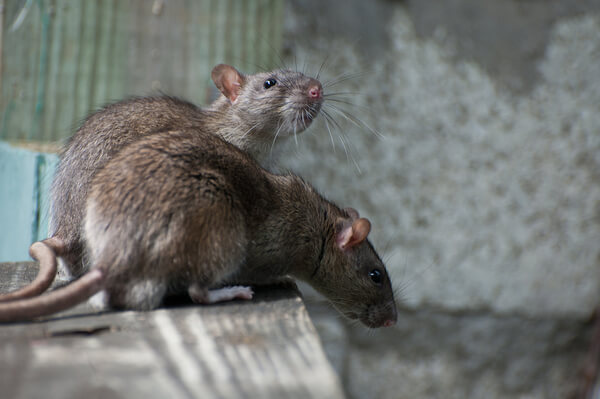
Early signs of rats can be easy to miss. Watch for dark smudge marks along walls or baseboards, small burrows near foundations or sheds, droppings, gnaw marks, scratching sounds at night, damaged insulation, or worn pathways through grass and vegetation. The sooner these signs are addressed, the easier it is to prevent a larger infestation.

Rat Warning Signs Property Owners Shouldn’t Ignore
Identifying rat activity early is the best way to reduce property damage, contamination, and the risk of a larger infestation.
- Droppings in hidden areas: Rat droppings are often found along baseboards, inside cabinets, near garbage storage, in garages, basements, sheds, or behind appliances.
- Gnaw marks and damaged materials: Rats constantly chew to control tooth growth, leaving marks on wood, plastic, wiring, insulation, food packaging, and exterior entry points.
- Scratching or scurrying sounds: Noises at night inside walls, ceilings, crawl spaces, or garages may indicate rats moving between nesting and feeding areas.
- Grease marks and worn pathways: Rats follow repeated travel routes, leaving dark smudge marks along walls, pipes, foundation edges, fences, and tight corners.
- Burrows around the property: Small tunnel openings near sheds, decks, gardens, retaining walls, compost areas, or foundations can indicate active outdoor nesting.
Seeing one sign of rat activity often means more rats are nearby. Because rats live and travel in groups, a single dropping, sound, burrow, or gnaw mark may point to a larger colony hidden inside or around the property. A professional rat assessment can identify the extent of the problem, locate entry points, and help prevent the infestation from spreading.
Skedaddle’s Humane Rat Removal Process
Skedaddle’s wildlife removal process is designed to solve rat problems safely, humanely, and completely. With over 30 years of proven results, our team focuses on removing the immediate infestation, cleaning contaminated areas, and protecting homes and businesses against future activity.
Step 1: Inspect & Remove
We begin with a detailed 35-point inspection, using tools such as thermal imaging to locate activity, nesting areas, and entry points. Most wildlife removals can be completed in one day. Every property receives a customized solution and written quote before work begins.
Step 2: Clear & Clean
After removal, we clear contaminated materials and decontaminate affected spaces to reduce health risks, odours, and attractants. This process also helps remove pheromone trails that can draw more rats back to the same routes, improving safety for families, employees, and customers.
Step 3: Prevent & Protect
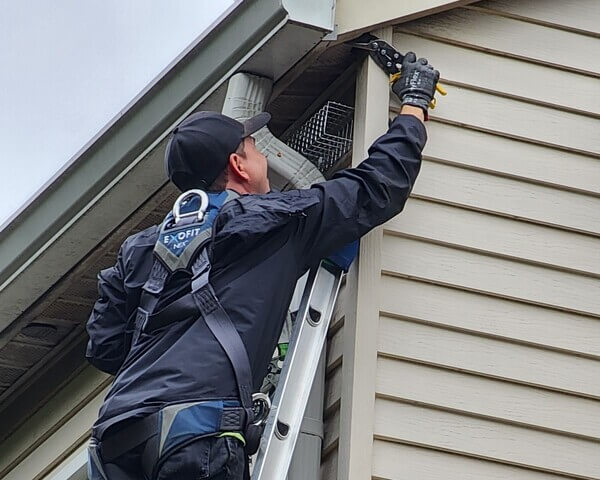
To stop rats from returning, we wildlife-proof vulnerable areas using durable exclusion materials such as galvanized steel screening. Our technicians seal entry points, reinforce weak spots, and protect common access areas to create long-term prevention for homes, businesses, garages, sheds, and exterior structures.
Local Health & Safety Risks of Rat Activity
Rat problems can create serious health, safety, and sanitation concerns for both homes and businesses. Rats are highly mobile animals that travel through garbage areas, sewers, compost piles, drainage routes, laneways, gardens, sheds, and natural corridors before entering buildings. Once inside, they may contaminate insulation, food storage areas, kitchen surfaces, basements, crawl spaces, garages, warehouses, and commercial waste rooms. Because rats often remain hidden, the health risks can build before property owners realize how widespread the activity has become. Professional rat removal is important because it addresses the infestation, identifies contaminated areas, reduces attractants, and helps prevent rats from returning.
Disease Concerns
Rats can expose people and pets to harmful bacteria and pathogens through their droppings, urine, saliva, nesting materials, and contaminated surfaces. In local homes and businesses, this risk is especially concerning when rats move through kitchens, pantries, restaurants, food storage rooms, basements, garages, or waste handling areas. As rats travel, they can leave contamination along baseboards, shelving, insulation, appliance gaps, utility lines, and hidden travel routes behind walls.
The concern is not always direct contact with a rat. Contaminated dust, food packaging, stored belongings, pet dishes, and preparation surfaces may also create health risks. Rats are known for chewing through packaging, entering storage bins, and exploring areas where food odours are present. For businesses, especially those involved in food service, retail, storage, or property management, rat activity can also create sanitation concerns that affect customer confidence and workplace safety.
Because droppings and urine may be found in small, hidden areas, cleanup should be handled carefully. Simply wiping visible surfaces may not address the full extent of contamination. Skedaddle’s rat control process includes identifying where rats have travelled, removing contaminated materials when necessary, and helping restore safer conditions.
Airborne Contaminants
Rat infestations can affect indoor air quality when droppings, urine, nesting debris, and contaminated insulation are disturbed. In enclosed spaces such as attics, crawl spaces, basements, garages, wall voids, and storage rooms, contamination may dry over time and become part of the dust in the area. When homeowners sweep, vacuum, move boxes, renovate, or pull out insulation without proper precautions, particles can become airborne and spread through the surrounding space.
This is one reason rat activity should not be treated as only a nuisance issue. Even if the rats are not seen during the day, the materials they leave behind can continue to create concerns after the animals have moved through or nested in the area. Odours may also develop when urine soaks into insulation, wood, drywall, stored items, or porous surfaces. In some cases, forced-air heating, open ceiling cavities, or connected wall spaces can allow unpleasant smells and contaminated dust to move beyond the original area of activity.
Professional decontamination helps reduce these risks by safely removing affected debris, treating contaminated spaces, and addressing odours and attractants. Skedaddle technicians look beyond the obvious signs to determine where rats have been travelling, nesting, and contaminating hidden areas.
Parasites and Secondary Pests
Rats can introduce fleas, mites, ticks, and other secondary pests into homes and businesses. These parasites may be carried on the rats themselves or left behind in nesting areas, wall voids, insulation, storage rooms, garages, sheds, and crawl spaces. Once rats are removed or leave a nesting site, parasites may search for another host, including pets or people. This can create an added layer of frustration for property owners who thought the problem was resolved once the rat activity stopped.
Parasite concerns can be more noticeable in properties with pets, cluttered storage areas, attached garages, or spaces where rats have nested for an extended period. Bedding, carpets, soft furnishings, stored fabrics, and pet resting areas may become areas of concern if rats have travelled nearby. In commercial settings, secondary pests can create sanitation issues in storage rooms, waste areas, loading spaces, and staff areas.
A complete rat control plan should consider more than the animals themselves. Removing rats without addressing nesting material, pheromone trails, droppings, and contaminated debris can leave behind conditions that attract other pests or allow odours to remain. Skedaddle’s process includes clearing affected areas and decontaminating spaces to help reduce the risk of parasites, lingering contamination, and repeat wildlife activity.
Soiling and Structural Damage
Rats can cause significant damage as they move through and nest inside buildings. Their constant need to chew can lead to gnawed wood, plastic, drywall, insulation, weather stripping, vent materials, and even electrical wiring. In local homes, this damage may appear around basements, garages, crawl spaces, utility rooms, sheds, foundations, or wall voids. For businesses, rats may damage storage areas, food packaging, stock, equipment, and building materials.
Soiling is another major concern. Rat urine and droppings can contaminate insulation, vapour barriers, stored belongings, shelving, and hidden cavities. Over time, these materials can develop strong odours and may need to be removed or professionally treated. In attics or crawl spaces, contaminated insulation can lose effectiveness and contribute to poor air quality or unpleasant smells. In garages and sheds, rats may soil holiday decorations, tools, patio furniture, sports equipment, and boxed belongings.
Damage can also worsen when rats create entry points or enlarge existing gaps. A small opening near a vent, foundation, garage door, or utility line can become a regular access route. Skedaddle’s approach focuses on removal, cleanup, and wildlife-proofing with durable materials to help protect the property from future rat activity.
Ready to Protect Your Property From Rats?
Rats are persistent, intelligent, and quick to take advantage of even the smallest opening around a home or business. If you have noticed droppings, scratching sounds, gnaw marks, burrows, or unusual activity near garbage areas, sheds, garages, basements, or commercial storage spaces, it is important to act before the problem grows. A rat infestation rarely stays in one place for long, and early professional help can make a major difference.
Skedaddle Humane Wildlife Control provides humane rat removal in Bowmanville with a process built around safety, prevention, and lasting results. Our local technicians understand how local waterfront areas, creek corridors, farmland, established neighbourhoods, and growing commercial spaces can influence rat behaviour. We do not simply remove what is visible. We inspect the property, identify entry points, remove rats humanely, clean contaminated areas, and wildlife-proof vulnerable access points to help stop the problem from coming back.
With over 30 years of experience, Skedaddle is a trusted choice for guaranteed rat removal and control in in the local area. Our work is backed by a lifetime guarantee, giving homeowners and businesses confidence that their property is protected with proven, professional solutions.
Do not wait for a small rat problem to become a larger infestation. Book your rat assessment with Skedaddle today and let our humane wildlife control experts help you remove, clean, and protect your property for the long term.
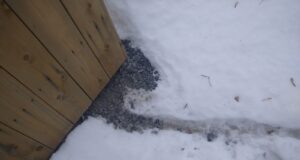
Bowmanville Wildlife Control: Do Rats Hibernate In The Winter?
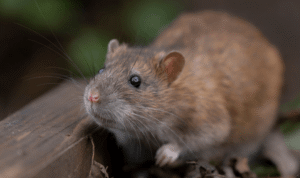
Wildlife Control In Bowmanville: What To Do If A Rat Bites Your Pet
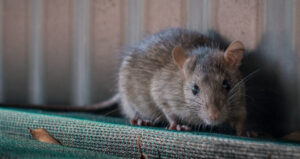
Disturbing Rat Problems Need to be Addressed
Rat Removal in Bowmanville: Frequently Asked Questions
Common signs of rats include droppings, scratching sounds, gnaw marks, grease marks along walls, burrows near foundations, and damaged insulation or food packaging. In Bowmanville, activity is often noticed around garages, sheds, basements, crawl spaces, garbage storage areas, and commercial waste zones. Because rats are mostly active at night and often stay hidden, even one visible sign can indicate a larger problem nearby.
Rats are cautious, intelligent, and excellent at finding food, water, and shelter. They often follow the same travel routes, stay close to walls, and avoid open spaces when possible. Around the local area, in homes and businesses, they may move between creek corridors, garbage areas, sheds, foundations, and indoor wall voids. Their ability to reproduce quickly and squeeze through small openings makes early professional rat control especially important.
The timeline depends on the size of the infestation, the number of entry points, and how much contamination is present. In many cases, Skedaddle can complete most wildlife removals in one day after a detailed inspection and written quote. More complex rat problems, especially in commercial buildings or heavily contaminated areas, may require additional cleaning, exclusion work, or follow-up to ensure the property is properly protected.
Yes. Skedaddle is a humane wildlife control company focused on safe removal, prevention, and property protection. Our process begins with a detailed inspection to understand how rats are entering and where they are active. Instead of relying on harmful, short-term methods alone, we focus on removing the infestation, cleaning contaminated areas, and sealing entry points so rats cannot keep returning to the same spaces.
Rats are strong climbers and may access roofs using tree branches, vines, brickwork, utility lines, downspouts, fences, or nearby structures. Once on the roof, they can exploit gaps around vents, soffits, fascia, rooflines, or utility openings. In local neighbourhoods with mature trees, older homes, and connected exterior structures, roof access can become part of a larger rat entry route that needs professional inspection.
DIY rat control often misses the root cause of the problem: how rats are getting in and why they are staying. Store-bought traps or repellents may address visible activity, but they rarely remove contamination, pheromone trails, hidden nesting material, or structural access points. Skedaddle provides a complete approach with inspection, humane removal, cleaning, decontamination, and wildlife-proofing to help protect local properties long-term.
CALL US TODAY
1.888.592.0387
OR
Request for Services