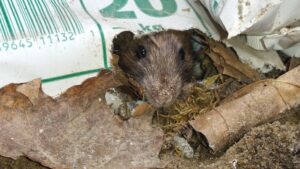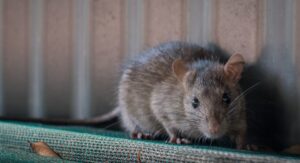






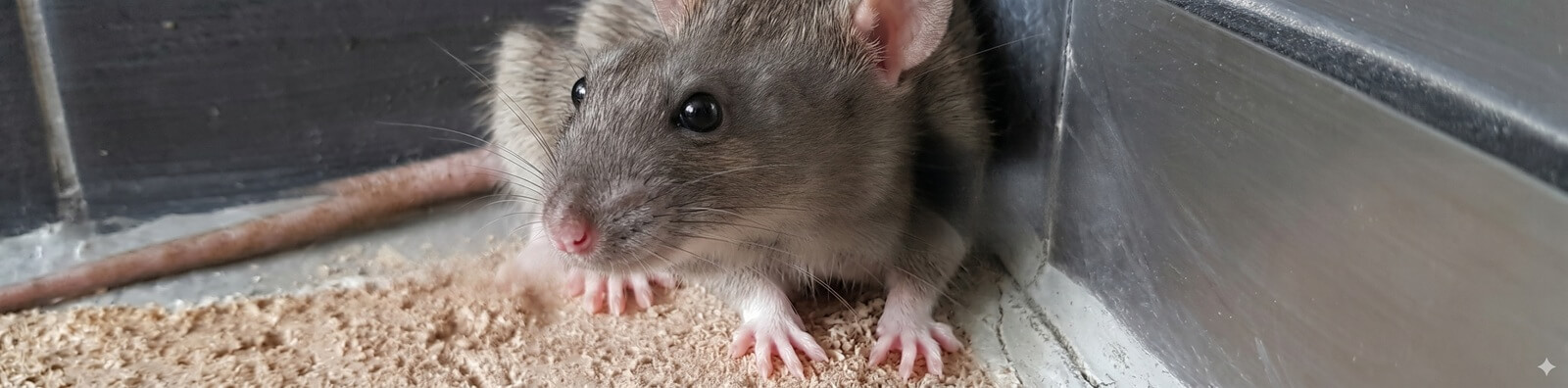


RAT REMOVAL PROCESS

Assess and Remove
Our Woodbridge technicians inspect the property to uncover rat activity, nesting areas, travel routes, and hidden entry points. These findings guide a customized humane removal plan designed to resolve the infestation without relying on trapping, relocation, or inhumane methods.

Clear and Clean
Rat activity can leave contamination and damaged materials behind. We address affected attics and other spaces by removing nesting debris and contaminated materials when required, helping restore the area and improve conditions after the rats have been humanely removed.

Prevent and Protect
Keeping rats out requires addressing more than one visible opening. Our technicians reinforce vulnerable areas with durable exclusion solutions and recommend property-specific prevention measures, helping Woodbridge homeowners reduce opportunities for rats to gain access again.
Rats are remarkably good at adapting to changing environments. In Woodbridge, established neighbourhoods, growing developments, commercial areas, ravines, and the Humber River corridor give rats plenty of opportunities to find food, water, and shelter. When they discover an opening into a home, they can quickly settle into hidden spaces.
From homes around Market Lane and Woodbridge Avenue to neighbourhoods near Boyd Conservation Park, Kortright Centre for Conservation, Pine Valley, and Islington Avenue, rat problems can happen almost anywhere. Founded in 1989, Skedaddle Humane Wildlife Control brings over 30 years of experience to humane rat removal, exclusion, cleanup, and long-term prevention.
A Humane Approach to Keeping Woodbridge Homes Rat-Free
Skedaddle combines detailed inspections, humane removal, professional exclusion, and restoration to address rat infestations at their source. Each Woodbridge property receives a customized removal plan and written quote based on its specific needs. Many wildlife removals can be completed in one day, although timelines vary with the complexity of the infestation and required restoration work.

What Each Season Means for Rat Activity in Woodbridge
Fall: Rats Seek Protected Spaces in Woodbridge
As temperatures cool in Woodbridge, rats look for protected spaces, and gaps around utility lines, foundations, garage doors, vents, siding and roof components can give them a way in. Once they find an entry point, they may use it again and again. Homes near the Humber River corridor, Boyd Conservation Park, the Kortright Centre and the area’s ravines, and along Market Lane, Woodbridge Avenue and in Pine Valley, often see activity increase as the weather turns. Homeowners commonly notice droppings, gnaw marks and scratching inside walls at night.
Rats that settle in during the fall can nest in wall voids and insulation, contaminate stored food and chew wiring through the winter. Skedaddle’s humane rat control in Woodbridge focuses on finding how rats are getting in, removing them, cleaning contaminated areas and sealing entry points before cold weather pushes more rats indoors.

Winter: Rat Problems Move Out of Sight
Woodbridge winters make heated structures particularly valuable to rats. Unlike hibernating wildlife, rats remain active year-round. Attics, basements, wall voids, crawl spaces, and garages can provide stable temperatures and protection from snow and cold. Indoor populations may continue nesting and reproducing throughout winter, making professional removal important even when outdoor wildlife activity appears to have slowed.
Spring: New Activity Around Homes
Spring brings warmer temperatures, rainfall, and renewed rat activity throughout Woodbridge. Outdoor nesting sites may be disturbed by wet conditions, while growing vegetation provides additional cover. Rats also reproduce quickly when resources are plentiful, increasing competition for suitable nesting areas. Garages, sheds, crawl spaces, and structural cavities can become appealing alternatives as rats explore their surroundings for protected places to settle.
Summer: Food and Cover Become Plentiful
During summer, rats benefit from abundant food and water. Gardens, outdoor eating areas, garbage containers, pet food, bird seed, and compost can provide dependable resources, while thick vegetation offers cover as rats travel between nesting and feeding areas.
Growing populations can also lead to greater movement. Younger rats may leave established nesting sites and explore neighbouring properties, increasing the possibility of activity around foundations, decks, sheds, garages, and other sheltered areas.
Everyday Property Features That Can Invite Rats Closer
Rats are constantly looking for dependable resources. A property does not need to be poorly maintained to experience an infestation. Even ordinary features around a Woodbridge home can create food, water, shelter, or convenient travel routes.
Potential attractants include:
- Garbage or recycling that is easily accessible
- Bird seed accumulating beneath feeders
- Outdoor pet food
- Compost and fallen produce
- Dense shrubs beside foundations
- Cluttered sheds or garages
- Standing water and drainage issues
- Stored lumber or firewood
- Structural gaps leading indoors
Reducing attractants is helpful, but an existing indoor infestation requires a professional solution that also addresses how rats are entering the structure.
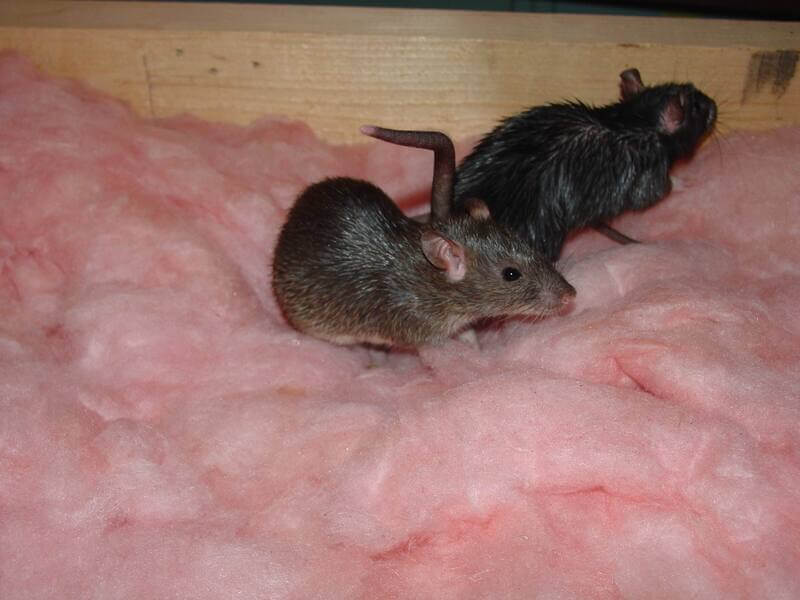
Clues That Rats Have Found Their Way Inside
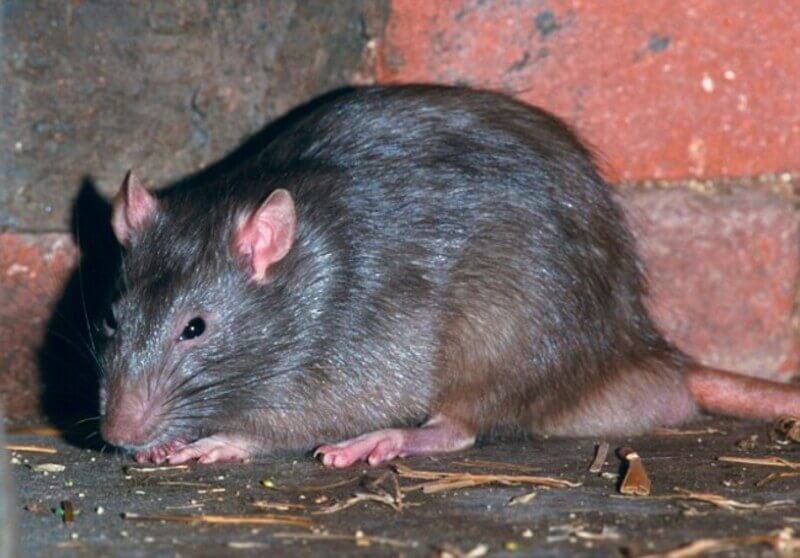
Rats typically prefer concealed areas, meaning homeowners may hear or see evidence long before spotting an animal. Recognizing these signs can help identify a developing infestation before damage becomes more extensive.
Watch for:
- Scratching or scurrying after dark
- Droppings in concealed areas
- Gnawing on wood, plastic, or wiring
- Disturbed or compressed insulation
- Greasy markings along frequently travelled surfaces
- Shredded paper or other nesting materials
- Unusual odours from walls or ceilings
- Burrows around foundations or outdoor structures
- Repeated sightings around garbage or garages
A professional inspection can distinguish current activity from older evidence and reveal entry points that may otherwise go unnoticed.
How Skedaddle Resolves Rat Problems Humanely
Every infestation develops differently. Our Woodbridge rat removal process is therefore based on the individual property rather than a one-size-fits-all solution.
Step 1: Investigating the Entire Property
Our technicians inspect interior and exterior areas to understand where rats are travelling, nesting, and entering. Rooflines, foundations, attics, garages, crawl spaces, utility openings, and other potential problem areas are carefully assessed before recommendations are made.
Step 2: Mapping Hidden Access Routes
Finding the rats is only part of the job. We determine how they are moving into and throughout the structure. Small gaps around vents, foundations, siding, pipes, doors, and building transitions can provide access that is easily overlooked without knowledge of rodent behaviour.
Step 3: Building a Humane Removal Plan
The findings from the inspection guide a customized removal strategy for the property. Skedaddle does not depend on trapping, relocation, or inhumane removal practices. Instead, our approach is designed to resolve rat activity humanely while preparing vulnerable areas for professional exclusion.
Step 4: Closing the Door on Future Activity
Once removal is underway, our technicians address identified structural vulnerabilities with durable exclusion solutions. Protecting these areas helps stop other rats from simply replacing those that have left, making prevention an essential part of resolving the infestation rather than an optional extra.
Step 5: Restoring and Safeguarding Affected Spaces
Rat activity can leave insulation, attic spaces, and other areas damaged or contaminated. When required, Skedaddle provides cleanup and attic restoration services to address affected materials. Qualifying exclusion work may also be supported by a lifetime guarantee, providing additional confidence in the long-term protection of your home.

The Problems Rats Can Create Behind Walls and Ceilings
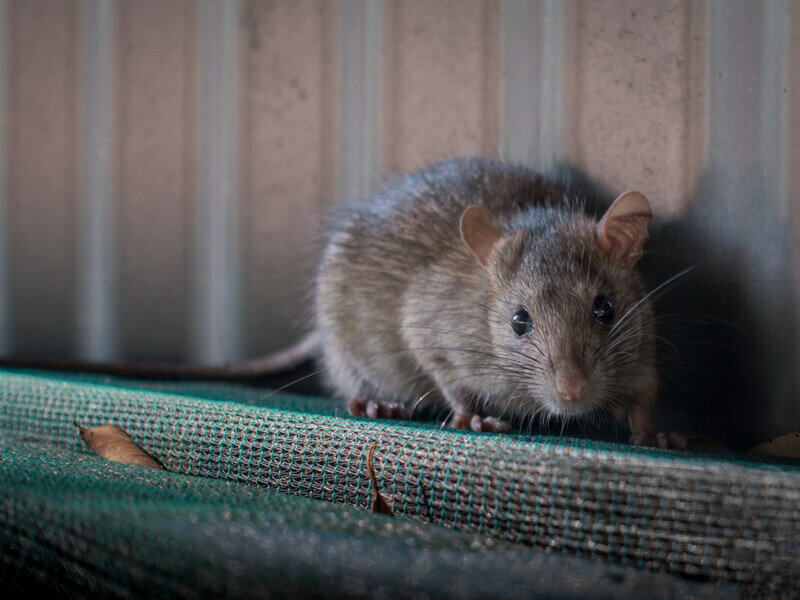
An indoor rat infestation is more than an unwanted inconvenience. Rats continually gnaw to manage their growing teeth, potentially damaging electrical wiring, wood, insulation, plastic, and other materials throughout a home.
Their nesting activity can also disturb insulation and leave droppings, urine, and debris in spaces that are difficult to access.
Because rats prefer hidden locations, these problems can develop behind walls, above ceilings, or inside attics before homeowners realize how extensive the activity has become.
Professional rat removal addresses the animals, contaminated areas, and structural weaknesses together, helping prevent a concealed infestation from creating increasingly expensive damage.
Give Rats Fewer Opportunities to Return
Removing rats is only the beginning of lasting control. Identifying access points, reinforcing vulnerable areas, and restoring spaces affected by an infestation are equally important for helping keep your Woodbridge property protected.
Skedaddle has provided humane wildlife solutions since 1989, combining decades of experience with customized removal and prevention strategies. Contact Skedaddle Humane Wildlife Control in Woodbridge today to schedule an inspection and receive a written quote for your property.