







RAT REMOVAL PROCESS

Assess and Remove
Our Marietta team begins with a comprehensive inspection to locate rat activity, identify entry points, and evaluate damage. We then create a customized humane removal plan designed to resolve the infestation while helping protect your home from future wildlife problems.

Clear and Clean
After rats have been removed, we address contamination left behind in attics, crawl spaces, and other affected areas. Our cleanup and attic restoration services help restore your home while improving cleanliness, insulation performance, and long-term protection.

Prevent and Protect
Long-term rat control starts with professional exclusion. We secure vulnerable entry points, reinforce areas at risk of future access, and provide customized prevention recommendations to help homeowners throughout Marietta keep rats out for good.
Rats are highly adaptable animals that thrive wherever food, water, and shelter are readily available. In Marietta, mature neighborhoods, wooded properties, parks, and nearby waterways provide ideal conditions for rat populations to flourish. Once they discover easy access to homes, garages, or crawl spaces, they can quickly become a serious concern for property owners.
Whether you live in East Cobb, Whitlock Heights, Indian Hills, Historic Marietta, Chestnut Creek, or near landmarks like Marietta Square, Kennesaw Mountain National Battlefield Park, or the Chattahoochee River corridor, rats can take advantage of small structural openings. Founded in 1989, Skedaddle Humane Wildlife Control has over 30 years of experience delivering humane wildlife removal, customized removal plans, attic restoration services, written quotes, and qualifying lifetime guarantees.
Humane Rat Management That Delivers Long-Term Protection
Skedaddle provides humane rat removal services that focus on permanently resolving infestations instead of offering temporary fixes. Every project begins with a detailed inspection and customized removal plan. Most wildlife removals can be completed in one day, depending on the property and the complexity of the situation, while professional exclusion helps prevent future rat activity.

How Rat Behavior Changes with the Seasons
Summer: Peak Activity Around Residential Properties
Warm weather allows rat populations to grow rapidly. Gardens, compost bins, overflowing garbage containers, pet food, and outdoor entertaining areas provide dependable food sources throughout many Marietta neighborhoods.
Young rats begin leaving established nests during summer, increasing the likelihood of homeowners noticing activity around foundations, decks, landscaping, garages, and rooflines. As populations expand, opportunities for indoor infestations also increase.

Fall: Preparing for Cooler Weather
As temperatures gradually begin to drop, rats actively seek warm, protected places to spend the coming months. Homes become especially attractive, with small gaps around foundations, siding, rooflines, vents, and utility penetrations providing convenient access to indoor shelter.
Winter: Comfortable Shelter Indoors
Georgia winters are milder than many northern climates, but indoor spaces still provide warmth, protection, and dependable shelter. Rats that have entered attics, crawl spaces, basements, garages, or wall cavities remain active throughout winter while continuing to nest and search for food.
Spring: Populations Begin to Expand
As temperatures rise across Marietta, rats become increasingly active. Spring rains and abundant vegetation create favourable conditions for nesting and breeding, while outdoor food sources become more plentiful. During this season, rats frequently explore crawl spaces, garages, sheds, and homes as they establish new nesting locations close to reliable resources.
Why Rats Choose Certain Marietta Properties
Rats are opportunistic and often settle where food and shelter are easy to find.
Common attractants include:
- Bird feeders with spilled seed
- Outdoor pet food and water dishes
- Compost bins and food scraps
- Unsecured trash and recycling containers
- Dense shrubs against the home’s exterior
- Firewood and lumber piles
- Standing water around the property
- Cluttered garages and storage buildings
- Small openings around vents, foundations, and utility lines
Professional inspections identify both the conditions attracting rats and the structural vulnerabilities allowing them inside.
Recognizing the Early Signs of Rat Activity
Many infestations remain hidden until populations begin growing.
Signs to watch for include:
- Scratching noises inside ceilings or walls
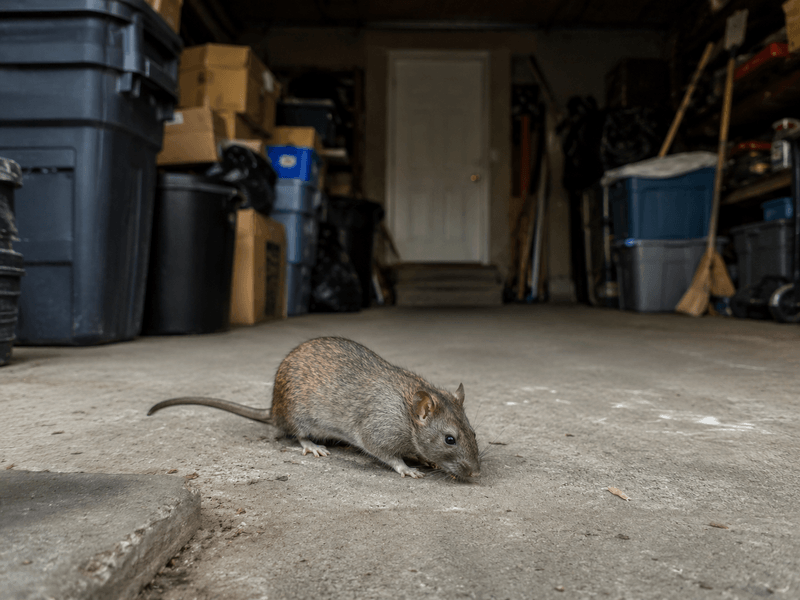
- Rat droppings around attics, crawl spaces, or garages
- Gnaw marks on wood, wiring, insulation, or plastic
- Greasy rub marks along walls or travel routes
- Torn insulation or nesting materials
- Strong musty or ammonia-like odours
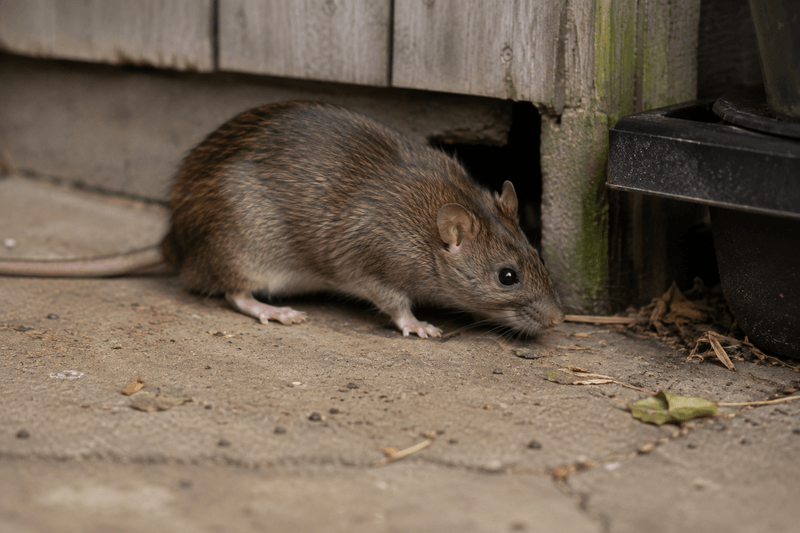
- Visible rat activity around the home
- Burrows or disturbed soil near foundations
Professional assessment helps determine the source of the activity and the most effective humane solution.
Skedaddle’s Humane Rat Removal Process
Every rat infestation is different, which is why our removal process is customized for each Marietta property.
Step 1: Comprehensive Property Inspection
We begin with a thorough inspection of the home and surrounding property. Our technicians identify signs of rat activity, nesting locations, travel routes, and every potential entry point before developing a customized removal strategy.
Step 2: Identifying Every Access Point
Rats can enter through surprisingly small openings. We inspect rooflines, crawl spaces, foundations, vents, utility penetrations, siding, garages, and other structural vulnerabilities to understand exactly how rats are entering the home.
Step 3: Humane Removal Strategy
Using the information gathered during the inspection, we implement humane removal methods tailored to the infestation. Skedaddle does not rely on trapping, relocation, or inhumane techniques. Our approach focuses on safely resolving the problem while preparing the home for long-term protection.
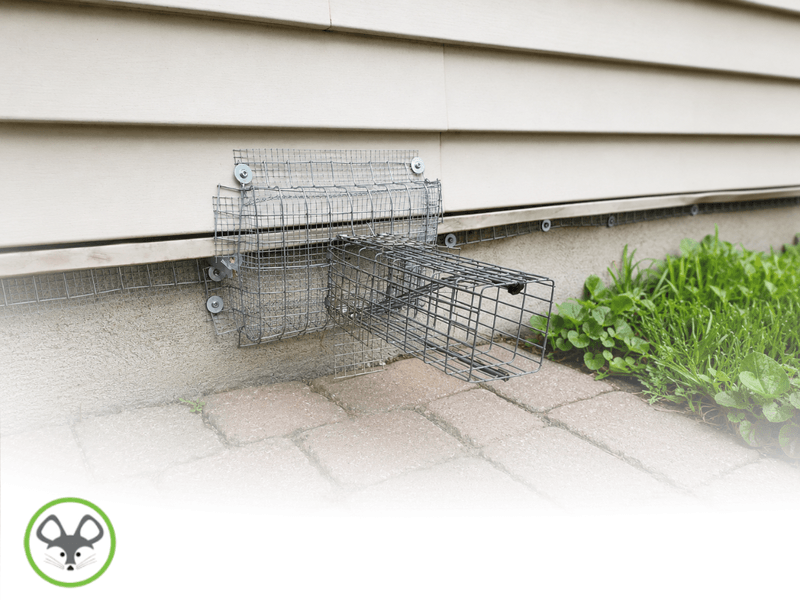
Step 4: Exclusion and Home Protection
Following removal, our team professionally seals vulnerable entry points using durable exclusion materials. This prevents future rats from accessing the property and forms one of the most important parts of long-term wildlife control.
Step 5: Restoration and Prevention Planning
Where necessary, attic restoration and cleanup services help address contamination or damage caused by rat activity. Homeowners also receive customized prevention recommendations, a written quote, and qualifying lifetime guarantees for added peace of mind.
Why Rat Infestations Should Never Be Left Alone
Rats rarely remain confined to one area of a home. As they search for food and nesting materials, they can damage insulation, drywall, wood framing, electrical wiring, and stored belongings.
Their droppings, urine, and nesting debris can contaminate attics, crawl spaces, and other hidden areas while unpleasant odours gradually spread throughout the home.
Because rats often remain hidden inside walls and ceilings, infestations can continue unnoticed for extended periods. During that time, both contamination and structural damage become more extensive.
Professional removal not only eliminates the infestation but also addresses the underlying conditions that allowed it to develop.
Take Back Your Home with Professional Rat Removal
Rat problems rarely improve on their own. The longer an infestation remains active, the greater the potential for property damage, contamination, and costly repairs. Humane removal combined with professional exclusion provides the most effective long-term solution.
Since 1989, Skedaddle Humane Wildlife Control has helped homeowners protect their properties through customized removal plans, exclusion services, attic restoration, and lasting prevention. Contact our Marietta team today to schedule an inspection and receive your written quote.