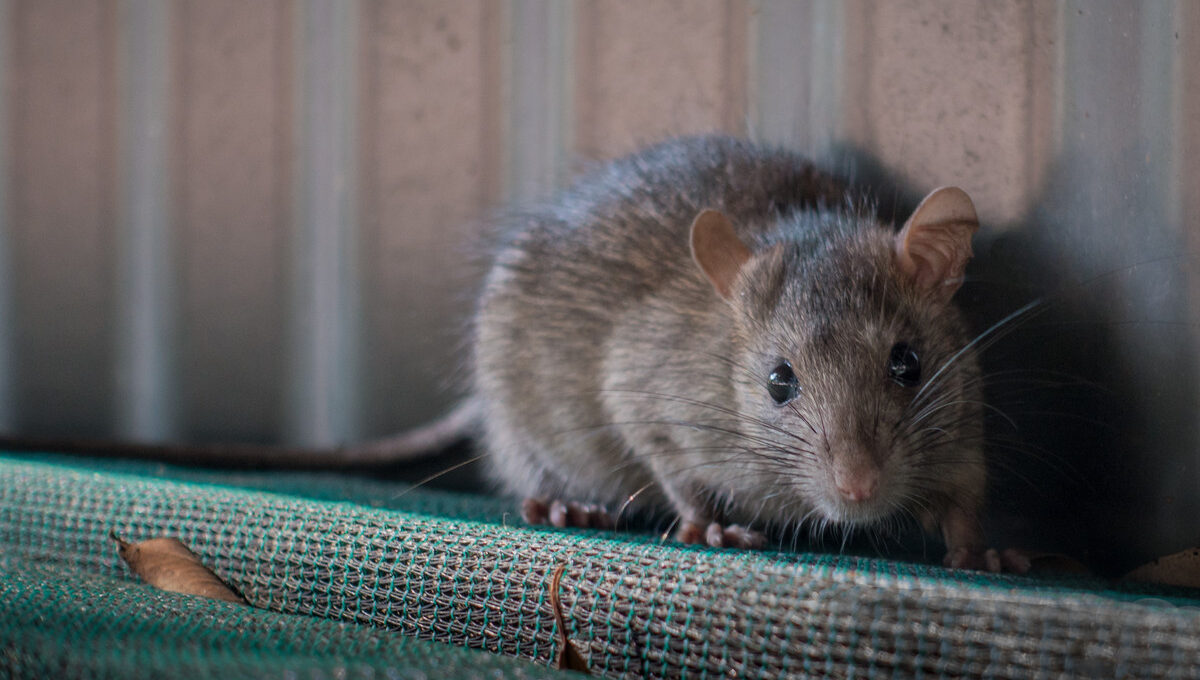
Have you ever wondered how rats manage to move through dark sewers, tight wall cavities, and unfamiliar homes without getting lost? These rodents possess remarkable navigation abilities that allow them to travel through complex environments with surprising ease. These rodents rely on a combination of highly developed spatial mapping, scent marking, and exceptional physical adaptability to find their way through the hidden spaces of our homes and cities.
Understanding how rats navigate is essential for homeowners in Marietta dealing with these persistent animals. When you know how rats move through walls, sewers, and homes without getting lost, you can better protect your property from invasion.
In this blog, we’ll explore the fascinating navigation mechanisms rats use, examine rat behavior in homes, and explain how rats move through walls to help you recognize the signs of an infestation. We’ll also cover practical prevention strategies and explain how Skedaddle Humane Wildlife Control in Marietta can help protect your home from these adaptable animals.
How Do Rats Find Their Way Around?
These rodents navigate walls, sewers, and homes without getting lost by using their brains like an internal GPS system. Their hippocampus contains specialized “place cells” that create mental maps of their surroundings. When a rat explores a new area, these cells activate in specific patterns, allowing the animal to remember locations with remarkable accuracy.
Even in complete darkness, rats use path integration—a system that calculates distance and direction travelled—to maintain their sense of position. This means a rat can venture far from its nest through pitch-black pipes or wall cavities and still find its way back. Combined with scent marking using urine, which leaves chemical trails along their routes, these rodents create a network of familiar pathways they can follow repeatedly.
Their highly sensitive whiskers also play a crucial role in navigation. In tight, dark spaces like sewers or wall cavities, rodents use these vibrissae to feel their surroundings, detecting texture, width, and obstacles with precision. Together, these navigation mechanisms allow these animals to move confidently through complex environments that would disorient most animals.
Navigating Sewers: The Ideal Habitat
Sewers give rats warmth, protection, and steady access to food waste. These underground systems act like hidden highways that connect entire neighbourhoods. Rats are strong swimmers and skilled climbers, which makes sewer systems easy for them to explore. When pipes are damaged or disturbed, rats often search for new shelter above ground.
Key aspects of how rats navigate sewers include:
- Swimming Through Water-Filled Pipes: These rodents are excellent swimmers and can move through flooded pipes with ease. They can hold their breath for several minutes while diving. This ability allows them to travel long distances underground to reach new areas.
- Climbing Vertical Drainpipes: Rats use their sharp claws and strong legs to climb pipes and rough surfaces. Even narrow drainpipes can become access routes. They can push against the sides and move upward surprisingly fast.
- Following Scent Trails: Rats leave chemical scent markers behind as they travel. Other rats use these trails to follow safe and proven routes. This creates an organized system of movement within sewer networks.
- Exploiting Infrastructure Damage: Cracked pipes, loose joints, and broken seals create entry points. Rodents quickly take advantage of these weak spots. Once they find an opening, they use it repeatedly.
When construction or excavation disturbs sewer systems, rodents lose their established homes and must find new shelter. This often drives them toward residential properties where they seek out any available opening.
Navigating Walls and Homes: Hidden Highways
After entering a home, rodents quickly create hidden travel routes. Wall cavities, attics, and pipe spaces become safe pathways. They prefer moving along surfaces instead of crossing open areas. This behavior helps them feel secure while they explore.
Important aspects of how rats navigate homes include:
- Exploiting Entry Points: Small gaps around pipes, vents, and damaged mortar give rats access. Even openings as small as half an inch are enough. Once inside, they widen these spaces over time.
- Using Wall Cavities as Corridors: The empty space between walls provides cover and protection. Rats can travel from room to room without being seen. These hidden corridors allow infestations to spread quickly.
- Climbing Interior Structures: These rodents can climb brick, wood, stucco, and siding. This allows them to reach upper floors and attic spaces. Their strong grip makes vertical movement easy.
- Adapting to Changes: If a pathway becomes blocked, rats quickly search for another route. They are highly adaptable and learn from experience. This makes simple DIY blocking methods ineffective.
- Following Established Trails: Once a route feels safe, rats use it again and again. They leave scent markers that guide them back. Over time, they memorize the layout of your home.
The same spatial mapping abilities that help rats navigate sewers also work inside your home. They quickly memorize the layout of rooms, the location of food sources, and the safest routes between their nest and feeding areas.
Sensory Adaptations: How Rats “See” in the Dark
Rats do not depend much on their eyesight, especially in dark spaces. Instead, they rely on strong senses that help them move with confidence. Their sense of smell is very sharp and allows them to find food from far away. They also follow scent trails left by other rats, which helps the group travel safely through walls and hidden spaces.
Their whiskers play a major role in how they explore tight areas. Each whisker is connected to sensitive nerves that send detailed signals to the brain. As rats move through pipes or wall cavities, they sweep their whiskers back and forth. This helps them build a clear mental picture of what is around them.
These rodents also have excellent hearing. They can detect small sounds that warn them of danger or signal the presence of other rats. Along with smell and touch, memory is another powerful tool they use. Rats remember detailed paths and safe routes, which allows them to travel through your home’s hidden spaces with accuracy.
These sensory adaptations explain why rats seem so comfortable in dark, narrow areas. They are not moving blindly through your home. They are using smell, touch, hearing, and memory together to navigate with precision.
Preventing Rats from Entering Your Home
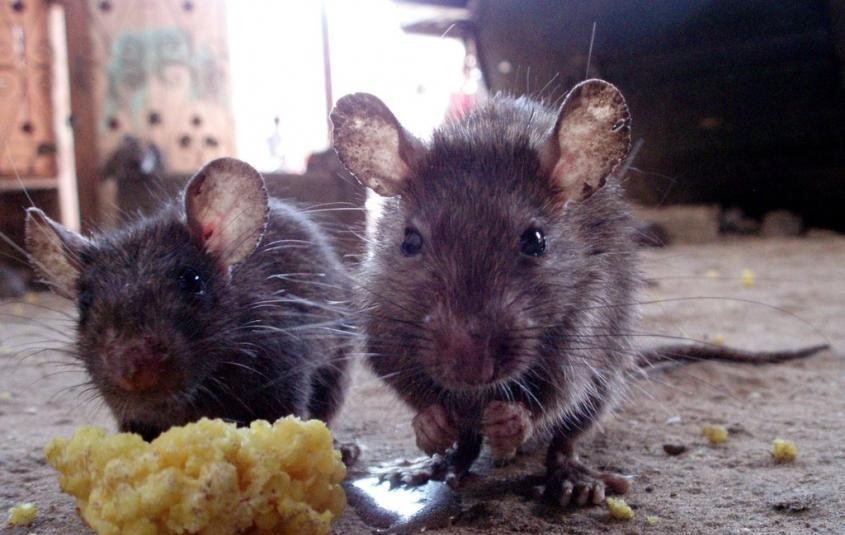
Understanding how rats move and explore helps you protect your home more effectively. These animals take advantage of very small gaps and follow scent trails to find food and shelter. Prevention focuses on blocking entry points and removing what attracts them. Our professional team at Skedaddle knows how to find weak spots that many homeowners overlook.
Effective prevention strategies include:
- Sealing Entry Points: Rats can squeeze through openings as small as half an inch. Small gaps around pipes, vents, and foundations can quickly become entry doors. Professional-grade materials are used to close these spaces securely so rodents cannot chew their way back inside.
- Repairing Damaged Infrastructure: Broken sewer lines, cracked vents, and loose mortar create hidden access points. Rats often enter through areas that are not easy to see. Fixing these structural problems removes the pathways they depend on.
- Installing One-Way Doors: When rodents are already inside, one-way doors allow them to leave safely. These devices prevent them from re-entering once they exit. This approach removes the animals without relying on poisons.
- Removing Attractants: Food sources draw rats closer to your home. Securing garbage bins and cleaning up spilled food reduces interest. Keeping outdoor areas tidy makes your property less appealing.
- Regular Monitoring: Even small changes in your home’s exterior can create new gaps. Periodic inspections help catch problems early. Ongoing monitoring adds an extra layer of protection.
Remember, homeowners should never attempt to handle rat removal or clean up contaminated areas themselves. Rats carry diseases that can spread through contact with droppings, urine, or nesting materials. Professional wildlife control ensures safe, effective removal while protecting your family’s health.
Professional Solutions for Rat Problems in Marietta
These rodents are clever and highly adaptable animals. In Marietta, they move easily through walls, crawl spaces, and even sewer lines to find food and shelter. At Skedaddle Humane Wildlife Control in Marietta, we understand how rats behave and why they enter homes. That knowledge helps us remove them safely and stop the problem at its source.
Every service begins with a detailed inspection of your property. We identify how rodents are getting inside and where they travel once they enter. By understanding rat behavior in homes, we can locate nesting areas and hidden entry points. This step allows us to build a plan that targets the full infestation, not just the signs you see.
Our team does not rely on poisons that can leave dead animals inside walls. Poison creates odours, attracts other pests, and may harm pets or children. Instead, we use humane removal methods and install one-way doors that allow these rodents to exit but not return. This approach removes the animals safely while reducing future risks.
After removal, we clean and sanitize affected areas to address droppings and urine. We then seal every entry point using strong materials rodents cannot chew through. Long-term prevention is always part of our process. With professional help, your home stays protected for years to come.
Frequently Asked Questions
How do rats get into houses in Marietta?
These rodents enter through small gaps around pipes, vents, rooflines, and foundations. They can squeeze through openings as small as half an inch. Damaged sewer lines, loose mortar, and broken vent covers are common entry points. Professional inspections often uncover hidden gaps homeowners miss.
Can rats come up through toilets?
Yes, these rodents can travel through sewer pipes and sometimes appear in toilets. They are strong swimmers and can move through plumbing traps. This is rare but possible when sewer systems are damaged or poorly sealed. Installing proper backflow prevention devices reduces this risk.
How quickly do rats multiply inside a home?
These rodents reproduce very quickly. A single pair can produce several litters per year. If not addressed early, a small problem can grow into a larger infestation within months. Early removal and sealing are critical for control.
What are the signs of rats in walls or ceilings?
Common signs include scratching sounds at night, droppings, and grease marks along baseboards. You may also notice gnawed wires or damaged insulation. Rodents prefer hidden spaces, so activity is often heard before it is seen. A professional inspection confirms the extent of the problem.
Protect Your Marietta Home from Rat Invasions
Understanding how rats navigate walls, sewers, and homes without getting lost reveals just how adaptable these animals are. Their sophisticated combination of spatial mapping, scent marking, and sensory adaptations allows them to move confidently through complex environments. Rat behavior in homes follows predictable patterns that, once understood, can help you recognize signs of infestation early.
Knowing how rats move through walls and exploit infrastructure vulnerabilities emphasizes the importance of professional wildlife control. At Skedaddle Humane Wildlife Control in Marietta, we combine knowledge of rat navigation with proven removal and prevention techniques to keep your property safe.
If you’ve noticed signs of rats in your home—droppings, scratching sounds, or unusual odours—don’t wait for the problem to worsen. Contact Skedaddle today to request an estimate and learn more about our comprehensive wildlife control services. Our experienced team will protect your home with solutions designed to last.

 Loading...







