







RAT REMOVAL PROCESS

Assess and Remove
Our Waukesha technicians investigate the entire property to uncover nesting areas, travel routes, damage, and overlooked entry points. Those findings shape a customized humane removal plan designed to resolve current rat activity without relying on trapping or relocation.

Clear and Clean
Rat activity can leave hidden areas contaminated or damaged long after the animals are gone. We address nesting debris, affected insulation, and other impacted materials, with attic restoration services available when needed to help restore the space.

Prevent and Protect
We turn our attention to the structural weaknesses that made the infestation possible. Durable exclusion materials are used to reinforce vulnerable areas and help prevent renewed access, with qualifying work supported by Skedaddle’s lifetime guarantee.
Waukesha’s combination of established neighborhoods, growing residential areas, commercial corridors, parks, and waterways gives rats plenty of opportunities to find food, water, and shelter. These adaptable rodents can live surprisingly close to people before a small opening around a foundation, garage, vent, or utility line gives them access indoors.
From Downtown Waukesha and Pebble Valley to properties near Fox River, Frame Park, Minooka Park, and the surrounding communities of Waukesha County, rat problems can develop in many settings. Founded in 1989, Skedaddle Humane Wildlife Control brings over 30 years of experience to humane rat removal, professional exclusion, cleanup, restoration, and long-term prevention.
Complete Rat Control That Goes Beyond Removal
Skedaddle addresses rat infestations by identifying active areas, locating entry points, removing rats humanely, and professionally securing structural vulnerabilities. Every Waukesha property receives a customized removal plan and written quote. Many wildlife removals can be completed in one day, although timing depends on the infestation, property conditions, exclusion requirements, and whether cleanup or attic restoration is needed.

How Waukesha’s Seasons Affect Rat Activity
Fall: Rats Seek Shelter as Wisconsin Temperatures Drop
As Wisconsin temperatures drop, rats in Lake Country and Waukesha look for protected spaces to spend the winter. They enter through gaps around foundations, siding, utilities, garage doors, vents and the joints where building materials meet. Homes near the Fox River, Frame Park and Minooka Park, and in areas like Downtown Waukesha and Pebble Valley, often see activity increase as the nights get colder. Once inside a warm wall or basement, rats can quickly settle in, and homeowners may notice droppings, gnaw marks or scratching at night.
Rats that get indoors in the fall can nest in wall voids and insulation, contaminate stored food and chew wiring through the winter. Woodpiles, bird feeders and unsealed garbage near the house make a property more attractive. Skedaddle’s humane rat control in Lake Country and Waukesha focuses on finding how rats are getting in, removing them, cleaning contaminated areas and sealing entry points so your home stays protected all winter.

Winter: Rat Activity Moves Indoors
Waukesha’s cold winters make heated buildings especially appealing. Rats do not hibernate, so those already inside remain active throughout the season. Basements, crawl spaces, garages, wall voids, and attics can provide stable shelter from snow and freezing temperatures. Reduced outdoor sightings do not necessarily mean activity has stopped, particularly when an infestation is concealed within the structure.
Spring: Rats Become More Active
As temperatures rise and snow melts, rat activity can become more noticeable around Waukesha properties. Spring moisture may disturb outdoor burrows, while growing vegetation creates additional cover. Breeding can also contribute to expanding populations. Rats looking for protected nesting areas may investigate garages, sheds, crawl spaces, foundations, and structural cavities, especially when nearby food and water make the property attractive.
Summer: Food and Shelter Are Abundant
Summer provides rats with plentiful resources. Gardens, bird feeders, outdoor meals, pet food, compost, garbage, and standing water can all support activity. Dense landscaping also creates sheltered routes between feeding and nesting areas.
Growing populations can lead younger rats to explore beyond established territory. This increased movement may bring them closer to decks, sheds, garages, foundations, and other parts of the home. When a suitable structural opening is present, outdoor activity can turn into an indoor infestation.
Why Rats Are Drawn to Waukesha Properties
Rats are opportunistic and will take advantage of properties that offer reliable food, water, cover, or shelter. Even well-maintained homes can experience problems when attractants exist near a structural vulnerability.
Common conditions that may encourage rat activity include:
- Unsecured trash and recycling
- Spilled bird seed
- Outdoor pet food
- Compost and garden produce
- Dense vegetation near structures
- Standing water or drainage concerns
- Firewood and stored materials
- Cluttered garages or sheds
- Gaps around utilities, vents, and foundations
Attractants can bring rats closer to the building, but professional exclusion addresses the structural weaknesses that may allow them to establish themselves indoors.
Early Clues That Rats May Be Inside Your Home
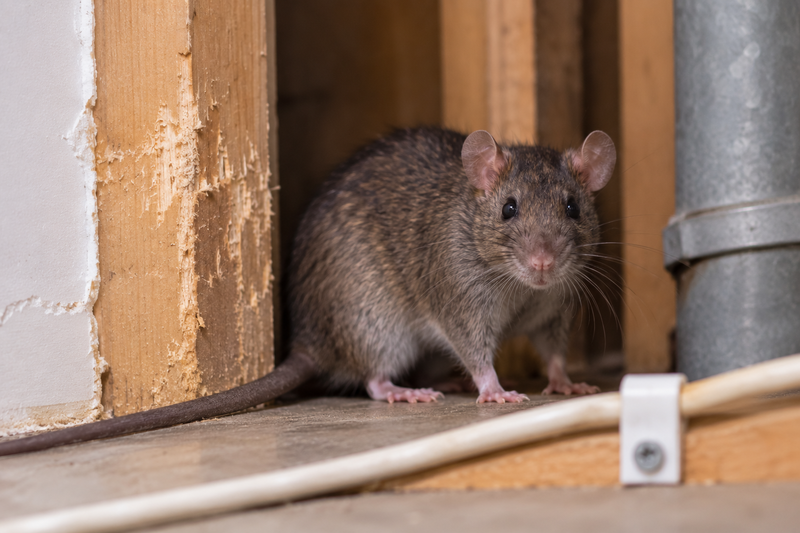
Rat infestations can remain hidden because these animals typically prefer concealed pathways and become more active after dark. Homeowners often notice indirect evidence before seeing a rat.
Signs may include:
- Scratching or scurrying in walls
- Gnawing sounds after dark
- Droppings in sheltered locations
- Greasy markings along travel routes
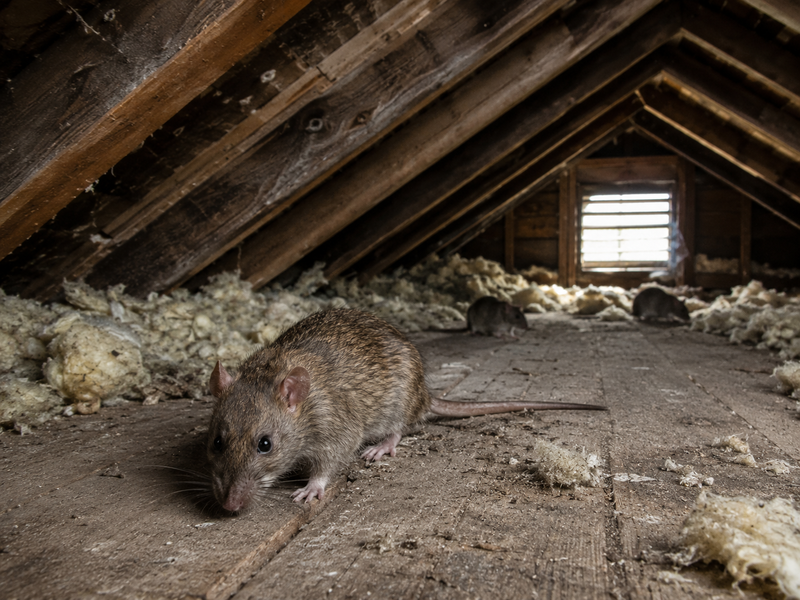
- Shredded nesting materials
- Damaged or displaced insulation
- Gnaw marks on wiring, wood, or plastic
- Persistent unexplained odors
- Burrows near foundations or outdoor structures
A professional inspection helps determine whether activity is current, where rats are traveling, and which exterior vulnerabilities may be providing access to the structure.
Skedaddle’s Five-Step Approach to Humane Rat Removal
A lasting rat solution requires more than responding to the animals homeowners hear or see. Skedaddle evaluates the infestation, building conditions, entry routes, contamination, and future vulnerabilities to develop a comprehensive plan for each Waukesha property.
Step 1: Examining the Full Scope of Rat Activity
Our technicians begin by assessing relevant interior and exterior areas. We look for droppings, gnawing, nesting materials, travel routes, damaged insulation, burrows, and other evidence. Understanding where rats are active allows us to determine the extent of the infestation before developing recommendations.
Step 2: Discovering Where Rats Are Getting In
Next, we investigate the exterior for openings rats may be exploiting. Foundations, vents, garage areas, utility penetrations, siding transitions, rooflines, and other structural details are carefully assessed. Identifying these routes is essential because unresolved entry points can allow rat activity to continue or return.
Step 3: Creating a Humane Removal Plan
Our inspection findings guide a customized removal strategy based on the property’s unique conditions. Skedaddle does not rely on trapping, relocation, or inhumane methods. Instead, our technicians use humane techniques to resolve active rat problems while coordinating the exclusion measures necessary for long-term protection.
Step 4: Reinforcing the Structure Against Re-Entry
Once the removal process is underway, confirmed access points are professionally secured using durable exclusion materials. We also evaluate other vulnerable areas rats could potentially exploit. This broader approach helps prevent new rats from simply discovering another route into the home after the current infestation is resolved.
Step 5: Restoring and Protecting Affected Areas
Rats may leave droppings, nesting debris, contaminated insulation, and property damage behind. Cleanup and attic restoration services may be recommended when necessary. We also provide prevention recommendations tailored to the property, while qualifying exclusion work may be supported by a lifetime guarantee for added long-term confidence.

Why an Indoor Rat Infestation Can Become a Bigger Problem
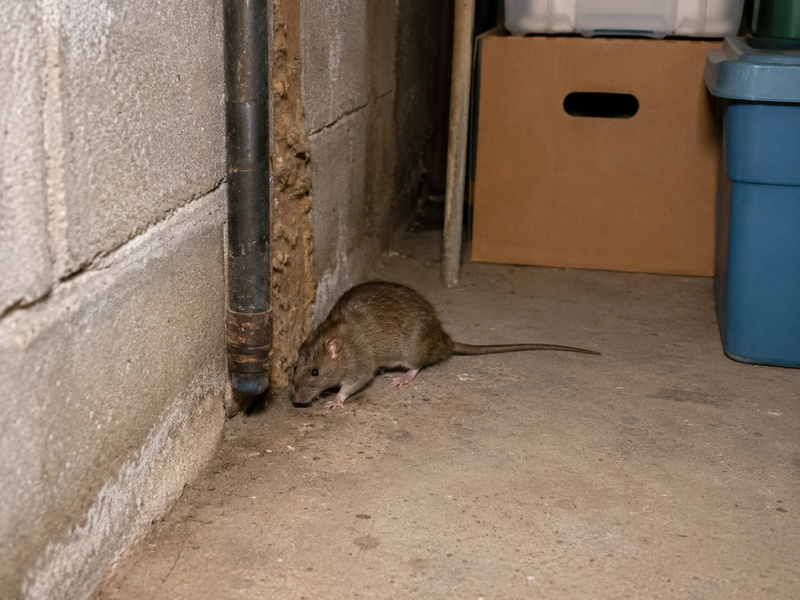
Rats can cause damage throughout a structure as they travel between nesting areas and food sources. Their persistent gnawing may affect insulation, drywall, wood, plastic, stored belongings, and electrical wiring.
Droppings, urine, and nesting materials can accumulate in concealed locations. Repeated movement may also compress insulation and affect the condition of attic or wall spaces.
Because much of this activity happens out of sight, homeowners may not immediately recognize how far an infestation has spread.
Professional rat removal addresses current activity while exclusion, cleanup, and restoration help resolve the conditions and damage left behind.
Make Your Waukesha Home Harder for Rats to Re-Enter
Removing active rats is only one part of achieving lasting results. Identifying entry points, restoring affected areas, and professionally reinforcing vulnerable parts of the structure help reduce the chances of another infestation developing.
Since 1989, Skedaddle Humane Wildlife Control has focused on humane, prevention-first wildlife solutions. If you suspect rats have entered your Waukesha property, contact our team today to schedule a professional inspection and receive a customized written quote.