







RAT REMOVAL PROCESS

Assess and Remove
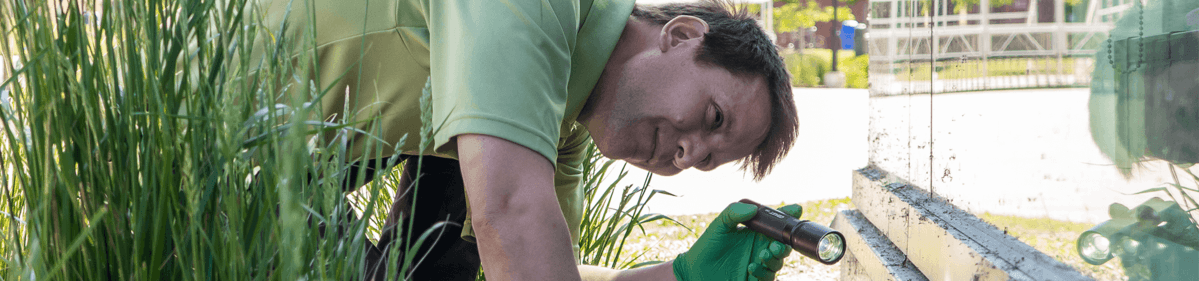
Our rat removal process begins with a detailed 35-point inspection, using thermal imaging to locate activity, nesting areas, and entry points. We then apply humane removal strategies, including one-way doors where appropriate, to guide rats out safely and begin solving the problem at its source.

Clear and Clean
Rat activity can leave behind droppings, urine, nesting materials, odours, and pheromone trails that may attract more rodents. Our cleaning process focuses on decontamination, pheromone removal, and safety, helping reduce health risks in attics, basements, garages, crawl spaces, storage areas, and other affected spaces.

Prevent and Protect
To help stop rats from returning, Skedaddle seals vulnerable areas with durable galvanized steel screening and proven rat-proofing techniques. We protect vents, foundations, utility openings, rooflines, and other access points, providing long-term protection that keeps your Ajax property safe beyond the initial removal.
Rats are not exactly the neighbours homeowners hope to meet. They are quiet, clever, fast-moving, and surprisingly good at turning small openings around a home or business into convenient entry points. With over 30 years of wildlife control experience, Skedaddle Humane Wildlife Control provides professional, humane rat removal in Ajax using poison-free methods that protect people, pets, properties, and the surrounding environment.
Ajax offers rats plenty of reasons to stick around. The community’s mix of Lake Ontario shoreline, Duffins Creek, Rotary Park, mature neighbourhoods, growing commercial areas, and busy corridors such as Harwood Avenue, Bayly Street, and Westney Road provides easy access to food, water, warmth, and shelter. Rats may move from green spaces, stormwater systems, garbage areas, restaurant waste zones, sheds, garages, warehouses, townhomes, and detached houses in search of a safe place to nest. Even a small gap near a foundation, vent, utility line, garage seal, or aging exterior material can be enough for a rat to squeeze inside.
Rat Removal in Ajax, Ontario
Skedaddle’s rat control services in Ajax are designed to solve the problem at its source. Our technicians inspect homes and businesses for entry points, nesting areas, food sources, contamination, and signs of activity before removing rats, cleaning affected spaces, and sealing vulnerable gaps to help prevent future infestations. We proudly serve Ajax, Pickering Village, Riverside, Westney Heights, and surrounding communities with humane rat removal backed by proven experience and long-term prevention.

Rat Activity Throughout the Seasons
Summer: Peak Foraging and Breeding Across Local Neighbourhoods
Summer is one of the busiest seasons for rat activity because food sources are abundant and breeding can continue rapidly. Warm weather brings more outdoor dining, barbecues, patio waste, overflowing garbage bins, pet food, garden produce, and compost odours, all of which can attract rats to residential and commercial properties. Neighbourhoods such as Riverside, Westney Heights, and Pickering Village may experience increased rat movement as rodents travel between green spaces, stormwater areas, restaurants, laneways, and backyards.
During the summer, rats may remain outdoors if food and shelter are readily available, but they still investigate buildings for cooler nesting areas, safe wall voids, garages, basements, and crawl spaces. Fast-growing vegetation, stacked firewood, dense shrubs, and cluttered storage areas can give rats the cover they need to move unnoticed. Because rats reproduce quickly, a small summer issue can become a larger infestation if entry points, food sources, and nesting conditions are not addressed early. Humane rat control focuses on identifying the cause, sealing access points, and reducing attractants before the population grows.

Fall: Searching for Shelter Before Cold Weather
As fall arrives, rats begin preparing for colder weather by seeking warm, sheltered spaces near reliable food sources. This is when homeowners and business owners may notice more activity around foundations, garage doors, utility lines, vents, and gaps beneath siding. Falling temperatures, shorter days, and reduced availability of natural food can push rats from outdoor harbourage areas toward buildings. Neighbourhoods near parks, creeks, older homes, and commercial corridors may be especially vulnerable. Sealing entry points in the fall is important because rats that move indoors before winter can nest, contaminate insulation, and damage wiring.
Winter: Indoor Nesting and Warmth-Seeking Behaviour
During winter, rats are strongly driven by warmth, shelter, and dependable food. Snow, frozen ground, and limited outdoor food can push rats into basements, crawl spaces, wall voids, garages, restaurants, warehouses, and multi-unit buildings. Once inside, they may remain active throughout the season, chewing, nesting, and contaminating areas with droppings and urine. Homeowners may hear scratching at night, find gnaw marks, or notice unusual pet behaviour. Because winter activity often means rats have already gained access indoors, professional inspection and exclusion are essential to remove the animals and prevent re-entry.
Spring: Nesting Season Around Homes and Green Spaces
As temperatures rise, rats become more active after spending the colder months close to shelter, food, and warmth. Spring is a major breeding season, which means rats may start searching for secure nesting sites around sheds, garages, decks, crawl spaces, and commercial storage areas. Properties near Duffins Creek, Ajax’s waterfront trails, and older residential neighbourhoods can see increased movement as rats take advantage of soft soil, vegetation, compost, birdseed, and outdoor waste. Homeowners may notice burrows along foundations, droppings near bins, or scratching sounds as rats expand their nesting areas.
Why Rats Choose Local Properties
Rat problems are often tied to the town’s combination of Lake Ontario shoreline, creek corridors, mature neighbourhoods, busy commercial areas, and ongoing residential growth. With natural water sources near Duffins Creek, green space around Rotary Park, and dense activity along routes like Harwood Avenue and Westney Road, rats can find the three essentials they need to survive: food, water, and shelter. Garbage bins, restaurant waste, birdseed, compost, pet food, garden produce, and cluttered storage areas can attract rats, while foundations, sheds, decks, garages, and utility gaps provide secure places to hide, nest, and move between properties.
- Structural vulnerabilities: Small cracks, foundation gaps, damaged vents, aging garage seals, and openings around utility lines can allow rats to access homes and businesses.
- Reliable food sources: Garbage, compost, spilled birdseed, pet food, restaurant waste, and backyard gardens can keep rats returning to the same property.
- Water access: Lake Ontario, creeks, stormwater systems, drainage areas, and leaking exterior taps can help rats stay close to local neighbourhoods.
- Thermal protection: Basements, crawl spaces, wall voids, sheds, and commercial storage rooms provide warmth and shelter during colder Ontario weather.
- Safe travel routes: Dense shrubs, retaining walls, fence lines, decks, laneways, and overgrown vegetation let rats move quietly between feeding and nesting areas.
What to Watch For:
Early signs of rats in properties may include dark smudge marks along walls, gnaw marks on wood or plastic, droppings near bins, burrows beside foundations, scratching sounds at night, damaged insulation, or unusual attention from pets around decks, sheds, garages, and basements.



Telltale Signs Rats Are Moving Around Your Property
Identifying rat activity early helps prevent contamination, structural damage, and a small problem from becoming a larger infestation.
- Droppings in hidden areas: Small, dark, pellet-shaped droppings may appear near garbage bins, pantry spaces, garages, basements, sheds, or along foundation walls.
- Gnaw marks and chewed materials: Rats constantly chew to manage their teeth, leaving marks on wood, plastic bins, wiring, insulation, packaging, and stored belongings.
- Burrows near structures: Fresh holes in soil beside foundations, sheds, decks, fences, gardens, or retaining walls can indicate active nesting or travel routes.
- Grease marks along pathways: Rats often leave dark smudge marks from oily fur as they repeatedly travel along walls, baseboards, pipes, and exterior edges.
- Nighttime sounds or odours: Scratching, scurrying, squeaking, or musky smells from walls, ceilings, crawl spaces, or garages may point to indoor rat activity.
Seeing even one of these signs can mean rats are already established nearby, and where there is one rat, there may be a larger colony. A professional assessment can identify entry points, nesting areas, attractants, and the safest way to remove and prevent rat activity on your property.
Skedaddle’s Humane Rat Removal Process
Skedaddle’s wildlife removal process is designed to solve rat problems safely, thoroughly, and humanely. Our approach focuses on identifying how rats are getting in, removing activity without poisons or snap traps, cleaning contaminated areas, and protecting homes and businesses with proven exclusion methods that deliver long-term results.
Step 1: Inspect & Remove
Our technicians complete a detailed 35 – 50 point inspection using tools like thermal imaging to locate activity, entry points, and nesting areas. Most wildlife removals can be completed in one day. We provide customized solutions with a written quote and use humane removal methods, including one-way doors where appropriate.
Step 2: Clear & Clean
Once rats are removed, contaminated areas must be carefully cleaned to reduce health risks. Our team focuses on decontamination, removing droppings, urine, nesting debris, and pheromone traces that may attract more rats. This helps restore safer conditions in attics, basements, crawl spaces, garages, and storage areas.
Step 3: Prevent & Protect
To stop rats from returning, Skedaddle wildlife-proofs vulnerable areas using durable materials such as galvanized steel screening. We seal access points around vents, foundations, utility lines, rooflines, and other weak spots. This long-term prevention approach protects your property and supports our lifetime guarantee on workmanship.
Health and Safety Risks of Rats in Homes and Businesses
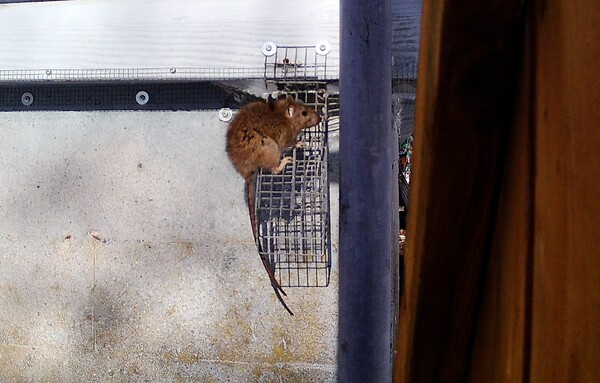
Rat activity should never be treated as a minor nuisance. In Ajax, rats may move between garbage areas, stormwater systems, sheds, restaurants, garages, basements, and wall voids before entering occupied spaces. This creates risks for families, employees, customers, pets, and property. Their droppings, urine, nesting materials, chewing, and parasites can affect indoor safety and sanitation, especially when rats nest near insulation, stored belongings, food areas, or ventilation pathways.
Disease Exposure: Rats can spread harmful bacteria and pathogens through droppings, urine, saliva, and contaminated surfaces. Food storage areas, kitchen spaces, pantries, and commercial waste zones should be inspected quickly when activity is suspected.
Airborne Contaminants: Dry droppings, nesting debris, and urine-soaked materials can release particles into the air when disturbed. Attics, crawl spaces, basements, and wall voids may require professional decontamination to reduce exposure risks.
Parasites: Rats can carry fleas, mites, ticks, and other parasites that may transfer to pets, people, or indoor areas. Removing the rats is only part of the solution; contaminated nesting areas must also be addressed.
Attic and Insulation Soiling: When rats nest indoors, they can compress insulation, soil materials, and leave odours that attract more rodents. Cleaning and restoring affected areas helps protect indoor air quality and long-term property value.
Choose Guaranteed Rat Control for Your Property
Rats are persistent, intelligent, and quick to return when a property is not properly protected. Other companies may remove visible activity or provide short-term treatments, but if entry points, nesting areas, contamination, and attractants are not addressed, the problem can come back. Skedaddle Humane Wildlife Control takes a more comprehensive approach to rat control in Ajax by removing rats humanely, cleaning affected areas, and wildlife-proofing your home or business to prevent future entry.
When you choose Skedaddle, you are choosing over 30 years of proven experience, humane removal methods, customized solutions, and long-term prevention, all backed by our lifetime workmanship guarantee. Our technicians do not just respond to rat activity; they identify the reasons it is happening and take the steps needed to prevent rodents from returning. If you have seen droppings, burrows, gnaw marks, greasy rub marks, or heard scratching in your walls, now is the time to act.
Book your rat control assessment with Skedaddle today to protect your home, business, family, staff, and customers with a humane solution that lasts. With Skedaddle, you can feel confident knowing your property is protected, and you will not need to worry about rodents coming back again.

Are Rats Living In Your Backyard? The Warning Signs

The Role of Weather Changes in Driving Rodents Indoors
Address a Rat Infestation Quickly With Wildlife Removal
Frequently Asked Questions About Rats in Ajax
Early signs of rat activity often include droppings, gnaw marks, greasy rub marks, burrows, scratching sounds, and damaged insulation or stored materials. In Ajax, these signs may appear around garages, sheds, decks, garbage storage areas, basements, crawl spaces, and foundations. Because rats are mostly active at night, homeowners may notice evidence before seeing the animals themselves. A professional inspection can confirm whether the activity is active, how rats are moving, and where they may be nesting.
Rats are cautious, intelligent, and highly adaptable. They usually travel along walls, fence lines, foundations, laneways, vegetation, and utility pathways rather than crossing open spaces. In local neighbourhoods near creeks, parks, restaurants, commercial plazas, and waterfront green space, rats may move between outdoor food sources and sheltered nesting areas. Once they find reliable food, water, and protection, they can settle quickly and reproduce, making early prevention and humane removal important.
The timeline depends on the size of the problem, the number of entry points, property conditions, and whether rats are nesting indoors or outdoors. Many wildlife removals can be completed in one day, especially when inspection, removal, and exclusion work are straightforward. More complex infestations involving contamination, multiple access points, or large commercial properties may require a customized plan. Skedaddle provides a written quote so property owners understand the recommended solution before work begins.
Yes. Skedaddle focuses on humane, poison-free rat control that addresses the cause of the problem instead of relying on short-term trapping or harmful baiting. Our technicians inspect the property, remove activity using responsible methods, clean contaminated areas, and seal access points to prevent re-entry. This approach is safer for families, pets, customers, and non-target wildlife while providing lasting protection for homes and businesses in Ajax and surrounding Durham Region communities.
Yes. Although rats are often associated with basements, foundations, and burrows, they are strong climbers and may access roofs, soffits, vents, chimneys, fascia gaps, and attic spaces. Overhanging branches, utility lines, rough brick, downspouts, and exterior clutter can help them climb. Once inside an attic, rats can damage insulation, wiring, stored items, and ventilation areas. A full exterior inspection is important because roof-level entry points are easy to miss from the ground.
DIY rat control often deals only with visible activity and may not solve the source of the problem. Traps and store-bought bait can leave entry points open, miss hidden nesting areas, create odour issues, or expose pets and wildlife to risk. Professional rat control identifies how rats are getting in, removes contamination, seals vulnerable areas, and prevents return. Skedaddle’s service is designed for long-term protection backed by humane methods and a lifetime guarantee on workmanship.
CALL US TODAY
1.888.592.0387
OR
Request for Services

