






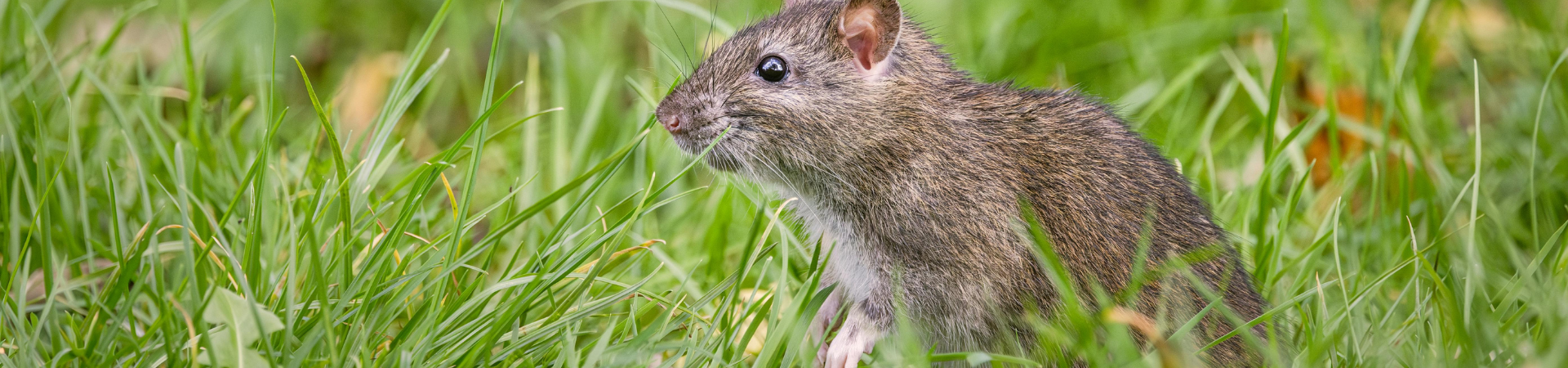


RAT REMOVAL PROCESS

Assess and Remove
Our 35-point inspection identifies entry points, nesting zones, and activity levels using thermal imaging technology. We then install one-way doors that allow rats to exit safely without re-entering, ensuring a humane and effective resolution.

Clear and Clean
After removal, we thoroughly decontaminate affected areas, eliminate pheromone trails, and address harmful bacteria. This step restores safety and reduces the likelihood of attracting new rodent activity into your home.

Prevent and Protect
We complete the process by sealing all entry points with heavy-duty galvanized steel screening. This rat-proofing approach ensures long-term protection and prevents future infestations from occurring.
Rats are a growing wildlife concern for homeowners throughout Kitchener, Ontario. From established neighbourhoods like Forest Heights and Stanley Park to newer developments in Doon and Huron Park, rats adapt easily to both urban streets and quieter residential areas. Their ability to squeeze through small gaps, reproduce quickly, and stay hidden inside structures makes them a serious issue that requires professional, humane intervention.
At Skedaddle Humane Wildlife Control, we’ve been helping homeowners protect their properties since 1989. With over 30 years of experience, our team specializes in humane rat removal solutions that last. From detailed inspections to full attic restoration, we create customized plans backed by a lifetime guarantee, helping ensure your home stays protected year after year.
Reliable Humane Rat Management for Lasting Results
Skedaddle uses a proven humane approach that combines thorough inspections, one-way exit devices, and complete home sealing. This process safely removes rats without the use of traps or poisons while ensuring they cannot return. Every service is tailored to the home and includes cleanup and restoration when required. With decades of experience across Ontario, we provide ethical, effective, and long-term solutions for rat infestations of all sizes.

What Drives Rat Activity in Kitchener Throughout the Year
Rat behaviour shifts with seasonal changes, but these animals remain active year-round. Understanding how their habits evolve helps homeowners identify risk periods and take preventative steps before infestations become severe.
Fall: Rat Entry Attempts Increase in Kitchener-Waterloo
Fall is one of the most active times for rat intrusion in Kitchener-Waterloo. As temperatures drop, rats search for warm, protected areas and test homes for weak spots around foundations, garage doors, vents and utility lines. Homes in Huron Park, Forest Hill and Chicopee often see more entry attempts at this time of year, along with properties in Forest Heights, Stanley Park, Doon and near Victoria Park. Homeowners commonly notice gnaw marks, droppings in basements and garages, and scratching inside walls at night.
Rats that get indoors in the fall can nest in wall voids and insulation, contaminate food and chew wiring through the winter. Leaf piles, firewood against the house, bird feeders and open garbage bins can draw them in. Skedaddle’s humane rat control in Kitchener-Waterloo focuses on finding how rats are getting in, removing them, cleaning contaminated areas and sealing entry points before winter.

Winter: Indoor Colonies Become Established
In winter, rats depend almost entirely on indoor environments to survive this city’s cold climate. Once inside, they remain active in hidden areas such as attics, insulation, and wall voids. While exterior activity may seem reduced, infestations inside often worsen as rats continue nesting and breeding. Damage can escalate due to constant gnawing and contamination. Winter infestations are typically well established, making early detection and professional removal essential for effective long-term control.
Spring: Population Growth Begins
Spring marks a noticeable increase in rat activity as temperatures rise and food becomes easier to access. This is a key breeding season, which can quickly lead to expanding populations around homes. Properties near creeks, parks, or wooded corridors often see more movement as rats search for nesting sites. Attics, wall cavities, and crawl spaces provide ideal shelter for raising young. Early action during spring helps prevent small activity from developing into a larger infestation later in the year.
Summer: Seeking Cooler Indoor Spaces
During warm summer months, rats often move indoors to escape the heat and maintain access to steady food sources. Homes offer cooler, more stable environments in basements, attics, and crawl spaces. Outdoor conditions such as overflowing garbage bins, compost, and pet food increase attraction to residential properties. Once rats find reliable shelter and food, they tend to remain and expand their presence. Without proper sealing and prevention, summer infestations can grow quickly and become harder to manage.
Why Kitchener Homes Are at Risk for Rat Entry
Many homes have structural features that make them vulnerable to rat entry, regardless of age or construction style. These weak points often go unnoticed until an infestation is already underway.
Common risk factors include:
- Gaps in roofing, soffits, and foundation lines
- Poorly sealed vents, chimneys, and utility openings
- Damaged or under-insulated attic spaces
- Readily available food sources like garbage or pet food
- Tree branches or overgrown landscaping near roofs
- Proximity to rivers, parks, and industrial areas
A mix of residential neighbourhoods, green spaces, and waterways creates ideal conditions for rat activity. Moisture, shelter, and food access all contribute to increased risk. Without routine inspection and professional sealing, these vulnerabilities can quickly lead to indoor infestations.

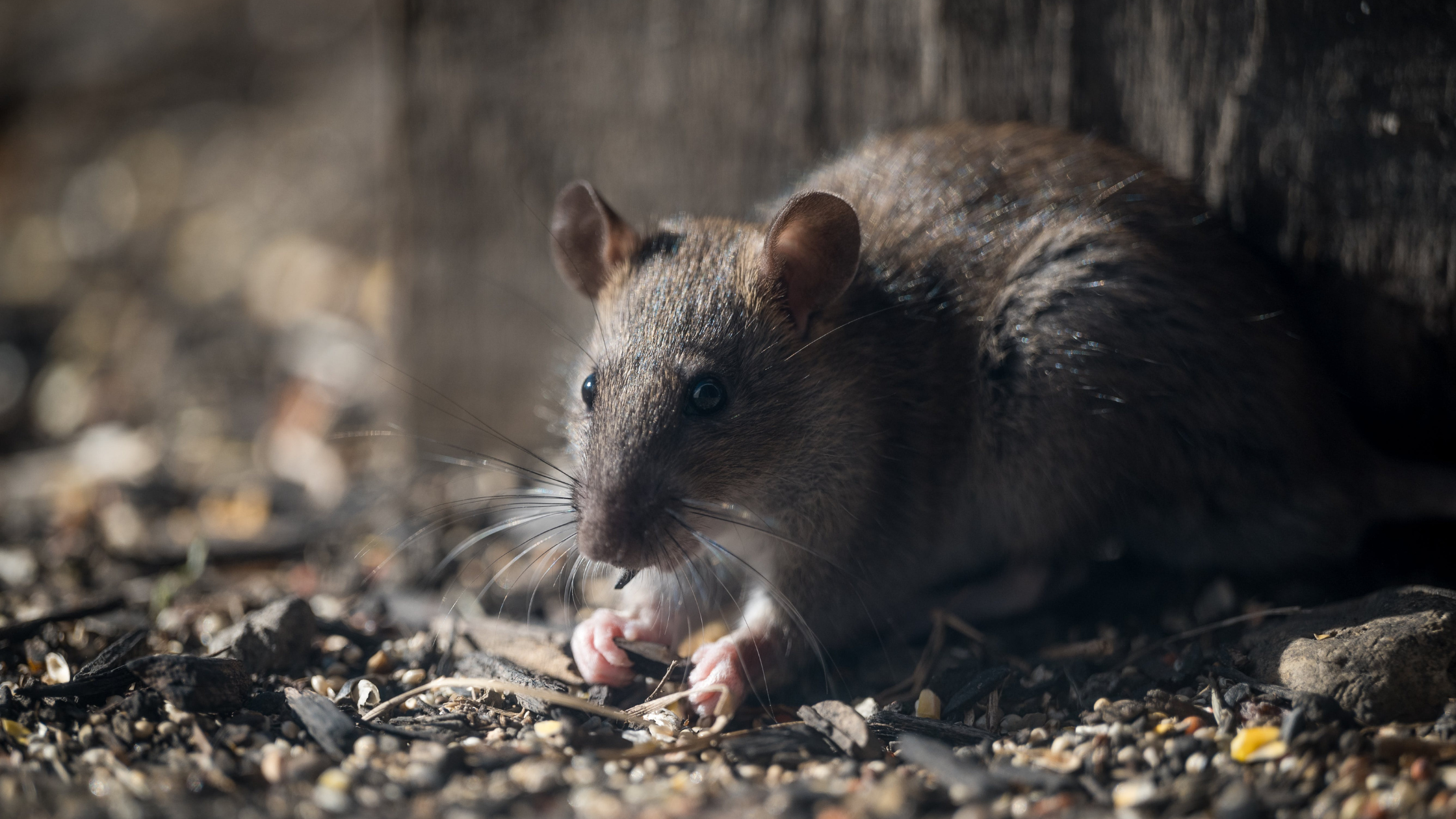
Early Indicators of Rat Activity Inside Your Home
Spotting the early signs of rats can help prevent a small issue from turning into a major infestation. Because rats are nocturnal and secretive, homeowners often notice subtle clues before seeing the animals themselves.
Common warning signs include scratching or movement in walls or ceilings at night, unusual odours, and small dark droppings in hidden areas such as basements or cupboards. Damage to stored food or insulation is another strong indicator of activity.
Additional signs include:
- Smudge marks along baseboards or travel paths
- Chewed wires, wood, or plastic materials
- Shredded nesting debris in hidden areas
- Pets focusing on walls or specific corners of the home
- Increased activity around garbage or storage spaces
How Skedaddle Handles Rat Removal Step by Step
Effective rat removal requires more than simply removing the animals. It demands a full process that addresses entry points, infestation control, and long-term prevention. Skedaddle uses a refined system developed over decades to ensure safe, humane, and lasting results for homeowners.
Step 1: Full Property Inspection
Every service begins with a detailed inspection of the entire property. Our technicians assess roofs, foundations, vents, and interior spaces to identify entry points and nesting sites. This allows us to understand the full extent of the infestation and develop a targeted removal strategy. A complete inspection ensures no hidden access points are missed and sets the foundation for a successful outcome.
Step 2: Humane Removal with One-Way Exits
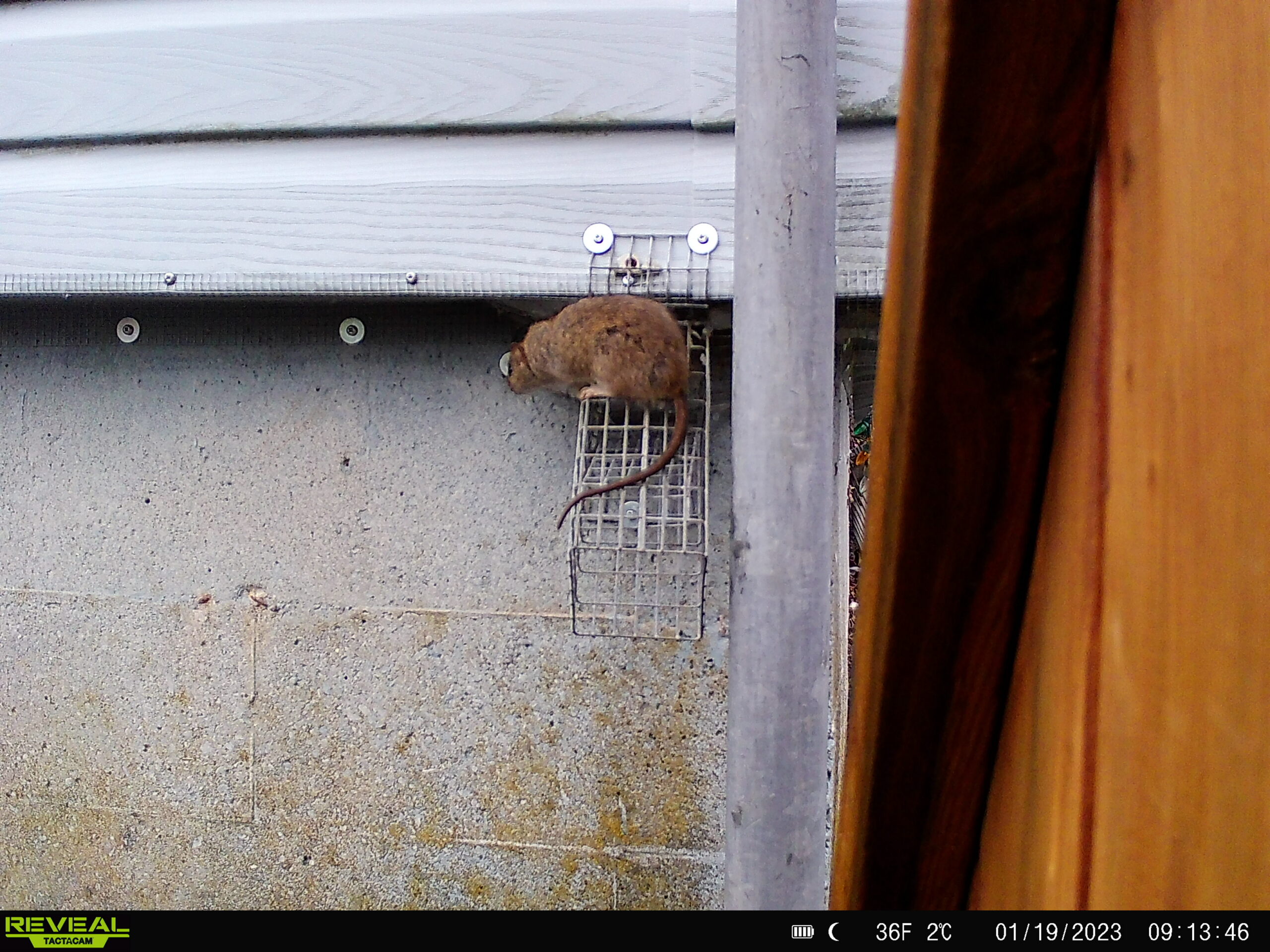
We install one-way exit devices that allow rats to leave the home safely while preventing them from re-entering. This method eliminates the need for traps or poisons and ensures a humane approach. It also avoids complications such as hidden carcasses inside the structure. This step focuses on safely and effectively clearing the infestation from the home.
Step 3: Complete Structural Sealing
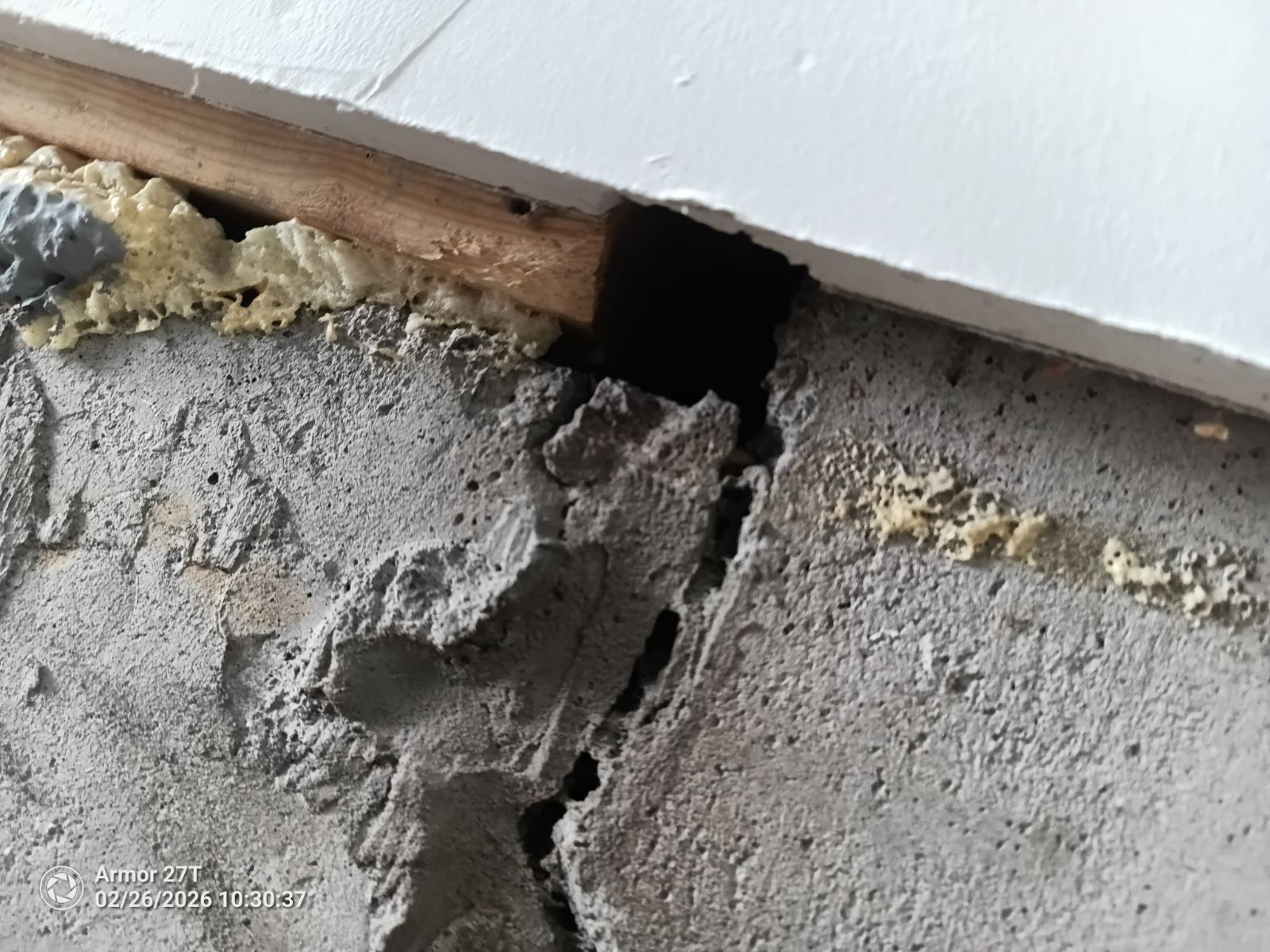
Once the rats are removed, all entry points are permanently sealed using durable, wildlife-resistant materials. This includes vulnerable areas such as rooflines, vents, and foundation gaps. Proper sealing is essential to preventing future infestations. By closing all access points, we ensure the home is no longer vulnerable or attractive to rats, providing long-term protection.
Step 4: Cleaning and Restoration Work
Rats leave behind contamination that can affect indoor air quality and overall safety. Our team removes droppings, nesting materials, and damaged insulation, followed by full sanitization of affected areas. When necessary, we restore attic insulation to improve energy efficiency and comfort. This step ensures the home is clean, healthy, and fully restored after the infestation.
Step 5: Final Inspection and Ongoing Guarantee
After all work is completed, we perform a final inspection to confirm the home is fully secured. We also provide a lifetime guarantee on all sealed areas, ensuring long-term protection. If rats attempt to re-enter through those points, we will address it. This final step reinforces our commitment to lasting, reliable solutions for homeowners.
Why Rat Infestations Require Immediate Attention
Rats can cause serious damage if left untreated inside a home. They chew through wiring, insulation, and structural materials, increasing the risk of fire hazards and expensive repairs. Their activity is often hidden, allowing damage to spread before homeowners notice.
Beyond structural damage, rats also pose health risks by contaminating surfaces with droppings and urine. This can impact indoor air quality and create unsanitary living conditions. As infestations grow quickly, professional intervention is essential to prevent long-term issues.
Protecting Homes with Humane Wildlife Solutions
Rat problems do not resolve on their own. They require professional, humane intervention to ensure complete removal and long-term prevention. With over 30 plus years of experience and a reputation built since 1989, Skedaddle Humane Wildlife Control proudly serves homeowners with trusted solutions.
Most removals can be completed in a single day, depending on the situation, and every service includes a customized plan and written quote. Whether you live near Victoria Park, Chicopee, or anywhere across Kitchener, our team is ready to help protect your home.
Contact Skedaddle today to begin a permanent solution.
Rats On Your Roof? Should You Be Concerned?

Rats In Your Commercial Kitchen? How Skedaddle Can Help!

Rat-Borne Diseases: How They Spread to Humans
Frequently Asked Questions About Rats in Kitchener
CALL US TODAY
1.888.592.0387
OR
Request for Services

