






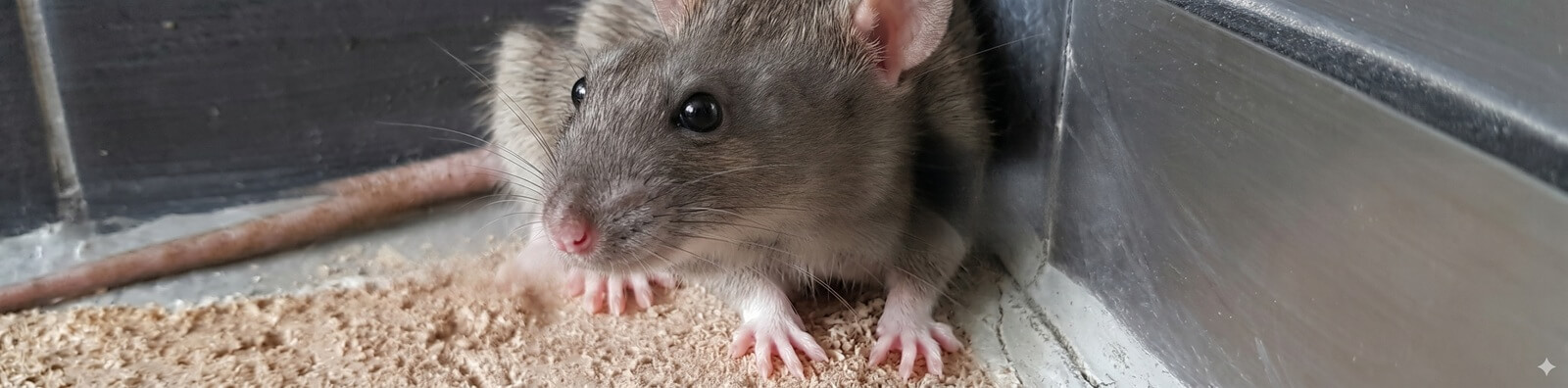


RAT REMOVAL PROCESS

Assess and Remove
Our London technicians perform a detailed inspection to identify rat entry points, nesting locations, and activity patterns throughout the property. Using humane removal methods and a customized strategy, we address the source of the infestation while preparing the home for long-term protection and exclusion.

Clear and Clean
After removal, we clear contaminated nesting materials, droppings, and debris from affected areas. This process helps restore attics, crawl spaces, and other concealed spaces while reducing odours, contamination concerns, and conditions that may attract future wildlife activity.

Prevent and Protect
We secure vulnerable entry points using durable exclusion materials designed to withstand rodent activity. Combined with customized recommendations, attic restoration services when needed, and qualifying lifetime guarantees, our prevention-focused approach helps protect London homes from recurring rat infestations.
Rats are highly adaptable rodents that can thrive in urban neighbourhoods, suburban developments, and areas bordering natural green spaces. In London, access to parks, rivers, mature neighbourhoods, and year-round food sources can create ideal conditions for rat activity. Once rats establish themselves near a property, they often begin searching for opportunities to enter homes, garages, sheds, and commercial buildings.
Whether you live in Byron, Masonville, Old North, Hyde Park, Westmount, Summerside, Wortley Village, or near landmarks such as Victoria Park, Western University, Springbank Park, or the Thames River, rat activity can become a concern. Founded in 1989, Skedaddle Humane Wildlife Control brings more than 30 years of experience to every service, providing humane rat removal solutions backed by customized plans, written quotes, attic restoration services, and qualifying lifetime guarantees.
Humane Rat Removal Services Built for Long-Term Success
Skedaddle provides humane rat removal services that focus on eliminating active infestations while helping prevent future activity. Every service begins with a detailed inspection and customized removal plan tailored to the property. Most rat removal projects can be completed in as little as one day, depending on the complexity of the situation. Homeowners receive a written quote outlining the recommended work and associated costs before service begins.

How Rat Behaviour Changes Throughout the Year
Summer: Prime Conditions for Rat Population Growth in London
Summer provides rats in London with easy access to food, water and shelter, making it one of the most active seasons for population growth. Gardens, compost bins, bird feeders, outdoor dining areas, pet food and waste storage can all attract rat activity around residential and commercial properties. As populations expand, younger rats begin searching for new territories and may move closer to decks, sheds, garages, foundations, fences and landscaped areas.
Homeowners may notice burrows, droppings, gnaw marks, grease trails or nighttime movement around the exterior of the property. Small gaps around utility lines, vents, foundation cracks and garage doors can also become entry points if rats find a reliable food source nearby. Skedaddle’s humane rat control in London focuses on identifying activity, removing contamination and protecting vulnerable areas with long-term prevention. By securing attractants and addressing entry points early, property owners can reduce summer rat problems before they spread.

Autumn: Preparing for Colder Weather
As temperatures cool, rats begin searching for reliable indoor shelter. Small openings around foundations, rooflines, vents, utility penetrations, and siding become increasingly attractive. Homes near parks, rivers, and wooded areas often experience increased pressure as rats prepare for winter conditions.
Winter: Remaining Active Indoors
Rats do not hibernate and remain active throughout winter. Heated homes provide warmth, nesting opportunities, and protection from harsh weather. Once inside, rats may establish themselves in attics, wall cavities, basements, crawl spaces, and storage areas where they can continue feeding and nesting throughout the season.
Spring: A Season of Increased Activity
As temperatures begin to rise, rats become more active throughout London. Spring rains can flood outdoor burrows, encouraging rats to move closer to homes, garages, sheds, and crawl spaces. This is also a key breeding period, allowing local populations to grow as food and shelter become more readily available.
Why Certain London Properties Attract Rats
Some property features naturally create favourable conditions for rat activity.
Common attractants include:
- Bird feeders and spilled seed
- Compost bins and food scraps
- Unsecured garbage and recycling containers
- Outdoor pet food and water bowls
- Dense landscaping near foundations
- Wood piles and outdoor storage materials
- Standing water and moisture issues
- Gaps around doors, vents, and utility lines
- Cluttered garages, sheds, and storage areas
While these conditions may encourage activity, professional exclusion is often necessary to prevent rats from entering the structure.
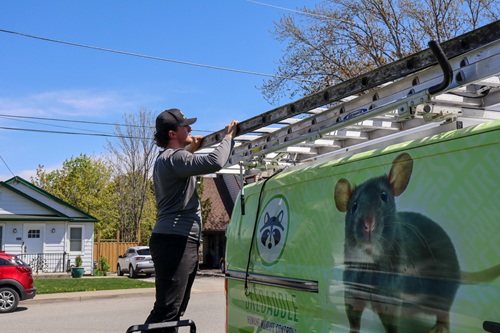

Early Indicators of Rat Activity
Rat infestations often begin quietly before becoming noticeable.
Common warning signs include:
- Scratching or movement sounds in walls or ceilings
- Droppings in attics, basements, garages, or storage spaces
- Gnaw marks on wood, insulation, wiring, or plastic
- Grease marks along travel routes
- Nesting materials hidden in secluded locations
- Strong odours from concealed spaces
- Rat sightings around the property
- Increased activity near food storage or waste areas
A professional inspection can identify the extent of activity and determine how rats are accessing the property.
Skedaddle’s Humane Rat Removal Process
Every rat infestation is unique. That’s why our team develops a customized removal plan for every London property.
Complete Property Evaluation
Our technicians begin with a comprehensive inspection of the home and surrounding property. Attics, basements, crawl spaces, garages, rooflines, and exterior areas are assessed for signs of activity, nesting locations, entry points, and damage. This information helps us understand the scope of the infestation and develop an effective solution.
Identifying Access Points
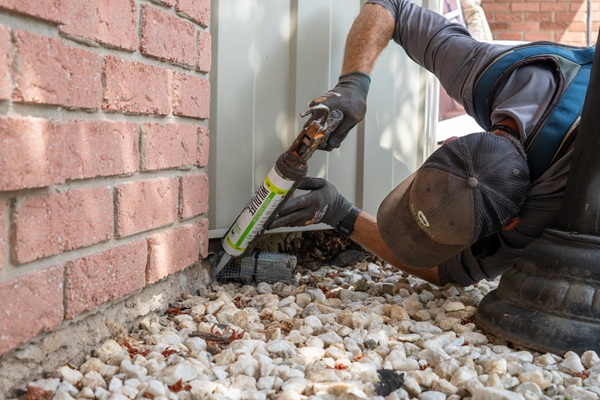
Rats can enter through surprisingly small openings. During this stage, we identify vulnerabilities around foundations, vents, utility penetrations, siding, roof intersections, and other structural features. Understanding how rats gained access is essential to achieving a long-term solution.
Humane Removal Strategy
Once activity has been documented, we implement a humane removal strategy tailored to the property. Skedaddle does not use trapping, relocation, or inhumane methods. Instead, we focus on resolving the infestation safely while preparing the home for professional exclusion work.
Securing Vulnerable Areas
After removal, vulnerable access points are professionally reinforced using durable exclusion materials. Areas that may allow future entry are secured to reduce the likelihood of recurring activity. This step is critical because long-term protection depends on preventing re-entry.
Restoration and Long-Term Prevention
The final phase focuses on restoring affected areas and reducing future risks. Attic restoration services may be recommended if insulation or building materials have been impacted. We also provide prevention recommendations and qualifying lifetime guarantees that help homeowners maintain long-term protection.
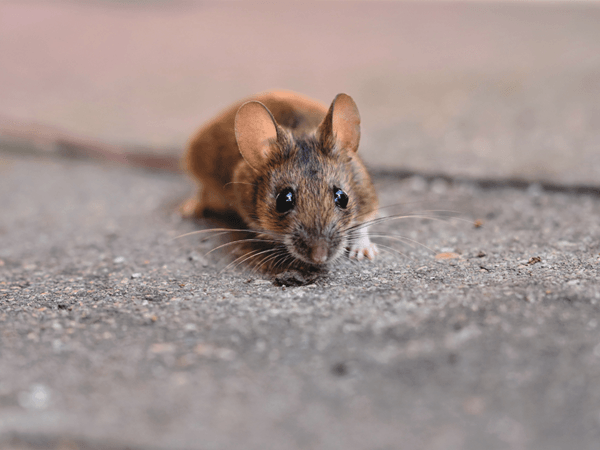
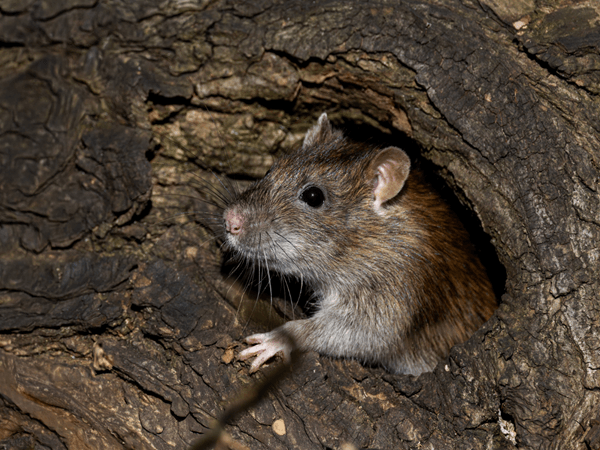
Why Rat Activity Inside a Home Should Be Addressed Quickly
Once rats gain access to a structure, they can begin causing damage immediately. Their constant chewing can affect insulation, wood framing, drywall, and electrical wiring throughout the home.
Because rats often remain hidden inside walls, attics, basements, and crawl spaces, infestations may continue unnoticed for extended periods. During that time, nesting materials and contamination can accumulate.
As activity increases, so does the potential for property damage and restoration needs. What begins as a small problem can quickly become a larger issue if left unresolved.
Professional removal and exclusion focus on addressing both the infestation and the conditions that allowed it to occur.
Restore Confidence with Humane Rat Removal
Rat activity can create stress and uncertainty for homeowners. Professional removal services help resolve the immediate issue while providing long-term protection against future infestations.
Since 1989, Skedaddle Humane Wildlife Control has provided humane wildlife removal services built around prevention, restoration, and customized solutions. Contact our London team today to schedule an inspection and learn more about our written quotes, attic restoration services, and prevention-focused approach.

Rats are in My Car, What Do I Do?
How Norway Rats Tunnel Beneath Homes to Escape the Cold
Skedaddle for Businesses: Our Serious Approach to Rat Control
London Rat FAQs: Did You Know?
Yes. Damaged roof vents, loose vent covers, and deteriorating roofline components can provide opportunities for rats to enter a home. Rats are strong climbers and can access elevated areas using trees, utility lines, fences, and structural features. Professional inspections help identify these vulnerabilities before they become serious problems.
Areas near rivers and waterways can sometimes experience increased rat activity because these environments provide reliable access to water, shelter, and travel corridors. While properties near the Thames River may encounter more wildlife pressure, rats can establish themselves anywhere food, water, and shelter are available.
Rats often compress, tunnel through, and contaminate insulation while building nests. Over time, this can reduce the effectiveness of the insulation and create restoration needs. Attic restoration services may be recommended when insulation has been significantly impacted by rat activity.
Yes. Rats can travel through shared walls, attics, utility spaces, and connected structural features. In attached housing developments, activity that begins in one unit can sometimes spread to neighbouring units if vulnerabilities remain accessible. Professional inspections help identify potential movement pathways.
Every property presents different challenges. Factors such as building design, infestation size, surrounding habitat, entry points, and restoration needs all influence the best course of action. A customized removal plan ensures the solution is tailored to the specific conditions affecting the property, resulting in more effective long-term protection.
CALL US TODAY
1.888.592.0387
OR
Request for Services

