






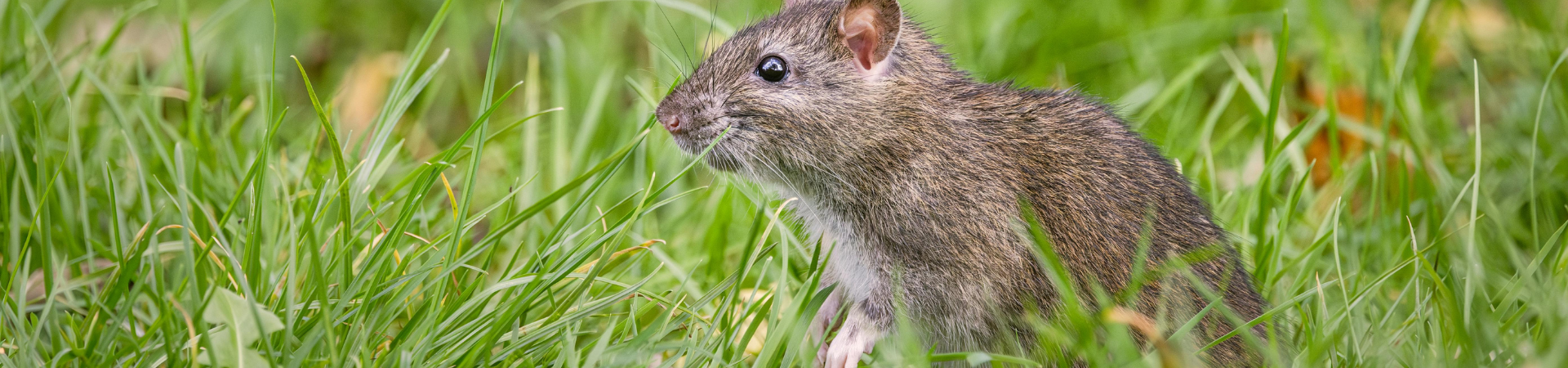


RAT REMOVAL PROCESS

Assess and Remove
Skedaddle’s 35-point assessment uses thermal imaging to pinpoint nesting sites and entry points from foundation to roof. We then install specialized one-way doors, allowing rats to exit humanely while blocking re-entry. This professional approach ensures your home is cleared of the colony without using harmful poisons or traps.

Clear and Clean
After removal, Skedaddle sanitizes your home to eliminate health risks from droppings, urine, and nesting debris. We professionally disinfect and deodorize affected areas, removing harmful bacteria and pheromones that attract future colonies. Our team ensures your living environment is restored to a safe, clean, and healthy state.

Prevent and Protect
To prevent future infestations, Skedaddle seals all entry points using durable, chew-proof materials. We “rat-proof” your home by reinforcing vulnerabilities and educating you on eliminating food and water sources. Our long-term exclusion strategies provide lasting peace of mind, ensuring your property remains secure against returning rodents.
Skedaddle provides professional, humane rat removal and exclusion services to protect your property from the health risks and structural damage caused by rodents.
Proven Results: Trusted by homeowners for over 30 years.
Full Coverage: Serving Oshawa, Pickering, Ajax, Whitby, Bowmanville, and all surrounding rural communities.
As the Durham Region continues to grow, urban centers like Oshawa and Pickering have seen an increase in rat activity due to densification and proximity to Lake Ontario. Whether you are dealing with Norway rats in a downtown Whitby storefront or roof rats in a suburban Ajax attic, these resilient rodents require more than just a quick fix.
In more rural areas like Bowmanville, rats often migrate from farmland into barns and crawlspaces seeking shelter. Our team understands the unique architecture of homes, from heritage buildings to modern developments, ensuring every entry point is sealed and your property remains protected year-round.
What time of year is worst for rats?
While rats are a year-round problem, the fall and winter months are typically the “worst” for homeowners. As temperatures drop in late September and October, rats actively seek warm, insulated nesting sites to survive the frost, leading to a surge in indoor infestations. During these colder months, their food sources outdoors become scarce, driving them to enter homes and businesses in search of scraps and shelter. However, spring also sees a spike in activity as breeding cycles peak, making professional exclusion vital year-round.

Rat Activity Throughout the Seasons
Understanding the seasonal patterns of rats in the Durham Region is essential for effective prevention. While these rodents are active year-round, their motivations and behaviours shift as the weather fluctuates between humid lakefront summers and freezing Ontario winters.
Spring: Peak Breeding & Re-emergence
As the snow melts, rat activity hits a critical peak. Spring is the most significant season for homeowners to be vigilant because it marks the primary breeding surge. After surviving the winter indoors or in deep burrows, rats take advantage of the warming temperatures and increased food availability to expand their colonies.
During this time, you may notice increased activity in your garden or near bird feeders as they forage for high-energy snacks. Female rats are looking for safe, quiet places to rear their young—often choosing spaces under decks, inside sheds, or within the secluded corners of your crawlspace. Because a single pair of rats can produce dozens of offspring in just a few months, spring is the most vital time for professional exclusion to stop an infestation before it multiplies exponentially.

Summer: Outdoor Expansion
In the summer months, rats often move slightly further away from the main structure of the home to take advantage of gardens, fruit trees, and unsealed garbage bins. With the abundance of outdoor resources, they are highly active at night. However, this is also when they are scouting for “backup” shelters. If your home has gaps in the brickwork or loose soffits, they will treat these as temporary cool spots to escape the midday heat, establishing a scent trail they will follow back when the weather turns.
Fall: The Great Migration
As the harvest ends in the rural areas of Clarington and the air turns crisp in Ajax, rats begin their “great migration” back toward the warmth of human dwellings. They are driven by a biological urge to find a stable heat source and a consistent winter food supply. During September and October, Skedaddle sees a massive spike in calls as rats begin gnawing at weather stripping and forcing their way through vents to secure their winter nesting grounds.
Winter: Indoor Persistence
Throughout the winter, rats are rarely seen outside. Instead, they remain tucked away in the “hot zones” of your home—attics, basements, and behind large appliances. Because food is scarce outdoors, they become much bolder in their attempts to access your pantry or kitchen. In winter, the damage is often internal, as they chew through wires to stay warm and through soil insulation, significantly reducing your home’s energy efficiency.
Why Rats Choose Durham Homes and Businesses
Durham Region’s unique geography, a mix of dense lakefront urban centers like Pickering and Ajax, and the sprawling agricultural lands of North York and Scugog, creates a perfect environment for rat populations to flourish. The abundance of food processing facilities, busy restaurant districts, and a mix of heritage and modern residential infrastructure provides these rodents with a “buffet” of resources. Rats are biologically opportunistic; they choose properties because our buildings offer the three essentials they need to survive: consistent warmth, reliable water sources from our proximity to Lake Ontario and local river systems, and easy access to high-calorie food from gardens, waste bins, and bird feeders.
Once the temperature drops or the harvest season ends, rats transition from outdoor burrows to the structural safety of human buildings. They exploit the smallest vulnerabilities—from foundation gaps in older Whitby homes to loose roof vents in new Clarington developments to establish a nest. Because Durham provides such a high-quality habitat, rats rarely leave on their own once they have moved in.
- Exploiting cracks, gaps, and soft building materials to gain entry
- Attracted to pet food, gardens, and unsealed residential waste
- Utilizing natural ravines and sewer systems as travel corridors
- Seeking the consistent heat of attics and crawlspaces during Ontario winters
- Choosing quiet, undisturbed wall voids to raise large litters
What to Watch For
If your property is becoming a favourite for local rodents, you’ll likely see the signs before you see the rats. Look for dark, oily “smudge marks” along your foundation or baseboards, which are left behind as rats navigate their preferred routes. Keep an ear out for heavy scratching or scurrying sounds in the ceiling after dark, and check for active burrows in the soil near your home’s exterior walls or under decks.
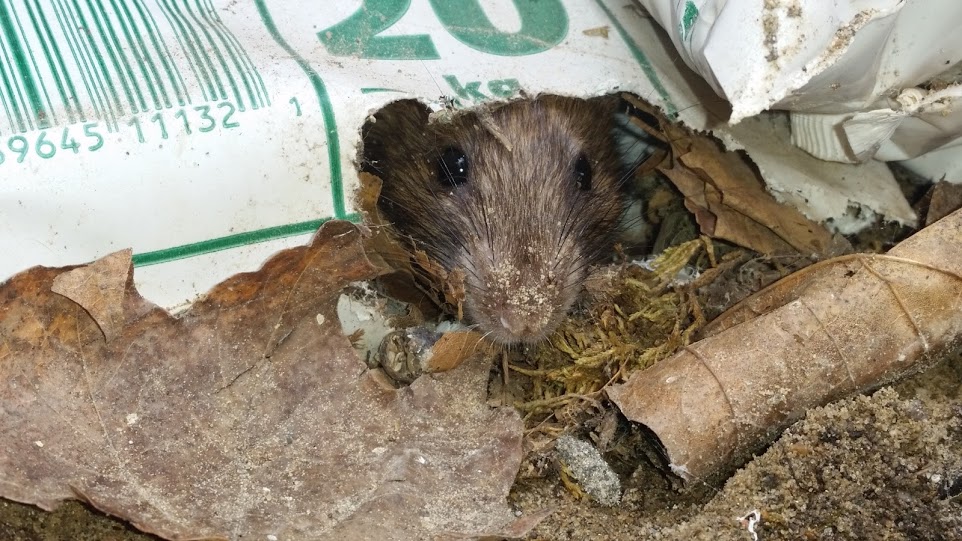

Signs You Have Rats In or On Your Property
Identifying a rat infestation early is the best way to prevent extensive structural damage and health risks. Residents should remain vigilant for these common indicators, as rats are masters of concealment and often remain hidden until their population has significantly grown.
- Audible Scratching and Scurrying – Rats are nocturnal, so you are most likely to hear heavy thumping, scratching, or running sounds within walls, ceilings, or floorboards during the night.
- Fresh Droppings – Look for dark, moist, capsule-shaped droppings (approx. 12–19mm long). They are typically found in clusters along baseboards, in pantries, or near nesting sites like the attic.
- Greasy Rub Marks – Rats have oily fur; as they travel the same paths along walls and floorboards, they leave behind dark, smudge-like stains that indicate high-traffic “rodent highways.”
- Gnaw Marks and Damage – Check for holes in food packaging, chewed electrical wires, or teeth marks on wooden structures. Rats must gnaw constantly to file down their teeth, often targeting hard plastic or wood.
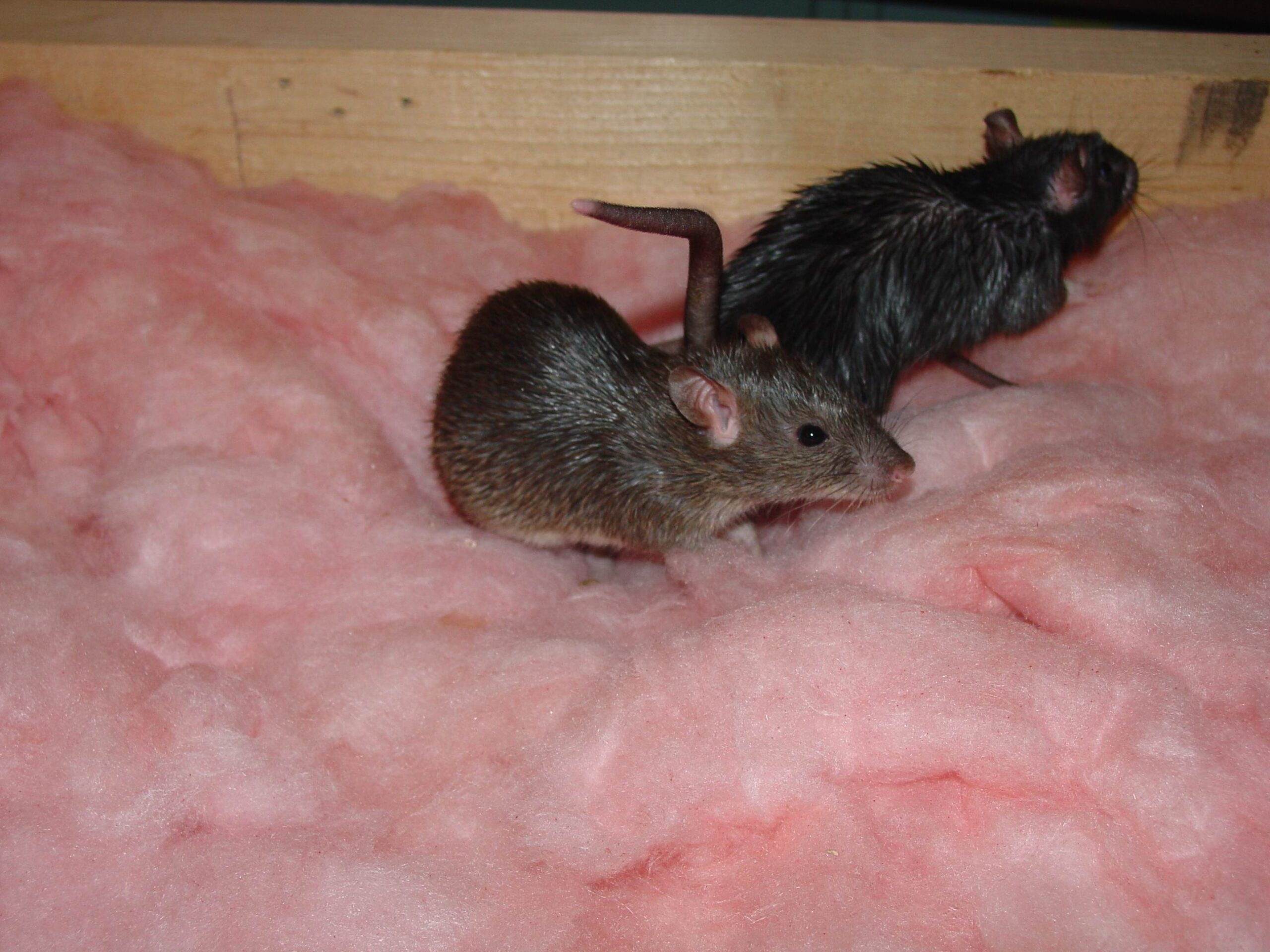
- Burrows and Nesting Material – Outdoors, look for entry holes in the soil near foundations or under decks. Indoors, look for shredded insulation, paper, or fabric piled in quiet, dark corners.
Recognizing these signs early can save you from costly repairs and potential health hazards. If you notice even one of these indicators, it is likely that a colony is already establishing itself. Our technicians specialize in identifying these subtle clues and can provide a comprehensive assessment to determine the full extent of the activity on your property.
Our Humane Process For Rat Removal in Durham
At Skedaddle, we don’t just address the symptoms of a rat infestation; we solve the root cause. Our proven three-step process is designed to humanely remove rodents from your property and ensure they stay out for good, protecting your home and health.
1. Inspect & Remove
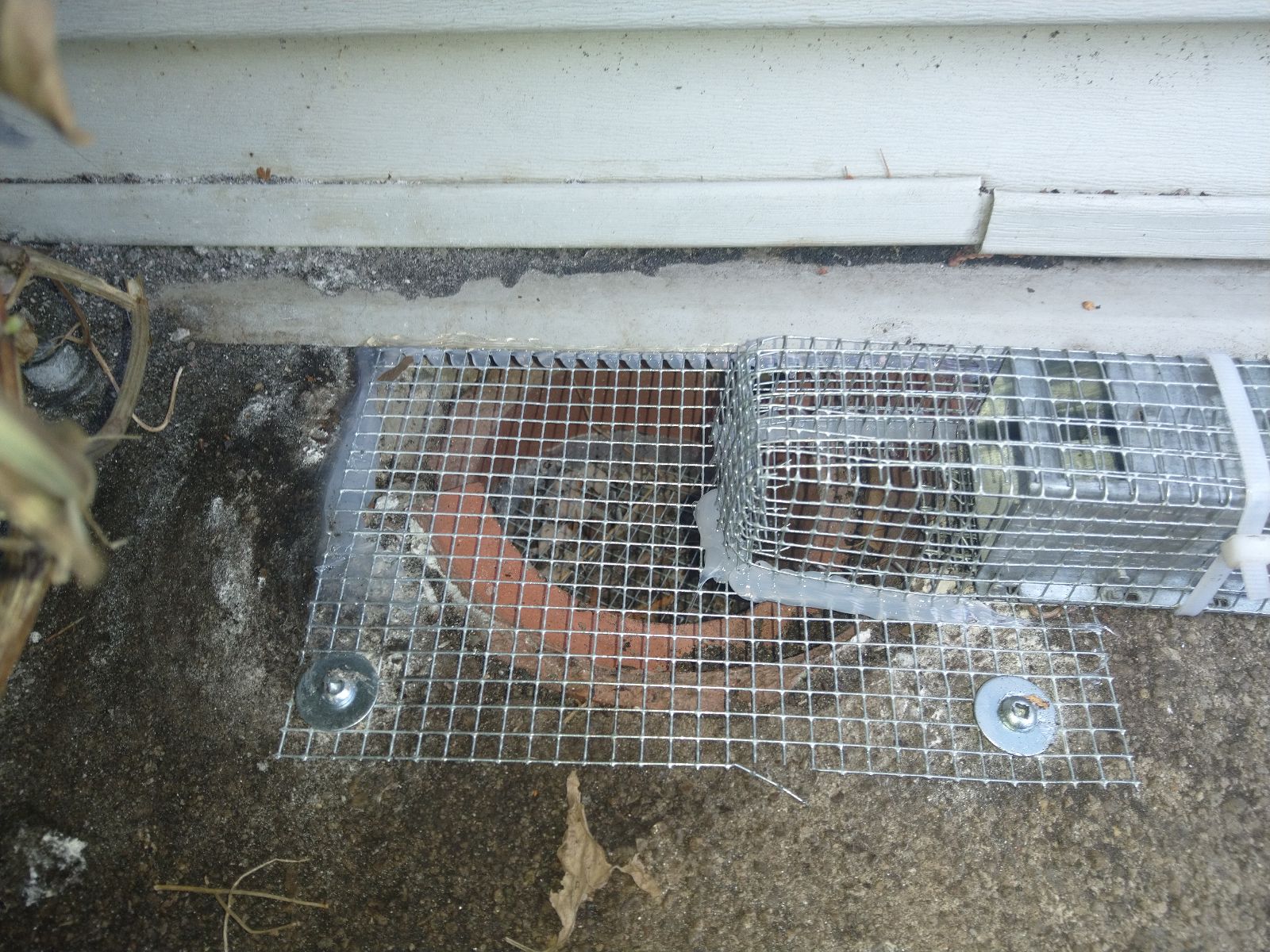
Our process begins with a comprehensive, 35-point inspection of your property, from the foundation to the roofline. Our technicians identify high-traffic areas and current entry points used by rats. Unlike traditional pest control that relies on inhumane traps or poisons—which often result in rodents dying inside your walls—we utilize one-way doors. These specialized devices allow rats to exit the building to find food or water but prevent them from re-entering. This method ensures that the entire colony is humanely relocated without leaving decaying carcasses behind, which can cause foul odours and secondary pest problems.
2. Clear & Clean
Once the rats are safely excluded, the focus shifts to decontamination. Rats leave behind urine, droppings, and nesting materials that carry dangerous pathogens and pheromones. These pheromones act as a “welcome sign” for other rodents, attracting new colonies to your home. Our team wears professional-grade protective equipment to remove soiled insulation and sanitize the affected areas using hospital-grade disinfectants. This critical step restores your home’s air quality and removes the biological markers that invite future infestations, ensuring your attic or crawlspace is as clean and safe as it was before the intrusion.
3. Prevent & Protect
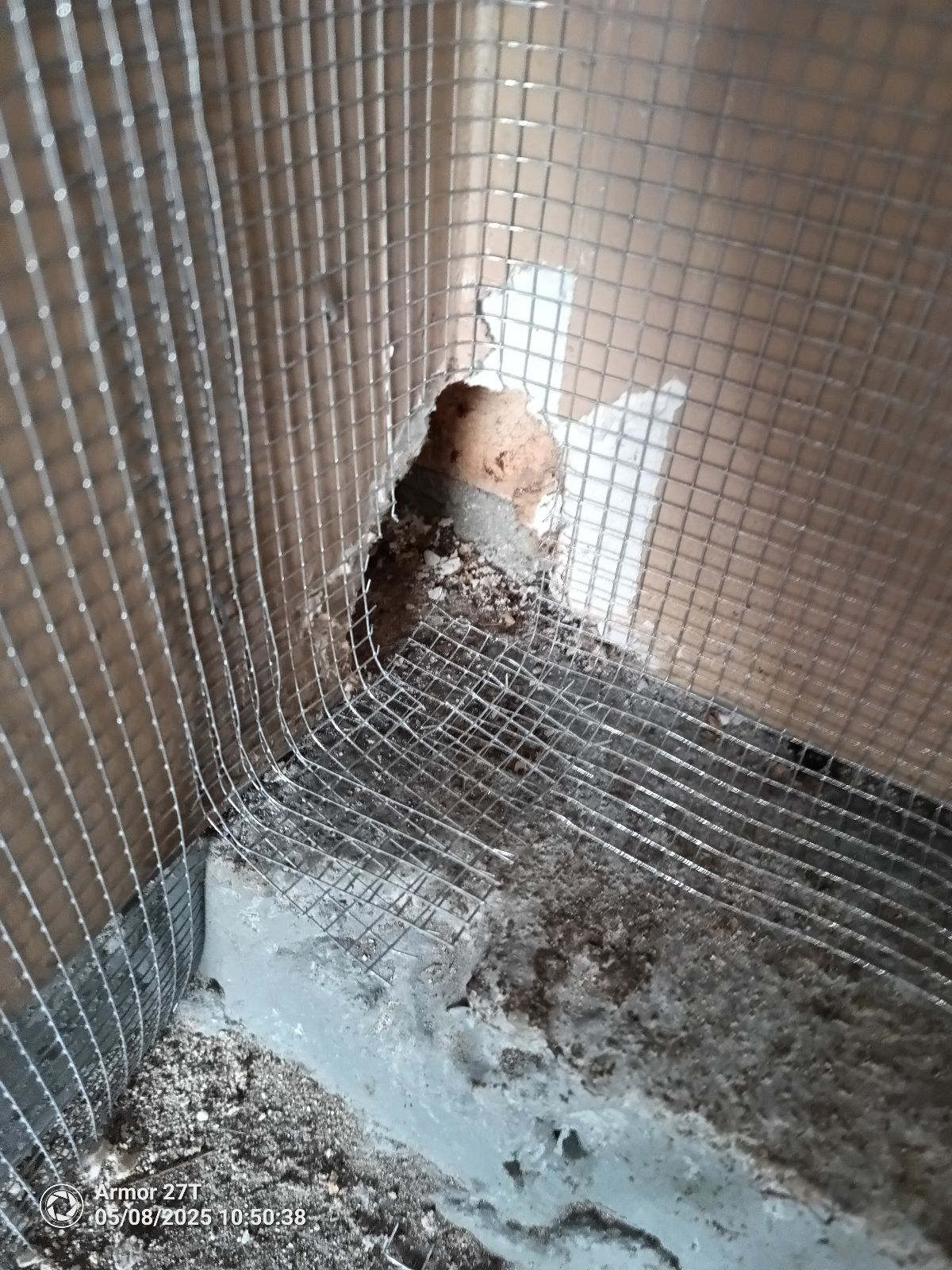
The final and most important step is ensuring the rats can never return. We go beyond the initial entry points, proactively sealing every vulnerability we identified during our inspection. We use heavy-duty, chew-proof materials like galvanized steel screening and specialized sealants that rats cannot gnaw through. We focus on common problem areas such as weep holes, roof vents, and plumbing stacks. Because we are confident in our exclusion techniques, we back our work with a lifetime guarantee on the areas we protect. You can rest easy knowing your home is shielded against the persistent nature of the rodent population.
Local Health & Safety Risks of Rats
Living alongside rats is more than just a nuisance; it is a significant health risk for your family and pets. Rats are known carriers of various pathogens that can spread through direct contact or simply by inhabiting the same structure. Because they frequently travel through sewers and waste before entering your home, they bring bacteria into your living spaces, contaminating surfaces, food, and the very air you breathe.
- Disease Transmission (Salmonella & Leptospirosis): Rats spread bacteria like Salmonella and Leptospirosis through their urine and droppings. These can contaminate kitchen counters and pantries, leading to severe gastrointestinal distress or even kidney and liver issues if left unaddressed.
- Airborne Contaminants: As rat waste dries in attics or crawlspaces, microscopic particles can become airborne. Inhaling this dust can trigger allergies, asthma, and in some cases, serious respiratory illnesses like Hantavirus, which is a growing concern in Ontario.
- Parasite Exposure: Rats often carry secondary pests like fleas, ticks, and mites. Once a rat enters your home, these parasites can detach and migrate into your carpets and furniture, posing a direct threat to your household pets and family members.
- Attic & Insulation Soiling: Beyond the smell, urine-soaked insulation creates a breeding ground for mould and bacteria. This biohazard reduces your home’s energy efficiency and requires professional remediation to ensure the air circulating through your vents is safe.
Don’t let a rat infestation compromise the safety and comfort of your home. With Skedaddle’s proven, humane approach and lifetime workmanship guarantee, you can rest easy knowing your property is protected by the best in the business. Our team is ready to help you reclaim your space and prevent future intrusions for good.
Are Rats Living In Your Backyard? The Warning Signs
Rats In Your Garage? How To Deter Rodents And Protect Your Home
Durham Wildlife Removal: How Many Rats is Considered an Infestation?
Frequently Asked Questions
The easiest way to distinguish between the two is by the size of their droppings. Mouse droppings are small, like grains of rice, while rat droppings are much larger, roughly the size of a black bean with tapered ends. You may also notice “rub marks”—dark, greasy stains along baseboards caused by the oils in a rat’s fur—and larger gnaw marks on wood or plastic pipes that a smaller mouse wouldn’t be capable of making.
Generally, most standard Ontario home insurance policies do not cover rodent removal or the damage they cause, as insurers view pest control as a part of routine home maintenance. However, there are rare exceptions if the rodents cause a “secondary peril,” such as chewing through a wire that leads to a fire or a pipe that causes a sudden flood. It is always best to check your specific policy or speak with your broker.
The timeline varies based on the size of the colony and the complexity of your home’s architecture. Typically, once our one-way doors are installed, it takes approximately one to four weeks for all rats to exit the structure. Because Skedaddle focuses on permanent exclusion rather than temporary trapping, we also perform follow-up inspections to ensure all entry points are sealed and that no new activity is detected before finalizing the job.
Absolutely. Poisons and traps only address the rats currently inside and often lead to rodents dying in inaccessible areas like wall voids, creating terrible odours and health hazards. Humane exclusion with Skedaddle is a permanent solution; we remove the current population safely and then “rat-proof” the entire building. By sealing every possible entry point with steel screening, we ensure that new rats cannot move in to take the place of the old ones.
Rats, particularly Roof Rats, are excellent climbers and can easily access your home via overhanging tree branches, power lines, or downspouts. Once they reach the roof, they can squeeze through gaps as small as 12 millimetres (about the size of a quarter) in soffits, vents, or roof intersections. This is why our 35-point inspection covers your entire property from the ground all the way to the peak of your roofline.
DIY methods like peppermint oil, ultrasonic plug-ins, or hardware store traps rarely solve the root of the problem. Rats are highly intelligent and “neophobic,” meaning they are wary of new objects in their environment, often making traps ineffective. Professional removal by Skedaddle ensures that the biological markers (pheromones) are cleaned and the structural vulnerabilities are sealed with professional-grade materials, providing a long-term solution that DIY efforts simply cannot match.
CALL US TODAY
1.888.592.0387
OR
Request for Services