









RAT REMOVAL PROCESS

Assess and Remove
Skedaddle starts with a detailed 35-point inspection using thermal imaging to locate rat activity, nesting areas, and entry points. Our technicians create a customized removal plan and install one-way doors where appropriate to help rats exit safely while preventing them from getting back inside.

Clear and Clean
Once rats are removed, our team cleans and decontaminates affected areas to reduce risks from droppings, urine, nesting materials, bacteria, and odours. This step also helps remove pheromone trails that can attract future rat activity, making your home or business safer.

Prevent and Protect
To help stop rats from returning, Skedaddle seals vulnerable entry points with durable materials such as galvanized steel screening. Our rat-proofing process targets gaps around foundations, vents, utility lines, and other access areas to provide long-term protection for your property.
Protect your Toronto home or business with professional, humane rat removal that focuses on safe removal, cleanup, and long-term prevention.
With over 30 years of experience, Skedaddle Humane Wildlife Control serves Toronto communities, including The Beaches, Danforth, Etobicoke, North York, Scarborough, and surrounding areas, backed by our lifetime guarantee.
Toronto’s dense neighbourhoods, aging infrastructure, ravine systems, waterfront corridors, laneways, restaurant districts, and ongoing construction can all influence rat behaviour. When rats are displaced from underground spaces, sewer systems, or nearby developments, they often search for food, warmth, and shelter around homes and businesses. Property owners in areas like Leslieville, High Park, East York, and Midtown may notice burrows near foundations, droppings in garages, scratching behind walls, or activity around garbage storage areas. Rats are highly adaptable, and in a busy urban environment, small entry points and easy food sources can quickly turn into a larger problem.
Rat Removal and Prevention in Toronto
Skedaddle provides professional rat removal and control services in Toronto using a complete, humane process. Our team inspects the property to identify entry points, nesting areas, travel routes, and attractants before removing rats and preventing re-entry. We also clean contaminated areas, address odours and pheromone trails, and seal vulnerable gaps with durable materials. For homeowners and businesses, Skedaddle offers long-term protection supported by over 30 years of wildlife control experience and a lifetime guarantee.

Rat Activity Throughout the Seasons
Rat behaviour changes with the seasons, but the need for food, shelter, and safe nesting areas is constant. In an urban environment with ravines, laneways, older homes, commercial waste areas, and construction activity, rats can shift quickly from outdoor harbourage to indoor spaces when conditions change.
Summer: Food, Water, and Rapid Growth
In summer, rats take advantage of outdoor food and water. Backyard gardens, compost, pet food, patio dining, restaurant waste, and garbage storage areas can all attract activity. Young rats born in spring begin exploring, which can make sightings more noticeable around decks, fences, sheds, and alleyways.

Fall: Searching for Warmth Before Cold Weather
As temperatures drop, rats begin moving closer to buildings. Their biological drive shifts toward finding warmth, shelter, and reliable food before winter. Small gaps around foundations, vents, garage doors, utility lines, and damaged brickwork can become entry points.
Winter: Shelter and Survival Indoors
During winter, rats are more likely to stay hidden inside warm structures. Scratching sounds, droppings, chewed materials, and odours may become more noticeable as they nest near insulation, storage areas, and mechanical spaces.
Spring: Nesting Season Begins
Spring is a busy season for rats because warmer weather supports breeding and population growth. Female rats look for quiet, protected nesting sites near steady food sources, which can include garages, sheds, wall voids, crawl spaces, and cluttered storage areas. As activity increases outdoors, homeowners may notice burrows near foundations, gnaw marks, or droppings around waste bins.
Why Rats Choose Toronto Properties
Rats are incredibly resourceful, and Toronto gives them everything they need to survive: food, water, and shelter. The city’s mix of Lake Ontario shoreline, ravine systems, older residential neighbourhoods, dense commercial areas, laneways, parks, and ongoing construction creates ideal conditions for rats to move, hide, and nest. Garbage storage, restaurant waste, compost bins, bird seed, pet food, and fallen fruit can provide steady meals, while storm drains, utility lines, sheds, garages, crawl spaces, and foundation gaps offer protection from predators and weather. When construction, flooding, cold temperatures, or food scarcity disrupt outdoor nesting areas, rats often move closer to homes and businesses in search of safer harbourage.
- Easy Food Sources: Rats stay where meals are reliable, including garbage bins, compost, pet food, restaurant waste, bird feeders, and outdoor storage areas.
- Accessible Water: Leaky hoses, drains, puddling near foundations, downspout discharge, and nearby ravines or waterfront areas can help sustain rat activity.
- Structural Vulnerabilities: Small cracks, damaged vents, gaps under doors, broken masonry, and openings around utility lines can give rats access to hidden spaces.
- Thermal Protection: Garages, basements, crawl spaces, wall voids, sheds, and commercial storage rooms provide warmth and shelter during colder months.
- Safe Nesting Areas: Clutter, stacked materials, overgrown vegetation, decks, dense landscaping, and undisturbed corners give rats places to hide and raise young.
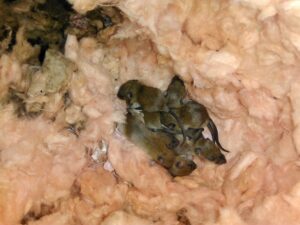
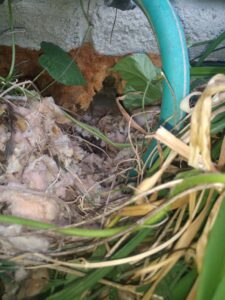
Early rat activity can be subtle. Look for dark smudge marks along walls, burrows near foundations or sheds, droppings in garages or storage areas, gnaw marks on wood or plastic, scratching sounds, disturbed insulation, and unusual odours. Catching these signs early helps prevent a larger infestation.

Subtle Clues That Rats Are Moving In
Early identification is key to preventing rat activity from spreading through your home, business, or surrounding property.
Additional signs include:
- Droppings in Hidden Areas: Small, dark droppings near walls, cupboards, garages, storage rooms, or garbage areas often indicate active feeding and travel routes.
- Gnaw Marks and Chewed Materials: Rats constantly chew to manage their teeth, leaving damage on wood, plastic bins, wiring, insulation, packaging, and food containers.
- Burrows Around the Property: Fresh holes near foundations, sheds, decks, gardens, or retaining walls can signal underground nesting close to reliable food sources.
- Greasy Smudge Marks: Rats follow repeated pathways, leaving dark rub marks along baseboards, walls, pipes, vents, and tight spaces they regularly squeeze through.
- Scratching or Movement Sounds: Noises behind walls, above ceilings, in garages, or near basement areas may point to rats nesting or travelling indoors.
Seeing one sign of rat activity often means there are more rats nearby, especially when food, water, and shelter are available. A professional assessment can identify the source of the problem, locate entry points, and help prevent the infestation from growing.
Our Humane Rat Removal Process
Skedaddle’s wildlife removal process is designed to solve the immediate rat problem while protecting your property from future activity. Our technicians look beyond the obvious signs to understand how rats are getting in, where they are nesting, and what conditions are keeping them there. With proven removal, cleanup, and prevention strategies, we help restore safety, comfort, and peace of mind.
Step 1: Inspect & Remove
Our team begins with a detailed 35-point inspection using tools like thermal imaging to locate activity, nesting areas, and entry points. We provide a written quote for customized solutions, then install one-way doors where appropriate. Most wildlife removals can be completed in one day.
Step 2: Clear & Clean
After removal, we clean and decontaminate affected areas to reduce health risks from droppings, urine, nesting materials, and bacteria. This step also helps remove odours and pheromone trails that can attract future rat activity, making your home or business safer and healthier.
Step 3: Prevent & Protect
To keep rats out, we seal vulnerable areas with durable materials such as galvanized steel screening. Our wildlife-proofing approach targets gaps, vents, foundation openings, utility penetrations, and other access points to create long-term protection backed by Skedaddle’s prevention-focused process.
This process gives property owners more than a short-term fix. By combining humane removal, professional cleanup, and durable prevention, Skedaddle addresses the full rat problem from the inside out. Whether activity is happening in a basement, garage, attic, wall void, or around the exterior of your property, our team works carefully to remove rats, reduce health risks, and help keep your home or business protected long after the initial service.

Protecting Your Property from Rat-Related Health Risks
Rat activity can create health and safety concerns for homeowners, tenants, staff, and customers. In a busy urban setting like Toronto, rats may move through sewers, garbage areas, alleys, basements, garages, and storage spaces before entering a building. Once inside, they can contaminate surfaces, damage materials, and create conditions that should be handled carefully by trained professionals.
Disease Exposure
Rats can carry bacteria and pathogens that may be spread through droppings, urine, saliva, or contaminated surfaces. Food storage areas, basements, and commercial spaces should be assessed quickly when activity is suspected.
Airborne Contaminants
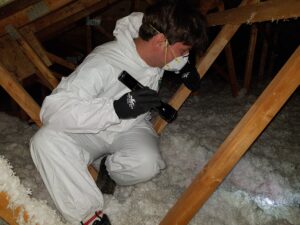
Dried droppings, urine, and nesting debris can break down into airborne particles when disturbed. Cleaning without the right protection may spread contaminants through enclosed areas, especially in attics, crawl spaces, or storage rooms.
Parasites and Secondary Pests
Rats may introduce fleas, mites, ticks, or other pests into a property. When rats nest near insulation, stored goods, or wall voids, these secondary issues can continue even after visible activity slows down.
Property Damage and Soiling
Gnawing, nesting, urine, and droppings can damage insulation, wiring, wood, plastic, and stored belongings. In hidden spaces, contamination and odours can build up before the problem is obvious.
Take Back Control of Your Home or Business
Rat problems rarely resolve on their own, and early action can help prevent a larger infestation. Skedaddle Humane Wildlife Control provides professional rat removal, cleanup, and prevention services designed for long-term protection. Book an assessment with Skedaddle in Toronto today and let our team help restore safety, comfort, and peace of mind.

Why Rats Are Becoming a Bigger City Conversation and What Homeowners Can Do Before They See One
Rats In Your Business? How We Can Help!

What To Do If You See A Rat In Your Yard This Winter
Frequently Asked Questions About Rats in Toronto
Common signs of rats include small dark droppings, greasy smudge marks along walls, gnaw marks on wood or plastic, burrows near foundations, and scratching sounds behind walls or ceilings. You may also notice damaged insulation, chewed food packaging, or unusual odours in garages, basements, storage rooms, or garbage areas. Since rats are often active at night, visible signs may appear before you ever see one.
Rats are driven by food, water, and shelter. In busy urban neighbourhoods, they often find meals around garbage bins, compost, restaurant waste, bird feeders, pet food, and outdoor storage areas. They look for protected nesting sites in garages, basements, crawl spaces, sheds, wall voids, and cluttered corners. Construction, colder weather, flooding, or disrupted outdoor burrows can also push rats closer to buildings.
The timeline depends on the size of the infestation, the number of entry points, and how much contamination or damage is present. In many cases, the initial removal work can be completed in one day after a full inspection and written quote. More complex situations, especially those involving hidden nesting areas, heavy contamination, or multiple access points, may require additional cleanup and prevention work.
Yes. Skedaddle focuses on humane rat removal by identifying how rats are entering, where they are travelling, and what is attracting them. Our technicians use professional inspection tools, one-way doors where appropriate, cleanup, and exclusion methods to remove rats without relying on quick fixes. The goal is to solve the problem responsibly while preventing re-entry and reducing future risks to the property.
Rats are excellent climbers and can access upper areas of a building by using vines, trees, downspouts, brickwork, utility lines, or attached structures. Once near the roofline, they may exploit gaps around vents, soffits, fascia, or damaged materials. In attics, rats can contaminate insulation, chew wiring, and create hidden nesting areas, which makes a professional inspection especially important.
DIY methods often address only the rats you can see, not the entry points, nesting areas, contamination, or attractants causing the problem. Rats reproduce quickly and can avoid unfamiliar traps or bait stations. Professional removal includes inspection, removal, cleanup, and prevention, giving homeowners and businesses a more complete solution. Skedaddle also helps protect vulnerable areas so rats are less likely to return.
CALL US TODAY
1.888.592.0387
OR
Request for Services

