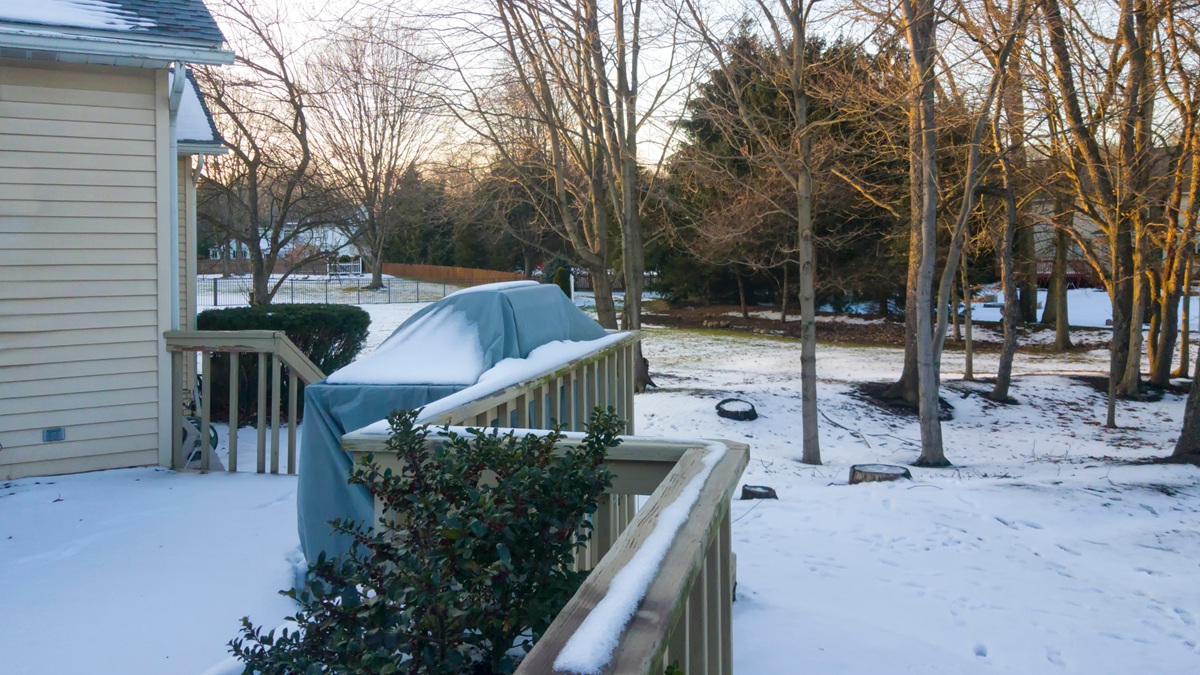
You may think seeing a rat outside in winter is a one-time surprise. Cold weather pushes animals to move differently, and yards often become a stopping point when food, shelter, or warmth is nearby. When you spot rats in the yard in winter, it usually means something nearby is supporting their survival.
You may wonder what to do next or whether it’s really a problem if the animal is outside. The safest answer is to let trained professionals handle it early.
Winter conditions make outdoor activity more focused and predictable, which is why early action matters. Skedaddle Humane Wildlife Control in Toronto helps homeowners address rats in the yard in winter using calm, humane, and structured solutions.
Below, you’ll learn what to do if you see a rat in your yard this winter, what winter rat control tips really involve, and how professionals approach how to get rid of rats outside without putting your home or safety at risk.
Step 1: Call a Professional Right Away
You may feel tempted to wait and see if the rat leaves on its own. In winter, that delay can work against you. Cold temperatures limit food and shelter options, which makes yards and nearby structures more valuable to rodents looking to survive.
When you call a professional early, you gain clarity instead of guessing. Our wildlife team looks at what’s drawing activity to the yard and whether there is risk to nearby structures. Early involvement helps prevent outdoor activity from turning into indoor problems.
Professional support matters because winter activity is often connected to hidden access points. Addressing the issue early keeps it from escalating and helps protect the property before conditions worsen.
Step 2: Professionals Remove Food and Water Sources Safely
You may not realize how small attractants can support ongoing activity. Even in winter, food and water sources can remain available around homes. A professional approach focuses on identifying and addressing these attractants safely and thoroughly.
From a professional perspective, this includes:
- Identifying Food Sources Near the Yard: Wildlife removal teams like us look at garbage areas, compost zones, and outdoor feeding habits. Even small, forgotten food sources can support repeated visits. Removing access helps reduce return activity.
- Assessing Water Availability: Melting snow, drainage areas, and standing water can offer hydration during cold months. Professionals identify these areas and recommend changes that reduce access without creating damage.
- Reducing Unintentional Feeding Zones: Bird feeders, fallen seed, and outdoor storage areas can quietly support wildlife. Professionals know where to look and how to address these risks without disrupting your yard.
Removing attractants helps break the survival pattern that keeps rats in the yard in winter.
Step 3: Professionals Eliminate Shelter and Access Points
You may see a rat in the yard, but the real concern is where it can hide. Winter pushes rodents to find protected spaces close to food sources. That often means decks, sheds, foundation edges, or dense landscaping.
Our professional team focuses on shelter risks. Here’s how.
- Identifying Hiding Zones Near Structures: Woodpiles, dense shrubs, and stored materials can provide protection from wind and snow. Professionals assess how these areas connect to the home.
- Inspecting Structural Edges and Gaps: Small gaps near foundations, vents, and utility lines can provide entry opportunities. These areas are inspected carefully as part of winter rat control tips.
- Planning Reinforcement After Activity Ends: Openings are not sealed until rats are fully out. Timing matters to prevent trapping rats inside and causing damage.
This step helps ensure outdoor activity doesn’t shift indoors when temperatures drop further.
Step 4: Humane Removal Protects the Property
You don’t want rats panicking or becoming trapped inside structures. Removal must be calm, controlled, and humane. That’s why professionals use one-way doors that allow wildlife to leave naturally while preventing re-entry.
This approach supports how to get rid of rats outside by encouraging exit without stress. One-way doors stay in place until activity stops, ensuring the area clears safely. Only after removal is complete do professionals move forward with reinforcement.
Humane removal protects the structure, avoids unnecessary damage, and supports long-term results instead of short-term fixes.
Step 5: Ongoing Prevention Stops Repeat Activity
You may think once the rat leaves, the problem is solved. In winter, that’s rarely the case without proper prevention. Cold conditions can cause repeat visits if the yard still offers shelter or access.
Professional prevention focuses on long-term stability:
- Reinforcing Vulnerable Areas: Foundation edges, vents, and utility lines are secured once activity ends. Materials are chosen to hold up against weather and wear.
- Reducing Future Shelter Appeal: Areas that once felt safe no longer function as shelter. This encourages wildlife to move on instead of returning.
- Monitoring Seasonal Changes: Winter conditions change quickly. Ongoing awareness helps prevent new activity as temperatures shift.
This is how winter rat control tips turn into lasting protection.
Why Winter Yard Activity Shouldn’t Be Ignored
You may feel better when you see activity outside instead of inside the home. It can seem like the problem is small or easy to ignore. In winter, however, outdoor activity is often the first sign that rats are searching for food, warmth, and shelter.
As cold weather continues, those needs don’t go away. They grow stronger, which can slowly push rodents closer to structures that offer protection.
Yard activity usually means there are things nearby supporting it. Food sources, easy hiding spots, or small gaps around the home can all play a role. These openings are not always visible from inside, which makes the risk easy to miss. Addressing these signs early helps protect the home and reduces stress as winter moves forward.
Professional Rodent Prevention Makes the Difference
You don’t need to manage this alone. At Skedaddle Humane Wildlife Control, we handle removal and prevention using calm, humane methods designed for urban properties. Our goal is to protect your space while making sure wildlife is treated responsibly.
Our approach focuses on:
- Safe Exit Using One-Way Doors: Wildlife is guided out of the space naturally without the ability to get back in. This keeps the process calm and avoids panic, damage, or rats being trapped inside. The doors stay in place until activity fully stops.
- Full Inspection of Yard and Structure Edges: The team checks foundations, vents, decks, and surrounding areas to see how rodents are moving and where they are getting access. This helps catch hidden gaps that are easy to miss. A clear picture of movement allows the right steps to happen in the right order.
- Reinforcement After Activity Ends: Openings are sealed only once wildlife is confirmed to be fully out. This timing is important because it prevents repeat access without creating new problems. The reinforcements are built to last through weather and seasonal changes.
This process respects wildlife while protecting your property and keeping future issues from returning.
Take Action Before Winter Activity Grows
Seeing activity in your yard during cold weather is a sign that rats are searching for warmth and shelter. Winter pressure does not fade on its own, and outdoor movement can be the first step toward bigger issues near the home. Acting early helps reduce stress and lowers the chance of problems spreading as winter goes on.
Skedaddle Humane Wildlife Control in Toronto offers safe, humane help designed for winter conditions. If you’re concerned about rats in the yard in winter, our team can guide you with proven winter rat control tips and show you how to get rid of rats outside the right way.
Request an estimate to take the next step and keep the season calm and under control.


 Loading...