






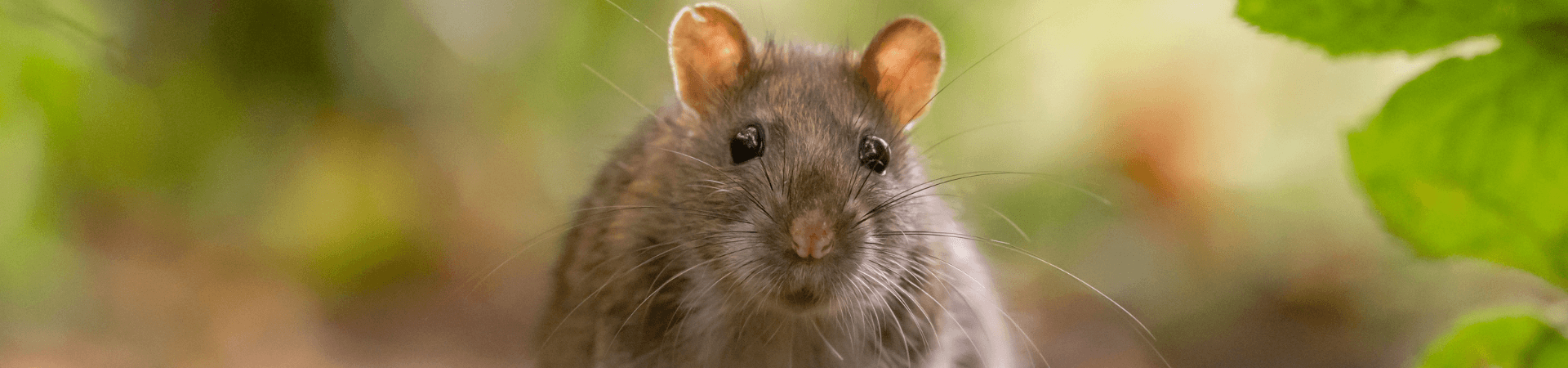


RAT REMOVAL PROCESS

Assess and Remove
We start with a high-tech deep dive into your home’s infrastructure. Using thermal imaging and precision diagnostic tools, our team pinpoints hidden nests and active runways that the naked eye might miss. Rather than using messy traps or poisons, we utilize one-way exclusion doors. This smart technology allows rats to leave your home naturally to find food or water but locks them out permanently once they’re gone, offering a humane, chemical-free exit strategy.

Clear and Clean
Once your home is rodent-free, we focus on reversing the damage. We don’t just “clean up”; we perform a deep-level restoration of the impacted zones. Our team meticulously extracts droppings, nesting debris, and biological waste, followed by a medical-grade sanitization process. By neutralizing pheromones and scent markers, we strip away the “trail” that usually tells other rodents your home is an open invitation.

Prevent and Protect
The final step is turning your home into a fortress. We reinforce every gap, crack, and vent with industrial-grade, chew-proof materials that stop even the most persistent gnawers. Beyond the physical barriers, we’ll walk you through a custom prevention plan, identifying external factors like food sources or water leaks, to ensure your property remains a “no-entry” zone for the long haul.
Living in the “Saintly City” comes with a unique set of charms, from the historic Victorian architecture of Summit Avenue to the bustling energy near Allianz Field. However, the very things that make St. Paul such a desirable place for families also make it an attractive habitat for urban rodents.
At Skedaddle Humane Wildlife Control, we understand that discovering a rat in your basement or hearing scratching in your walls can be a distressing experience. That is why our team of expert technicians is dedicated to providing the most effective, humane, and long-lasting rat removal services available. If you suspect you have an unwanted guest, don’t wait for the problem to escalate; contact Skedaddle today to protect your property and your peace of mind.
Preventing Disease Transmission And Property Damage
In St. Paul, rat behavior is heavily influenced by the extreme seasonal shifts, making professional exclusion the only permanent solution to prevent disease transmission and property damage. At Skedaddle, we don’t just set traps; we provide a comprehensive biological solution. We treat your home as a complete system, ensuring that once the rats are out, they stay out for good. From the initial detailed assessment to the final attic restoration, our process is designed to be thorough and stress-free.
We pride ourselves on our deep understanding of local wildlife patterns, ensuring that our neighbors in St. Paul receive service that is not only effective but also compassionate toward the animals and the environment. Contact us today for expert rat removal in St. Paul.

The Rhythms of Rodents: Understanding Seasonal Rat Behavior
The behavior of rats in our region is a direct response to the dramatic fluctuations of the Minnesota climate. As the ground freezes and thaws, these resilient animals must constantly adapt their nesting and foraging habits to survive. Understanding these shifts is the first step in maintaining a rodent-free home throughout the year.
Fall: Rats Look for a Winter Harbor in Saint Paul
As autumn settles over the Twin Cities and the first frost arrives, rats in Saint Paul look for a permanent place to spend the winter. They follow warm air from vents, gaps and cracks into insulated attics, crawl spaces and basements. Historic Victorian homes in Dayton’s Bluff and Lowertown, properties near Como Park and Battle Creek Regional Park, and homes along the Mississippi River and West 7th often see activity rise. Homeowners may notice droppings, gnaw marks or scratching inside walls and ceilings at night.
Once nested, rats can contaminate insulation and stored food and chew wiring through a long Minnesota winter. Skedaddle’s humane rat control in Saint Paul focuses on finding how rats are getting in, removing them, cleaning contaminated areas and sealing entry points before the deep cold sets in.

Winter: Dependent On Structures
During the depths of the Minnesota winter, rats are almost entirely dependent on the structures they have colonized. They utilize the insulation in your walls and attic to maintain their body temperature, creating tunnels and latrines that can significantly damage your home’s thermal efficiency. Because food is scarce outdoors, they will explore every inch of your pantry or basement for any accessible crumbs. Their presence is often most noticeable in winter because the quiet of a snow-covered night makes their scratching and scurrying sounds much more audible to the residents living below.
Spring: Breeding Cycle
As we move into the spring season, rat activity reaches a fever pitch. The melting snow and rising temperatures signal the beginning of the primary breeding cycle. During this time, female rats are desperately seeking secure, dry locations to give birth to their litters. The softening ground allows them to expand their burrowing systems, often leading them toward the foundations of homes where the soil remains warmer. You may notice an increase in sightings or activity near gardens and porches as they search for high-protein food sources to support their growing families. This is a critical window for homeowners to address any vulnerabilities in their home’s exterior before a single pair of rats turns into a full-scale infestation.
Summer: Highly Mobile
When the humid heat of the Minnesota summer arrives, rats become more nocturnal to avoid the midday sun. They are often found near water sources and areas with lush vegetation. In urban environments, they take advantage of outdoor dining spaces and overflowing trash receptacles. During these months, rats are highly mobile, moving between various nesting sites and exploring new territories. They are expert climbers and will use overhanging tree branches to access rooflines, searching for cool shadows and attic spaces that offer a reprieve from the heat.
Rat Problems in St. Paul: Why Wildlife Choose That Location
St. Paul is a city defined by its history and its proximity to the Mississippi River. While these features are points of pride, they also create a perfect storm for rat populations. Older homes, particularly those in historic districts like Dayton’s Bluff or the West 7th neighborhood, often have foundations and architectural details that have settled over time. These small gaps and cracks are invitations to rats, who can squeeze through an opening as small as a quarter.
The proximity to the river provides a natural corridor for wildlife movement. Rats use the riverbanks and the surrounding park systems as “superhighways” to navigate the city. Furthermore, the high density of residential and commercial properties means that food sources are never far away. Whether it is a bird feeder in a backyard, a compost bin, or a commercial dumpster, the abundance of resources supports a thriving rodent population.
Local homes often feature mature landscaping and dense tree canopies. While beautiful, these features provide cover and easy access to rooftops. Rats are excellent “tightrope walkers” and will use utility lines or branches to bypass ground-level defenses. Once they find a point of entry, be it a gap in the fascia, a loose vent, or a hole near a utility pipe, they will mark it with pheromones, signaling to other rats that your home is a safe and hospitable environment.

Signs You Have Rats in Your Home
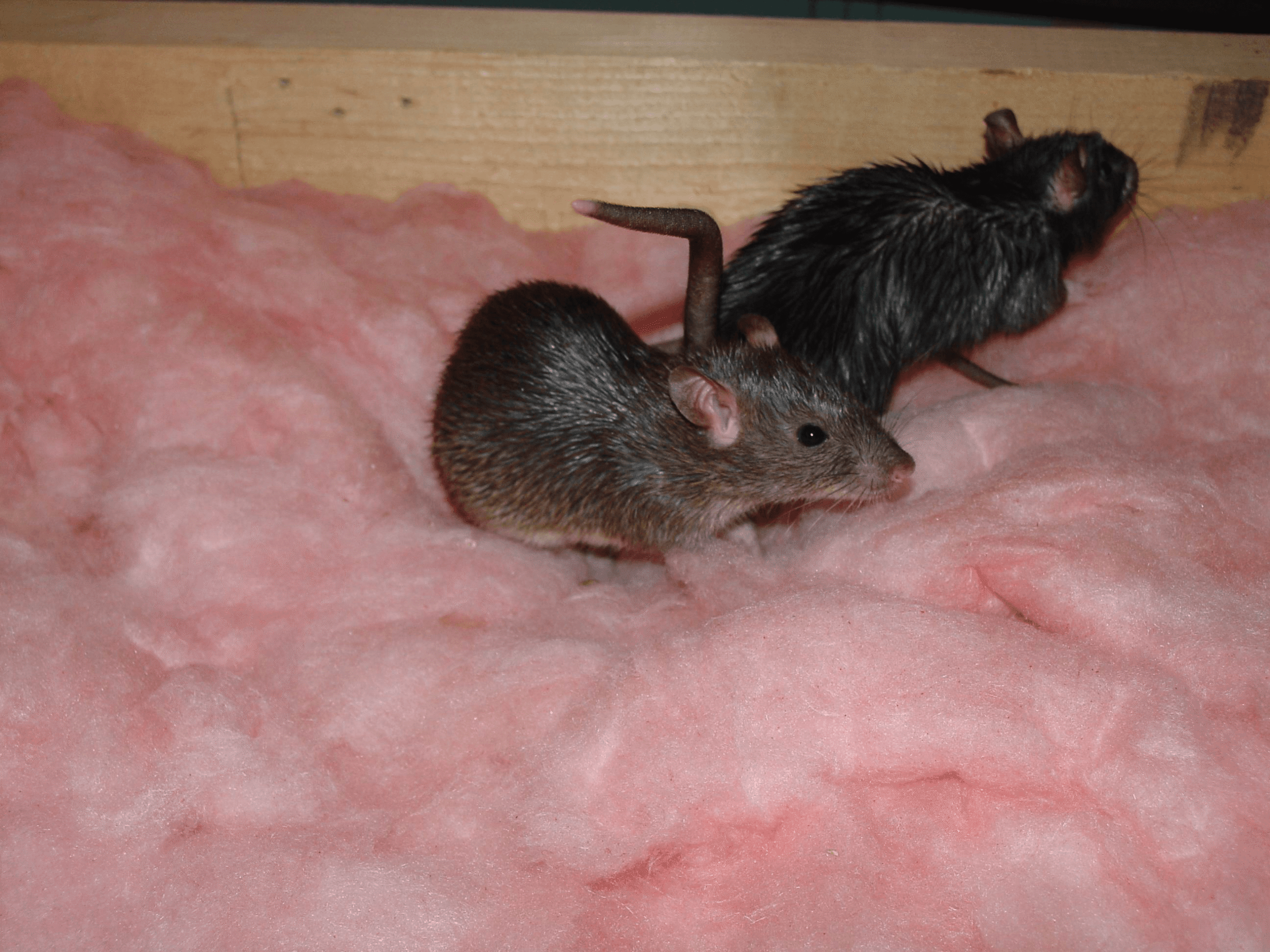
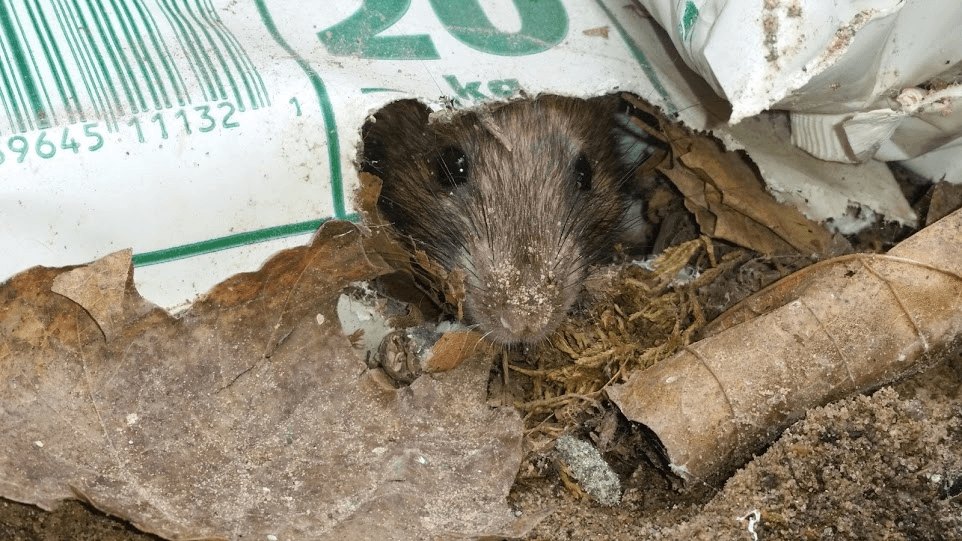
Identifying a rat problem early is crucial to minimizing damage and health risks. Because rats are primarily nocturnal and highly cautious, you may not see them directly until the infestation is significant. Instead, you must look for the “calling cards” they leave behind:
- Droppings: Rat droppings are typically capsule-shaped and about half an inch long. They are most commonly found in clusters along baseboards, in cabinets, or near food sources.
- Gnaw Marks: Rats have teeth that never stop growing, so they must gnaw on hard surfaces to keep them filed down. Look for fresh chew marks on wood, PVC pipes, electrical wiring, and even drywall.
- Grease Rubs: Rats have oily fur. As they travel the same paths along walls and floorboards, they leave behind dark, greasy smudge marks.
- Noises: Scratching, scurrying, or squeaking sounds coming from the ceiling, walls, or floorboards, especially at night, are a classic sign of activity.
- Nesting Material: If you find shredded paper, insulation, or fabric tucked away in dark corners or behind appliances, you are likely looking at a rat nest.
- Unusual Pet Behavior: Dogs and cats have much keener senses than humans. If your pet is suddenly obsessed with a specific corner of a room or is growling at a wall, they may be detecting the scent or sound of a rodent.
Our Humane Rat Removal Process: The Skedaddle Difference
At Skedaddle, we bring over 30 years of industry-leading experience to every home we service. We don’t believe in temporary fixes or harmful poisons that can endanger your family and pets. Our approach is rooted in biology and long-term exclusion. We are so confident in our methods that we offer a lifetime guarantee on our workmanship and the materials used to secure your home.
Detailed Assessment
Every project begins with a comprehensive, top-to-bottom inspection of your property. Our Skedaddle expert technicians don’t just look for where the rats are; we look for how they got there. We inspect the roofline, vents, foundation, utility entries, and even the interior attic space. This allows us to understand the full scope of the infestation and identify every potential vulnerability.
Customized Removal Plan
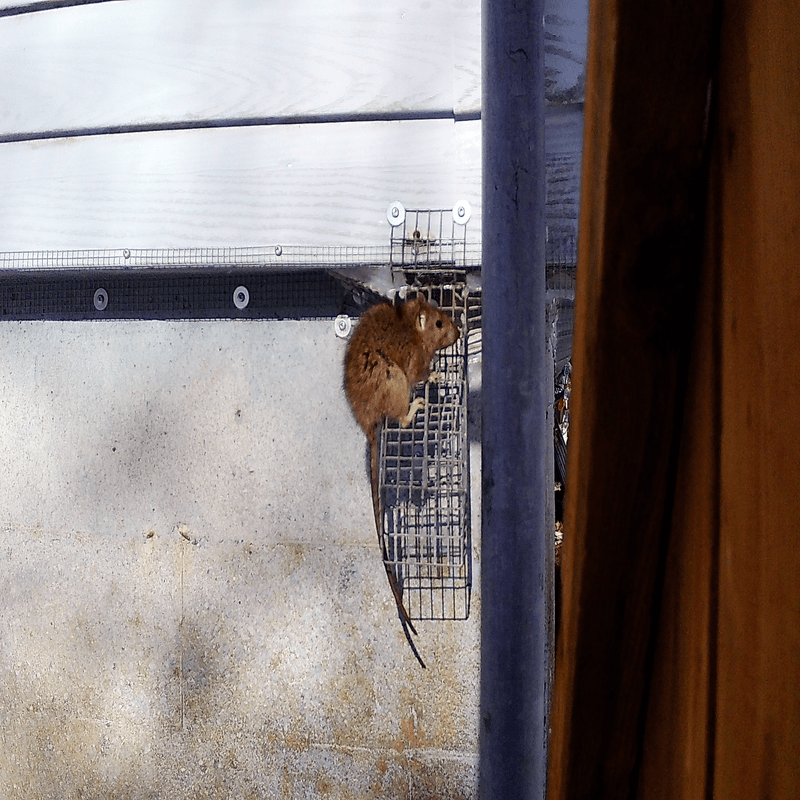
Once the assessment is complete, we provide you with a written quote and a customized plan tailored to your home’s specific needs. We utilize specialized one-way doors that allow the rats to exit your home to find food and water, but prevent them from getting back inside. This is the most humane way to clear a structure, as it allows the animals to relocate themselves to their alternative nesting sites without the stress of trapping or the cruelty of poisons.
Exclusion and Protection
While the one-way doors are doing their work, our team gets busy sealing your home. We use heavy-gauge screening and professional-grade sealants to close every entry point identified during the assessment. This is the most labor-intensive part of the process, but it is also the most important. By reinforcing the “weak spots” of your home, we ensure that no wildlife can chew their way back in.
Attic Restoration and Clean-up
Rats don’t just live in your home; they destroy it. They leave behind urine, feces, and pheromones that can attract future wildlife and pose health risks. We take clean-up seriously. Our attic restoration services include the removal of contaminated insulation, a thorough sanitization of the area using hospital-grade disinfectants, and the installation of fresh, high-quality insulation. We aim to return your attic to a clean, safe, and energy-efficient state.
Timeframe and Cost
We understand that you want your home back as quickly as possible. Most of our wildlife removals can be completed in a single day. The cost of our services is based on the size of your home, the extent of the damage, and the amount of exclusion work required. Because every home is different, we provide a detailed, written quote so there are no surprises. You are investing in a permanent solution, backed by a company that has been the gold standard for three decades.
Local Health and Safety Risks
Rats are more than just a nuisance; they are a legitimate health hazard to local residents. They are known carriers of numerous diseases, including Leptospirosis, Hantavirus, and Salmonellosis. These pathogens can be spread through direct contact, but more commonly through the inhalation of dust contaminated by their dried urine and droppings. This is why professional clean-up is so essential.
Beyond disease, rats pose a significant fire risk. There are widely cited estimates that rodents may account for up to ~20–25% of undetermined fires. Furthermore, their presence can trigger allergies and asthma, particularly in children and the elderly. When you choose Skedaddle, you aren’t just removing an animal; you are protecting the health and safety of your family.
Secure Your Home Today
Don’t let a rat problem dictate the comfort of your home. Whether you are living in a classic bungalow in the Como Park area or a modern condo near Lowertown, the experts at Skedaddle Humane Wildlife Control are ready to help. We combine 30 years of experience with a commitment to humane practices and a lifetime guarantee that is unmatched in the industry.
Our team is proud to serve the St. Paul community, providing permanent solutions to complex wildlife challenges. We handle the dirty work so you don’t have to, from the first climb onto the roof to the final sanitization of your attic. Take the first step toward a rodent-free home. Call Skedaddle today and experience the peace of mind that comes with professional, humane wildlife control.
Rats In Your Home: How They Got There And How To Get Them Out!
How Rats and Mice Thrive in Urban Environments
Saint Paul Wildlife Control: Are Rats Still Active in Winter?
Saint Paul Rats FAQs: Did You Know?
Using poison is often counterproductive and inhumane. When a rat consumes poison, it does not die instantly. Instead, it often retreats deep into your walls or floorboards to die, creating a horrific odor and attracting flies and beetles. Furthermore, poisoned rats become slow and disoriented, making them easy prey for local St. Paul pets or birds of prey like the owls found near Battle Creek Regional Park, which then secondary-poisons those animals. Skedaddle focuses on exclusion and one-way doors, ensuring the rats leave your home alive and your environment stays toxin-free.
Once our expert technicians install the one-way doors and seal all other entry points, the rats typically exit within 24 to 72 hours. Rats are active creatures and must leave the nest daily to find water and food. Because they cannot get back in, they are forced to move to one of their secondary nesting sites. We usually leave the one-way doors in place for a few days to ensure every individual has exited before we return to perform the final seal and remove the hardware, ensuring your home is completely secure.
We use high-quality, heavy-gauge galvanized steel screening and industrial-grade sealants specifically designed to withstand the persistent gnawing of rodents. While rats can chew through wood, plastic, and thin aluminum, they cannot penetrate the materials we utilize. Our 30 years of experience have taught us exactly which materials hold up against Minnesota’s weather and wildlife. This durability is why we are able to offer a lifetime guarantee on our exclusion work, we build our defenses to last as long as the house does.
While not every single case requires a full restoration, it is highly recommended if the rats have been present for more than a few days. Rats use their nesting areas as bathrooms, and their waste contains pheromones that signal to other rodents that your home is a “safe” place to live. Even if the current rats are gone, those scents remain and can attract new ones. Our restoration process removes these biological markers and sanitizes the area, protecting your family from airborne pathogens and ensuring your home’s insulation is performing at its best.
Most pest control companies rely on a cycle of trapping and poisoning, which only addresses the symptoms of the problem, not the cause. This leads to a “revolving door” where you have to call them back every few months. Skedaddle is a wildlife management company. We focus on the biology of the animal and the structural integrity of your home. We provide a permanent, one-time solution by humanely removing the animals and physically preventing their return. Our lifetime guarantee and focus on full attic decontamination set us apart as the most thorough choice in St. Paul.
CALL US TODAY
1.888.592.0387
OR
Request for Services

