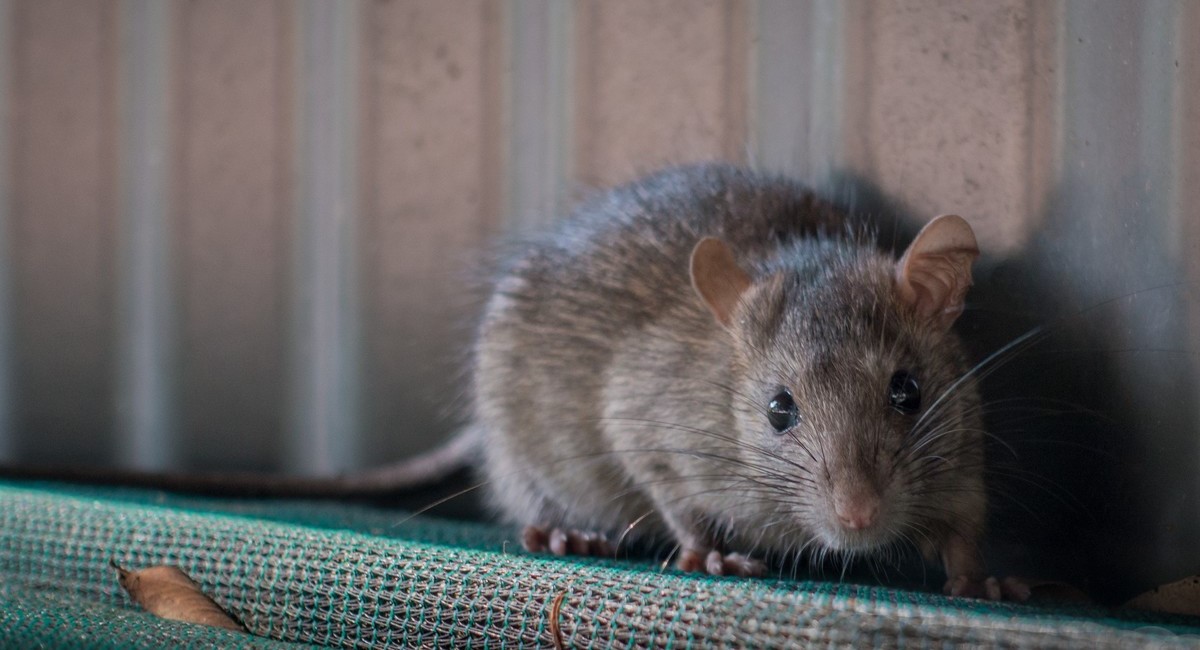
Rats and mice in urban environments have become an increasingly common problem for St. Paul residents and business owners. These resilient rodents have adapted remarkably well to city life, turning our urban landscape into their personal playground.
From the historic buildings of Summit Avenue to the bustling commercial districts downtown, they have found ways to coexist with humans—often without us even noticing until a problem develops.
At Skedaddle Minnesota, we’ve witnessed firsthand how these clever creatures have mastered the art of urban survival. We’re committed to helping St. Paul residents understand and address these unwanted neighbors.
Rats in Urban Environments
Urban environments like St. Paul offer rodents the perfect combination of resources that allow their populations to flourish. Unlike their rural counterparts who must contend with predators and seasonal food shortages, city rodents enjoy an abundance of advantages:
- Endless Food Sources: From restaurant dumpsters to poorly secured trash bins and bird feeders, urban settings provide a constant buffet.
- Numerous Shelter Options: Abandoned buildings, crawlspaces, attics, and the complex network of underground utilities offer perfect hiding spots.
- Moderate Temperatures: Urban heat islands create milder winter conditions than surrounding rural areas, allowing year-round breeding.
- Fewer Natural Predators: Cities have fewer owls, hawks, foxes, and other animals that would typically keep rodent populations in check.
The constant presence of food waste in urban environments ensures that rats rarely go hungry. They can subsist on as little as one ounce of food and water daily, making even minimal resources sufficient for survival.
Urban infrastructure provides countless nooks and crannies where rodents can nest safely away from human detection. The average city rat can squeeze through an opening as small as a quarter, while mice need only a gap the width of a pencil.
These advantages have allowed urban rodent populations to adapt in ways that make them particularly challenging to control without professional intervention. Let’s examine how these adaptations work in practice.
Remarkable Adaptations: How Mice Adapt to Cities
The rats and mice thriving in St. Paul’s urban landscape aren’t just lucky—they’re masters of adaptation who have evolved specific traits and behaviors that make them exceptionally suited to city living.
Physical Urban Rodent Survival
Rodents in urban environments have developed several physical characteristics that give them advantages:
- Enhanced Digestive Systems: Urban rodents have evolved to digest a wide variety of foods, including processed items that might make their rural counterparts sick.
- Increased Wariness: City rats have become more cautious around new objects (neophobia), making traditional trapping methods less effective.
- Stronger Immune Systems: Urban rodents have developed resistance to many common poisons and diseases.
- Superior Climbing Abilities: Both rats and mice can scale vertical surfaces with ease, allowing them access to upper floors and attics.
Behavioral Adaptations in Urban Environments
Beyond physical changes, urban rodents have altered their behavior to thrive in human-dominated spaces:
- Nocturnal Activity Patterns: Rats typically conduct most of their foraging and movement during nighttime hours when human activity is minimal, helping them avoid detection while maximizing access to resources.
- Complex Social Structures: Urban rat colonies develop sophisticated hierarchies that maximize their collective survival. Dominant rats will taste new food sources first, protecting the colony from potential poisons, while subordinate rats learn from survivors which foods are safe to eat.
- Strategic Nesting Habits: Rather than building obvious nests, urban rodents often create multiple hiding spots throughout a building, ensuring they always have emergency shelter options if one location is discovered.
These adaptations make urban rodents particularly challenging to eliminate without professional help. At Skedaddle Minnesota, we understand these adaptations and have developed humane, effective strategies to address them.
Urban Infrastructure: A Rodent Highway System
The physical layout and infrastructure of St. Paul—like most urban areas—creates perfect pathways for rodent movement. Understanding these “rodent highways” is crucial for effective prevention and control.
How Rodents Navigate Urban Spaces
Urban rodents rarely travel randomly—they follow established pathways that offer protection and efficiency:
- Utility Lines and Pipes: Both overhead and underground utilities provide protected routes for rodents to travel between buildings.
- Building Gaps and Crevices: Spaces between adjacent structures offer protected passages.
- Vegetation Corridors: Overgrown shrubs, vines, and trees touching buildings create natural bridges.
- Sewer Systems: Underground drainage networks connect vast areas of the city, allowing rats to emerge virtually anywhere.
Rats leave pheromone trails that signal safe routes to other colony members. These invisible “highways” become increasingly established over time, creating generation-spanning pathways throughout urban areas.
As seasons change in St. Paul, rodents adapt their travel routes. In winter, they tend to spend more time in warm building interiors, while the summer months might see more outdoor activity and movement between structures as they search for water sources. Understanding these movement patterns is essential for effective exclusion work. At Skedaddle, our technicians are trained to identify and disrupt these pathways, effectively cutting off rodent access to your home or business.
Climate Change and Urban Planning: New Factors in Rodent Proliferation
Recent years have brought new challenges to urban rodent management, with both climate change and urban development patterns contributing to increased rodent activity in cities like St. Paul.
Climate Change Effects on Urban Rodent Populations
Climate change creates more favorable conditions for urban rats and mice in several ways:
- Extended Breeding Seasons: Warmer temperatures mean longer breeding periods, allowing for more generations per year.
- Milder Winters: Fewer deep freezes result in higher winter survival rates for rodent populations.
- Extreme Weather Events: Flooding can displace rats from sewer systems into buildings.
- Altered Vegetation Patterns: Changes in plant growth cycles affect outdoor rodent food sources.
The combination of these factors has led to notable increases in rodent activity across many North American cities, including St. Paul. Our technicians have observed these trends firsthand, noting particular increases in activity following unseasonably mild winters.
Urban Development Impacts on Rodent Behavior
Modern urban planning and development practices also influence rodent populations:
- Construction Disruption: Major construction projects often disturb established rat colonies, forcing them to relocate to nearby residential areas. We frequently see increases in rodent complaints in neighborhoods adjacent to large development projects.
- Density Challenges: Higher-density housing creates more waste in concentrated areas, providing abundant food sources. The close proximity of buildings also allows for easier movement between structures.
- Infrastructure Aging: Older parts of St. Paul with aging infrastructure provide more entry points through deteriorating foundations, pipes, and utility connections.
These environmental and development factors create new challenges for rodent management, requiring more sophisticated and comprehensive approaches than ever before. Next, let’s explore how rodents find food in these complex urban environments.
Urban Feast: How Rodents Locate Food in Cities
One of the most impressive adaptations of urban rodents is their ability to efficiently locate and exploit food sources throughout the city. Understanding these foraging strategies helps explain why rats and mice are so successful in urban environments.
Sophisticated Foraging Strategies
Urban rodents have developed remarkably effective methods for finding food:
- Heightened Senses: Rats can detect food from remarkable distances and can even smell food under concrete.
- Memory Mapping: Rats create mental maps of reliable food sources and return to them regularly.
- Social Learning: Young rodents learn foraging routes and techniques from older colony members.
- Risk Assessment: Urban rodents quickly evaluate the safety of a food source before committing to extended feeding.
Within urban rat colonies, a clear hierarchy determines feeding order. Alpha rats eat first at new food sources, while lower-ranking members wait to ensure the food is safe. This strategy protects the colony from potential poisoning while maximizing food utilization.
Rodents adjust their foraging patterns based on seasonal availability. During summer months in St. Paul, they may target gardens and outdoor dining areas, while in the winter, their activity is mostly concentrated around warm indoor environments where food is abundant.
Contact Skedaddle Minnesota for Expert Rodent Management
As rats and mice continue to thrive in urban areas, they pose an ongoing challenge for homeowners and businesses alike. Understanding the factors that contribute to their survival is crucial for developing effective control strategies. Skedaddle Minnesota offers a comprehensive approach to rodent management that accounts for the unique challenges posed by St. Paul’s urban environment.
Our team is ready to assist with professional inspections, humane exclusion techniques, and customized prevention plans tailored to your specific needs. Whether you’re facing an active infestation or looking to prevent one, we’re here to help secure your property and offer peace of mind. Don’t wait for a problem to grow—contact Skedaddle Minnesota today for expert advice and solutions. Safeguard your home and neighborhood against unwanted rodent guests.

 Loading...







