







Wildlife is part of everyday life in St. Paul. With the Mississippi River, wooded parks, mature neighborhoods, and countless green spaces woven throughout the city, it’s no surprise that animals often find themselves living much closer to people than intended.
Unfortunately, when wildlife moves into attics, soffits, chimneys, garages, wall cavities, or beneath decks, it can quickly become a problem for homeowners. Strange noises overhead, damaged building materials, unpleasant odors, and unwanted encounters are often signs that an animal has found shelter inside a structure.
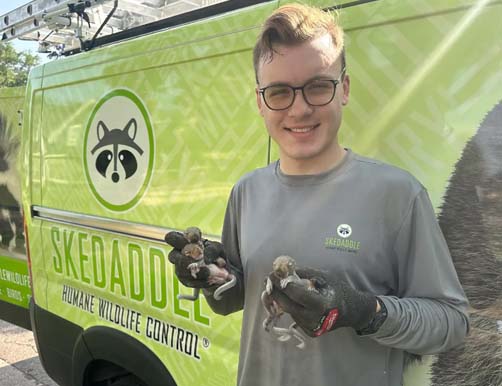
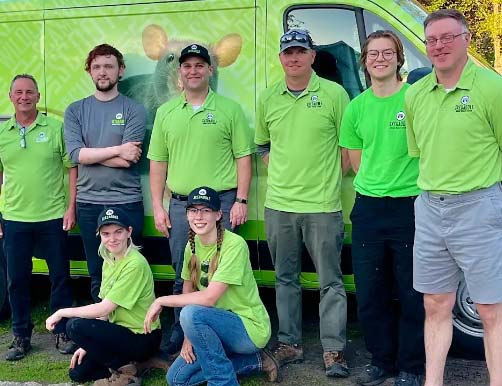
Since 1989, Skedaddle Humane Wildlife Control has helped homeowners safely and humanely resolve wildlife conflicts. Our prevention-focused approach doesn’t just remove animals from homes. We identify how they got inside, protect vulnerable areas, and help prevent future intrusions.
Wildlife Protection Solutions Designed for St. Paul Homes
Skedaddle provides humane wildlife removal, exclusion, cleanup, and prevention services throughout St. Paul. Every property receives a customized removal plan designed around the species involved and the home’s unique vulnerabilities. By focusing on long-term prevention instead of temporary solutions, we help homeowners protect their properties from recurring wildlife problems.

Common Wildlife Challenges for St. Paul Homeowners
Wildlife conflicts can vary significantly depending on the season, location, and property type. Some of the most common concerns we encounter include:
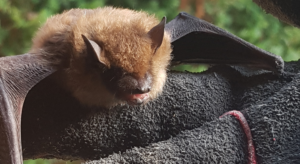
- Bats: Roosting colonies forming inside attics, rooflines, and wall cavities during warmer months.
- Raccoons: Tearing through roofing materials, vents, and soffits to access attics for shelter and raising young.
- Birds: Building nests inside vents, chimneys, and building cavities.
- Mice: Entering homes through tiny gaps while searching for food, warmth, and nesting sites.
- Rats: Establishing activity in basements, crawl spaces, garages, and wall voids.
- Squirrels: Chewing through roof edges, vents, and building materials to access attic spaces.
- Skunks: Taking shelter beneath decks, porches, sheds, and home additions.
Understanding Wildlife Activity Throughout the Year
Summer Rat Activity Around St. Paul Homes and Properties
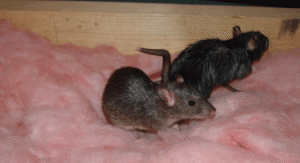
Summer creates ideal conditions for rats to find food, water and shelter around residential and commercial properties. Gardens, compost bins, outdoor dining areas, bird feeders, pet food and garbage storage can all attract increased activity during the warmer months. As populations grow, young rats begin searching for new territories and may travel along foundations, fences, decks, sheds, garages and landscaped areas while looking for safe nesting sites.
Homeowners may notice burrows, droppings, gnaw marks, grease trails or nighttime movement around the exterior of the property. Small openings near utility lines, vents, garage doors, foundation cracks, crawl spaces and basement-level gaps can also become entry points when rats find reliable resources nearby. Skedaddle’s humane rat control focuses on identifying active areas, removing contamination and protecting vulnerable access points with long-term prevention. By reducing attractants and addressing entry points early, property owners can help prevent summer rat activity from becoming a larger infestation.

Fall: A Race for Winter Shelter
As temperatures begin to cool, wildlife becomes focused on finding safe places to spend the winter. Small openings around rooflines, vents, soffits, foundations, and utility penetrations become attractive access points as animals search for warmth and protection.
Winter: Hidden Guests Remain Active
Many wildlife species remain active throughout winter once they have established shelter inside a home. Attics, wall cavities, crawl spaces, and garages can provide ideal protection from Minnesota’s harsh winter conditions.
Spring: The Start of Baby Season
Spring brings a dramatic increase in wildlife activity across St. Paul. Many species begin nesting, denning, and raising young, which often leads them to seek protected spaces inside homes. Attics, chimneys, soffits, and wall cavities become especially attractive during this time of year.
Why More Homeowners Choose Skedaddle
Wildlife removal is about more than simply getting animals out of a home. Long-term success depends on understanding animal behaviour, identifying entry points, and preventing future access.
Founded in 1989, Skedaddle has spent more than 30 years developing humane wildlife removal solutions that prioritize both homeowners and animals. Our team uses species-specific techniques designed to safely remove wildlife while reducing unnecessary stress on the animals involved.
Unlike traditional approaches, we do not rely on trapping and relocation. Instead, we focus on humane removal methods, including one-way door systems and wildlife family reunification techniques when young animals are present.
Every service begins with a thorough inspection and customized removal plan. Once animals have been removed, our technicians secure vulnerable entry points using professional exclusion materials designed for long-term protection.
We also offer attic restoration services, decontamination solutions, and prevention strategies that address the root causes of wildlife activity. Combined with qualifying lifetime guarantees, our approach provides homeowners with confidence that the problem has been addressed properly.
Our Proven Process for Humane Wildlife Removal
Every wildlife situation is unique, which is why our process begins with a detailed inspection of the property. Our technicians identify signs of activity, determine which species are involved, locate entry points, and assess any damage that may have occurred.
Once we understand the situation, we develop a customized removal plan based on the species, property layout, and specific challenges involved. Humane removal methods are then implemented using techniques tailored to the animal involved.
When young animals are present, our wildlife family reunification process allows mothers to safely relocate their offspring naturally. This approach helps prevent orphaned young while respecting natural animal behaviour.
After removal, we focus on exclusion. Vulnerable areas are professionally sealed and reinforced to prevent future entry. This step is critical because successful wildlife control depends on stopping animals from returning.
Where necessary, cleanup, decontamination, and attic restoration services may also be recommended. Finally, homeowners receive prevention recommendations designed to reduce future wildlife risks and protect the property long term.

The Hidden Costs of Wildlife Living Indoors
Wildlife may seem harmless from a distance, but animals living inside a structure can create a wide range of problems over time.
Potential risks include:
- Damage to insulation and building materials
- Contamination from droppings, urine, and nesting debris
- Chewed electrical wiring and fire hazards
- Damage to soffits, vents, roofing materials, and siding
- Persistent odours throughout living spaces
- Reduced insulation performance and energy efficiency
- Noise disturbances caused by movement and nesting activity
- Damage caused by repeated entry attempts
- Increased repair costs when activity goes undetected
Many wildlife issues begin as small problems but become more costly when left unresolved. Animals often remain hidden inside attics, walls, crawl spaces, and chimneys for extended periods before homeowners notice signs of activity.
Professional inspections can identify wildlife concerns early and help prevent more significant property damage from developing over time.
Protect Your Home Before Wildlife Moves In
St. Paul’s parks, river corridors, and mature neighbourhoods create excellent habitat for wildlife, but that doesn’t mean animals belong inside your home. The most effective wildlife control solutions focus on both removal and prevention.
If you’ve noticed signs of wildlife activity around your property, don’t wait for the problem to grow. Contact Skedaddle Humane Wildlife Control today to schedule an inspection and learn how our humane, prevention-focused approach can help protect your home for years to come.
Saint Paul Insights
St. Paul Wildlife Control: Home Structural Damage Caused by Bats
Rat Invasion! How One Can Lead To Many More!