Lifetime Warranty
On workmanship and materials.
Skedaddle Madison — serving the greater Madison area since 2021.
No traps. No poison. Permanent exclusion.
Mount Horeb is a Norwegian-heritage village on the edge of the Driftless Area, about 20 miles southwest of downtown Madison along US-18/151. Its Trollway, mature residential cover, and parkland near Stewart Lake and Blue Mound State Park put homes near natural corridors. Skedaddle Madison removes mice, squirrels, bats, and raccoons from Mount Horeb homes using humane exclusion chosen to suit the species and permanent sealing, then cleans and decontaminates wherever wildlife has been active — kitchens, wall voids, basements, crawlspaces, or attics — and restores the attic when animals denned there.
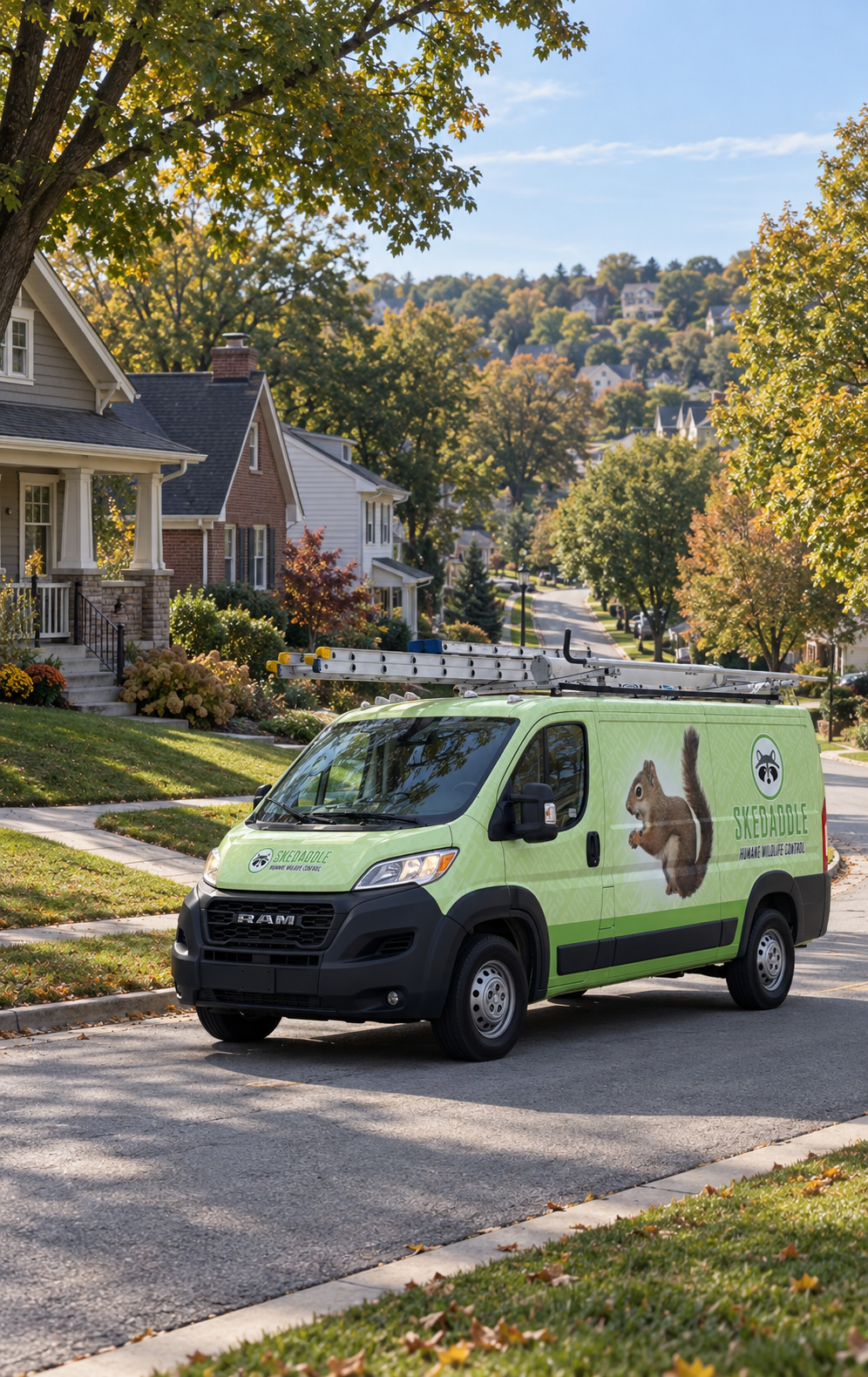
Skedaddle Madison serves Mount Horeb as part of its greater-Madison service area, supported by Skedaddle’s national history since founder Bill Dowd started the company in 1989. The village lies roughly 20 miles southwest of downtown Madison on US-18/151, at the edge of the Driftless Area, with the Trollway at its center and Stewart Lake County Park. That mix of village homes, tree cover, and parkland creates varied routes to rooflines and foundations for homeowners across the village. Village homeowners get the same inspection standards, humane exclusion methods, and lifetime workmanship guarantee as every other community the Madison team serves.
Skedaddle technicians are trained in wildlife biology, home repair, cleanup and decontamination, and attic restoration, using humane methods approved by SPCAs and Humane Societies. A technician identifies the species, evaluates accessible entry points, and selects the exclusion method that lets the animal exit safely before the opening is permanently sealed. Cleanup and decontamination cover every area wildlife used; attic restoration is added only if animals denned there. For bats, physical colony exclusion is scheduled outside Wisconsin’s June 1 to July 31 maternity window under the state’s Broad Incidental Take Permit, with inspection and planning available year-round (Wisconsin DNR bat FAQ).
Each Mount Horeb exclusion plan is built around closing the entry routes found during the inspection, rather than relying on a temporary removal alone. Skedaddle backs full exclusion work with a lifetime guarantee on all workmanship and materials used to seal your home for life: if wildlife gets back in through a sealed opening, Skedaddle Madison returns to re-seal it at no additional charge. Homeowners receive a written scope that separates exclusion, cleanup and decontamination, and any attic-restoration work required after attic denning. The guarantee applies to the sealing work for every species handled through the Mount Horeb service area.

Owner and Operator, Skedaddle Wisconsin (Milwaukee and Madison)
Marcus Mueller owns and operates Skedaddle across Wisconsin, covering both the Milwaukee and Madison markets. He opened Skedaddle Milwaukee in 2017 as the company's first U.S. franchise and expanded into the greater Madison area in 2021. A Milwaukee native, Marcus pairs a deep understanding of Wisconsin neighborhoods and housing stock with extensive academic and hands-on experience in wildlife management. He holds a Master of Science in Wildlife Biology from the University of Wisconsin–Madison and has dedicated his career to helping home and business owners resolve wildlife conflicts safely and humanely. Marcus gained his early field experience as an intern at a local wildlife rehabilitation center, working directly with residents facing wildlife problems every day. Seeing how much homeowners needed effective, humane alternatives to trapping is what led him to build Skedaddle's approach across both of Wisconsin's largest metro areas.

Wildlife Technician Assistant
Anna Aikman is a Wildlife Removal Technician Assistant with the Madison, Wisconsin team. She studied at both Creighton University and UW–Madison, focusing on academics and music, and was an active member of the band programs and pit orchestra. Her passion for wildlife and science has been lifelong, and she even spent time teaching elementary-aged kids about general science through WCATY (Wisconsin Center for Academically Talented Youth). Anna’s professional background includes a range of leadership and customer service roles that built her strong communication and organizational skills. She previously served as the State Canvass Director for Wisconsin Public Media, heading up grassroots fundraising campaigns for PBS Wisconsin and Wisconsin Public Radio.

Wildlife Technician
Born and raised in Dalton, Moriah has always been interested in the outdoors and wildlife. She spent much of her youth outside between being a 4-H member, helping her dad build things, or exploring her neighborhood. Her love for nature blossomed throughout her childhood and led her to attend the University of Wisconsin – Madison for science-based studies. While attending university, she volunteered for the UW Urban Canid Project, where she learned useful field and interpersonal skills. Moriah graduated in the fall of 2018 with a Bachelor of Science in Wildlife Ecology and a Certificate in Environmental Studies. Following graduation, she joined Skedaddle Humane Wildlife Control in Milwaukee. She loves that each day presents different challenges that allow her to sharpen her skills.

Wildlife Technicians
Dan Holmes has been a Wildlife Technician with Skedaddle Humane Wildlife Control since July 2022, working out of the Madison, Wisconsin branch. While primarily based in Madison, he often assists with jobs in the Milwaukee area as well. Before joining Skedaddle, Dan spent over 15 years as a professional mover, completing countless jobs across Wisconsin and on cross-country trips. His passion for animals and a connection through fellow technicians led him to Skedaddle, where he found a meaningful way to combine hands-on work with helping both people and wildlife. Dan is known for his reliability, strong work ethic, and positive attitude. He’s always ready to jump in and support his teammates, whether it's tackling a challenging job or lending a hand in another city.

Wildlife Specialist
Lucas Gann is a Wildlife Specialist with Skedaddle, proudly serving the Madison, Wisconsin area. A Madison native, Lucas studied Criminal Justice at Madison Area Technical College, where he also volunteered with the Madison Eastside Community Center, mentoring youth through after-school programs. His early career path spanned various roles, including automotive sales with Infiniti and CarMax, before he made a shift into the automotive paint industry.Through these experiences, Lucas honed his communication skills and developed a passion for customer service, which would later become foundational to his success in wildlife control. Lucas was drawn to Skedaddle because of the company’s dual commitment to protecting animals and helping homeowners.

Assistant Service Supervisor
Lucas Brown has been a valued member of the Skedaddle Humane Wildlife Control team since March 21, 2022, and currently serves as Assistant Service Supervisor for the Wisconsin franchise. With over a decade of experience in retail, Lucas made a deliberate career shift by spending a year in landscaping to gain hands-on, outdoor experience before finding his true calling in humane wildlife control. Motivated by a deep passion for protecting both wildlife and homeowners, he quickly became an integral part of the team. Lucas takes pride in mentoring new technicians and has played a key role in their growth and development, contributing significantly to the ongoing success of the franchise.
Watch Skedaddle’s Madison-area team identify common places mice can enter a home and see why finding and sealing these gaps is key to preventing future infestations.
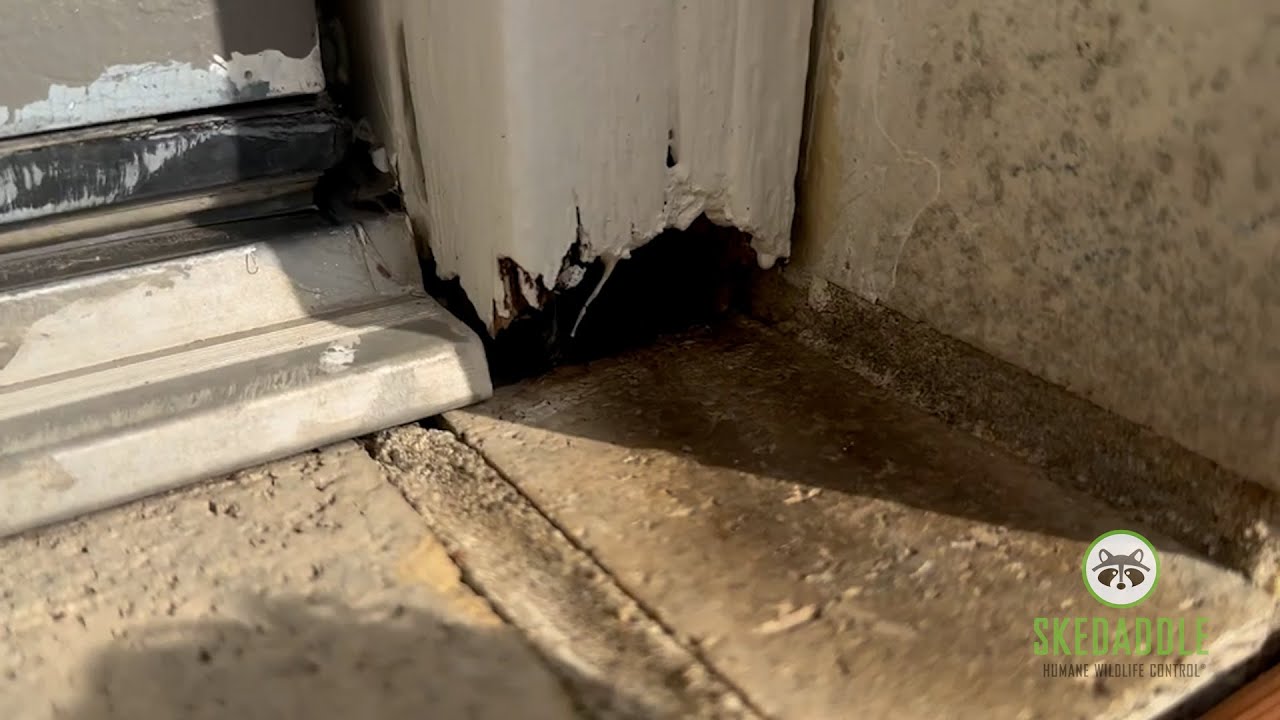
Skedaddle Madison technicians service Mount Horeb homes year-round for mice, squirrels, bats, and raccoons. Mature tree cover along the Trollway and Valley View Heights, older village housing stock, and the surrounding Driftless Area ridges give each species a different route indoors and a different seasonal pattern.
Mice are a recurring call for Skedaddle Madison in Mount Horeb. Skedaddle inspects foundation seams, garage-slab gaps, dryer vents, and utility penetrations, then builds a permanent exclusion plan around openings found. Cleanup and decontamination address indoor areas mice used after the humane exclusion is complete.
Flying squirrels appear alongside tree squirrels here, especially where mature tree cover in Valley View Heights and along the Trollway reaches nearby rooflines. An inspection checks gable vents, soffit returns, roof-edge gaps, and attic activity before selecting a humane exclusion approach. Where suitable, one-way doors let adult squirrels leave and young are reunited with the mother, then durable sealing addresses the openings found.
Skedaddle is prepared to service Mount Horeb homes for bats, including big brown and little brown bats near the Driftless Area edge. Technicians inspect roofline seams, soffits, flashing, and accessible entry routes to identify active access points, then plan exclusion and permanent sealing. Exclusion is scheduled outside Wisconsin’s June 1 to July 31 maternity window (Wisconsin DNR bat program).
Skedaddle is prepared to service Mount Horeb homes for raccoons, from a damaged soffit or roof vent to an attic den. The technician identifies access points, uses a humane one-way door where appropriate, and retrieves and reunites any dependent young with the mother before sealing. Cleanup and decontamination cover interior areas raccoons used, while attic restoration is added when the attic was a den.
Mount Horeb homeowners can also call Skedaddle Madison about skunk removal, bird removal, and rat removal. In fall, technicians assess activity around decks, sheds, vents, and masonry near parks and the Trollway, where skunks settle into winter dens beneath low structures and rats use outdoor cover close to outbuildings. Bird work is planned around applicable protections, including the Migratory Bird Treaty Act. Skedaddle confirms the species and every access point during the on-site inspection before any exclusion work begins, and nesting-season timing determines when bird work can proceed. Skunk removal, rat removal, and bird removal are available service resources. Call (608) 819-9406 or learn more about wildlife removal in Madison.
Scratching above a bedroom in Valley View Heights, droppings in a garage near the Military Ridge State Trail, or a smell from a crawlspace in one of the older homes off Main Street: you don’t need to name the animal first. Describe what you’re noticing and where, and a technician will confirm the species and the entry points at your Mount Horeb home.
What areas of Mount Horeb does Skedaddle service? Skedaddle Madison services every residential area of Mount Horeb, from the older homes around Main Street and the Trollway to Valley View Heights, North Cape Commons and Windflower Village, including properties that back onto the Military Ridge State Trail or parkland. If your home is inside village limits, we service it.
Mount Horeb sits on Military Ridge in the Driftless Area, so many homes are on sloped lots with walkout basements, mature trees over the roofline and woods or farmland at the back edge. A Mount Horeb inspection follows those conditions: the technician checks where a slope exposes foundation seams, where branches reach the soffits and where open ground or parkland meets the yard, then explains what was found before any work begins.
A 1920s house near the Trollway and a newer build in North Cape Commons rarely need the same work, so the quote is itemized: exclusion hardware, sealing scope, cleanup and decontamination, and any attic restoration where animals denned. Every line ties back to a condition the technician found at your property. Call (608) 819-9406 or see the full inspection process.
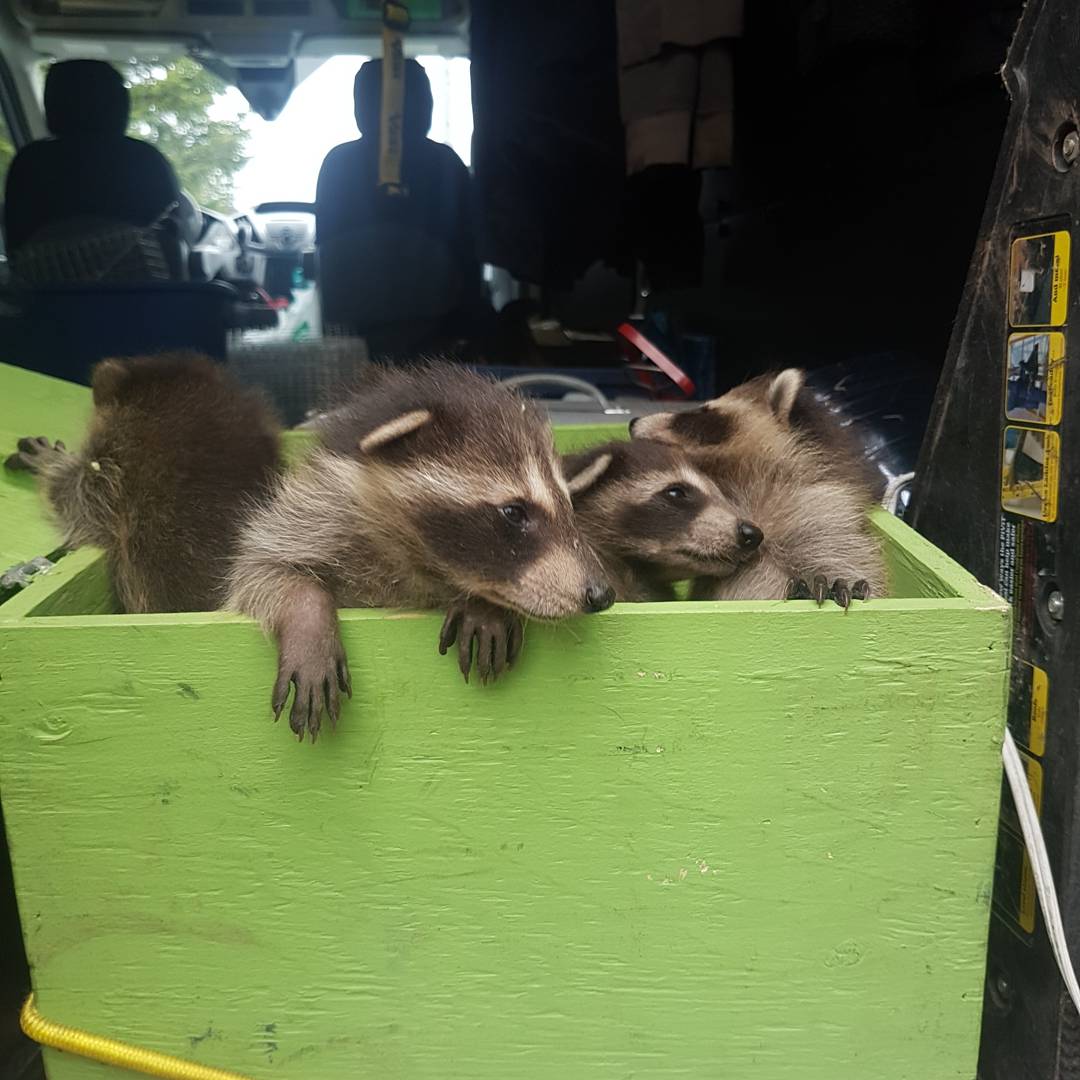

We inspect your Mount Horeb home from the foundation to the roofline, identify the animal and find the openings it is using. Removal then follows the species: a one-way door for an adult raccoon or squirrel, hand retrieval for young, and exclusion timed around the bat maternity window.
Learn more
Once the animals are out, we remove droppings, urine and nesting material from the attic, wall voids, basement or crawlspace they used, and decontaminate the surfaces to clear scent trails. Damaged insulation is replaced where the written scope calls for it.
Learn more
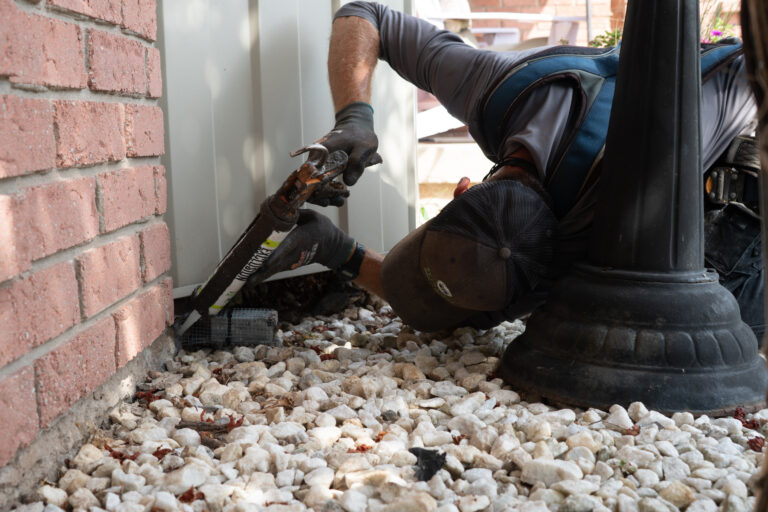
We seal the confirmed openings and the vulnerable spots found nearby, such as gable vents, soffit returns and utility penetrations, with materials built for Wisconsin winters. The sealing work carries a lifetime guarantee on workmanship and materials.
Learn moreWildlife activity in Mount Horeb follows Wisconsin’s weather and breeding cycles. Mice may seek indoor routes as temperatures cool, while bats, squirrels, and raccoons require timing and planning that reflect animal activity and the condition of the home.
| Season | Active species | Notes |
|---|---|---|
| Winter (Dec–Feb) |
Mice (indoor activity), raccoons (attic denning), squirrels (attic denning) | Scratching in walls, insulation damage visible, animals heard moving inside during Wisconsin’s coldest weeks |
| Spring (Mar–May) |
Raccoons (nesting), squirrels (nesting), bats (returning) | Attic scratching, chimney activity, daytime raccoon sightings around Valley View Heights and North Cape Commons |
| Summer (Jun–Aug) |
Bats — colony exclusion paused June 1 to July 31 under the Wisconsin DNR Broad Incidental Take Permit — juvenile squirrels | Bats in living spaces, baby-animal calls, chirping or fluttering heard in the roof at dusk |
| Fall (Sep–Nov) |
Mice (peak entry), squirrels (food storing), raccoons (pre-winter denning) | New scratching sounds at night, droppings in the basement or garage, new entry points appearing in Windflower Village and along the Trollway |
Quarterly focus: Fall is the time to close up Mount Horeb homes before winter. Mice are looking for shelter as temperatures drop, and on homes near the Trollway, Stewart Lake and the mature tree cover around Valley View Heights, technicians check foundation seams, attached garages and rooflines for the gaps they use. Squirrels are storing food and raccoons are looking for a winter den. Wisconsin’s bat maternity restriction ended July 31, and colonies have normally moved to winter habitat by October, so fall bat work focuses on sealing their openings once the inspection confirms they are out. Call (608) 819-9406 or learn more about mouse removal in Madison.
In a village of about 7,750 people surrounded by Driftless hills, parkland and farm fields, wildlife pressure comes from every edge of the property. The four principles below shape how the Madison team plans each Mount Horeb job.
A Mount Horeb plan starts with a thorough inspection, because the answer depends entirely on what that inspection finds — a garage-side foundation gap, a lifted soffit return, and a compromised roof vent each call for different work. Where it is appropriate, a species-specific one-way door lets adult raccoons, squirrels, skunks, and other animals leave under their own movement pattern before the entry point is secured. Any young unable to leave on their own are carefully retrieved and reunited with their mother so she can move them. Bat and bird exclusions use species-appropriate equipment, timed around nesting and maternity periods and Wisconsin’s June 1 to July 31 bat window. Mouse work focuses on finding and sealing entry points rather than on bait.
A suspected maternity den changes the technician’s plan, which matters in spring when raccoons move from the woods around Stewart Lake and Donald County Park into attics and chimneys. Before exclusion work proceeds, the inspection looks for dependent young and identifies the safest humane next step. When a raccoon litter is found, technicians can hand-remove the young and place them in a warmed reunion box near the original entry so the mother can retrieve them. This approach protects the family unit and helps prevent a mother from trying to create a new opening to reach young still inside the home.
After wildlife is out and access points are sealed, Skedaddle removes droppings, urine, and nesting material from every interior area used by the animal, including kitchens, wall voids, basements, crawlspaces, and attics. Affected surfaces are decontaminated to remove scent trails that could attract other wildlife. This cleanup is part of every job, not only attic work. When an animal denned in the attic, damaged insulation is removed and the attic is restored according to the written scope as an additional service.
The permanent-sealing phase addresses the specific conditions found at the Mount Horeb home, with materials selected for the opening and its exposure to wind and cold on the ridge. A roofline repair, foundation closure, or screened vent is not treated as a temporary patch. Full exclusion work is backed by Skedaddle’s lifetime guarantee on all workmanship and materials used to seal your home for life. If wildlife re-enters through an opening Skedaddle sealed, the Madison team returns to re-seal that opening without an additional charge.
Book a Mount Horeb inspection and get a written scope for your home that lists each opening to be sealed, the cleanup and decontamination, any attic restoration, and the lifetime guarantee, before any work begins.
There is no flat price, because a mouse problem at a garage seam in Windflower Village and a raccoon den in the attic of an older home near the Trollway need very different work. After an on-site inspection, Skedaddle Madison gives you a written, itemized quote covering removal, sealing, cleanup and decontamination, and any attic restoration, so you can review the scope and price before deciding. Call (608) 819-9406 to book the inspection.
Sometimes, but it cannot be guaranteed. Mount Horeb is about 20 miles southwest of Madison on US-18/151, and urgent calls, such as a bat in a living space or an animal trapped inside the home, get priority. For everything else, the office books the earliest inspection on the schedule. Call (608) 819-9406 during business hours to find out what is open.
Physical bat exclusion is scheduled outside Wisconsin’s June 1 to July 31 maternity window, because sealing an opening then would trap flightless pups inside. Skedaddle Madison can inspect a Mount Horeb home and plan the work at any time of year, then book the exclusion for the first suitable date after July 31.
Skedaddle Madison services every residential area of Mount Horeb, from the older homes around Main Street and the Trollway to Valley View Heights, North Cape Commons and Windflower Village, including properties that back onto the Military Ridge State Trail or parkland. If your home is inside village limits, we service it.
Yes. Skedaddle follows Wisconsin wildlife regulations, including the DNR’s June 1 to July 31 bat-exclusion window for cave bats covered under the state’s Broad Incidental Take Permit. In Mount Horeb homes, that means no lethal methods and no sealing while dependent young are inside, using humane methods approved by SPCAs and Humane Societies.
In Mount Horeb, fall is when mice start looking for a way inside. The signs tend to show up first around foundation seams and attached garages, then in kitchens and basements as the weather cools. Squirrels are storing food and working at rooflines under the mature trees around Valley View Heights and the Trollway, and raccoons are looking for a sheltered winter den. Bat colonies normally move to winter habitat by October, the Wisconsin DNR notes, so fall bat work focuses on finding and sealing the openings they used once the inspection confirms they have left.
Yes. Full exclusion work on a Mount Horeb home carries Skedaddle’s lifetime guarantee on the workmanship and materials used to seal it. If wildlife gets back in through an opening we sealed, Skedaddle Madison returns and reseals it at no additional charge. Keep the written scope, which lists each sealed opening.
The technician checks the attic for droppings, urine, nesting material and damaged insulation, and in Mount Horeb also checks the walkout basements and crawlspaces common on sloped lots. Contaminated material is removed and surfaces are decontaminated to clear scent trails. When animals denned in the attic, damaged insulation is removed and the attic restored under the written scope.
In the quaint neighborhood of Madison, it is of significant importance for homeowners to coexist harmoniously with the local wildlife. However, when nuisance critters…
Read article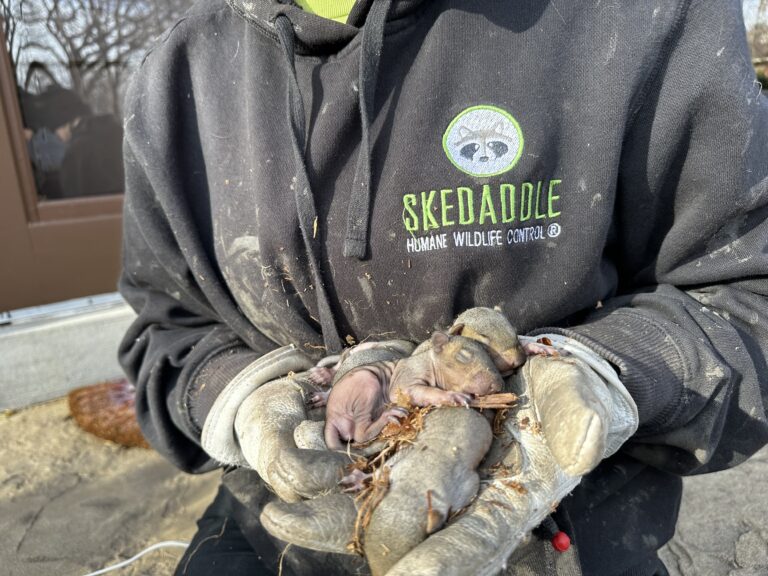
Have you been hearing unusual noises in your home lately? Maybe it’s scratching behind the walls, scurrying overhead, or even the occasional loud thud.…
Read article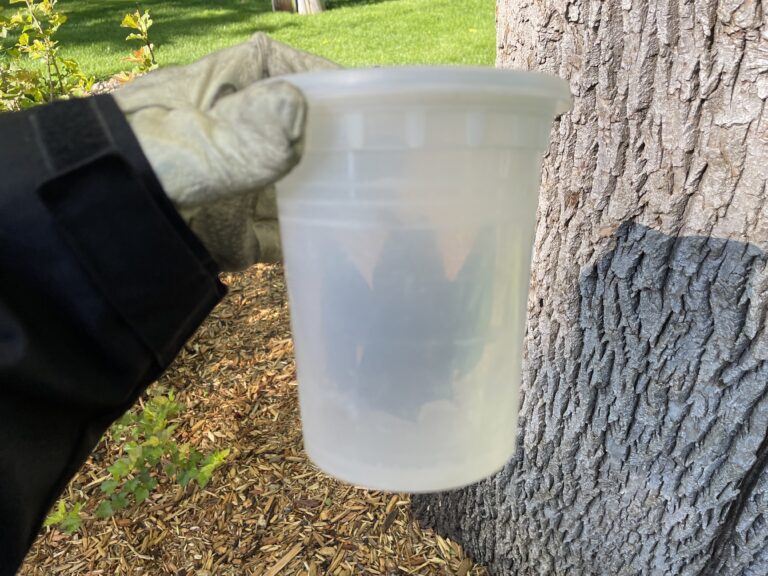
Winter in Madison is beautiful, but it is also very cold. When the snow starts to fall and the wind picks up, you probably…
Read article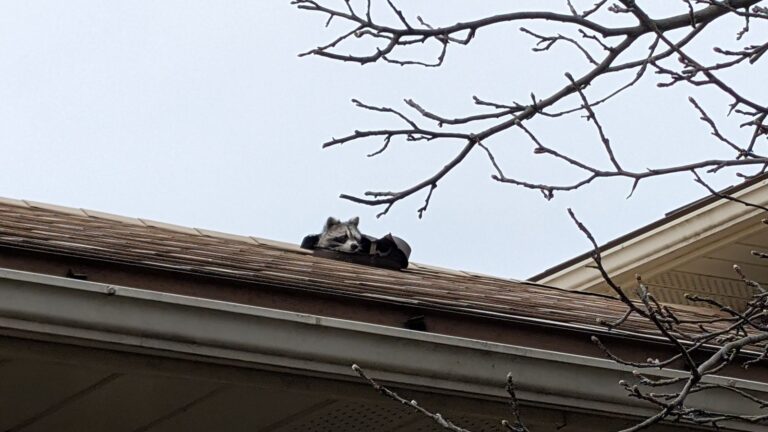
Winter in Madison hits hard. Snow piles up, ice forms on roofs, and cold winds push through every crack. While you’re keeping warm inside,…
Read articleA raccoon working a soffit near Stewart Lake, squirrels testing a roofline along the Trollway, or mice finding a way through an attached-garage seam can turn a small opening into an indoor wildlife problem. Skedaddle Madison manages the full humane process: identify the species and entry points, choose the exclusion method that fits, permanently seal the vulnerabilities, clean and decontaminate the areas wildlife used, restore an attic when the animal denned there, and back the sealing work with a lifetime guarantee. Technicians use humane methods approved by SPCAs and Humane Societies. Call (608) 819-9406 or submit an online request and a Skedaddle Madison team member will follow up.
 menu