







Madison is a city known for its vibrant neighborhoods, scenic lakes, and lively downtown. From the historic charm of Marquette and Willy Street to the family-friendly streets of Middleton and Fitchburg, homeowners across the region enjoy a close connection to nature. But with that beauty comes an increasing challenge, as wildlife finds its way into homes and businesses.
Skedaddle Humane Wildlife Control provides expert wildlife removal in Madison, Wisconsin, using humane techniques backed by over 30 years of experience. We safely remove animals such as raccoons, squirrels, mice, bats, and birds, and prevent future entry with guaranteed solutions. Whether you’re dealing with scratching sounds in your attic near Lake Mendota, or noticing signs of animals around your property close to the University of Wisconsin–Madison campus, our experienced technicians are ready to help.
Call Skedaddle today to schedule your inspection and protect your property before the problem worsens.

From Attics to Basements: Madison’s Most Frequent Wildlife Problems
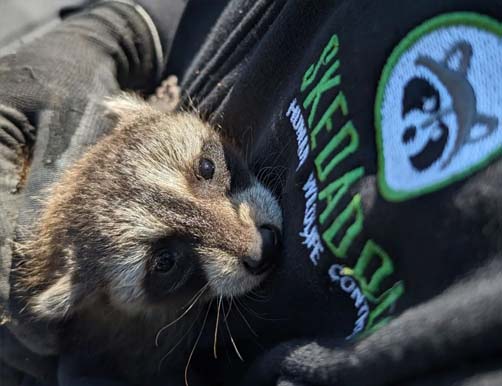
Madison’s mix of urban development and natural green spaces, like Olbrich Botanical Gardens and the UW Arboretum, creates ideal conditions for wildlife to thrive. Unfortunately, that often brings animals into close contact with residential and commercial properties.
As Skedaddle technicians, we frequently encounter:
- Raccoons nesting in attics across neighborhoods like Maple Bluff and Shorewood Hills, especially in older homes with accessible rooflines
- Squirrels chewing through soffits and vents, particularly in tree-lined areas such as Nakoma and Monroe Street
- Mice and Rats entering basements and crawlspaces, common in both historic homes and newer builds
- Birds nesting in vents and chimneys, creating blockages and fire hazards
- Bats roosting in attics, especially near wooded areas or properties close to Lake Mendota and Lake Monona
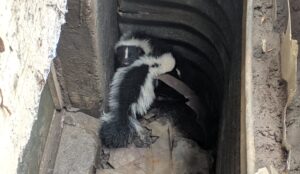
- Skunks digging under decks and porches, often in suburban areas like Fitchburg and Sun Prairie
Wildlife intrusions are rarely isolated incidents. Once animals gain access, they can cause structural damage, contaminate insulation, and create ongoing health risks. That’s why early intervention is critical.
Seasonal Wildlife Activity: What to Expect Year-Round
Madison’s changing seasons have a direct impact on how and when wildlife interacts with homes and businesses. As technicians working in the field every day, we see clear patterns in animal behavior throughout the year. Knowing what to expect can help you stay ahead of potential problems and protect your property more effectively.
Spring: Nesting Season and Increased Activity
As temperatures rise and snow melts, wildlife becomes significantly more active. Spring marks the start of the breeding season for many animals, including raccoons, squirrels, and skunks. During this time, they are actively searching for safe, warm places to give birth and raise their young.
Attics, wall cavities, and even chimneys become prime nesting spots. Homeowners may begin to hear increased noise, scratching, thumping, or chirping, as animals settle in. This is also when we frequently encounter mother animals with babies, which requires careful, humane handling to ensure families stay together and are safely relocated.
Early spring is one of the most important times to address wildlife issues before they grow into larger infestations.
Summer: High Activity and Growing Populations
Summer brings longer days and abundant food sources, which support rapid growth in wildlife populations. Young animals born in spring begin to explore their surroundings, increasing the likelihood of accidental entry into homes.
Bats are especially active during summer, often forming colonies in attics where they can roost undisturbed. Birds may nest in vents, while rodents continue to expand their presence in basements and crawlspaces.
Even though the weather is warm, wildlife problems don’t slow down; in fact, this is a peak time for movement and expansion. Addressing issues early in the summer can prevent more extensive damage later in the year.
Fall: The Search for Warm Shelter
As temperatures begin to drop, wildlife shifts its focus to finding secure shelter for the upcoming winter. This is when animals become more persistent in trying to access homes.
Squirrels, mice, and rats are especially active during fall, seeking entry points into attics and walls where they can stay warm. Raccoons may also look for sheltered spaces if they haven’t already established a den.
Homeowners often notice increased activity around rooflines, vents, and foundations during this time. Fall is the ideal season for preventative work, as sealing entry points now can stop animals before they move in for the winter.
Winter: Quiet Outside, Active Inside
While winters can seem quiet from the outside, wildlife activity often continues indoors. Once animals have gained access to a home, they remain active throughout the colder months.
Rodents and squirrels continue nesting and foraging within walls and attics, causing ongoing damage through chewing and contamination. Raccoons may stay in sheltered spaces, especially during harsh weather conditions.
Because outdoor activity is reduced, infestations can go unnoticed for longer periods. That’s why winter inspections are just as important as those in warmer seasons—catching problems early can prevent costly repairs down the line.
Understanding these seasonal patterns allows homeowners to take proactive steps and call in professional help at the right time, ensuring their property stays protected all year long.
Why Local Residents Choose Skedaddle Humane Wildlife Control
Choosing the right wildlife removal service is critical to protecting your home and ensuring humane treatment of animals. Here’s why local area homeowners trust Skedaddle:
- Over 30 years of experience in humane wildlife removal across North America
- Proven humane methods that prioritize the safety of both people and animals
- Lifetime guarantee on workmanship, giving you long-term peace of mind
- Highly trained technicians who understand Madison’s unique wildlife challenges
- Comprehensive solutions that go beyond removal to prevent future issues
From homes near the Capitol Square to properties in Fitchburg and Sun Prairie, we bring consistent, reliable service backed by decades of expertise.
A Smarter, Humane Way to Remove Wildlife from Your Property
At Skedaddle, we don’t just remove wildlife; we provide a complete solution designed to protect your home for the long term.
Step 1: Detailed Property Assessment
Every service begins with a thorough inspection of your home or business. Our technicians carefully examine:
- Rooflines, vents, and soffits
- Attic and insulation conditions
- Foundation and entry points
- Signs of animal activity such as droppings, nesting, or damage
This detailed assessment allows us to identify not just where animals are entering, but why.
Step 2: Customized Removal Plan
No two wildlife situations are the same. Based on our findings, we create a tailored removal strategy that addresses your specific issue.
We provide a clear, written quote outlining the work required—no surprises, just transparent pricing.
Step 3: Humane Removal Techniques
Our methods are designed to safely remove animals without harm. This includes:
- One-way doors that allow animals to exit but not re-enter
- Careful handling of baby animals to ensure family reunification
- Non-lethal techniques that comply with all local regulations
Most wildlife removals can be completed in as little as one day, depending on the situation.
Step 4: Exclusion and Prevention
Once animals are removed, we secure your home to prevent future entry. This involves sealing all identified access points with durable materials.
Step 5: Cleanup and Attic Restoration
Wildlife can leave behind significant contamination. We take cleanup seriously, offering:
- Removal of contaminated insulation
- Sanitization and deodorization
- Restoration of attic spaces to a safe, healthy condition
Our goal is to leave your home better than we found it.

Wildlife in Your Home? The Health and Safety Risks You Need to Know
When wildlife finds its way into your home or business, the problem goes far beyond nuisance noises or minor inconvenience. As technicians who handle these situations every day throughout the local area, we’ve seen firsthand how quickly a small issue can turn into a serious health and safety concern. Animals like raccoons, squirrels, mice, rats, bats, birds, and skunks can introduce a range of hazards that impact both your property and your well-being.
One of the most significant risks comes from contamination. Wildlife frequently leaves behind droppings, urine, and nesting materials that can accumulate in attics, walls, and crawlspaces. Over time, this buildup can create unhealthy indoor air conditions. Particles from dried droppings can become airborne and circulate through your home’s ventilation system, potentially triggering respiratory issues, especially for children, seniors, or individuals with allergies or asthma. In many cases, homeowners are unaware of the extent of contamination until insulation is removed and the full damage is revealed.
In addition to air quality concerns, wildlife can carry bacteria and pathogens that pose serious health risks. Rodents such as mice and rats are known to spread diseases through their droppings and urine, while raccoons can carry parasites that are harmful to humans. Bats, although an important part of the ecosystem, are also associated with health risks when they roost inside homes. Direct contact is not required for exposure—simply living in a contaminated environment can be enough to create potential problems over time.
Another major concern is the presence of parasites that often accompany wildlife. Animals entering your home may bring fleas, ticks, and mites with them, which can quickly spread throughout the property. Once these parasites establish themselves indoors, they can be difficult to eliminate and may begin to affect both people and pets. What starts as a wildlife issue can quickly become a broader infestation problem that requires additional treatment and cleanup.
Structural damage is also a serious and often underestimated risk. Many animals chew, claw, or tear materials to create nesting spaces. Squirrels and rodents, in particular, have a constant need to gnaw, and this behavior often targets wood, drywall, and even electrical wiring. Damaged wiring is not just costly to repair—it also significantly increases the risk of electrical fires. We’ve encountered many situations where hidden wildlife activity has compromised the safety of a home’s electrical system without the homeowner realizing it.
Moisture and insulation damage further compound the problem. When animals nest in attics, they compress and soil insulation, reducing its effectiveness and increasing energy costs. In some cases, urine saturation can lead to lingering odors and even mold growth, which introduces another layer of health concerns. This type of damage doesn’t just affect comfort—it can impact the overall efficiency and value of your home.
There is also the risk of direct encounters. While most wildlife prefers to avoid humans, animals can become defensive if they feel threatened, especially if they have young nearby. Attempting to handle or remove wildlife without proper training can lead to bites or scratches, which carry their own health risks. This is why professional intervention is always the safest option.
Ultimately, wildlife infestations are not problems that resolve on their own. Left unaddressed, they tend to worsen over time, leading to increased damage, higher repair costs, and greater health risks. Taking action early with a professional, humane wildlife removal service is the best way to protect your home, your family, and your peace of mind.
Sharing Your Home With Wildlife? Skedaddle Can Help!
Living in Madison means enjoying beautiful surroundings, vibrant neighborhoods, and access to nature, but it shouldn’t mean sharing your home with wildlife. Whether you’re in Marquette, Middleton, Shorewood Hills, or near downtown, Skedaddle is here to help with humane, effective wildlife removal solutions.
Don’t wait until the problem gets worse. Contact Skedaddle today for a professional inspection and take the first step toward a wildlife-free home.
Madison Insights
What Urban Wildlife Can Teach Us About Adaptability and Survival
Do Bats Hibernate in Madison Homes During Winter?