Lifetime Guarantee
On workmanship and materials.
Skedaddle Colorado North, serving Cheyenne since 2026. Humane removal. No poison. Permanent exclusion.
Skedaddle Humane Wildlife Control helps Cheyenne homeowners with raccoons, bats, mice and squirrels, along with skunks, rats and birds. We find out how the animal got in, remove it humanely, seal the opening and clean up what it left behind. Cheyenne is a high-plains city with a long, windy winter, so animals here are always looking for a sheltered spot. That might be a chimney on a Capitol North cottage, a roofline gap in Rainsford or a garage in Sun Valley. We plan each job around the animal, the season and the condition of your home.
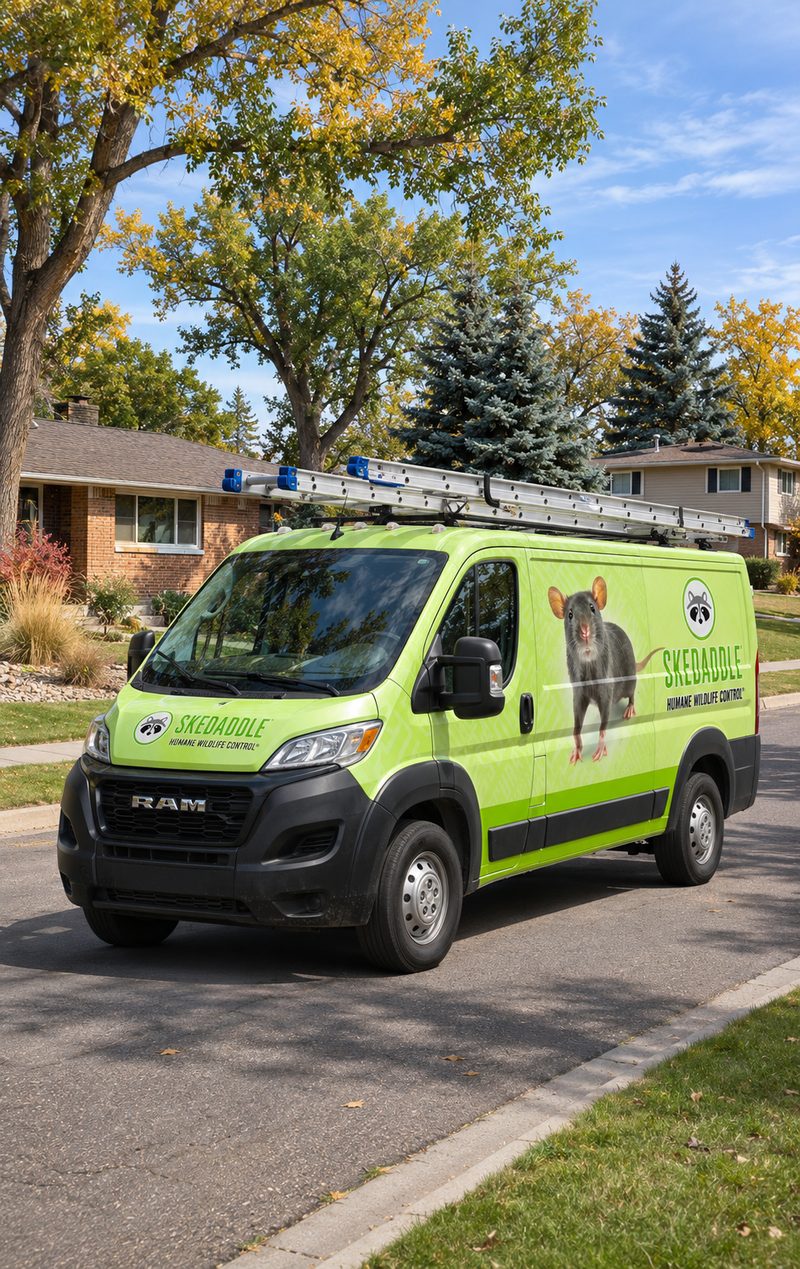
When wildlife moves into your Cheyenne home, getting the animal out is only half the job. We also find and fix the way it got in, and we clean up the mess it made, so you're not dealing with the same problem next season.
Skedaddle Colorado North has served Cheyenne since 2026. Cheyenne homes cover a lot of ground, from 1880s railroad-era houses south of the Union Pacific tracks to newer homes in Saddle Ridge and The Pointe. The city's winter winds can reach 30 to 40 mph with gusts of 50 or 60, according to NOAA's Climate of Wyoming, and that kind of weather loosens vent covers and flashing over time. We look at your home's age, its roofline and any weather wear before we recommend a plan.
Our technicians are trained in wildlife biology, home repair, decontamination and restoration. That matters in Cheyenne, where an animal problem is usually a building problem, too. A squirrel in a Lakeview bungalow and a skunk under a deck in Western Hills need different approaches, so we choose humane, species-specific methods for each one. We always check for babies before sealing anything. Then we walk you through the cleanup or insulation work we recommend, so you know exactly what's happening from removal to repair.
We stand behind our exclusion work with a lifetime guarantee on all workmanship and materials. Your written service scope lists the openings and repairs we're covering, and we go over the terms with you before we start. If one of the spots we sealed ever needs attention, we'll come back to inspect or repair it. The guarantee covers the work we complete, so if an animal turns up somewhere new on the property, we'll take a fresh look at that area.
Hear from founder Bill Dowd about how animal behavior and biology guide our approach at Skedaddle. He explains the limitations of trapping and relocation, and why we pair humane removal with practical prevention to protect homes from future wildlife entry.
We humanely remove raccoons, bats, mice and squirrels from Cheyenne homes, and we handle skunks, rats and birds, too. Cheyenne's tree canopy is part of the story. The city had only 12 trees in 1876, and residents have been planting ever since. Today it has more than 250,000 trees. Those mature trees, the Greenway's creek corridors and the open plains at the city's edge give wildlife plenty of ways to reach a home.
Raccoons in Cheyenne usually get into attics through roof vents, chimneys and damaged soffits, or they den under decks, porches and sheds. Older lots with outbuildings tend to give them extra options. Many original Capitol North homes had carriage barns, and plenty of garages and sheds still stand behind homes across the older neighborhoods.Wyoming law classifies the raccoon as a predatory animal. We check for a mother and babies, plan the removal so the family stays together and seal the opening with heavy-duty materials. Then we clean up the den area, including any latrine.
Big brown bats and little brown myotis are the bats most often found roosting in Wyoming buildings, according to the Wyoming Game and Fish Department's bat conservation plan. In Cheyenne, they often tuck into gaps along the complex rooflines of older homes like those in Rainsford. All Wyoming bats are protected, so we rely on humane exclusion. Maternity colonies form from mid-May to mid-August, and WGFD recommends bat-proofing from October 1 through April 1. Right now is the right time to seal a vacated roost. If someone has touched a bat or woken up with one in the room, the Cheyenne-Laramie County Health Department advises contacting a doctor right away.
Once Cheyenne's cold sets in, mice start looking for a way inside, and they can fit through a gap as small as ¼ inch. Deer mice are the main carriers of hantavirus in Wyoming, so droppings in a garage or basement deserve care. The Wyoming Department of Health advises against sweeping or vacuuming them. In established neighborhoods like Moore Haven Heights, we pay close attention to openings around older garages, foundations and utility lines. We seal every entry point, remove the mice and clean and decontaminate the areas they used.
The fox squirrel is the squirrel we usually find in Cheyenne attics. The Wyoming Game and Fish Department reports it has spread into most urban habitat east of the Continental Divide. Squirrels love Cheyenne's mature street trees, and many of the city's oldest cottonwoods were planted in the early 1900s. A branch reaching the roof gives a squirrel easy access to gable vents, soffits and fascia gaps. Once inside, squirrels can chew wiring and tear up insulation. We check for a litter, install exclusion equipment that fits the opening, reinforce weak spots and clean up nesting material and stored food.
The striped skunk is Wyoming's most common skunk, according to University of Wyoming Extension, and it loves the space under a Cheyenne deck, porch or shed. Pet food, bird seed and open trash draw skunks in. Skunks are also one of the two animals in which rabies is most often found in Wyoming, so we avoid handling them directly. We look for tracks and digging to confirm a skunk is actually living there, check for a litter in late spring and use a one-way approach when the timing and den suit it. Then we install L-shaped screening below the soil so skunks can't dig back under.
Norway rats aren't native to Wyoming, but federal rodent surveys from the mid-1900s found established infestations across much of Laramie County. Rats leave bigger signs than mice: droppings up to about ¾ inch long, entry holes 2 to 3 inches wide and burrows along foundations or fences. We confirm the species, find where the rats are getting in and nesting and seal those spots with materials they can't chew through. Then we clean and decontaminate the areas they've used.
Starlings and house sparrows are the birds we most often see nesting in dryer vents, bathroom vents and gaps under the eaves of Cheyenne homes. Neither one is protected under the Migratory Bird Treaty Act, the U.S. Fish and Wildlife Service confirms, but most native birds and their active nests are. That's why we identify the bird and check the nest before recommending any work. For non-native birds, we clear the nesting material, clean the area and install vent covers or other exclusion fittings, which also gets the air flowing through the vent again.
Scratching at dawn, thumping at night or a funny smell near a vent can all mean different animals. Tell us what you're noticing, and we'll come out, figure out who's moved in and explain how we'll get them out and keep them out.
We serve homeowners all over Cheyenne, from the seven historic districts near the State Capitol and downtown to the newer neighborhoods on the north and east sides of town. The areas below are examples, not a complete list. When you book, we'll confirm availability for your address, including surrounding communities.
Every job starts with an inspection. We connect what you're seeing and hearing inside to the way the animal is getting in, then lay out a clear plan for removal, cleanup and protection before any work begins.
Your written quote breaks out the removal, exclusion, cleanup and any attic restoration, with pricing for each. Not every wildlife problem needs a full attic restoration, and we only recommend the work your home actually needs.
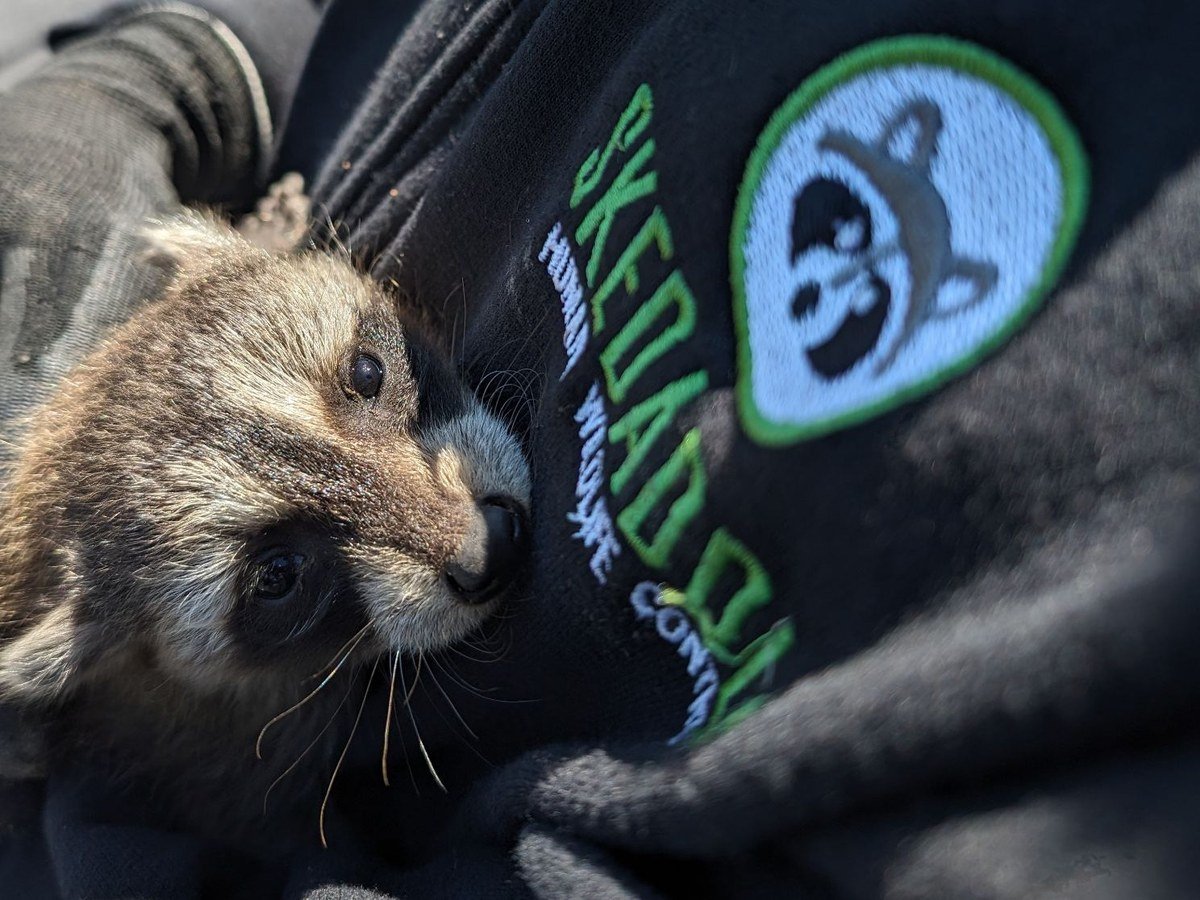

We start by inspecting your Cheyenne home to identify the animal, find the way in and see which spaces it has used. Whether it's a chimney on a Rainsford rooftop or a foundation gap in Sun Valley, we trace the route first. Then we choose a humane removal method that fits the species, any babies and the time of year.
Learn more
Next, we look at the droppings, nesting material and other contamination the animal left behind. Sometimes a targeted cleaning and decontamination is enough. Other times, affected materials need to come out. If attic insulation is soiled or damaged, we spell out the removal, replacement and restoration work in your written scope.
Learn more
Once we've confirmed the animals are gone, we seal the entry points and reinforce the weak spots with durable exclusion materials built for Cheyenne's wind and winters. Your written scope lists every opening and repair we're covering. Our exclusion work comes with a lifetime guarantee on all workmanship and materials.
Learn moreCheyenne's seasons shape what animals are up to and when certain work can happen. Here's how our focus shifts through the year. The exact plan always depends on what we find at your home.
| Season | Wildlife focus | Our service focus |
|---|---|---|
| Spring (March–May) |
Raccoons, squirrels and skunks with young | Cheyenne's snowiest months are usually March and April, and that's also when babies arrive. We check attics, chimneys and spaces under decks for young before planning removal. |
| Summer (June–August) |
Bats and squirrels | Bat maternity colonies are active, so we confirm occupancy and plan exclusion for later in the year. We also check rooflines for squirrel activity. |
| Fall (September–November) |
Mice, squirrels and bats | Mice move indoors as the weather turns. We trace garage, foundation and utility gaps, and bat-proofing season opens on October 1. |
| Winter (December–February) |
Mice and squirrels indoors | We investigate activity in walls and attics, seal vacated bat roosts and check for wind damage around vents and rooflines. |
Quarterly focus: October–December 2026: This is the season when Cheyenne homes get the most uninvited guests looking for warmth. We're focused on mouse entry points around garages and foundations, squirrels using the city's mature trees to reach rooflines and bat roosts that have emptied out for the winter. The Wyoming Game and Fish Department recommends bat-proofing between October 1 and April 1, so now is a good time to close those gaps for good. We'll bring the removal, sealing and any cleanup together in one written plan.
Everything we do ties humane removal to the repairs and cleanup that protect your home. Each step responds to what we found during the inspection.
We pick the method that fits the animal and the house. That could be hands-on removal of babies, species-specific exclusion equipment, one-way devices where they suit the opening or timing the work around bat maternity season. A chimney on an older Capitol North home and a gap under a newer Saddle Ridge deck call for completely different plans. We decide when removal is complete and when an opening is ready to be closed for good.
We plan for the whole animal family, not just the adult you spotted. When it's appropriate, we use heated reunion boxes and species-specific reunification techniques so a mother can collect her babies. We check occupied spaces carefully before moving on to repairs. A quiet afternoon doesn't always mean a den is empty, so we confirm before we seal.
We figure out whether your Cheyenne home needs a spot cleanup or a bigger insulation replacement. We'll show you the contaminated areas, explain the materials involved and put the recommended cleanup in your quote. Deer mice carry hantavirus in Wyoming, so we take rodent contamination seriously without assuming every case involves disease. The work always matches the actual damage.
We provide a lifetime guarantee on all workmanship and materials. Your written scope makes it clear which areas are covered, and we explain the terms before we start. If one of those protected spots ever needs attention, our follow-up can include an inspection or repair. It's straightforward protection for the work we complete.
It depends on the animal, how it's getting in and how much sealing, cleanup and insulation work your home needs. We inspect your home first, explain what we found and give you a written quote that breaks out each part of the work. You'll know exactly what's included and what it costs before we start.
We book inspections based on current availability, so we can't promise same-day removal. When you call, we'll ask where the animal is and whether it has gotten into your living space, and we'll use that to schedule your visit. Sometimes inspection and removal happen on different days, especially with bats, babies or bad weather.
The Wyoming Game and Fish Department recommends bat-proofing between October 1 and April 1, after maternity colonies have broken up and bats are roosting elsewhere. Excluding bats in summer can seal flightless pups inside, so we plan around that season. We inspect the roost and confirm it's empty before we seal it. If anyone has had contact with a bat, contact a doctor right away.
We serve all of Cheyenne, including Capitol North, Rainsford, Lakeview, South Cheyenne, Moore Haven Heights, downtown, Western Hills, Sun Valley, Indian Hills, Saddle Ridge and The Pointe. We also serve Laramie and surrounding communities, confirmed when you book. Just give us your address, and we'll confirm availability.
Yes. We identify the species before choosing a method, because Wyoming treats animals differently. Bats are protected, raccoons and skunks are classified as predatory animals and squirrels are small game. We follow the Wyoming Game and Fish Department's guidance, plan around babies and seasonal timing and use humane methods approved by SPCAs and Humane Societies.
Through late fall and winter, we mostly see mice moving into garages, basements and walls, squirrels getting into attics from nearby trees and raccoons denning in chimneys and under decks. It's also bat-proofing season, so we seal roosts that bats used over the summer. We'll inspect your home to confirm which animal you're dealing with and how it got in.
Yes. We offer a lifetime guarantee on all workmanship and materials. Your written service terms list the areas we've sealed and what's covered. If one of those spots ever needs attention, our follow-up can include an inspection or repair. New activity somewhere else on the property isn't automatically covered, but we're always happy to take a look.
We check the attic for droppings, nesting material and insulation damage, then recommend either a targeted cleanup or a fuller restoration. That can include removing affected materials, decontaminating the space and installing new insulation. We include the recommended work in your written scope, so it's tied to the actual condition of your attic.
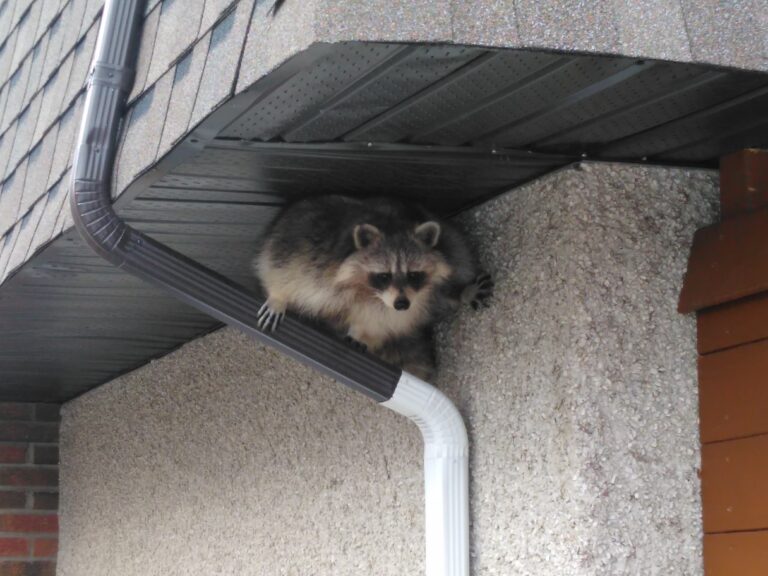
Although all animal bites are potentially dangerous, getting bitten by a raccoon can be life-threatening. Even if the bite looks small and insignificant, you…
Read the full article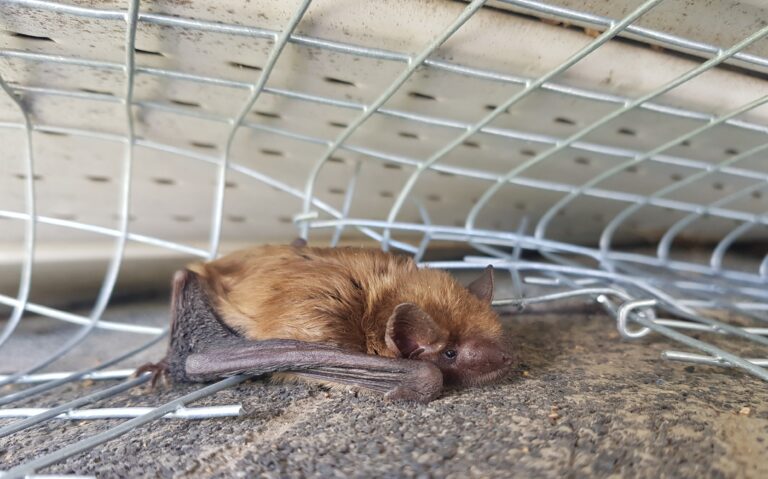
Having bats in your home can be a disconcerting experience. Roosting animals are often loud and destructive. They also expose you and your family…
Read the full article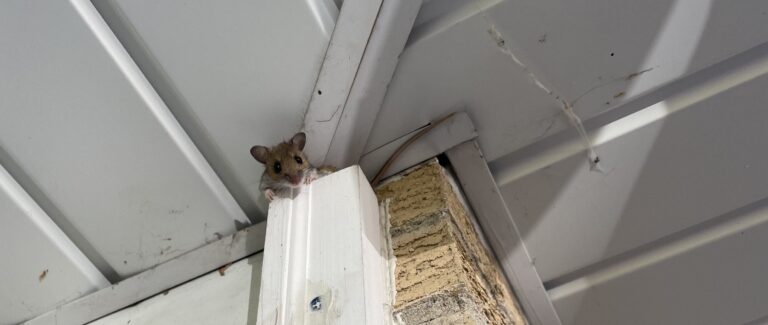
Over the past few weeks, you've noticed tiny droppings along the walls, holes chewed in pantry boxes, and the sound of skittering and scratching…
Read the full article
Squirrels are cute, playful creatures that are frequently seen in our neighborhoods throughout the summer months. You probably enjoy seeing the animals frolic in…
Read the full articleMaybe it's a raccoon in a chimney near the State Capitol, a squirrel running along a cottonwood limb to your roof in Lakeview or mice slipping in through a garage seam in Sun Valley. Whatever's going on, we'd be glad to help. We'll identify the animal, remove it humanely with one-way devices or hands-on methods where they fit, seal the way in, decontaminate the area and restore your attic if it needs it. Our methods are approved by SPCAs and Humane Societies, and our work is backed by a lifetime guarantee on all workmanship and materials. Call 970-289-1322 or book your Cheyenne inspection online.
 menu