


Wyoming Wildlife Removal & Rodent Control

PROUDLY SERVING •

Cheyenne, Laramie

Skedaddle in Wyoming: Humane wildlife removal for Cheyenne and Laramie homes

Care for the animals. Protection for your home.

Skedaddle Humane Wildlife Control provides humane wildlife removal and rodent control for homes in Cheyenne, Laramie and the surrounding area. We remove raccoons, bats, mice, squirrels, skunks, rats and birds, then seal the openings they used and clean up what they left behind. Maybe it's scratching above the ceiling of a Capitol North cottage, a skunk settling in under a deck in South Laramie or droppings in a garage near the Greenway. Whatever it is, we start the same way: by finding out exactly how the animal is getting in. We plan around Wyoming's wildlife rules and seasons, including guidance from the Wyoming Game and Fish Department, which calls permanent exclusion the preferred solution.

Humane removalNo poisonLifetime guarantee on all workmanship and materialsPart of the Skedaddle network, founded in 1989
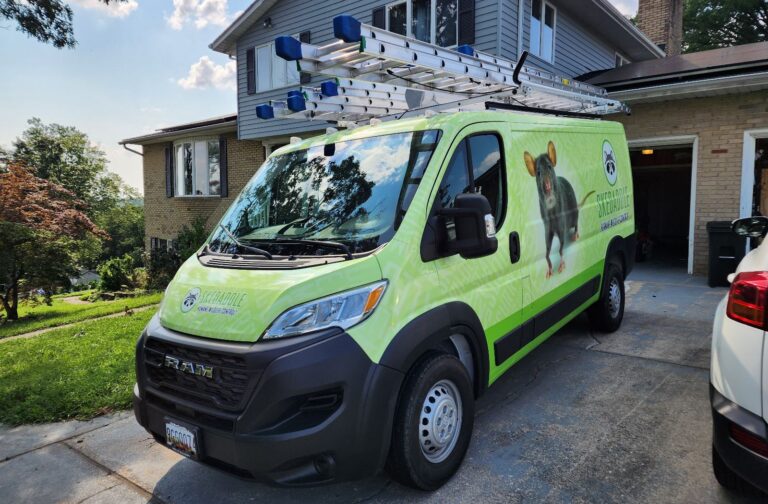
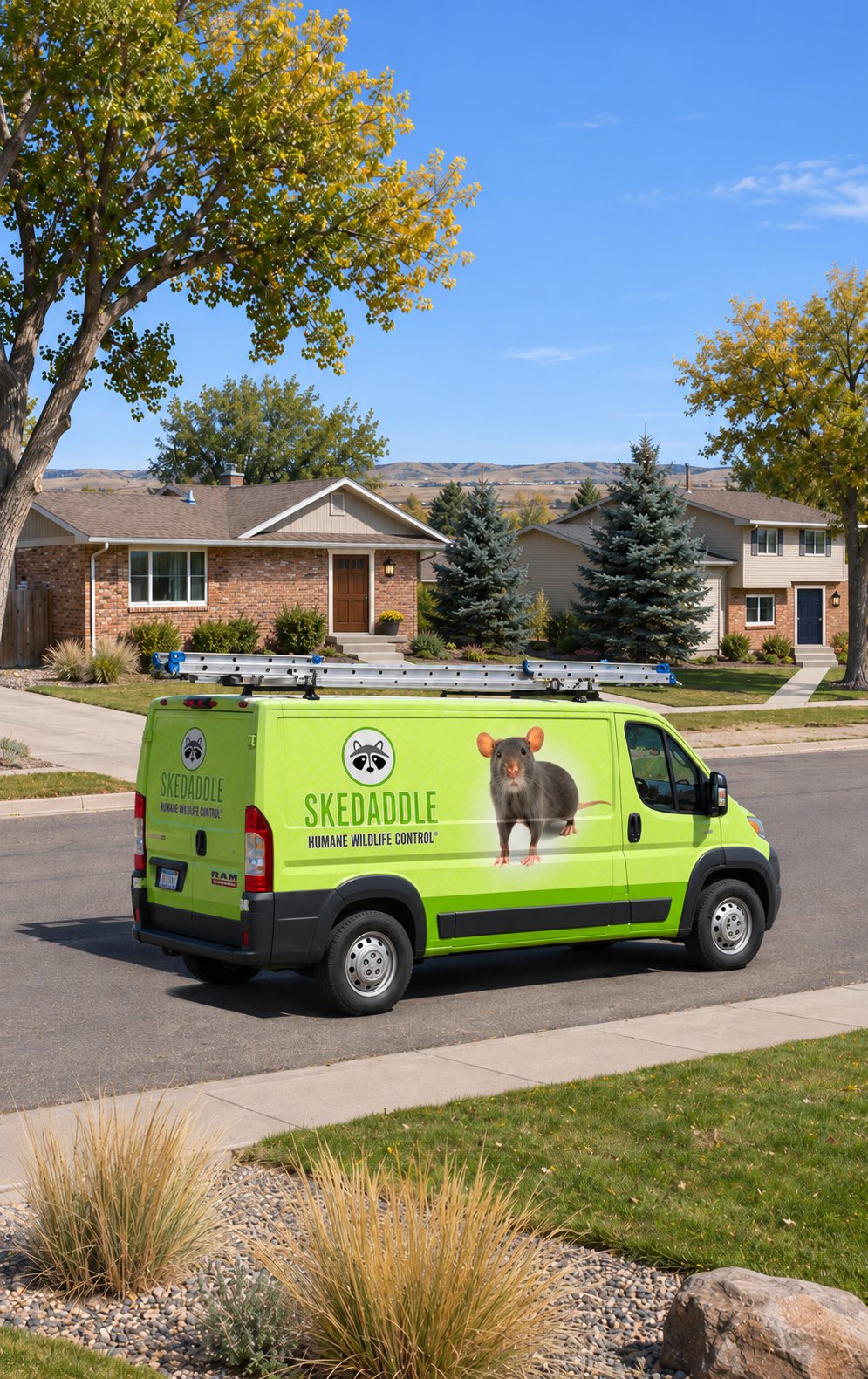
Skedaddle Humane Wildlife Control van parked on a residential street

At A Glance

  • Service area: Cheyenne, Laramie and the surrounding Wyoming communities we confirm when you book.

  • Species handled: Raccoons, bats, mice, squirrels, skunks, rats and birds.

  • Inspection: We identify the wildlife, trace its entry routes and assess the affected areas before we recommend work or give a quote.

  • Method: Humane, species-appropriate removal. We choose the technique that suits the animal and the structure, and we seal entry points durably.

  • Cleanup: We remove droppings and nesting material, and provide attic restoration where needed.

  • Guarantee: Lifetime guarantee on all workmanship and materials.

Why homeowners choose Skedaddle

Living in Wyoming means long winters, big wind and wildlife that's always looking for a warm spot. Fox squirrels have moved into the urban trees of the eastern plains. Bats tuck into older buildings. Deer mice slip into garages when the cold sets in, and skunks are happy to move in under a shed. When an animal finds its way into your home, we don't just get it out. We fix the way it got in and clean up after it, and we walk you through each step before we start.

Local service written to Wyoming's rules

Our Colorado North location opened in 2026 and serves Cheyenne, Laramie and the surrounding area in Wyoming. Wyoming handles wildlife its own way. State law treats raccoons and skunks differently from tree squirrels, and its bat guidance comes from the Wyoming Game and Fish Department's own conservation planning. So we work from Wyoming's rules, not rules borrowed from another state. When we visit, we look closely at your home, tell you what we found in plain language and give you a written quote that separates removal, exclusion and cleanup.

Training that connects wildlife and home repair

Our technicians are trained in wildlife biology, home repair, decontamination and restoration. That mix matters, because an animal problem is almost always a building problem too. Before we seal anything, we pick a humane technique for the species and the structure, check for babies and make sure it's safe to close the opening. We also look at older repairs and weak spots along the way. That could be a gable vent on a 1900s frame house in the Capitol North Historic District or the foundation of a backyard shed on Laramie's West Side.

The lifetime guarantee behind our work

We provide a lifetime guarantee on all workmanship and materials. Your written service scope spells out the exclusion work we're doing at your home, and we'll go over the terms with you before we begin. The guarantee covers the work we complete. If an animal shows up somewhere else on the property later, we'll take a fresh look at that spot. Wyoming winters are tough on a house, so we use durable materials and build our repairs around the condition of your home.

The Mission Behind Skedaddle: Since 1989

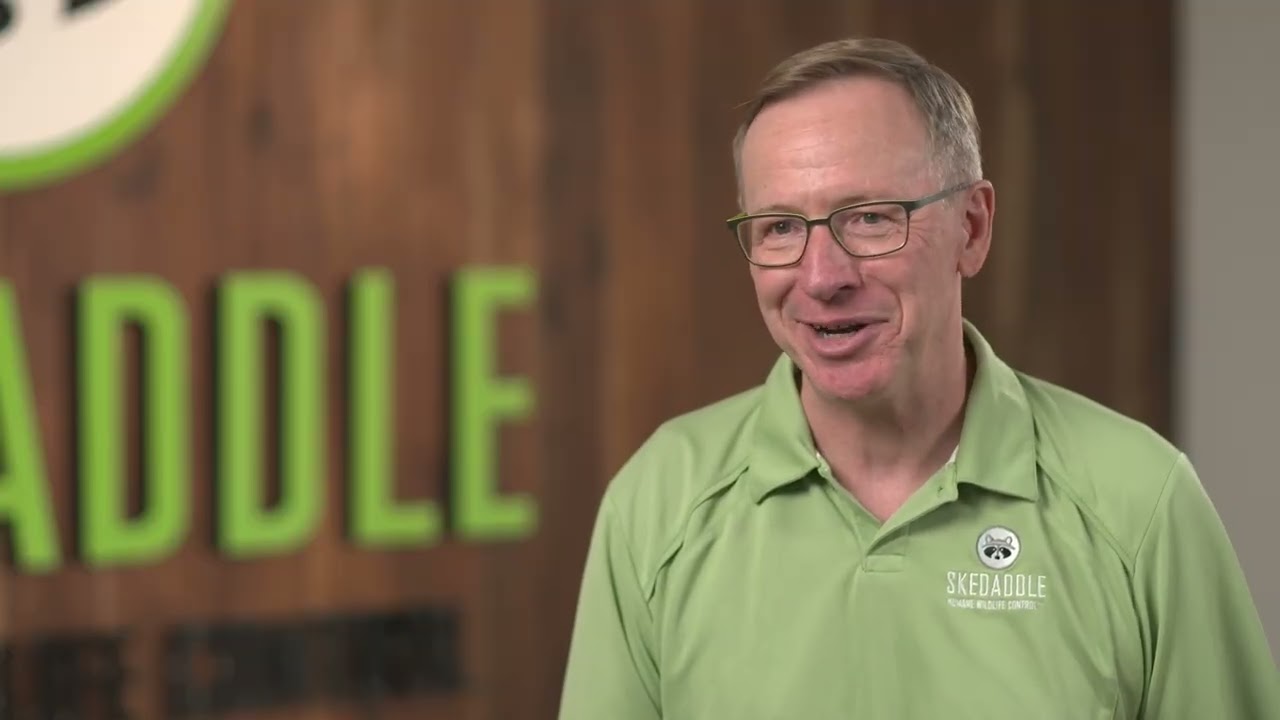
Our founder, Bill Dowd, talks about why Skedaddle does things the humane way: understanding wildlife, caring for the animals and protecting the homes they wander into.

Bill Dowd, Skedaddle founder and CEO, explains the humane wildlife control method Skedaddle has used since 1989.
Wildlife control · 7 species handled

Wildlife control in Wyoming

Cheyenne and Laramie are high-plains towns, and Laramie sits at 7,165 feet. When winter rolls in, wildlife looks for the same thing we do: a warm, dry place out of the wind. Both cities grew up along the Union Pacific line, and their oldest neighborhoods are full of mature trees and wood-frame homes dating back to the 1880s. Newer neighborhoods like Saddle Ridge and The Pointe sit several miles out from downtown Cheyenne. Green corridors tie it all together, from the Greater Cheyenne Greenway along Crow Creek and Dry Creek to the Laramie River Greenbelt. Below, we cover each of the seven animals we handle: how it behaves here, the Wyoming rules that apply and how we take care of it at your home.

Young raccoon resting inside a green reunion box

Raccoon removal

When a raccoon gets into a Wyoming attic, it usually comes in through a roof vent, a chimney or a damaged soffit. Raccoons also like to den under decks and in garages and sheds, especially when there's pet food, trash or bird seed close by. That makes older lots with outbuildings a natural fit. Many of the original homes in Cheyenne's Capitol North neighborhood had carriage barns and large yards, for example. Under Wyoming law, the raccoon is classified as a predatory animal, along with the skunk, red fox and coyote, so it falls under different rules from game species.

Bat clinging to a brick wall beneath a ledge

Bat removal

If bats are roosting in your Wyoming home, they're most likely big brown bats or little brown myotis. Those are the two species most often found in buildings, according to the Wyoming Game and Fish Department's bat conservation plan. They like the tight, warm gaps you find in older homes, like the eclectic rooflines of Cheyenne's Rainsford Historic District. All Wyoming bats are protected from intentional take by Game and Fish Commission regulation, so our bat work is all about humane exclusion. Timing really matters here. Female bats form maternity colonies from mid-May to mid-August, and big brown bat pups are born from May through July. Seal a house during that window, and young bats that can't fly yet can be sealed inside. That's why WGFD recommends bat-proofing from October 1 through April 1, when bats are roosting elsewhere. The plan also notes that no bats have been found hibernating in Wyoming buildings.

Mouse perched on a coil of black cable

Mouse removal

Mice are a year-round headache in Wyoming homes, and they can squeeze through a gap as small as ¼ inch. Two species cause most of the trouble indoors. House mice live close to people and build hidden nests from soft materials. Deer mice stay active all winter, don't hibernate and are the main carriers of hantavirus in Wyoming. Hantavirus is rare but serious. The Wyoming Department of Health has recorded 18 human hantavirus cases since 1999, seven of them fatal. It advises against sweeping or vacuuming droppings, since that can kick contaminated dust into the air.

Young squirrel held in a blue-gloved hand above a box of nesting material

Squirrel removal

Wyoming has two tree squirrels that homeowners deal with. Fox squirrels have spread, through releases and dispersal, into most of the urban, farm and riverside habitat east of the Continental Divide. Red squirrels live up in the mountain spruce-fir and pine forests. Fox squirrels are the ones we usually find in Cheyenne and Laramie attics. They stay busy all year and stash food in and around buildings, so once one finds a gap in your roofline, it may keep using it all winter. Tree-lined neighborhoods give them plenty of ways up, from the mature trees of Western Hills to the blocks around LaPrele Park in the southeast part of Laramie's original town site. Homes and cabins near the Laramie Range and Snowy Range forests can get red squirrels, too.

Young striped skunk on gravel beside a white window frame

Skunk removal

Wyoming is home to three kinds of skunks, and the striped skunk is the one you're most likely to meet, according to University of Wyoming Extension. Skunks den under sheds, decks, porches, woodpiles and crawl spaces. They're drawn to pet food, open trash, bird seed and the mice that gather around those foods. That's why yards with sheds and outbuildings get our attention. Laramie's West Side Historic District, between the rail yard and the Laramie River, is known for its garages, sheds and outbuildings. The striped skunk is a predatory animal under Wyoming law. Skunks are also one of the two animals in which the Wyoming Department of Health most often finds rabies. That's one more reason we avoid handling them directly and keep them away from your pets and family.

Brown rat crouched on a green mat beside a metal wall

Rat removal

The Norway rat isn't native to Wyoming. It came in with people, and federal rodent surveys from the mid-1900s found established infestations across much of Laramie County, spreading west from Nebraska. A University of Wyoming zoologist told Cowboy State Daily in 2026 that non-native rats occur throughout the state and can multiply quickly when conditions suit them. Wyoming also has native woodrats, often called packrats, that sometimes move into sheds and rural outbuildings. Most rat problems inside homes, though, involve Norway rats.

European starling perched on a wooden beam in an attic

Bird removal

Birds in Wyoming homes usually nest in dryer and bathroom vents, gutters, soffit gaps and under the eaves. Older brick buildings with ledges and gaps can draw them, too, like those in Downtown Laramie's historic district, which is made up almost entirely of two-story brick buildings from about 1870 to 1938. What we're allowed to do depends on the species. Wyoming law names the starling and the English sparrow, also called the house sparrow, as predacious birds. The U.S. Fish and Wildlife Service confirms that European starlings, rock pigeons and house sparrows aren't protected under the Migratory Bird Treaty Act. Most native birds, along with their nests and eggs, are protected under federal law, and Wyoming's protected-bird definition follows that federal standard.

Hearing something in the attic or walls?

Scratching at dawn, thumping at night or a new smell near a vent all point to different animals. Tell us what you're hearing, and we'll come take a look, figure out who's moved in and explain the removal, sealing and cleanup your home needs.

Wildlife by season

We plan wildlife work around the animals we find and the condition of your home, not just the calendar. Still, Wyoming's elevation and long cold season shape when animals look for shelter and when certain work can happen. Here's how our priorities shift through the year. The actual method, timing and cleanup always depend on what we find at your home.

QuarterSeasonal focusOur service focus
January–MarchDeep winter, mice active indoors and squirrels using cached food in buildingsWe trace rodent and squirrel activity in attics and walls, assess contamination and complete bat-proofing while bats are roosting elsewhere.
April–JuneBats return, skunk litters arrive and birds nestWe check for babies under decks and sheds, assess active nests and plan bat work around the maternity season.
July–SeptemberMaternity colonies peak and young bats learn to flyWe confirm bat occupancy before planning exclusion, and we line up roofline and rodent repairs to finish before the cold arrives.
October–DecemberBat-proofing season opens and rodents look for winter shelterWe seal roost entry points once bats have left, trace mouse access around garages and foundations, and explain cleanup and insulation restoration.

Quarterly focus: October–December 2026

Fall and early winter is the window the Wyoming Game and Fish Department recommends for bat-proofing buildings, from October 1 through April 1, while bats are roosting elsewhere. We still confirm a roost is empty before we seal it. Colder weather also pushes mice and fox squirrels toward the warmth of Cheyenne and Laramie homes, whether you're in a Lakeview bungalow or a newer build in Saddle Ridge. We check garage, foundation and utility openings for rodents and follow squirrel trails along the roofline. If droppings or nesting material have built up, we'll explain the cleanup and insulation work your home needs before the deepest part of winter.

Communities we serve

Our Wyoming team serves homes throughout Cheyenne and Laramie, with surrounding communities confirmed when you book. Cheyenne has seven historic districts, and each one comes with its own kind of house. Rainsford, east of downtown, is mostly wood-frame homes built between 1885 and the 1930s. Lakeview is full of modest cottages and bungalows first built for railroad workers and clerks, and South Cheyenne, south of the Union Pacific tracks, grew from the 1880s to the 1940s. Farther out, Sun Valley's raised ranches and split-levels and Indian Hills' 1950s to 1970s homes sit close to parks and Greenway paths, and Moore Haven Heights is near Lions Park and Sloan's Lake, home to the Cheyenne Botanic Gardens. In Laramie, Wyoming homes, we work everywhere from the brick blocks of downtown and the West Side's small homes and outbuildings to neighborhoods along Spring Creek near LaPrele Park and out toward the Wyoming Territorial Prison on the Big Laramie River. Every home is different, so we tailor each inspection to the one in front of us.

  • Capitol North, Cheyenne
  • Rainsford, Cheyenne
  • Lakeview, Cheyenne
  • South Cheyenne
  • Moore Haven Heights, Cheyenne
  • Western Hills, Cheyenne
  • Sun Valley, Cheyenne
  • Indian Hills, Cheyenne
  • Saddle Ridge, Cheyenne
  • The Pointe, Cheyenne
  • Downtown Laramie
  • West Side, Laramie
  • South Laramie
  • Grand View Heights, Laramie
  • Sherman Hills, Laramie

Serving your neighborhood

Whether you live near the State Capitol, along the Dry Creek Greenway or a few blocks from the University of Wyoming campus, our Wyoming team is ready to help. Book an inspection, and we'll put together a wildlife-removal plan built around your home.

Skedaddle's Three-Step Wildlife Removal Process

Step 1

Assess And Remove

We start with a careful inspection of your home to identify the animal, find the active entry points and see how far the problem goes. Then our technicians use proven, species-appropriate methods to get the animals out safely and humanely.

Learn more about assess and remove
Step 2

Clear And Clean

Once the animals are out, we clean and decontaminate the areas they used, removing nesting material, droppings and anything else they left behind. When it's needed, we also deal with damaged insulation and restore the space to a clean, healthy condition.

Learn more about clear and clean
Step 3

Prevent And Protect

Finally, we find the weak spots and seal both the confirmed and the likely entry points so wildlife can't come back. Our exclusion work carries a lifetime guarantee on all workmanship and materials.

Learn more about prevent and protect

Inside the exclusion process

Our approach follows three stages: Assess and Remove, Clear and Clean, and Prevent and Protect. We tie humane removal to protecting your home, and what we learn during the inspection decides the tools, timing, repairs and cleanup we recommend.

A humane approach to wildlife removal

We match the method to the animal and the house. Depending on what we find, that might mean hands-on removal of young, species-specific exclusion equipment, one-way devices where they suit the opening, timing the work around bat maternity season or a mix of these. A Rainsford home with a complex roofline needs a different plan from a newer split-level in Sun Valley. Whatever the method, the goal is the same: get the wildlife out, take care of any babies and permanently close the openings they used.

Reuniting mothers with young whenever possible

We check occupied spaces for babies and build them into the removal plan. Where it's appropriate, our technicians use species-specific reunification methods and heated reunion boxes so mothers can collect their young. We plan for the whole family, not just the adult you saw on the roof.

Decontamination and attic restoration

We look closely at the spaces wildlife used before we recommend any cleanup. In Wyoming, deer mice carry hantavirus, so rodent contamination needs more than a quick tidy-up. We assess the affected materials and explain the cleaning and decontamination we recommend, without assuming every infestation carries disease. Attic restoration may include removing contaminated materials and replacing insulation. We'll tell you whether your home needs a targeted cleanup or a bigger restoration, and why.

Why every seal carries a lifetime guarantee

We back our exclusion work with a lifetime guarantee on all workmanship and materials. Your written scope lists the repairs we're doing, and we walk you through the terms. The guarantee is tied to the work we complete, not an open-ended promise about every animal that might show up in the future.

Ready to book?

Let's take the guesswork out of your wildlife problem. We'll inspect your home, tell you what we find and recommend the work needed to get the animals out and close the way in.

Service area and contact

Business name
Skedaddle Humane Wildlife Control: Colorado North (serving Cheyenne and Laramie, Wyoming)
Service area
Cheyenne and Laramie, Wyoming, and surrounding communities confirmed when you book.
hours
Monday to Friday 5:30 am to 7:00 pm
Saturday 6:00 am to 3:00 pm | Sunday 8:00 am to 2:00 pm
established
Our Colorado North location was established in 2026 and serves Cheyenne and Laramie, Wyoming. Skedaddle Humane Wildlife Control was founded in 1989 by Bill Dowd.
Google Business Profile
Regulatory Guidance
We assess the species and conditions before choosing a removal method, and we follow the Wyoming Game and Fish Department's urban and nuisance wildlife guidance.

Frequently asked questions

What happens during a wildlife inspection?

We walk the outside of your home from the foundation to the roofline and check the attic and any other spaces where you've noticed activity. We're looking for the animal, the way it's getting in, any babies and the mess it has left behind. Then we explain what we found in plain language and give you a written quote that separates removal, exclusion and cleanup, so you know exactly what you're paying for.

When can bats be excluded from a Wyoming home?

The Wyoming Game and Fish Department recommends bat-proofing buildings from October 1 through April 1, when bats are roosting elsewhere. Maternity colonies form from mid-May to mid-August, and pups that can't fly yet can be sealed inside if exclusion happens then. All Wyoming bats are protected from intentional take, so we never harm them. We confirm whether the roost is occupied, then install exclusion devices and seal the remaining gaps at the right time.

What should I do if I find a bat inside my home?

If anyone has touched a bat or woken up with one in the room, the Wyoming Department of Health advises calling a doctor right away. In Wyoming, rabies is most often found in bats and skunks, so it's best not to handle a bat with bare hands. The Wyoming Game and Fish Department can help arrange rabies testing for bats. Once that's taken care of, we'll inspect your home to find how the bats are getting in and plan the exclusion.

Are mouse droppings in my home dangerous?

They can be. Deer mice are the main carriers of hantavirus in Wyoming, and the Wyoming Department of Health has recorded 18 human cases since 1999, seven of them fatal. The department advises against sweeping or vacuuming droppings, because that can put contaminated dust into the air. We find and seal the entry points, remove the mice, and clean and decontaminate the affected areas, including replacing attic insulation where needed.

Are squirrels protected in Wyoming?

The Wyoming Game and Fish Department classifies red and fox squirrels as small game. We focus on humane exclusion. Following the department's advice, we plug attic and soffit openings outside the nesting and young-rearing season, check for a litter before closing anything and seal the entry point permanently so squirrels can't get back in.

Can you remove pigeons, starlings or sparrows from my home?

Yes. The U.S. Fish and Wildlife Service confirms that rock pigeons, European starlings and house sparrows aren't protected under the Migratory Bird Treaty Act, and Wyoming law lists starlings and English sparrows as predacious birds. We remove the nesting material, clean the area and install vent covers or other exclusion fittings. Most native birds and their active nests are federally protected, so we always identify the species before recommending work.

Which Wyoming communities do you serve?

We serve Cheyenne and Laramie, with surrounding communities confirmed when you book. In Cheyenne, that includes historic neighborhoods like Capitol North, Rainsford and Lakeview as well as newer areas like Saddle Ridge and The Pointe. In Laramie, we work from downtown and the West Side to South Laramie and Grand View Heights. When you reach out, we'll confirm availability and talk through what you've noticed. The inspection then tells us the removal method, exclusion repairs and cleanup your home needs.

Does the exclusion work come with a guarantee?

Yes. We provide a lifetime guarantee on all workmanship and materials. Your written service scope lists the exclusion repairs included at your home, and our team goes over the terms with you before work starts. If any of the exclusion work we installed needs attention, we'll explain the next steps. The guarantee covers the work we complete, and activity in a different part of the property may need a separate look.

Wyoming Wildlife Resources & Guides

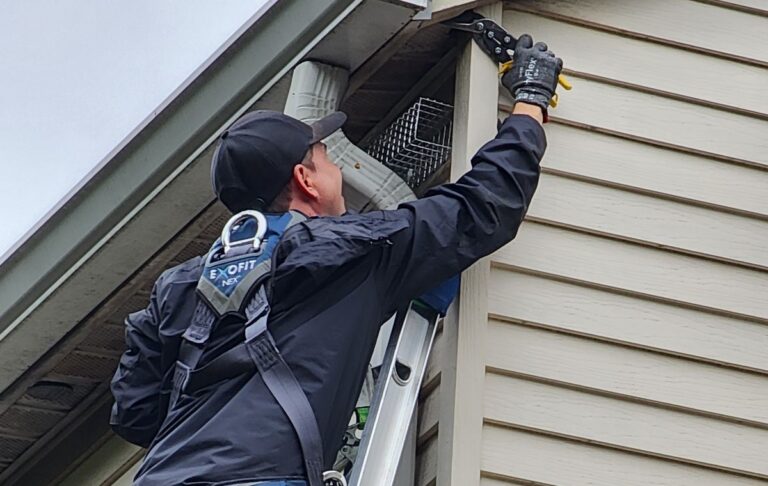
  • A wildlife control specialist on an extension ladder wearing a safety harness trimming hardware mesh to secure a roof eave gap
    Wildlife

    What Technicians Wish Homeowners Knew Before Calling Us

    Hearing scratching in the attic, finding droppings in the basement or spotting a raccoon on the roof can leave homeowners with plenty of questions.…

    Read the full article
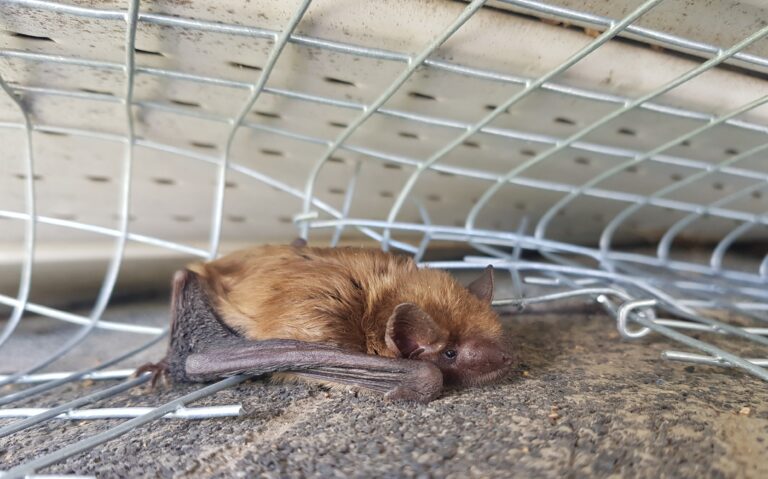
  • A close up view of a brown bat lying on concrete next to a galvanized wire mesh screen.
    Bats

    How are Bats Removed?

    Having bats in your home can be a disconcerting experience. Roosting animals are often loud and destructive. They also expose you and your family…

    Read the full article
  • A bright green Skedaddle Humane Wildlife Control Ram van with ladders on the roof rack parked in front of a house
    Mice

    What Affects the Cost of Skedaddle Mouse Removal?

    When you hear scratching noises inside your walls, or find small brown pellets inside of your cupboard, your first question might be, “How much…

    Read the full article
  • An eastern grey squirrel sitting on a wooden fence rail with a blurred green background
    Squirrels

    Where do Squirrels Take Tree Nuts?

    Squirrels are cute, playful creatures that are frequently seen in our neighborhoods throughout the summer months. You probably enjoy seeing the animals frolic in…

    Read the full article
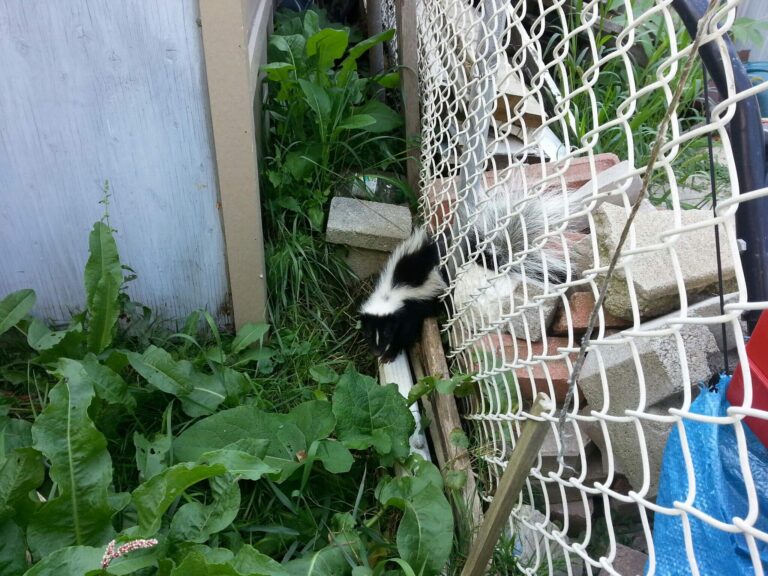
  • Skunk Removal
    Skunks

    3 Reasons Why Professional Skunk Removal is Important

    Skunks are generally non-aggressive animals that prefer to be left alone. Unfortunately, if a skunk takes up residence on your property, it increases the…

    Read the full article

Book your inspection today

Maybe it's a squirrel running laps above a Capitol North ceiling, a skunk under a West Side shed in Laramie or mouse droppings in a Sun Valley garage. Whatever's going on, we'd be glad to help. We'll figure out which animal it is, get it out humanely, seal the way in and handle the cleanup and attic restoration if you need it. We'll explain everything we find along the way, and our work is backed by a lifetime guarantee on all workmanship and materials. Call us at 970-289-1322 or book an inspection online, and we'll put together a plan for your home this winter.