Lifetime Guarantee
On workmanship and materials.
Skedaddle Colorado North, serving Laramie since 2026. Humane removal. No poison. Permanent exclusion.
Skedaddle Humane Wildlife Control helps Laramie homeowners with raccoons, bats, mice and squirrels, plus skunks, rats and birds. We figure out how the animal is getting in, remove it humanely, seal the opening for good and clean up after it. Laramie sits more than 7,000 feet up on a windy high-plains basin, and winter comes early and stays late. So when wildlife finds a warm spot in a University Neighborhood attic, under a West Side shed or inside a garage in Grand View Heights, it tends to settle in. We build every plan around the animal, the season and your home.
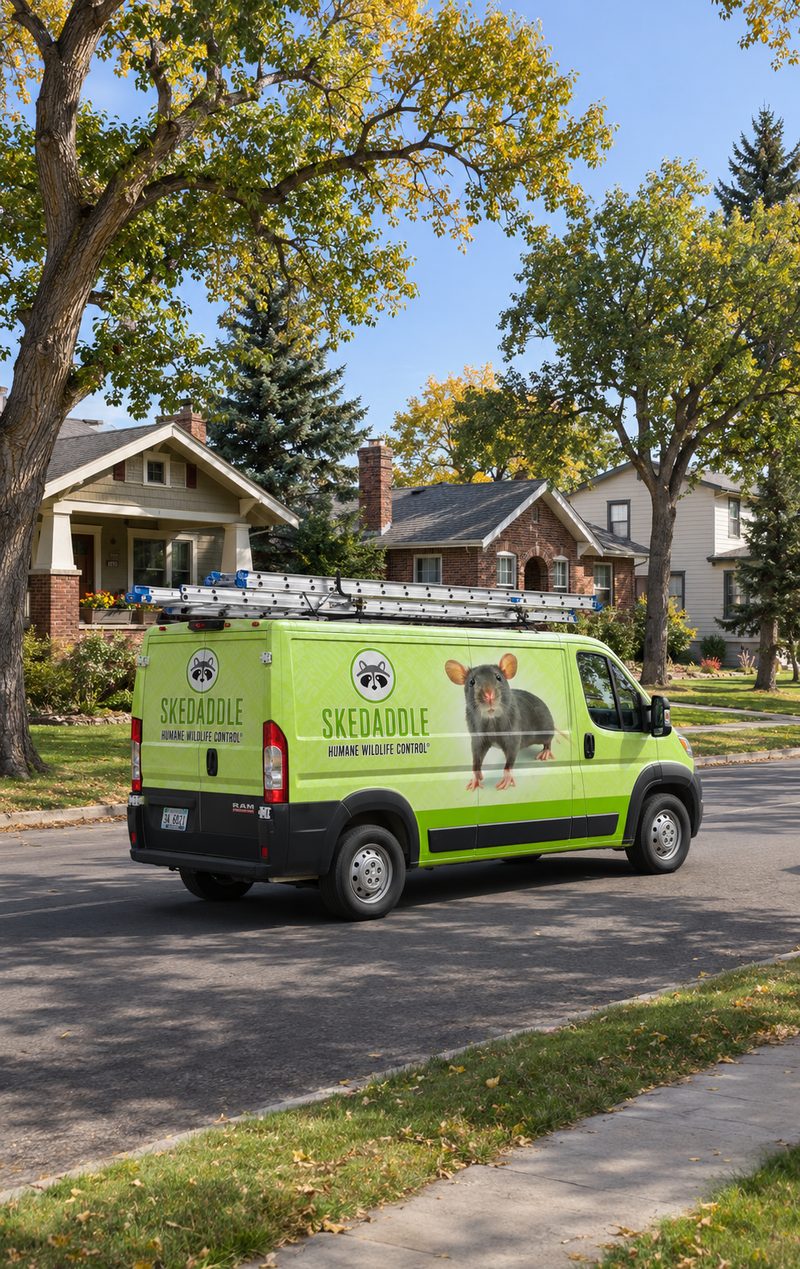
Getting a raccoon or a family of squirrels out of your Laramie home is only the first part of the job. We also close off the way they got in and clean up what they left behind, so you can stop worrying about it.
Skedaddle Colorado North has served Laramie since 2026. Laramie sits at 7,165 feet, and the City of Laramie notes its frequent dry winds and only 10 to 11 inches of precipitation a year. That kind of weather is hard on roofs, vents and trim. Homes here range from railroad-era cottages on the West Side to newer houses on the edges of town. We look at your home's age, its condition and any weather wear before we suggest a plan.
Our technicians are trained in wildlife biology, home repair, decontamination and restoration. In Laramie, that combination matters, because a wildlife problem nearly always comes with a building problem attached. A raccoon in a detached garage off a University Neighborhood alley and mice in a newer home in Sherman Hills need very different fixes. We pick humane, species-specific methods, check for babies before closing any opening and explain the cleanup or insulation work we recommend in plain language.
Our exclusion work comes with a lifetime guarantee on all workmanship and materials. Your written service scope lists every opening and repair we're covering, and we'll go through the terms with you before we begin. If any spot we sealed ever needs attention, we'll come back to inspect or repair it. The guarantee covers the work we did, so if an animal finds a brand-new spot elsewhere on the property, we'll inspect that area separately.
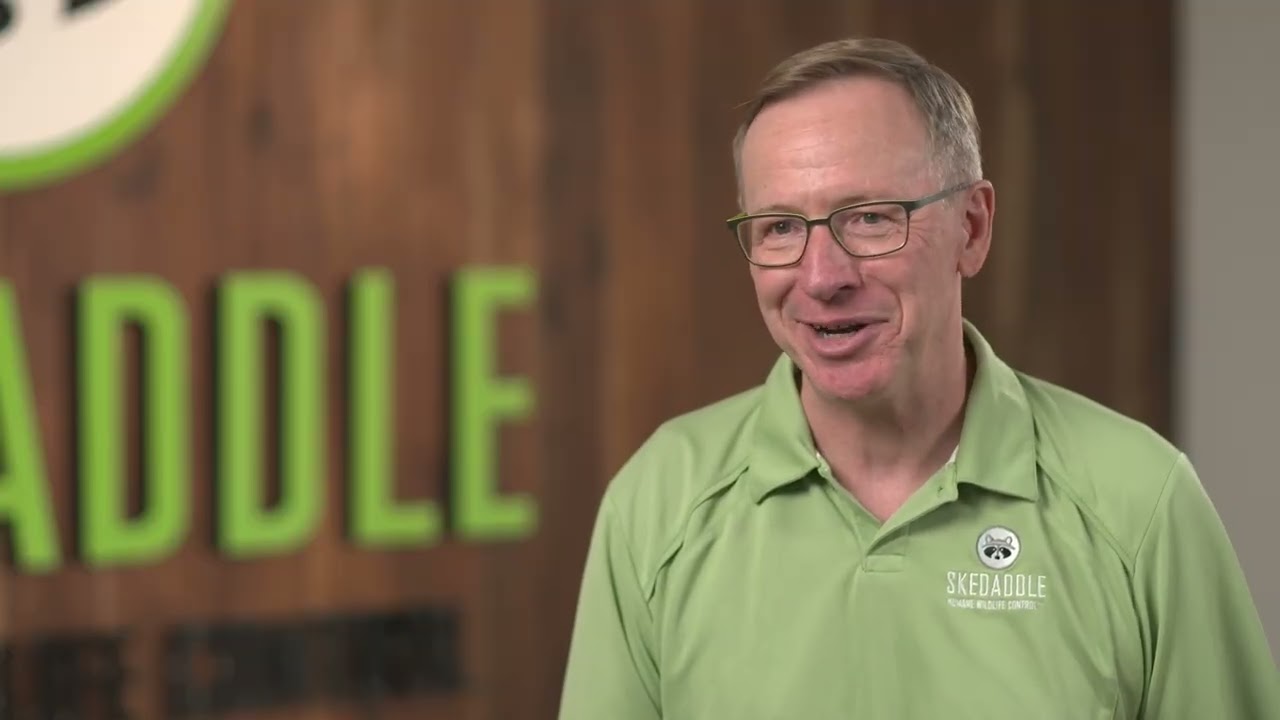
Founder Bill Dowd on why “trap and relocate” fails the homeowner and the animal — and the biology-based method Skedaddle built instead.
We humanely remove raccoons, bats, mice and squirrels from Laramie homes, and we handle skunks, rats and birds, too. Laramie's setting plays a big part. The Laramie River Greenbelt runs 5.75 miles through town, and cottonwoods and willows line the river. Add the tree-lined blocks near the University of Wyoming and open prairie at the city's edge, and wildlife has plenty of routes to a warm house.
In Laramie, raccoons usually come in through roof vents, chimneys and soft spots in soffits, or they den beneath decks, porches and sheds. Alleys and outbuildings give them extra room to roam. The University Neighborhood Historic District south of campus was laid out with wide streets, alleyways and tree strips, so raccoons can move from yard to yard out of sight. Raccoons are classified as predatory animals under Wyoming law. Before we do anything else, we check for a mother and young. We plan the removal so the family stays together, seal the opening with heavy-duty materials and clean up the den area and any latrine.
Big brown bats and little brown myotis are the bats most often found in Wyoming buildings, according to the Wyoming Game and Fish Department's bat conservation plan. In Laramie, they often roost behind loose trim, under roofing and in attic gaps, especially in the older homes near downtown and campus. All Wyoming bats are protected, so we use humane exclusion. Mothers raise their pups between mid-May and mid-August, and WGFD's recommended bat-proofing window runs from October 1 to April 1. That makes fall and winter the right time to seal an empty roost. If someone has touched a bat or found one in a bedroom, the Wyoming Department of Health advises calling a doctor right away.
Laramie's long, cold season sends mice looking for shelter early, and they need only a ¼-inch gap to get in. Deer mice are the main hantavirus carriers in Wyoming, so it's worth being careful with droppings in a garage, crawl space or basement. Please don't sweep or vacuum them up, which the Wyoming Department of Health specifically warns against. Homes near the open prairie on the edges of town can see extra pressure in the fall. We seal every entry point, remove the mice and decontaminate the spaces they used.
Fox squirrels are the squirrels we usually find in Laramie attics. The Wyoming Game and Fish Department says they've spread into most urban habitat east of the Continental Divide, and the department lists red squirrels in mountain forests, which matters for cabins in the nearby ranges. Squirrels love the mature trees of the University Neighborhood, known locally as the "tree area." One branch over the roof is all a squirrel needs to reach a gable vent or a gap in the fascia. Once inside, they'll chew wiring and pull up insulation. We check for a litter, install exclusion equipment that fits the opening and repair the weak spots.
The striped skunk is the skunk most Laramie homeowners meet. It likes the dry, sheltered space under decks, porches and sheds. Laramie's West Side, built largely by Union Pacific workers starting in the 1870s, is known for its many garages, sheds and outbuildings. Rabies is found most often in bats and skunks in Wyoming, so we don't handle skunks directly. We confirm a skunk is really living there, check for a litter in late spring and use a one-way approach only when the den and timing suit it. Then we bury L-shaped screening so it can't dig back under.
Norway rats are a non-native species in Wyoming. A University of Wyoming zoologist told Cowboy State Daily in 2026 that they turn up across the state and can multiply fast when conditions suit them. Rats leave bigger clues than mice: droppings up to about ¾ inch long, holes 2 to 3 inches wide and burrows along foundations and fences. We confirm the species, find the entry and nesting spots and seal them with chew-resistant materials. Then we clean and decontaminate everything the rats touched.
European starlings and house sparrows are the birds we usually find in Laramie dryer vents, bathroom vents and eave gaps. The brick ledges in Downtown Laramie's historic district attract them, too. The U.S. Fish and Wildlife Service confirms that these two aren't covered by the Migratory Bird Treaty Act, though most native birds and their active nests are. So we identify the bird and check the nest first. For non-native birds, we clear out the nest, clean the area and fit a sturdy vent cover so air can flow again.
Skittering in the ceiling at sunrise, rustling inside a wall or a musky smell near the deck can point to different animals. Tell us what you've noticed, and we'll come take a look, identify the animal and explain how we'll get it out and keep it out.
We serve homeowners across Laramie, from the historic blocks around downtown and the University of Wyoming to the neighborhoods on the hills and the edges of town. The West Side sits between the Union Pacific tracks and the Laramie River, and West Laramie lies beyond the interstate. The areas below are examples, not a complete list. When you book, we'll confirm availability for your address, including surrounding communities.
Every job starts with an inspection. We match the signs you've noticed inside to the way the animal is getting in, and you'll get a clear plan for removal, cleanup and protection before any work starts.
Your written quote lists removal, exclusion, cleanup and any attic restoration separately, with pricing for each. Not every wildlife problem calls for a full attic restoration, and we'll only recommend what your home actually needs.
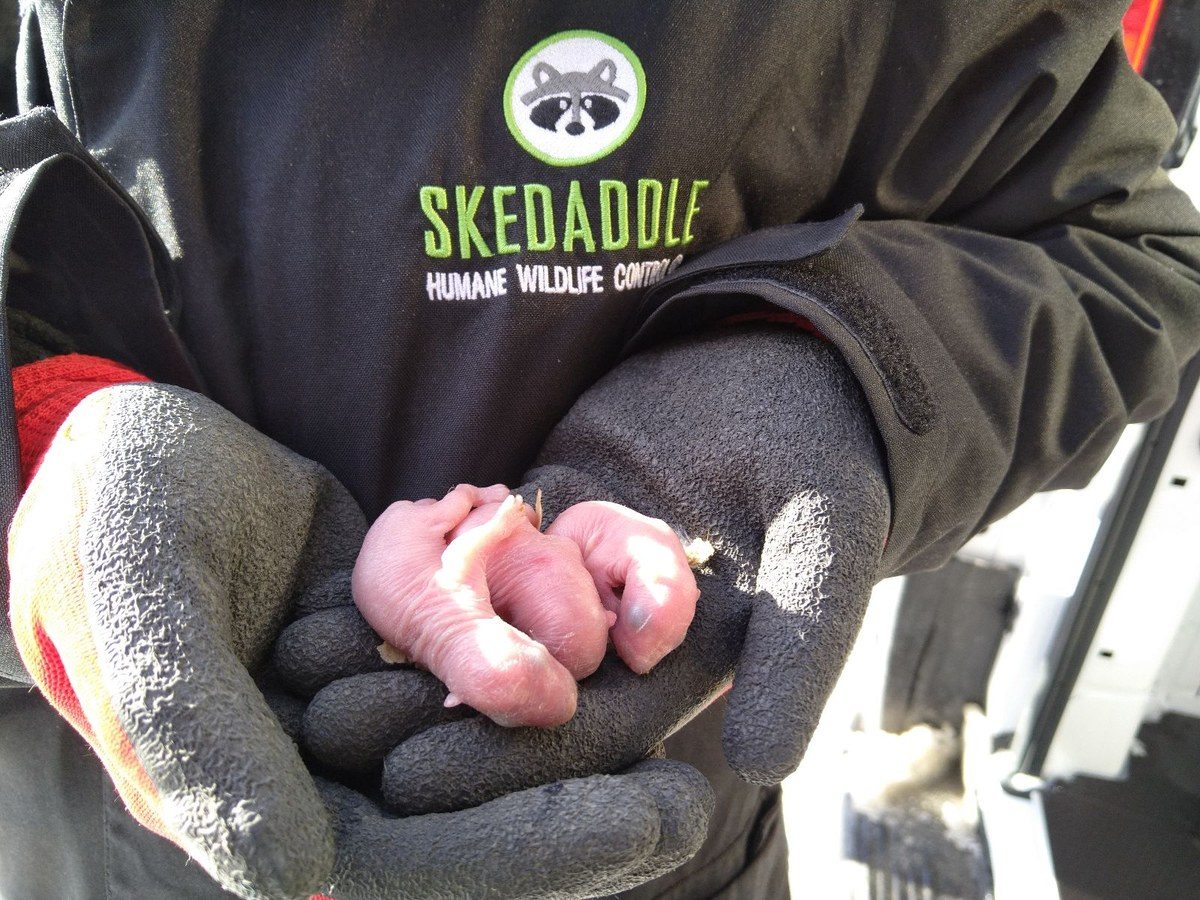

We start by inspecting your Laramie home to identify the animal, find how it's getting in and see which spaces it has used. It could be a vent on a University Neighborhood rooftop or a gap under a West Side porch, but either way we trace the route first. Then we choose a humane removal method that suits the species, any young and the season.
Learn more about assess and remove
Next, we assess the droppings, nesting material and other contamination left behind. Sometimes targeted cleaning and decontamination take care of it. Other times, damaged materials need to be removed. If attic insulation is soiled or damaged, we lay out the removal, replacement and restoration work in your written scope.
Learn more about clear and clean
Once we've confirmed the animals are gone, we seal the entry points and reinforce weak spots with durable exclusion materials that can handle Laramie's wind and long winters. Your written scope lists every opening and repair we're covering. Our exclusion work is backed by a lifetime guarantee on all workmanship and materials.
Learn more about prevent and protectAt more than 7,000 feet, Laramie's seasons run on their own schedule, and that affects what animals are doing and when we can do certain work. Here's how our focus shifts through the year. Your plan always depends on what we find at your home.
| Season | Wildlife focus | Our service focus |
|---|---|---|
| Spring (March–May) |
Raccoons, squirrels and skunks with young | Spring comes late at this elevation, and babies show up in attics, chimneys and dens under decks. We check for young before planning any removal. |
| Summer (June–August) |
Bats and squirrels | Bat maternity colonies are active, so we confirm the roost and schedule exclusion for later in the year. We also check rooflines for squirrel activity. |
| Fall (September–November) |
Mice, squirrels and bats | Cold arrives early, and mice head indoors. We trace gaps around garages, foundations and utility lines. Bat-proofing season opens on October 1. |
| Winter (December–February) |
Mice and squirrels indoors | We follow up on sounds in walls and attics, seal empty bat roosts and check vents and rooflines for wind damage. |
Quarterly focus: October–December 2026: Right now, Laramie homes are getting a lot of visitors looking for warmth. We're focused on mice slipping in around garages and foundations, squirrels using mature trees to reach rooflines and bat roosts that have emptied for the season. The Wyoming Game and Fish Department recommends bat-proofing between October 1 and April 1, so this is a great time to close those gaps for good. We'll put the removal, sealing and any cleanup into one written plan.
We connect humane removal with the repairs and cleanup that protect your home. Each step is based on what we found during the inspection.
We match the method to the animal and the house. That might mean hands-on removal of young, species-specific exclusion equipment, one-way devices where they suit the opening or scheduling around bat maternity season. A chimney on an older home near downtown and a gap beneath a newer deck in Grand View Heights need very different plans. We decide when removal is complete and when an opening is ready to be sealed permanently.
We plan for the whole family, not just the animal you spotted. When it's appropriate, we use heated reunion boxes and species-specific reunification methods so a mother can retrieve her babies. We check occupied spaces carefully before any repairs. Quiet doesn't always mean empty, so we confirm that a den is clear before sealing it.
We work out whether your Laramie home needs a spot cleanup or a larger insulation replacement. We'll show you the affected areas, explain the materials involved and include the cleanup we recommend in your quote. Deer mice carry hantavirus in Wyoming, so we treat rodent contamination with care without assuming every case involves disease. The work always matches the real damage.
Our lifetime guarantee covers all workmanship and materials. Your written scope spells out which areas are covered, and we explain the terms before we start. If one of those sealed areas ever needs attention, we'll follow up with an inspection or repair. It's simple, clear protection for the work we complete.
The cost depends on the animal, how it's getting in and how much sealing, cleanup and insulation work your home needs. We inspect first, explain what we found and give you a written quote that lists each part of the job. You'll know what's included and what it costs before any work begins.
We schedule inspections based on current availability, so we can't promise same-day removal. When you call, we'll ask where the animal is and whether it's gotten into your living space, and we'll use that to plan your visit. Inspection and removal sometimes happen on different days, especially with bats, young animals or winter weather.
The Wyoming Game and Fish Department recommends bat-proofing between October 1 and April 1, once maternity colonies have broken up. Excluding bats in summer can seal flightless pups inside, so we work around that season. We inspect the roost and make sure it's empty before sealing it. If a bat has touched anyone in your home, call a doctor right away.
We serve all of Laramie, including the University Neighborhood, Downtown Laramie, the West Side, West Laramie, South Laramie, Grand View Heights and Sherman Hills. We also serve Cheyenne and surrounding communities, confirmed when you book. Just share your address, and we'll confirm availability.
Yes. Wyoming sorts wildlife into different legal groups, so we always identify the species first. Bats are protected, squirrels are small game, and raccoons and skunks fall under the state's predatory animal category. We follow the Wyoming Game and Fish Department's guidance, plan around young and seasonal timing and use humane methods approved by SPCAs and Humane Societies.
Through late fall and winter, we mostly see mice in garages, basements and walls, squirrels getting into attics from nearby trees and raccoons denning in chimneys and under decks. It's also bat-proofing season, so we seal summer roosts once the bats have left. We'll inspect your home to confirm which animal you have and how it got in.
Yes. We offer a lifetime guarantee on all workmanship and materials. Your written service terms list the areas we sealed and what's covered. If one of those spots ever needs attention, our follow-up can include an inspection or repair. New activity somewhere else on the property isn't automatically covered, but we're always glad to check it out.
We check the attic for droppings, nesting material and insulation damage, then recommend a targeted cleanup or a fuller restoration. That can include removing affected materials, decontaminating the space and installing new insulation. The recommended work goes into your written scope, so it reflects your attic's actual condition.
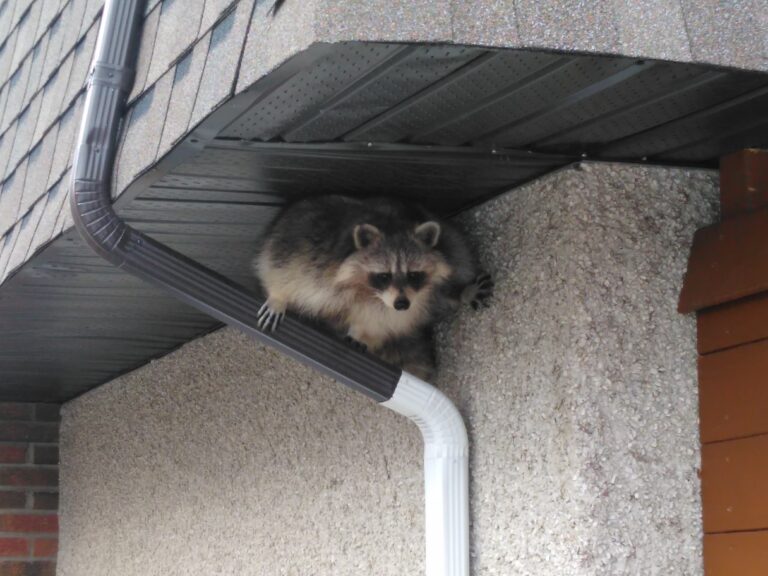
Although all animal bites are potentially dangerous, getting bitten by a raccoon can be life-threatening. Even if the bite looks small and insignificant, you…
Read the full article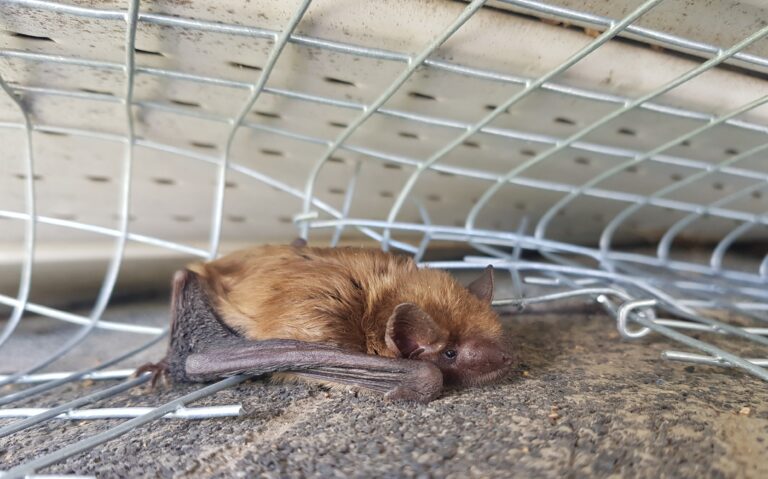
Having bats in your home can be a disconcerting experience. Roosting animals are often loud and destructive. They also expose you and your family…
Read the full article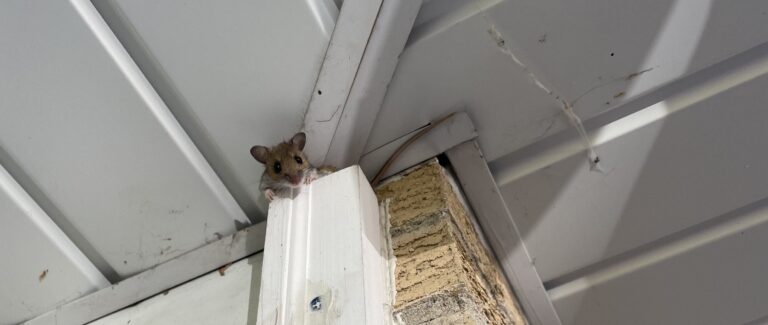
Over the past few weeks, you've noticed tiny droppings along the walls, holes chewed in pantry boxes, and the sound of skittering and scratching…
Read the full article
Squirrels are cute, playful creatures that are frequently seen in our neighborhoods throughout the summer months. You probably enjoy seeing the animals frolic in…
Read the full articleMaybe it's a squirrel in the attic of a "tree area" home near campus, a skunk under a West Side shed or mice getting into a garage in Grand View Heights. Whatever's going on, we're happy to help. We'll identify the animal, remove it humanely with one-way devices or hands-on methods where they fit, seal the way in, decontaminate the area and restore your attic if needed. Our methods are approved by SPCAs and Humane Societies, and our work is backed by a lifetime guarantee on all workmanship and materials. Call 970-289-1322 or book your Laramie inspection online.
 menu