








RAT REMOVAL PROCESS

Assess and Remove
Every rat removal begins with a detailed inspection of your Hennepin County property. Our technicians identify active entry points, nesting locations, and signs of activity throughout the structure. Using humane removal techniques and a customized plan, we address the problem at its source while preparing the home for long-term protection.

Clear and Clean
After rat activity has been resolved, we focus on the affected areas. Nesting materials, droppings, contaminated insulation, and other debris are removed from attics and concealed spaces. This process helps restore cleaner conditions while reducing lingering odours and conditions that may attract future wildlife activity.

Prevent and Protect
Long-term protection starts with securing the home against future intrusions. Our team seals vulnerable entry points and reinforces high-risk areas using professional exclusion materials. Combined with property-specific recommendations and qualifying lifetime guarantees, these measures help protect Hennepin County homes from recurring rat problems.
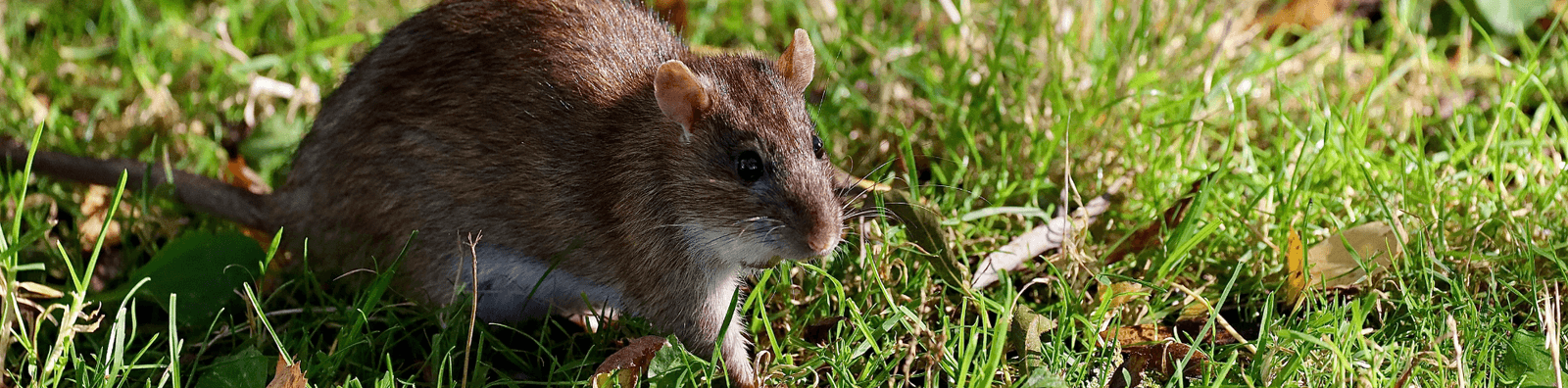
Rats are highly adaptable animals that thrive in urban, suburban, and commercial environments. Throughout Hennepin County, they take advantage of easy access to food, water, and shelter, often establishing themselves around homes long before property owners realize they are present. Once rats gain access to a structure, they can remain hidden in attics, wall voids, crawl spaces, and basements while causing ongoing damage.
From Minneapolis and Bloomington to Eden Prairie, Plymouth, Maple Grove, Minnetonka, Brooklyn Park, and Edina, rat activity can affect properties of every size and age. Since 2019, Skedaddle Humane Wildlife Control has proudly served Hennepin County homeowners with the support of a company founded in 1989 and backed by more than 30 years of wildlife removal experience. Whether your property is located near Minnehaha Falls, Lake Minnetonka, Target Field, Bde Maka Ska, or anywhere throughout the county, our team delivers humane, long-term rat removal solutions designed to keep your home protected.
Professional Rat Removal with Long-Term Results
Skedaddle provides humane rat removal services that focus on eliminating current activity while preventing future intrusions. Most rat removal projects can be completed in as little as one day, depending on the scope of the problem. Every service begins with a detailed inspection, a customized removal plan, and a written quote outlining the recommended solutions and associated costs for your property

Understanding Rat Behavior Throughout the Seasons
Fall: Rats Prepare for Winter Across Hennepin County
As temperatures cool in Hennepin County, rats prepare for winter by looking for warm, secure buildings where they can stay active until spring. Small openings around foundations, rooflines, vents and utility penetrations give them a way in. Homes and businesses in Minneapolis, Bloomington, Eden Prairie, Plymouth and Minnetonka, especially those near Lake Minnetonka, Bde Maka Ska and other lakes and parks, often see entry attempts increase as the nights get colder. Homeowners may notice droppings, gnaw marks or scratching inside walls at night.
Rats that settle in during the fall can nest in wall voids, basements and attic insulation, contaminate stored food and chew wiring throughout a long Minnesota winter. Skedaddle’s humane rat control in Hennepin County focuses on finding how rats are getting in, removing them, cleaning contaminated areas and sealing entry points before the deep freeze arrives.

Winter: Active Inside Structures
Unlike some wildlife species, rats do not hibernate. Once inside a heated home, they can remain active all winter long. Attics, wall cavities, storage rooms, and basements protect from harsh Minnesota weather while offering opportunities for nesting and reproduction.
Spring: Increased Nesting Activity
As temperatures rise across Hennepin County, rats become more active and begin expanding nesting areas. Spring breeding activity often leads rats to seek protected indoor locations where they can raise young safely. Basements, attics, garages, and crawl spaces provide ideal shelter during this busy season.
Summer: Growing Rat Activity Around Hennepin County Homes
Summer gives rats a lot of access to food, water and shelter, making it one of the most active seasons for population growth. Gardens, outdoor eating areas, compost bins, bird feeders, pet food and garbage storage locations can all attract increased rodent activity around residential and commercial properties. As food sources become easier to find, rat populations can grow quickly and begin spreading into new areas.
Young rats born earlier in the year often start exploring independently during summer. As competition for resources increases, they may travel along foundations, fences, decks, sheds, garages and landscaped areas while searching for safe nesting sites and reliable food.
Homeowners may notice burrows, droppings, gnaw marks, grease trails or nighttime movement around the exterior of the property. Small gaps near utility lines, vents, garage doors, foundation cracks and basement-level openings can also become access points. Skedaddle’s humane rat control focuses on identifying activity, removing contamination and protecting vulnerable areas with long-term prevention.
Why Rats Choose Certain Properties
Many common property features unintentionally create ideal conditions for rat activity. Once rats establish themselves nearby, they often begin looking for ways to move indoors. Common attractants include:
- Garbage and recycling containers
- Bird feeders and spilled seed
- Outdoor pet food and water bowls
- Compost piles
- Dense landscaping near foundations
- Wood piles and outdoor storage
- Leaking faucets and moisture sources
- Cluttered sheds and garages
- Small structural gaps and openings
While reducing attractants is beneficial, professional exclusion remains one of the most effective ways to prevent rats from entering a home.

Signs You May Have Rats on Your Property
Rat activity often begins quietly, making early detection important. Common indicators include:
- Scratching or scurrying noises inside walls
- Droppings in storage areas or near food sources
- Gnaw marks on wood, plastic, or wiring
- Grease marks along walls and travel paths
- Strong, unpleasant odors from hidden spaces
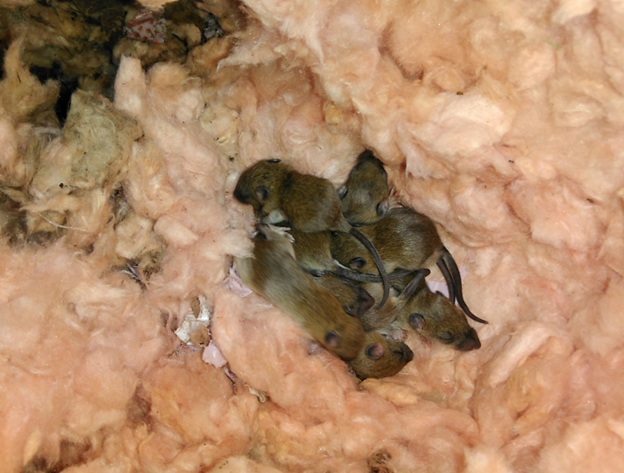
- Shredded insulation or nesting materials
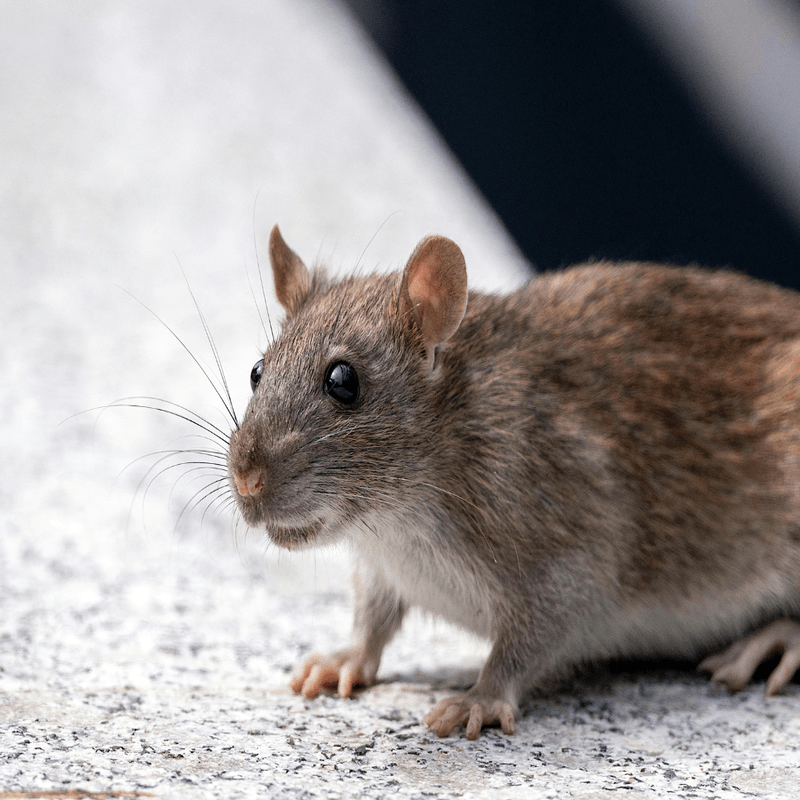
- Visible rat sightings around the property
- Increased activity near garbage storage areas
A professional inspection can help identify the extent of the problem and determine how rats are accessing the structure.
How Skedaddle Solves Rat Problems From Removal to Prevention
Every rat intrusion is unique, which is why we create a customized removal plan for every property. Our humane process focuses on removal, exclusion, restoration, and prevention rather than temporary fixes. Most rat removal projects can be completed within a single day, although larger infestations may require additional time. Every homeowner receives a written quote before any work begins.
Complete Property Evaluation
Our technicians begin with a comprehensive assessment of the home and surrounding property. We identify signs of rat activity, nesting areas, travel routes, and structural vulnerabilities. Attics, crawl spaces, basements, rooflines, and exterior entry points are carefully examined to determine the full scope of the problem and create a tailored action plan.
Finding How Rats Are Getting Inside
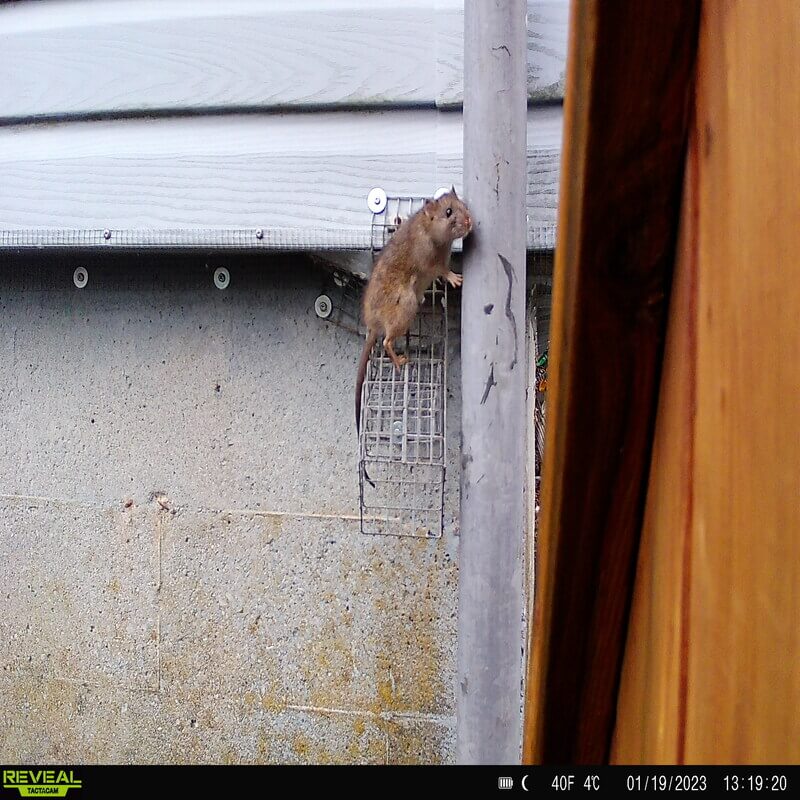
Rats can exploit surprisingly small openings to enter structures. During this phase, we identify access points around foundations, vents, utility penetrations, roof structures, and other vulnerable areas. Understanding how rats are entering allows us to address the source of the problem rather than simply responding to the symptoms.
Humane Removal Solutions
After assessing the property, our team implements humane removal techniques designed specifically for the situation. Every home presents unique challenges, and our approach is tailored accordingly. By carefully addressing active areas and nesting locations, we help ensure the problem is resolved thoroughly and responsibly.
Exclusion and Structural Reinforcement
Once removal is complete, we secure entry points using professional-grade exclusion materials designed to withstand future rodent activity. Vulnerable areas are reinforced to help prevent re-entry. This step is critical because long-term success depends on keeping rats from regaining access to the structure.
Ongoing Prevention and Protection
The final phase focuses on helping homeowners reduce future risks. We provide recommendations based on the property’s unique conditions and identify factors that may attract rats in the future. For qualifying exclusion work, homeowners can also benefit from Skedaddle’s industry-leading lifetime guarantee, providing confidence in the long-term effectiveness of our solutions.
The Impact of Rats Living Indoors
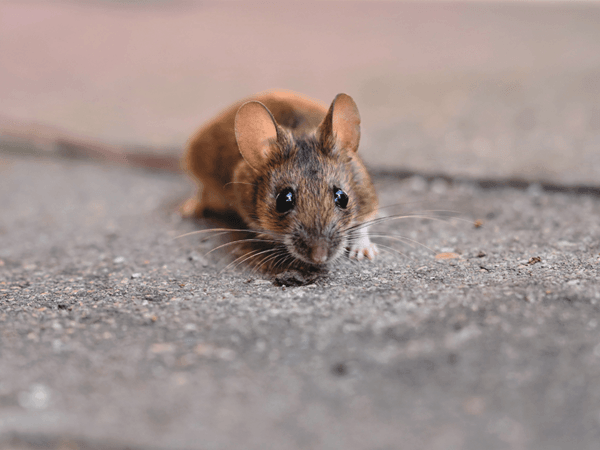
Rats can create significant challenges when they establish themselves inside a structure. Their constant chewing can damage insulation, drywall, wood, wiring, and stored belongings, resulting in costly repairs over time.
Because rats often occupy hidden spaces, activity may continue undetected for extended periods. Wall cavities, attics, basements, and crawl spaces frequently become nesting locations that remain out of sight.
As populations grow, contamination concerns can also increase. Droppings, urine, nesting materials, and food debris may accumulate throughout affected areas of the home.
Addressing rat activity quickly helps minimize damage, reduce contamination concerns, and prevent larger infestations from developing.
Restoring Spaces After Rat Activity
Rat intrusions often leave behind contaminated insulation, nesting materials, droppings, and damaged building materials. That’s why Skedaddle offers attic restoration services designed to help restore affected spaces after removal is complete.
Our restoration process may include removing contaminated materials, cleaning impacted areas, and replacing damaged insulation when necessary. By addressing both the intrusion and its aftermath, we help homeowners restore comfort, cleanliness, and energy efficiency throughout the property.
Protect Your Home with Humane Rat Removal
Rat problems can escalate quickly when left unaddressed. The longer rats remain inside a structure, the greater the potential for property damage, contamination, and ongoing activity. Professional intervention helps resolve the current issue while reducing the likelihood of future intrusions.
Skedaddle Humane Wildlife Control proudly serves homeowners throughout Hennepin County, including Minneapolis, Bloomington, Plymouth, Eden Prairie, Maple Grove, Minnetonka, Brooklyn Park, and surrounding communities. Backed by more than 30 years of experience, customized removal plans, written quotes, attic restoration services, and qualifying lifetime guarantees, we provide long-term rat removal solutions designed to protect your home. Contact us today to schedule your inspection.
Rats In Your Business: How To Get Them Out For Good!
What Are Rats Doing In Fall: Seasonal Behavior

The Long-Term Effects of a Rodent Infestation
HENNEPIN COUNTY Rat FAQs: Did You Know?
Rats are drawn to properties that provide easy access to food, water, and shelter. Bird feeders, unsecured garbage, pet food, compost piles, and dense landscaping can all create favorable conditions. Once rats establish activity nearby, they often begin searching for ways to enter nearby structures.
Yes. Rats remain active throughout the winter and often seek shelter inside heated buildings when outdoor temperatures drop. Attics, basements, crawl spaces, and wall cavities provide protection from the cold and allow rats to continue nesting and foraging year-round.
Homeowners often notice scratching sounds in walls or ceilings, droppings in storage areas, gnaw marks on building materials, or unusual odors coming from hidden spaces. In some cases, rats may also be spotted outdoors near garbage containers, sheds, or foundation areas.
Removing rats is only part of the solution. If entry points remain open, new rats can eventually gain access to the property. Professional exclusion focuses on identifying and securing vulnerable areas, helping to prevent recurring infestations and providing long-term protection for the home.
In many cases, yes. Rats can leave behind nesting materials, droppings, contaminated insulation, and other debris in attics and concealed spaces. Skedaddle’s attic restoration services help address these issues by removing affected materials and restoring impacted areas when necessary.
CALL US TODAY
1.888.592.0387
OR
Request for Services

