Spring is the perfect time to bring life and color back to your yard. After the long winter months, it can be exciting to see birds, frogs, and other animals visiting your outdoor space. However, it’s important to make sure these animals stay in your yard and don’t accidentally find their way into your home. Without careful planning, it’s easy to unintentionally invite wildlife too close, which can lead to unwanted issues like animals in your attic or damage to your property.
That’s why creating a safe and well-thought-out yard layout is so important. By strategically placing bird feeders, choosing the right types of plants, and taking steps to protect your walls and roof, you can enjoy the beauty of nature without risking the safety of your home. At Skedaddle Humane Wildlife Control in Brooklyn Park, we understand how challenging it can be to strike this balance.
Our team has the expertise needed to help you keep your yard an inviting space for wildlife while ensuring your house stays secure. This blog will guide you through simple, practical tips for setting up your yard safely so you can fully enjoy the sights and sounds of spring without worry.
What wildlife is common in Minnesota backyards?
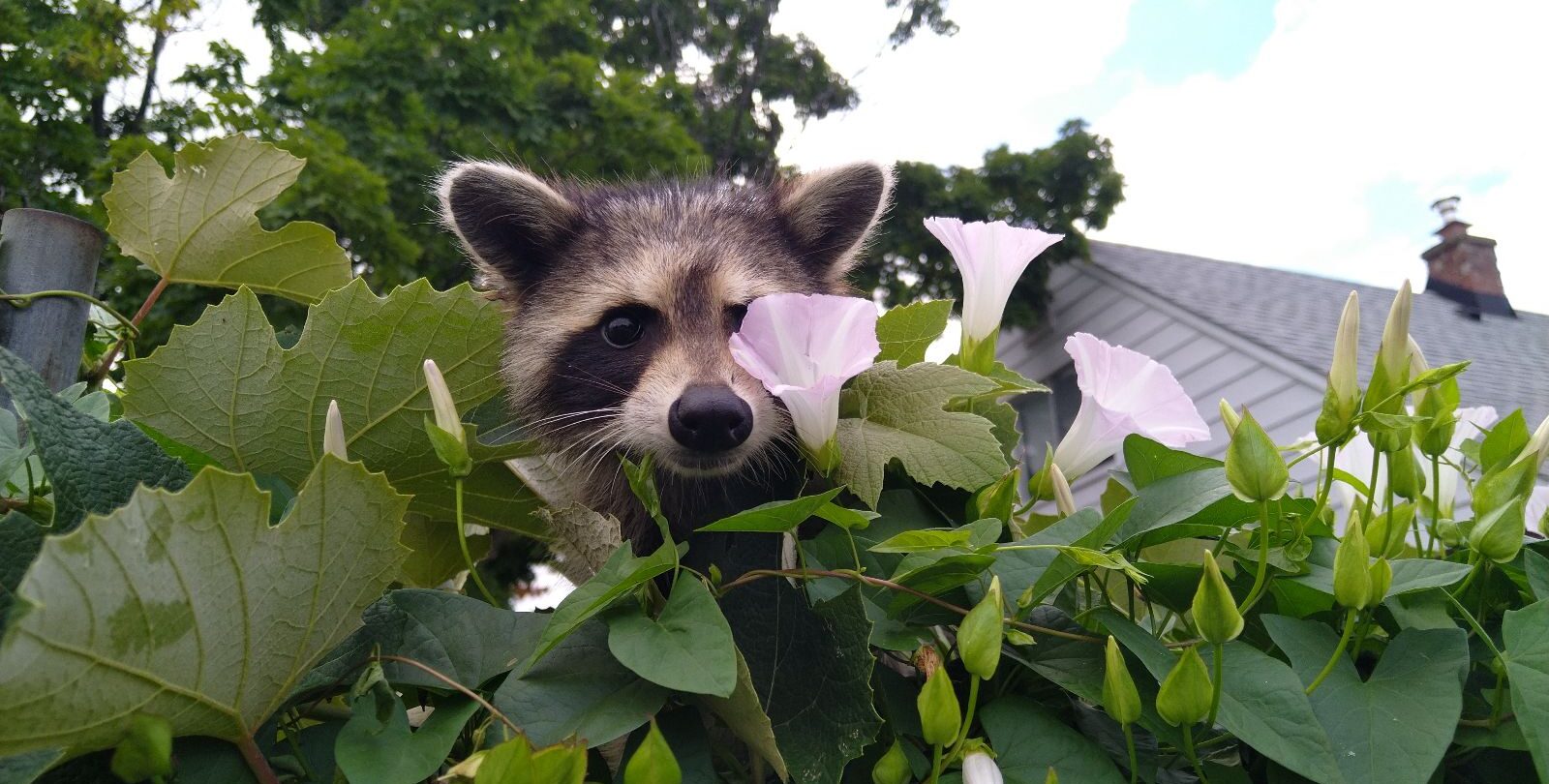
You will find many different animals living in Minnesota backyards. The most common visitors include squirrels, raccoons, mice, and bats. You might also spot skunks and various birds looking for food or a safe place to nest. These creatures become very active as the weather gets warmer.
When spring arrives, these animals wake up and start searching for safe spots to raise their babies. Your yard looks like a perfect home to them. They love areas with tall grass, lots of trees, and easy access to food and water.
While they are fun to watch from a distance, these common animals will quickly move into your attic or walls if given the chance. That is why preparing your yard correctly is so important. You want to enjoy the local nature without offering them a free room inside your house.
Secure Your Home’s Exterior
Preventing wildlife from invading your home is essential to maintaining safety and comfort. Animals like squirrels, raccoons, and skunks can cause serious damage if they gain access to your property. By taking proactive steps, you can create a home environment that discourages these curious critters from settling in. Here’s how our professional services can help prevent wildlife intrusions:
- Sealing Entry Points: One of the most effective ways to keep animals out is by sealing potential entry points. Technicians conduct a thorough inspection of your home’s exterior, identifying gaps, cracks, and crevices along roof vents, soffits, foundation gaps, and other vulnerable areas. Using durable materials designed to withstand animal tampering, these openings are sealed securely to prevent access. This protects your home without disrupting the animals’ natural habitat.
- Chimney Caps & Vent Screens: Chimneys and vents are common entry points for animals seeking warmth and shelter. Installing chimney caps and vent screens provides a physical barrier that prevents birds, squirrels, and raccoons from nesting in these areas. These specialized covers are made from robust materials, ensuring both long-term protection and airflow for ventilation systems.
- Deck and Shed Protection: Areas like decks, porches, and sheds are prime targets for animals looking to burrow and create nests. To address this, technicians use heavy-gauge steel mesh that is carefully installed along the perimeter. The mesh is buried 8-12 inches into the ground to prevent digging and burrowing by skunks, raccoons, and other wildlife. This method safeguards these structures while maintaining a professional, finished appearance.
Create Dedicated Wild Zones
At Skedaddle, we know how important it is to manage wildlife in a way that keeps your home safe while supporting the local ecosystem. That’s why we handle the hard work of creating dedicated wild zones for you. By giving animals their own areas to live, we can help keep them away from your house.
Our team can create a safe and appealing messy corner in your yard by carefully piling logs, sticks, and leaves in a quiet spot. This provides small animals with a secure place to rest and hide. With a designated shelter away from your foundation, these animals are less likely to want to explore near your home. In addition, we’ll install bird boxes or bat houses high in trees or on fence posts at the edge of your property. These structures provide flying animals with ideal homes far from your roof. By encouraging them to nest here, Skedaddle ensures they won’t seek shelter inside your attic or walls.
If your property has a fence, we can design small gaps at the bottom to allow safe passage for smaller animals like frogs or turtles. These gaps help wildlife move freely and reduce the chance of them getting stuck near your home, which helps maintain balance in your yard’s ecosystem.
When you trust Skedaddle to design and implement these wild zones, you not only create a safer, more secure home for yourself—you also support your local environment in a humane, responsible way.
Wildlife-Friendly Yard Maintenance (Without Attracting Invasions)
Maintaining a yard that is both beautiful and wildlife-friendly can feel like a balancing act. While many homeowners wish to enjoy the presence of birds and other harmless creatures, it’s important to avoid unintentionally inviting unwanted guests like raccoons, squirrels, or mice. Simple maintenance practices can make all the difference in keeping wildlife in their natural habitats while protecting your home and property. Below are some key strategies for effective and safe yard care.
- Trimming Branches: Overgrown tree branches can serve as highways for wildlife, providing easy access to rooftops and potential entry points into your home. Trimming back branches a few feet from the house eliminates these pathways and enhances overall tree health. Regular maintenance reduces the likelihood of squirrels and raccoons climbing onto your roof while keeping your property looking neat and well-kept.
- Removing Food Attractants: Unsecured food sources are one of the top reasons animals are drawn to residential areas. To discourage foraging near your home, store garbage in sealed, animal-proof containers and keep pet food indoors or in tightly closed bins. Additionally, cleaning up fallen fruit from trees and spilled birdseed from feeders ensures wildlife isn’t encouraged to linger on your property. These efforts lead to healthier habits for both homeowners and animals.
- Cleaning Up Debris: Piles of wood, leaves, or other debris near the foundation of your home can quickly become shelters for mice, insects, and other pests. By clearing out unnecessary clutter and keeping the yard tidy, you reduce the chance of animals finding hiding spots close to your house. A clean yard not only deters wildlife but also enhances curb appeal and minimizes risks of pests spreading to indoor spaces.
Humane Wildlife Management Practices
Managing wildlife in and around your home can help protect your property while ensuring the well-being of animals. Our professional wildlife removal services, like those offered by Skedaddle, focus on humane and effective solutions to address wildlife intrusions. These approaches prioritize both the safety of homeowners and the proper care of animals. Below are some key methods used to resolve wildlife issues responsibly:
- One-Way Doors: One-way doors provide an effective way to evict wildlife that has already made its way into your home. These specialized doors allow animals to leave in search of food or shelter but prevent them from re-entering the home. This method ensures the animals are not harmed while solving the issue of intrusion. It’s a safe and efficient way to encourage wildlife to return to their natural habitats without causing further disruption.
- Baby Reunification: During spring and summer, many animals give birth in attics, sheds, or other secluded spaces. Skedaddle specialists take a compassionate approach to handling these situations by carefully removing baby animals by hand. They place the young ones in heated, secure boxes outside, allowing the mother to relocate them to a safer, more suitable location. This method guarantees the family stays together while ensuring your home is protected from further wildlife activity.
- Sanitization: After wildlife has been removed, thorough sanitization is crucial. Skedaddle’s team cleans areas where animals were present, eliminating any odors or residues they may have left behind. This is an important step in preventing other animals from being attracted to your home in the future. Sanitization also contributes to a healthier living environment by reducing the risk of disease transmission from wildlife to humans.
Spring Wildlife in Your Brooklyn Park Garden
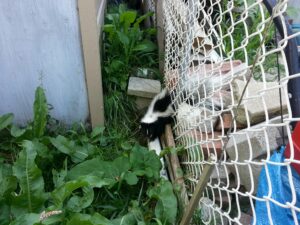 Spring is a wonderful time to enjoy your garden, but it also invites plenty of wildlife to visit. Birds, rabbits, squirrels, and insects all become more active as the weather warms up. While these animals can bring life to your yard, they can also create challenges for gardeners. Understanding how to coexist with wildlife helps protect your garden while still providing a safe space for nature.
Birds are one of the most common visitors to Brooklyn Park gardens. You’ll likely see robins, sparrows, and even blue jays hopping around your yard. To keep birds safe and out of your garden beds, consider placing a bird feeder nearby. This will give them a source of food while discouraging them from snacking on your plants.
Small mammals like squirrels and rabbits also love to explore gardens in the spring. Squirrels often dig in soil to bury nuts, while rabbits can nibble on tender plants and leaves. Installing small garden fences and using natural deterrents can help keep them from causing damage. By making minor adjustments to your garden, you can enjoy the beauty and activity of spring wildlife without losing your plants.
Professional Prevention Steps
Even with a perfectly planned garden, animals can still find weak spots in your home. That is where our professional team comes in. We know exactly how animals think and where they try to break in. Our experts inspect every inch of your house to find hidden gaps, cracked vents, and loose shingles.
We provide long-lasting solutions to keep your home secure. Our team installs strong, heavy-duty screens over vents and seals any open holes along your roofline. If animals are already inside, we use specialized one-way doors. These doors allow the animals to leave safely on their own, but they completely block them from getting back inside.
Homeowners should never try to handle animal exclusion on their own. It is dangerous, and improper methods can trap animals inside your walls. Our trained technicians have the right tools and experience to protect your house. We do all the hard work so you can simply relax and enjoy the view of your garden.
Frequently Asked Questions
Why shouldn't I try to seal holes myself?
Trying to seal holes yourself can accidentally trap animals inside your home. This leads to bigger damage and unpleasant smells. Our professionals ensure all creatures are safely out using one-way doors before sealing anything permanently.
What should I do if I find animal droppings?
Never touch or clean animal droppings on your own, as they can carry harmful diseases. Call our team right away. We have the proper safety gear and training to clean and sanitize the area safely.
How far from the house should my garden be?
It is best to keep large plants, heavy mulch, and messy garden beds at least several feet away from your foundation. This prevents animals from using the garden as a stepping stone into your home.
Do native plants attract pests into the house?
Native plants generally attract beneficial insects and birds to your yard. As long as you plant them away from your foundation, they will not invite unwanted pests into your actual house.
Will leaving leaves on the ground cause an infestation?
Leaving leaves in a back corner of your yard is great for the ecosystem. Just make sure the leaf piles are kept far away from the edges of your home to prevent mice from nesting near your walls.
Keep Your Home Safe and Your Garden Thriving
When it comes to keeping your home safe from unwanted wildlife, it’s all about finding the right balance. You can enjoy a beautiful yard full of lively birds, squirrels, and other creatures without worrying about them moving into your home. By making sure they have what they need far away from your house—like food, water, and shelter—you’re creating a happy environment for both you and the animals.
That said, your home still needs strong protection to stay secure. Wildlife can cause damage if they get inside, and it’s not always easy to keep them out on your own. That’s where we come in. At Skedaddle Humane Wildlife Control in Brooklyn Park, we specialize in making homes safe for families while treating wildlife ethically and responsibly. Our team knows all the techniques to seal up your property and prevent any animals from sneaking in.
Don’t wait for a surprise visitor to make a mess in your attic or walls. Get ahead of the problem with our professional help. Contact us today to request an estimate and schedule a professional assessment. We’re here to help protect your space, so you can enjoy your home without the worry of unwanted guests.

 Loading...