









RAT REMOVAL PROCESS

Assess and Remove
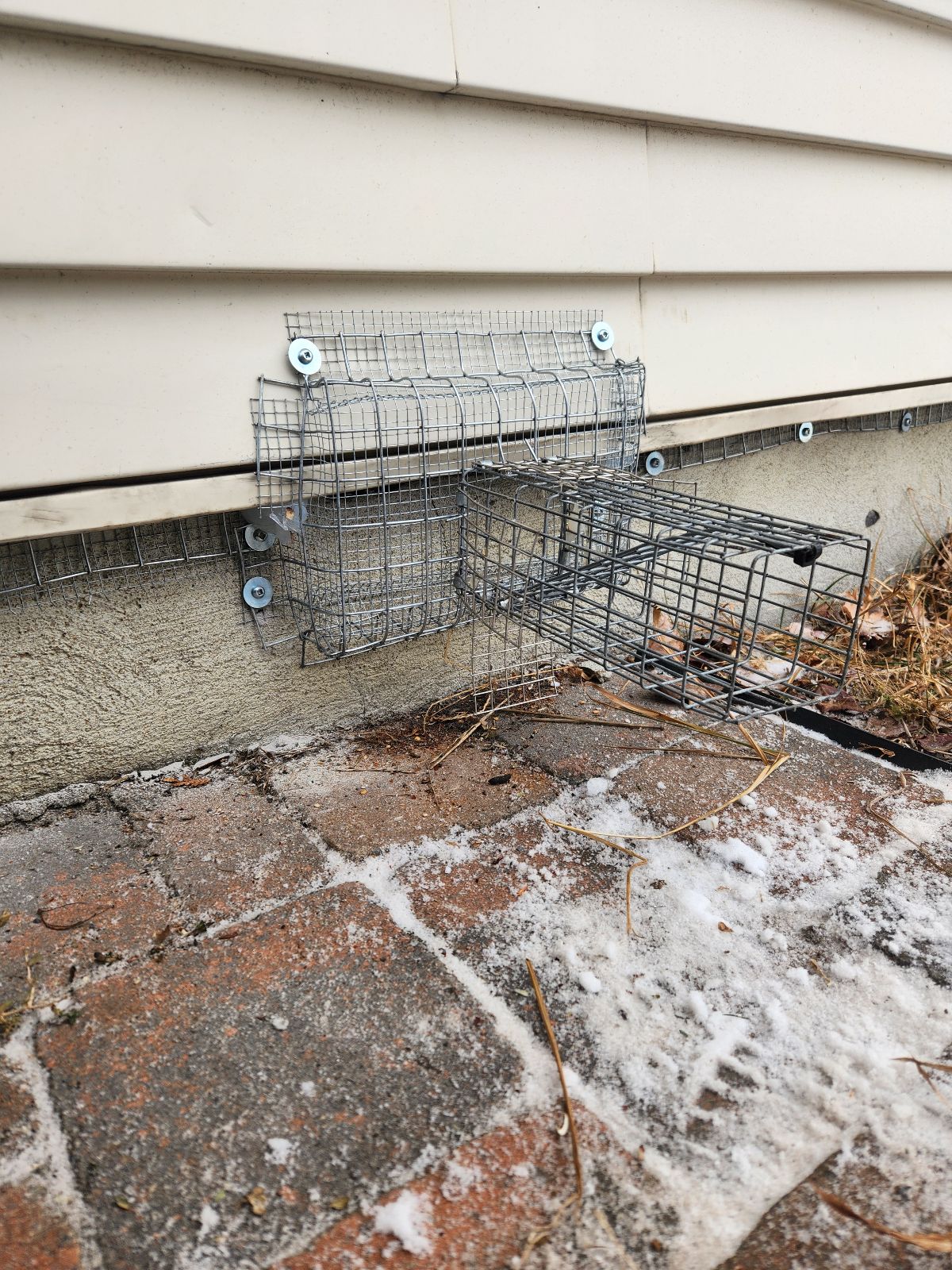
Our technicians perform a comprehensive assessment of your property, utilizing thermal imaging to locate nests hidden behind walls, in attics, and throughout other concealed areas. We then install professional one-way doors that allow rats to exit in search of food and water while preventing them from re-entering. This humane and effective approach ensures the home is cleared without harming the animals or relying on poisons and traps.

Clear and Clean
Once the rats are gone, we focus on restoring the safety of your home. Our team removes contaminated insulation, nesting materials, droppings, and other hazardous waste. We then use hospital-grade disinfectants to eliminate harmful bacteria, viruses, and pheromones that can attract future rodent activity. This critical step helps ensure your family breathes clean, healthy air.

Prevent and Protect
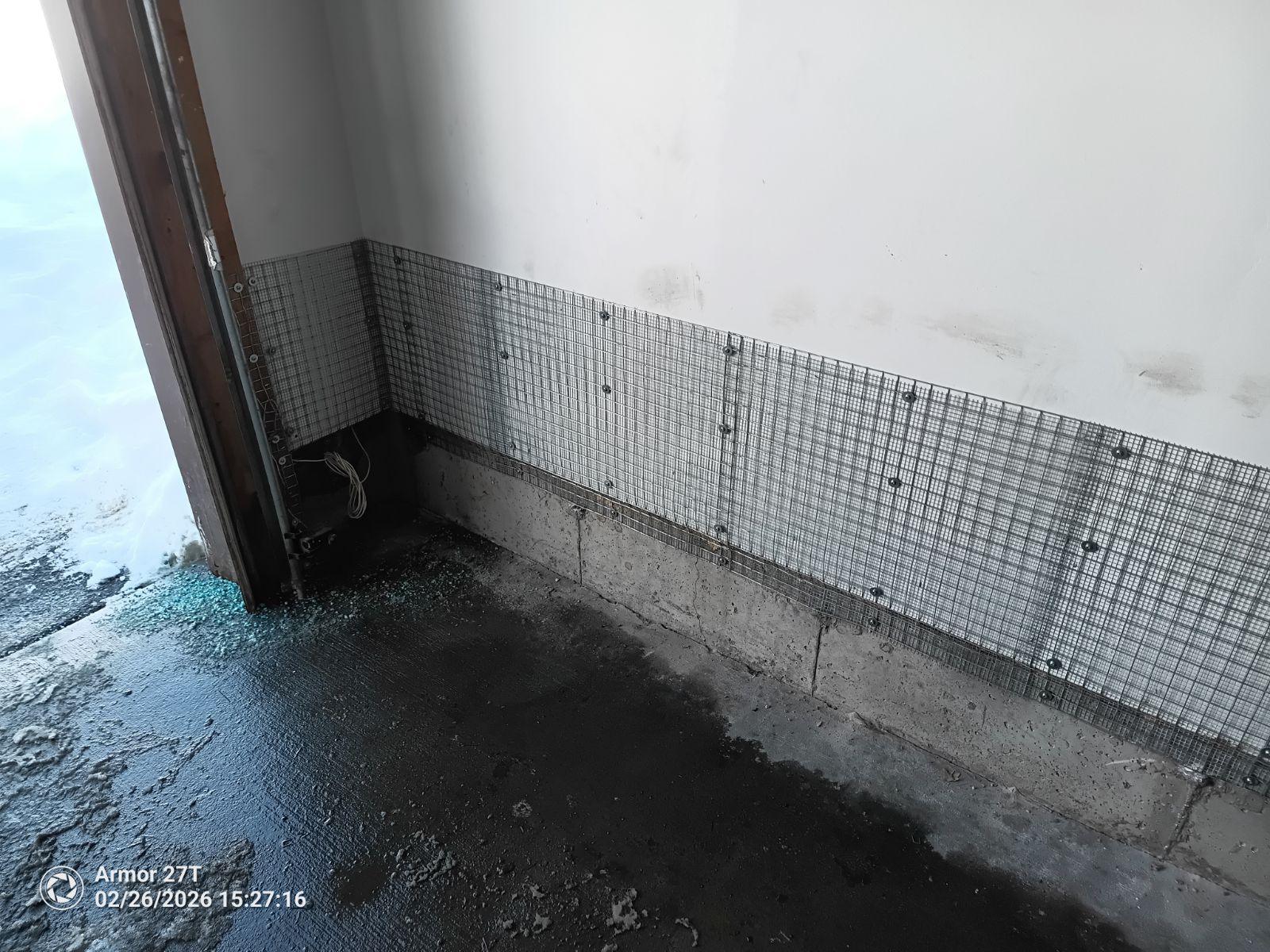
We seal every potential entry point using heavy-duty, galvanized steel screening and professional-grade materials that rats cannot chew through. This comprehensive rat-proofing strategy focuses on long-term prevention, reinforcing vulnerable areas and helping ensure your home remains protected against future wildlife intrusions regardless of the season.
Skedaddle provides professional, humane rat removal services in Pickering, ensuring your home remains secure and your family stays safe from rodent-borne health risks.
Since 1989, we have helped homeowners across Pickering, Ajax, Whitby, Toronto, Markham, and Uxbridge with industry-leading wildlife exclusion and lifetime-guaranteed protection.
In Pickering, the unique blend of urban development and natural corridors like the Rouge National Urban Park and the Lake Ontario waterfront creates a high-pressure environment for rat activity. Rats are opportunistic survivors; while they thrive near the bustling Nautical Village, they often use the city’s extensive ravine systems as “wildlife highways” to navigate into residential neighbourhoods.
Whether you live in a modern townhouse near the Go Station or an older home closer to the rural north, the varied landscape offers rats ample shelter and water, leading them to view your warm attic or basement as the ultimate nesting ground.
What gets rid of rats quickly?
To get rid of rats quickly, you must address their seasonal entry habits and breeding cycles. Rats often migrate into homes during the fall and winter, seeking warmth, while spring triggers a massive breeding surge. Professional exclusion is the fastest method because it combines real-time removal with permanent barriers. By identifying entry points and using one-way doors, you stop the cycle of infestation without the delays or health risks associated with ineffective DIY poisons.

Rat Activity Throughout the Seasons
Spring: The Breeding Surge
Spring is the most critical time for rat control. As the ground thaws near the Duffins Creek watershed, rats become hyperactive, seeking high-protein food sources to support new litters. A single female rat can have up to six litters a year, with the first major “bloom” occurring in early spring.
During this season, rats are aggressively scouting for nesting sites that are safe from spring rains and predators. They often exploit winter-damaged soffits or weakened foundation gaps to establish nurseries inside homes. Professional intervention now is vital to prevent a few transient rodents from becoming a full-blown colony.
Summer: Expansion and Foraging
During the humid summers, rats are less dependent on your home for warmth but remain for the easy access to food. Backyard gardens, unsecured compost bins, and bird feeders become primary targets. As populations grow, young rats are pushed out of established nests to find their own territory, often leading to new infestations in neighbouring homes.
Fall: Seeking Sanctuary
As temperatures dip across the Durham Region, rats begin their annual “crawl-in.” The instinct to survive the coming frost drives them to seek the thermal heat rising from your roofline. They are expert climbers and will scale brick walls or downspouts to find entry points in your attic, where they can nest comfortably above your insulation.
Winter: Indoor Survival
In the dead of winter, rats become permanent indoor residents. Because they do not hibernate, they spend the winter months gnawing on structures and wires to keep their teeth sharp and navigating your wall voids. Their activity is often most noticeable at night when the house is quiet, and their scratching sounds echo through the ceiling.
Why Rats Choose Homes and Businesses
Pickering’s geography creates ideal conditions for rats, combining urban infrastructure with natural corridors like rivers, ravines, and waterfront zones.
Pickering’s unique geography creates a perfect storm for rat activity, blending the dense urban corridors of the south with the lush, sprawling farmlands and conservation areas of the north. Situated along the shores of Lake Ontario and bisected by major “wildlife highways” like the Rouge River and Duffins Creek, the city provides rodents with effortless access to their three survival essentials: food, water, and shelter.
In the more developed neighbourhoods near the Nautical Village or the Go Station, high human density offers an endless supply of urban food sources. Meanwhile, the proximity to water ensures they never thirst, and our local housing stock, featuring a mix of older brick foundations and modern siding, provides the warmth and security they crave. When the lake breezes turn cold, your home’s climate-controlled interior becomes the most attractive sanctuary in the Durham Region.
- Exploiting gaps in foundations, siding, and roofing
- Using sewer systems and ravines as travel routes
- Accessing food sources such as gardens and garbage bins
- Nesting in warm attics and insulated wall voids
- Staying near water sources along Lake Ontario and tributaries
Rats exploit common construction gaps, such as where siding meets the foundation or around poorly sealed utility lines.
Your home’s attic insulation provides a consistent, warm nesting environment that allows rats to survive and breed throughout the harsh Ontario winter.
Proximity to local restaurants, backyard gardens, and bird feeders provides a high-calorie diet that supports rapid colony growth.
The quiet, undisturbed areas of crawlspaces and wall voids offer protection from natural predators like hawks and coyotes found in ravines.
Local humidity and proximity to Lake Ontario’s tributaries ensure rats have the constant hydration required to sustain a large colony.
What to Watch For
Early detection is key to preventing a full-scale invasion. Look for dark, oily smudge marks along baseboards where their fur rubs against the wall, or fresh burrows near your home’s foundation and under decks. Identifying these subtle tracks or “runs” early can save you from the extensive structural damage and health risks associated with a mature, established infestation.

Signs You Have Rats In or On Your Property
Early detection is key to preventing damage and health risks.
Identifying a rodent intrusion early is the most effective way to protect your property and family from the risks of an escalating infestation.
- Audible Scratching and Scurrying: You may hear persistent scratching, scurrying, or gnawing sounds coming from ceilings and wall voids, which are typically most active during the night.
- Droppings: Finding dark, capsule-shaped droppings (roughly 12–18mm long) in cupboards, attics, or near food sources is a definitive sign of an active rat presence.
- Rub Marks: Rats have oily fur that leaves distinct, dark grease stains or “smudge marks” along the walls and floorboards they use as regular travel routes.
- Gnaw Marks: Look for evidence of chewing on wooden structures, plastic pipes, or electrical wiring, as rats must constantly gnaw to keep their front teeth sharp.
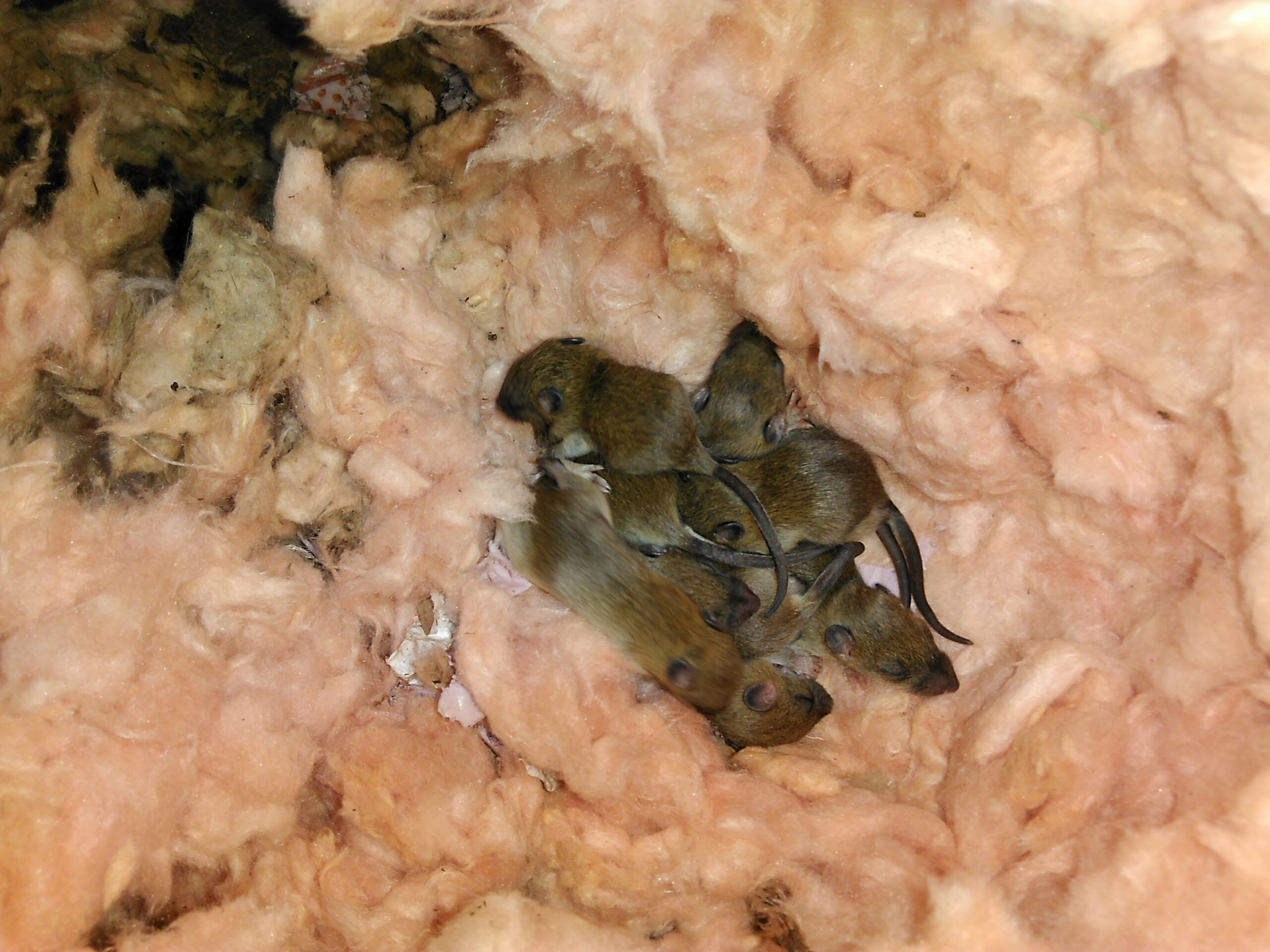
- Burrows and Nesting: Check for holes in the garden or shredded materials like insulation and paper in the attic, which indicate the colony is established and breeding.
While it may be tempting to ignore a single sign, rats are social creatures that live in colonies; seeing one indicator usually means a larger group is hidden nearby. If you notice any of these warnings, contact Skedaddle Pickering immediately for a professional assessment to stop the infestation before it spreads.
Our Three-Step Humane Process
At Skedaddle, we don’t believe in temporary fixes. Our proven three-step process is designed to clear your home of rats and ensure they stay out for good, all while prioritizing the humane treatment of the animals and the safety of your family.
Step 1: Inspect & Relocate
We begin with a meticulous, top-to-bottom assessment of your property. Rats are masters of exploitation, often entering through gaps in siding, weep holes, or rooflines. Using advanced technology like thermal imaging, we can pinpoint nests hidden deep within wall voids without causing damage to your home.
- One-Way Doors: We install custom-fitted “one-way doors” over primary entry points. This allows rats to exit the home to forage but prevents them from re-entering, effectively clearing the house without the use of lethal traps.
Step 2: Clear & Decontaminate
Once the rodents are gone, the focus shifts to restoring your home’s hygiene. Rats leave behind pheromones, urine, and droppings that can attract new pests and pose serious health risks to your family.
- Professional Sanitation: Our team removes soiled insulation and uses hospital-grade disinfectants to neutralize odours and pathogens.
- Air Quality Protection: This step ensures your HVAC system isn’t circulating dried contaminants throughout your living space.
Step 3: Prevent & Protect
The final step is turning your home into a fortress. Because rats can chew through wood, plastic, and even soft metals, we use industrial-grade materials to seal your home’s exterior.
- Galvanized Steel: We use heavy-duty steel screening that is impossible for rodents to gnaw through.
- Lifetime Guarantee: We seal every potential entry point, from the foundation to the chimney, and back our work with a lifetime warranty.
Why Our Process Outperforms Traditional Methods
Unlike standard pest control that relies on a cycle of trapping and repeating, Skedaddle provides a permanent architectural solution that addresses the root of the problem. By opting for humane exclusion over chemical poisons, you eliminate the risk of rats dying deep inside your walls and creating hazardous odours or secondary pest issues.
Our approach ensures the total safety of your children and pets while utilizing species-specific knowledge to outsmart resilient rodent populations.
We provide a defence by securing every vulnerability on your home’s exterior with industrial-grade materials, ensuring that we don’t just fix a single hole, but rather transform your entire property into a fortress that is protected for a lifetime.

Local Health & Safety Risks of Rats in Pickering
Rats in the Durham Region are more than just a nuisance; they are a significant health liability. Their presence introduces biohazards into the home that can persist long after the rodents are gone.
- Disease: Rats are known carriers of Hantavirus, Leptospirosis, and Salmonellosis, which can be transmitted to humans through direct contact or contaminated surfaces.
- Airborne Contaminants: As droppings dry, they break down into microscopic particles. When your HVAC system kicks on, these contaminants can be circulated throughout your home, leading to respiratory issues.
- Parasites: Rats often carry “hitchhikers” like fleas, mites, and ticks. Once the host rat is removed or dies, these parasites look for new hosts—often the human or pet occupants of the house.
- Attic Soiling: Accumulated urine and feces destroy insulation and can lead to mould growth and structural rot, compromising the air quality and value of your home.
Don’t let a rat problem compromise the safety of your home. Whether you’re in the heart of the city or the surrounding areas of Ajax and Whitby, Skedaddle’s expert team is ready to provide a permanent, humane solution. Protect your property and your health today.
Where Rats Could Be Hiding In Your Home This Spring
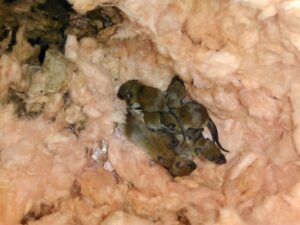
Rats In Atlanta: Why They Are Drawn To Your Business
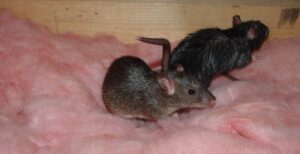
Roof Rats in Brookhaven: A Hidden Winter Problem for Homeowners
Frequently Asked Questions
CALL US TODAY
1.888.592.0387
OR
Request for Services

