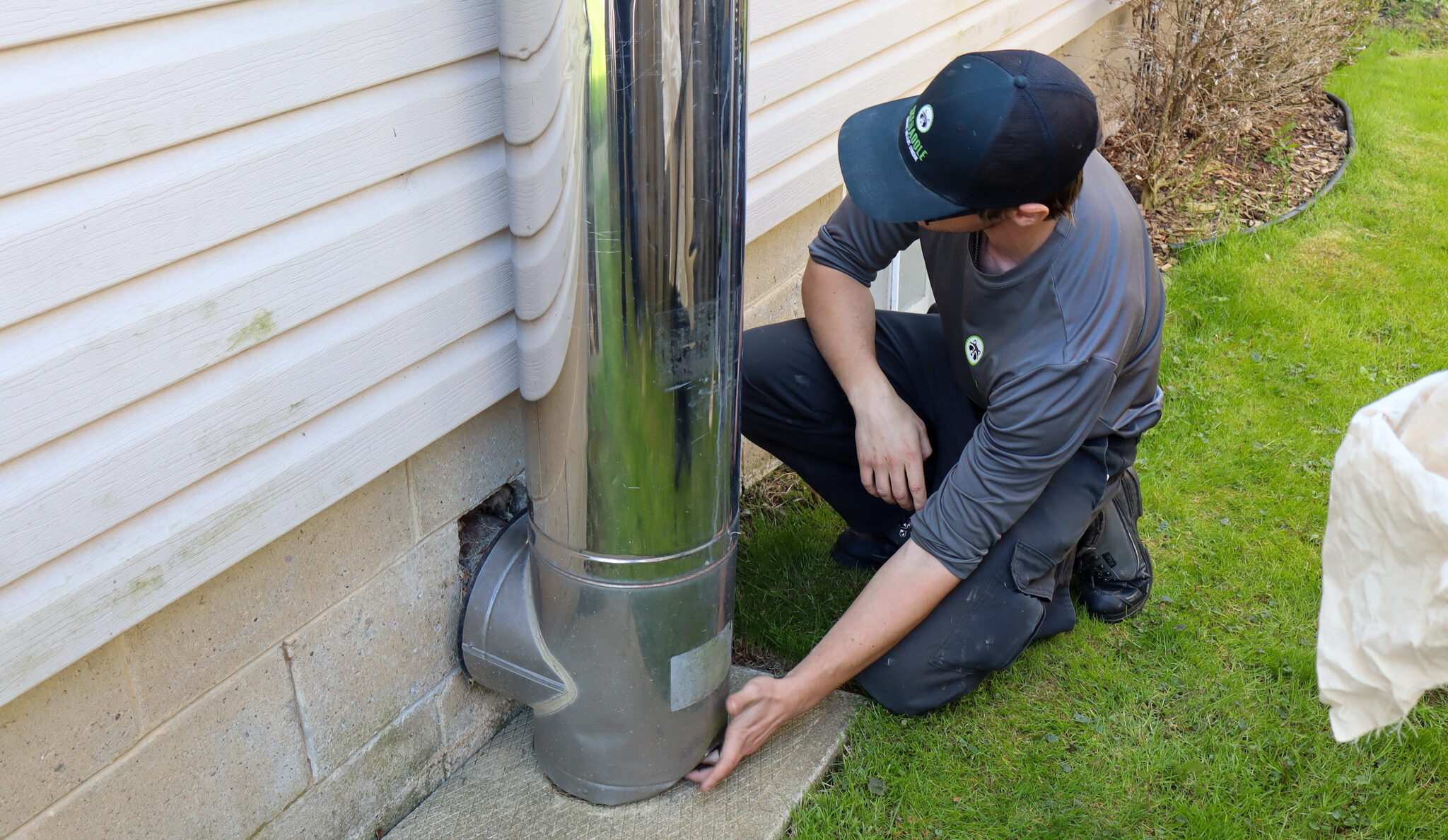
You might be surprised to learn that your beautiful garden could be a magnet for unwanted animals. Landscaping features attract rats to your yard because they provide the three things these animals need to survive: food, water, and shelter. When you plant dense shrubs, leave fruit on the ground, or keep an unsecured compost bin, you accidentally create the perfect home for them. In this blog, we explore the specific yard features that draw these animals and how our professional team can help keep them away.
You spend a lot of time making your outdoor space look great. It can be frustrating when rats move in and take over. They can damage your plants, dig holes in your lawn, and leave behind harmful droppings. Once they settle in your yard, it is only a matter of time before they try to find a way inside your house.
If you notice signs of rats around your property, you should not try to handle the problem on your own. Homeowners should never touch rat droppings or try to remove the animals themselves, as they can carry diseases. Instead, you need expert help. Skedaddle Humane Wildlife Control in Oakville has the experience and tools to safely manage the situation for you.
Does one rat mean more?
You might spot a single rat darting across your patio and hope it is just passing through. Sadly, seeing one rat almost always means there are more nearby. Rats are highly social animals that live in large groups. They also reproduce very quickly. A single female rat can have up to six litters a year, meaning a small family can turn into a massive group in just a few months.
When you see a rat out in the open, especially during the day, it is a strong sign that their hidden nest is already overcrowded. They usually prefer to stay out of sight and hunt for food at night. If one is brave enough to search your yard in the daylight, it means food is scarce and competition within the group is high. This is a clear warning that a larger family of animals is living close by, likely hiding in your landscaping.
Landscaping Features That May Be Attracting Rats to Your Yard
Your yard might look like a peaceful retreat to you, but to a rat, it can look like an all-inclusive resort. We know that certain landscaping choices provide the exact shelter, food, and water these animals are looking for. When we visit homes to assess rat problems, we often see the same yard features causing the issue.
Below, we list the landscaping features that may be attracting rats to your yard. This section includes specific elements that our team frequently encounters when assessing properties.
Dense Groundcover and Vines
When it comes to keeping rats out of your yard, certain landscaping choices can unknowingly invite them in. Rats look for places that provide safety, food, and water, and some common yard features give them just that. Understanding how specific plants and structures attract these pests can help prevent an infestation and protect your home. Below, we break down some key landscaping elements that frequently attract rats and explain how they contribute to the problem.
- Thick Shrubs and Ivy: English ivy, dense shrubs, and other thick groundcover provide rats with the perfect hiding spots. These animals prefer staying out of sight to avoid predators, and the dense foliage gives them the shelter they need to feel safe.
- Vines as Climbing Pathways: Vines growing on fences or walls act like natural ladders for rats. They use these pathways to climb up and find access points to your home, including small cracks or weak areas that they can exploit.
- Warm and Hidden Soil: Deep groundcover keeps the soil warm and hidden, creating an ideal environment for rats to nest. These protected spaces allow them to safely raise their young without fear of disturbance from larger animals or humans.
Compost Piles
You might use a compost pile to create rich soil for your garden. However, an unsecured compost pile acts as an open buffet for hungry animals. Decaying food scraps, vegetable peels, and fruit cores give off strong smells that draw rats from far away. They will gladly dig through the pile to find a steady, daily meal.
We find that many open compost bins do not have the right screening to keep wildlife out. Even enclosed plastic bins can be chewed through if they are not properly reinforced. When rats find a reliable food source like this, they will build their nests as close to it as possible.
Our team knows how to spot the signs of animals feeding in your compost. We provide professional solutions to secure the area so the animals cannot access the food. Let us handle the heavy lifting to ensure your compost stays safe and secure.
Fruit and Nut Trees
Fruit and nut trees are a wonderful addition to any yard, but they can accidentally provide food and shelter for rodents if not properly maintained. By taking a proactive approach, you can protect both your trees and your property. Here are some common issues with fruit and nut trees and steps you can take to prevent unwanted guests.
- Fallen Fruit Attracts Wildlife: Rotting fruit on the ground, such as apples, peaches, and plums, creates an easy meal for rodents like rats. The sweet smell and soft texture are irresistible to them. To prevent this, make sure to regularly check for and remove fallen fruit from beneath your trees. Compost it in a secured bin to further discourage animals from sticking around.
- Nut Trees Provide Energy-Dense Snacks: Nut trees, like walnut and oak trees, drop high-energy snacks such as walnuts and acorns that make it easy for wildlife to thrive. These leftovers are a major draw for rodents during colder months when food is scarce. To reduce the risk, rake and clear nuts from the ground often. Store what you collect in sealed containers away from accessible areas.
- Low-Hanging Branches Offer Climbing Access: Rats are skilled climbers, and low-hanging branches act as a natural ladder to reach fruits or nuts still growing on your trees. Keeping trees properly trimmed is one of the best ways to limit their access. Regularly prune branches that touch the ground or hang too close to nearby fences, roofs, or structures rodents could use for shelter.
Wood and Rock Piles
You might keep a pile of firewood near your house for the winter. You might also have a pile of landscaping rocks waiting to be used. These piles create perfect, readymade homes for rats. The gaps between the logs and stones offer dark, dry, and safe places for them to hide from predators and harsh weather.
When you store wood or rocks right against the side of your house, it creates a bridge for rats. They can live comfortably in the pile while constantly searching for a small crack or hole in your foundation. Once they are that close to your home, finding a way inside is very easy for them.
Our technicians know exactly where to look when inspecting wood and rock piles. We identify the burrows and travel paths these animals use. We then set up safe, professional exclusion methods to keep them away from your home’s foundation.
Water Sources
Water is essential for rats to survive, and your property could unknowingly provide them with what they need. Areas with standing water and consistent moisture create ideal environments for rats to stay hydrated and thrive. Identifying and addressing these sources is a critical step in preventing an infestation. Below are some common water sources to monitor and manage:
- Leaky Hoses and Faucets: A dripping outdoor faucet or leaky hose can create small puddles that act as a reliable water source for rats. Left unattended, these leaks often go unnoticed, giving pests the hydration they need to survive. Regularly inspect your outdoor faucets and hoses for leaks, and repair them immediately to eliminate these opportunities.
- Birdbaths: Birdbaths that are low to the ground or easy to climb can easily become a personal water source for rats. These pests are skilled climbers and will take advantage of any accessible water. To reduce the risk, ensure your birdbath is elevated or placed in an area where rats cannot easily reach it. Cleaning and refilling birdbaths frequently can also discourage rodents from drinking there.
- Upturned Pots and Buckets: Items left outside, such as pots, buckets, or other containers, can collect rainwater. Even small amounts of standing water in these places can sustain a rat population. To prevent this, turn empty containers upside down or store them in a covered area. Regularly check your yard and remove anything that could trap water after it rains.
Rat Preventive Landscaping Practices with Skedaddle
At Skedaddle Humane Wildlife Control, we understand the importance of keeping your yard a pleasant space. Rats and other wildlife can cause significant damage and pose health risks when they make their homes on your property. That’s why we work hard to provide solutions tailored to your specific needs. Our team takes the time to assess your property thoroughly and offer effective, long-term strategies to keep unwanted animals out.
One of the key steps in our process is identifying what attracts wildlife to your yard in the first place. Common factors include easy access to food, water, and shelter. We’ll carefully inspect your yard, examining areas like gardens, compost bins, bird feeders, and water features. By addressing these attractants, we help reduce the chances of animals returning to your property in the future.
Our commitment doesn’t stop at prevention — we also focus on humane removal and professional repair. If wildlife has already invaded structures like sheds, garages, or attics, we use safe and non-lethal methods to guide animals out. We then seal entry points and reinforce weak spots to keep your home and yard secure. With Skedaddle’s help, you can enjoy a beautiful, worry-free yard and peace of mind knowing it’s protected for years to come.
Frequently Asked Questions
Will keeping my grass cut short help keep rats away?
Yes, keeping your grass cut short takes away the tall cover that rats use to hide from predators. They prefer to travel in overgrown areas where they feel safe. When the lawn is neat, they feel exposed and are less likely to cross your yard.
Do bird feeders attract rats?
Yes, bird feeders are a major attraction for rats. The seeds that birds drop on the ground provide an easy, high-calorie meal for animals. If you have a rat issue, our team often suggests removing bird feeders until the property is fully secured.
How do I know if a rat is living in my yard?
You will likely see physical signs before you see the animal itself. Look for dark droppings, chewed wood, and small tunnels or burrows near bushes and fences. You might also notice a path of worn-down grass where they travel back and forth.
What should I do if I find rat droppings in my garden?
You should never try to clean up rat droppings yourself, as they can spread dangerous diseases. Leave the area alone and keep children and pets away. Call our professional team right away to safely handle the situation.
Keep Your Yard Rat-Free with Skedaddle
Your yard should be a place of comfort and peace, not a refuge for unwanted wildlife. Rats and other animals are often drawn to properties because of easy access to food, water, and shelter. While it can be alarming to discover signs of wildlife activity, remember that dealing with this issue requires careful planning and the proper expertise. Attempting to handle wildlife removal on your own can be unsafe and may not fully prevent the problem from recurring.
At Skedaddle Humane Wildlife Control in Oakville, we understand how important it is to protect your home and yard from invasive animals. Our team is highly trained in safe, humane removal methods that prioritize the well-being of both animals and homeowners. Beyond removing the wildlife, we take proactive steps to secure your property and prevent future entry, giving you peace of mind.
When it comes to protecting your family and home, you don’t have to face these challenges alone. Contact us today to schedule a professional assessment, learn more about our services, and request an estimate. Together, we can restore your yard to a safe, enjoyable space where you can truly relax. We’re here to help—reliable, professional, and always focused on your peace of mind.

 Loading...







