









RAT REMOVAL PROCESS

Assess and Remove
We conduct a 35-point property inspection using thermal imaging to locate nests. Our humane one-way door technology allows rats to exit your home naturally while preventing re-entry, ensuring no animals are trapped inside your walls.

Clear and Clean
Our team decontaminates your home by removing soiled insulation and neutralizing pheromone trails with hospital-grade disinfectants. This process eliminates health risks and prevents the scents that attract future rodents to your property.

Prevent and Protect
We “rat-proof” your home using heavy-gauge, galvanized steel screening that is entirely gnaw-proof. By securing all potential entry points, we provide a permanent solution backed by a Lifetime Guarantee against future infestations.
Protect your property with the most trusted rat removal specialists. We provide permanent, preventative solutions designed to keep families safe and homes secure throughout the Durham Region.
With over 30 years of industry-leading experience, Skedaddle Humane Wildlife Control proudly serves Whitby, Oshawa, Ajax, and Pickering. Our technicians are local experts who understand the unique structural and environmental challenges facing homeowners.
Whitby’s unique geography, blending lush conservation areas like Lynde Shores and Heber Down Conservation Area and bustling urban hubs, creates a perfect storm for rat activity.
The proximity to Lake Ontario provides a steady water source, while the mature residential neighbourhoods in the downtown heritage districts offer plenty of aging infrastructure for rats to exploit.
As development expands across the Durham Region, rats are frequently displaced from their natural habitats in the meadows and ravines, forcing them to seek shelter in the warm basements and crawlspaces of nearby homes. Whether you live near the Waterfront Trail or a quiet suburban street, the local environment makes rat prevention a year-round necessity.
What is the number one thing to get rid of rats?
The most effective way to get rid of rats permanently is professional exclusion combined with habitat modification. While many attempt DIY trapping, rats are highly “neophobic” (wary of new objects), making traps often ineffective for large colonies. In Whitby, rats typically migrate indoors during the fall and winter, seeking warmth, then begin rapid breeding cycles in the spring. A professional approach involves sealing all structural entry points with gnaw-proof materials and removing the pheromone trails that attract future generations.

Rat Activity Throughout the Seasons
Summer: Expansion and Foraging
During the warmer months, rat populations expand rapidly. With gardens in full bloom and backyard BBQs becoming frequent in neighbourhoods across Ajax and Pickering, rats find an abundance of outdoor food. However, they continue to use homes as a safe “home base” to escape the summer heat and avoid predators like hawks and coyotes found in the Durham conservation areas.
Fall: The Great Indoor Migration
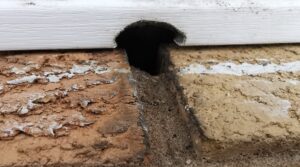
As temperatures drop, rats begin their annual “commute” into human structures. They are experts at detecting heat signatures escaping from small gaps in your home’s foundation or roofline. A gap as small as a quarter is enough for a rat to squeeze through, making the transition from the cooling outdoors to your warm insulation seamless.
Winter: Seeking Survival
In the dead of winter, rats are focused entirely on survival and warmth. They rarely venture far from their nests, often living entirely within wall voids or crawlspaces. During this time, homeowners frequently report hearing scratching or scurrying sounds at night as rats navigate the internal “highways” of the home’s plumbing and electrical runs.
Spring: The Breeding Surge
Spring is the most critical time for rat control. As the ground thaws near the Lynde Creek and surrounding wetlands, rats become hyperactive. This is the primary breeding season; a single female can produce a litter of up to 12 pups every few weeks.
During this time, rats are aggressively seeking high-protein food sources to support their growing nests. They will often chew through weakened wooden soffits or plastic vent covers to establish “nursery” dens inside your walls or attic. Early intervention in the spring is essential to prevent a single pair of rats from turning into a full-blown infestation by summer.
Why Your Whitby Property is a Magnet for Rats
Whitby’s unique geographic layout, where the urban density of the heritage downtown meets the sprawling green spaces of the Heber Down Conservation Area and the shores of Lake Ontario, creates an ideal habitat for rats. These rodents are opportunistic survivors driven by three essentials: food, water, and shelter. The proximity to Port Whitby Marina and the various creeks running through the Durham Region provides a constant water source, while our local residential gardens and bird feeders offer a buffet of high-calorie food. As the seasons shift, the mature infrastructure of older neighbourhoods and the crawlspaces of newer developments provide the perfect structural “voids” for rats to establish permanent colonies. Once they find a reliable way to bypass the lakefront winds, they have little reason to leave.
- Year-Round Thermal Protection: Our local climate drives rats to seek the consistent heat radiating from your home’s furnace and insulation.
- Structural Vulnerabilities: Aging brickwork and settling foundations common in Durham offer easy entry points that rats can widen with ease.
- Abundant Foraging Baselines: Proximity to local parks and the Whitby Farmer’s Market provides a high-density food environment.
- Safe Breeding Grounds: Undisturbed attics and wall voids provide the isolation necessary for rapid, multi-generational colony growth.
- Protection from Predators: Indoor living shields rats from the hawks, owls, and coyotes found in conservation corridors.
The Early Warning Signs
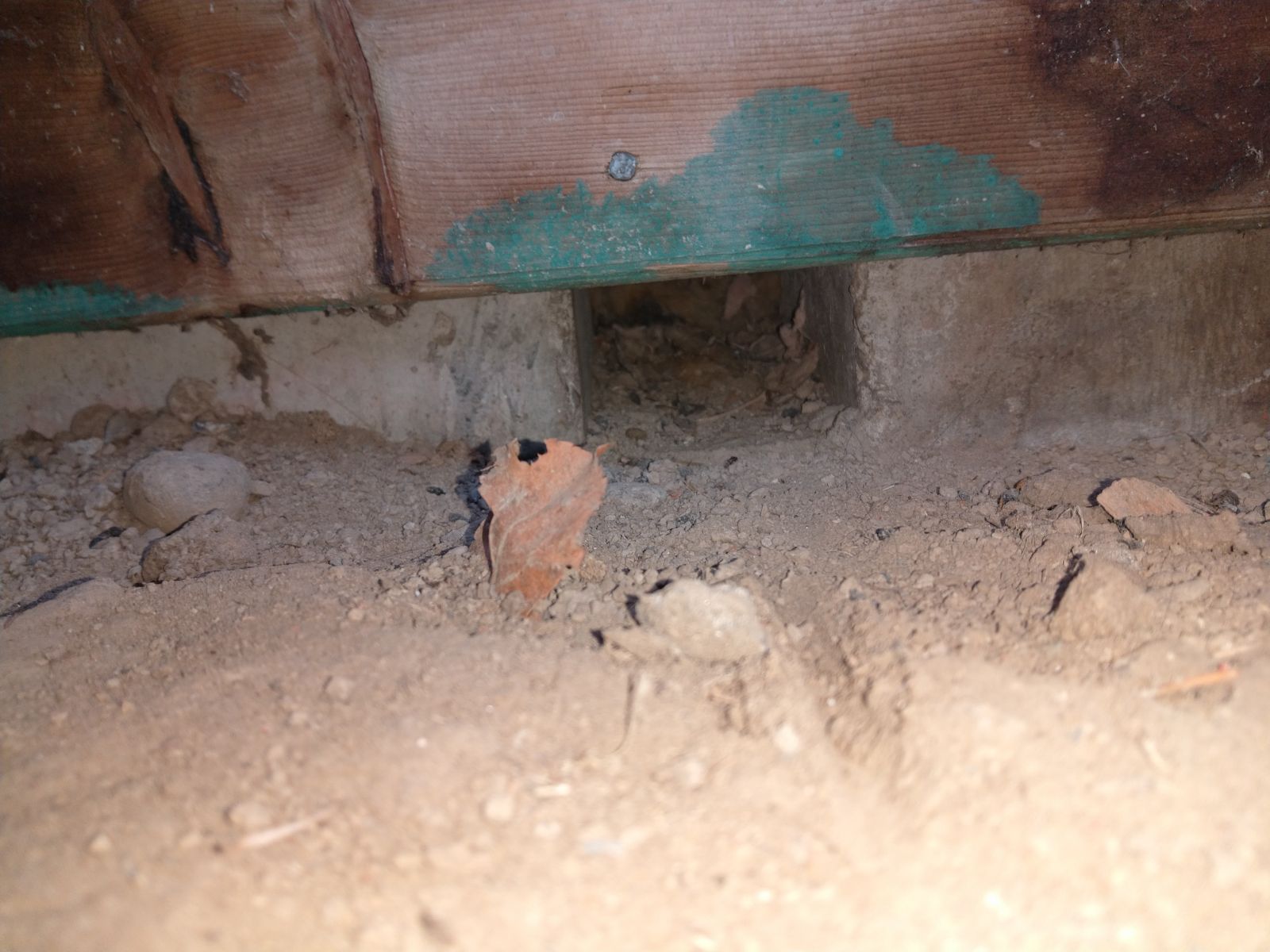
Keep a close eye on your home’s exterior and low-visibility areas. Look for small, circular burrows near your foundation or “smudge marks” dark, greasy trails left by their oily fur along baseboards. Identifying these subtle indicators early is the only way to prevent a few inquisitive explorers from turning into a deep-rooted infestation within your walls.
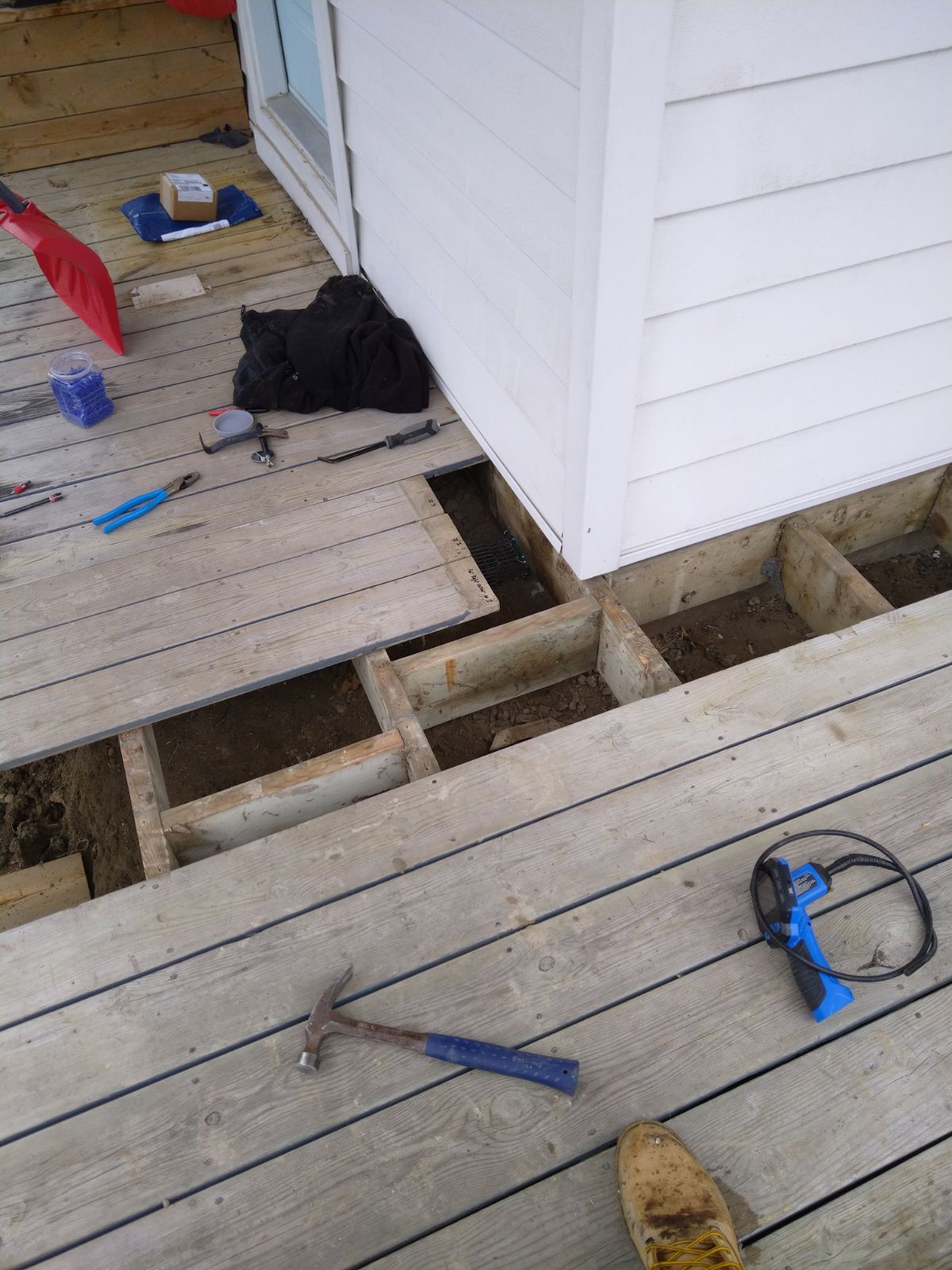

Signs Your Home Is Harbouring a Rat Colony
Identifying a rat presence early can save you thousands in structural repairs and professional decontamination costs.
Nighttime Audio Cues: Listen for distinct scratching, scurrying, or squeaking sounds coming from within wall voids, ceilings, or floorboards, particularly during the quiet late-night hours.
Tapered Waste Deposits: Finding dark, spindle-shaped droppings (roughly 1/2 inch to 3/4 inch long) in cupboards, basements, or near food sources is a definitive sign.
Greasy Rub Marks: Look for dark, oily stains along walls and trim where rats have repeatedly travelled, using their body oils to mark familiar “runways.”
Evidence of Gnawing: Check for fresh teeth marks on wooden structures, plastic pipes, or electrical wiring—a behaviour rats use to keep their fast-growing teeth filed down.
Burrows and Nesting: Inspect the garden and foundation for entry holes, or check the attic for shredded insulation and paper gathered into messy, concentrated nests.
Because rats are highly social and breed with alarming speed, seeing even one of these signs usually indicates that a larger colony is already established nearby. Do not wait for the damage to escalate; contact Skedaddle today for a professional, 35-point structural assessment to reclaim your home.
Our Humane Rat Removal Process
Effective rat control requires more than just removal; it requires a permanent architectural solution. Skedaddle’s three-step process is engineered to address the specific nesting and entry behaviours of rats, ensuring your home remains a fortress.
Step 1: Inspect & Remove
Our process begins with a 35-point comprehensive property assessment to map out the infestation’s extent. We use advanced thermal imaging technology to find rat nests hidden deep within wall voids or attic spaces that are invisible to the naked eye.
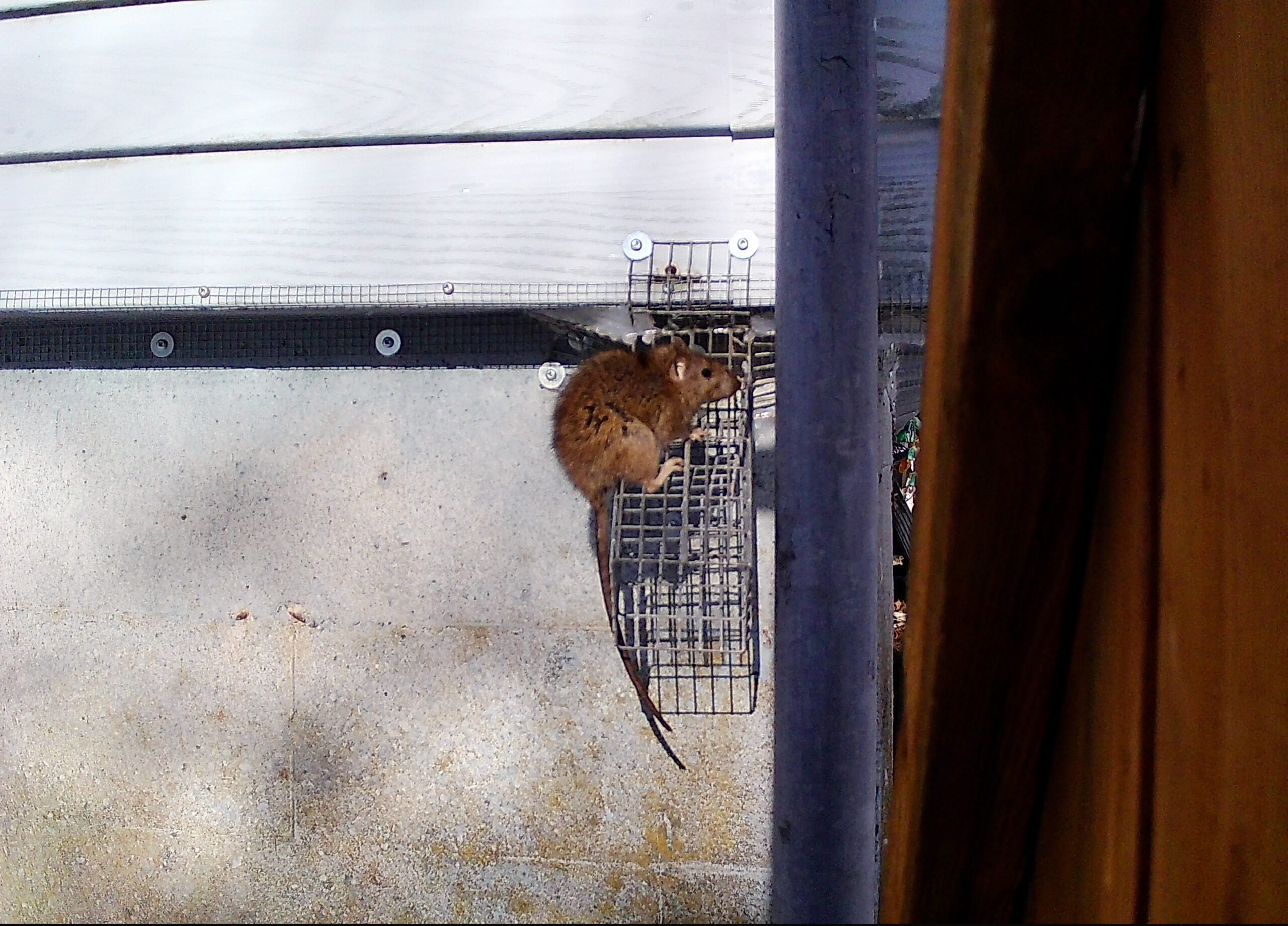
Because rats are nocturnal and active foragers, we install specialized one-way door technology over their primary entry points. This allows the rats to leave the house naturally to find food but prevents them from re-entering, ensuring no animals are trapped or perish inside your structure.
Step 2: Clear & Clean
Rats leave behind significant biohazards, including pheromones, urine, and droppings. For rats, these scents act as a “roadmap” that signals to other rats that your home is a safe place to nest. We perform a meticulous cleanup, removing contaminated insulation and applying hospital-grade disinfectants to neutralize pathogens.
This critical step restores your indoor air quality and protects your family from secondary pest infestations, such as mites or fleas that often travel on rodents.
Step 3: Prevent & Protect
We take a “Fortress” approach to prevention. Our technicians install heavy-gauge, galvanized steel screening over all current and potential entry points. This material is specifically chosen because it is gnaw-proof and weather-resistant, standing up to a rat’s powerful teeth and the harsh winters of the Durham Region. By securing every vulnerability on the structure, we can confidently offer a Lifetime Guarantee against rat re-entry.

Local Health & Safety Risks
Sharing your home with rats poses serious health risks to your family and pets. In Whitby, where homes are often tightly sealed for the winter, the accumulation of rodent waste can quickly degrade indoor air quality and spread disease.
- Disease: Rats are known carriers of Salmonellosis and Rat-bite Fever, which can be transmitted through contact or contaminated surfaces.
- Airborne Contaminants: Dried droppings and urine can break down and become airborne, leading to respiratory issues and the spread of Hantavirus.
- Parasites: Rats often bring “hitchhikers” like ticks, fleas, and mites into your living space.
- Attic Soiling: Accumulated waste destroys insulation R-value and creates foul odours that permeate the entire home.
Secure Your Home Today
Don’t let a rat problem escalate into a costly home repair or a health crisis. Our team is ready to provide you with a permanent, humane solution tailored to the environment. Contact Skedaddle Humane Wildlife Control today to book your comprehensive home assessment!
Why Rat Infestations Surge in Canadian Cities During Winter
Do Rats and Mice have Poor Eyesight
Is Your Whitby Home Protected from Rats this Fall?
Frequently Asked Questions
CALL US TODAY
1.888.592.0387
OR
Request for Services

