






BIRD REMOVAL PROCESS

Assess and Remove
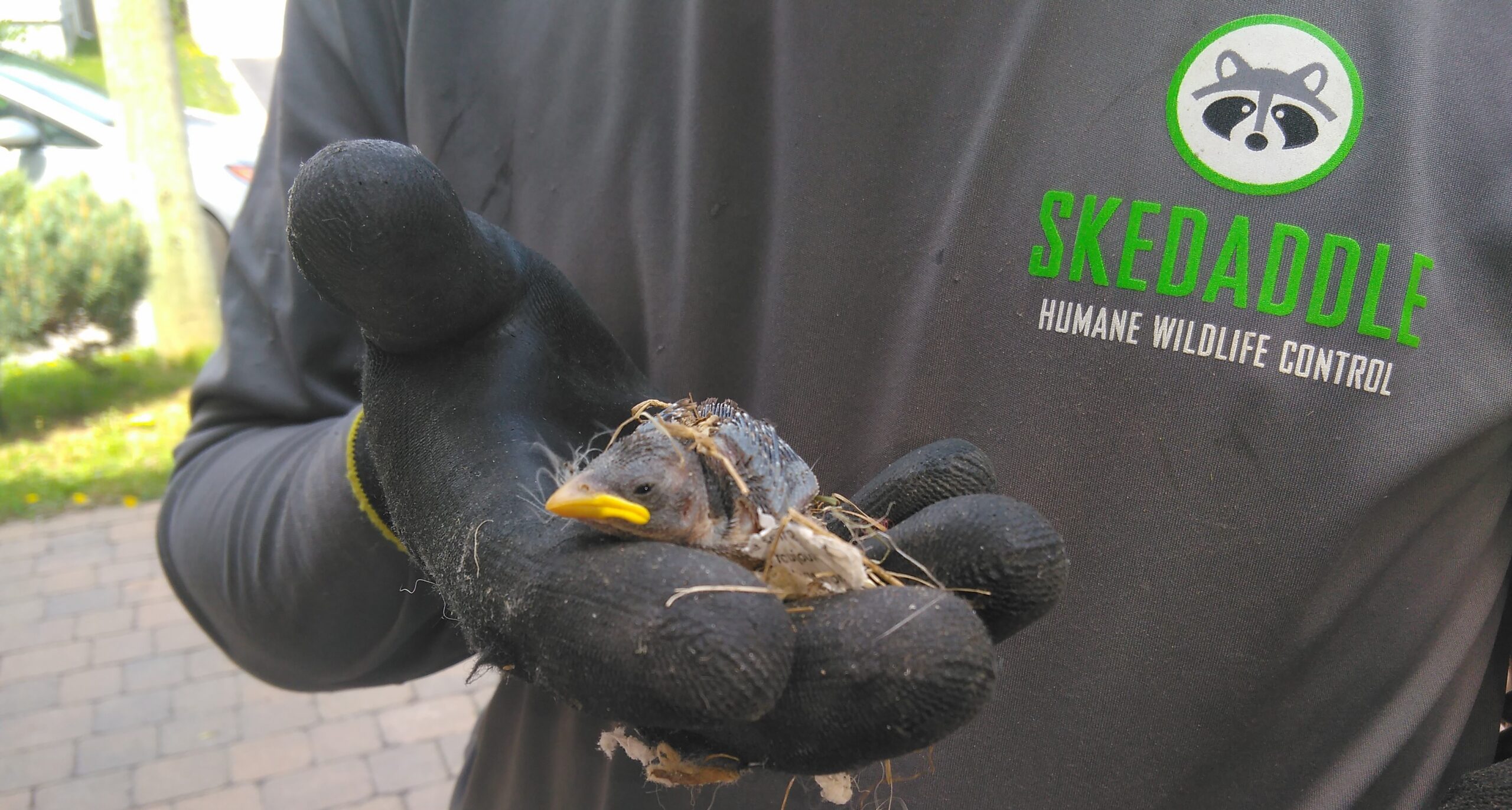
The first step in resolving a nuisance bird issue is a thorough understanding of the exact nature of the problem. Our customized removal plans take into account the species of bird involved, the affected areas of the home and the time of year.

Clear and Clean
Birds can be messy, their nesting material and droppings can cause home damage and result in unsanitary conditions. As part of the process our trained technicians will remove nests from vents, soffits and balconies and safely scrub away unhealthy droppings.

Prevent and Protect
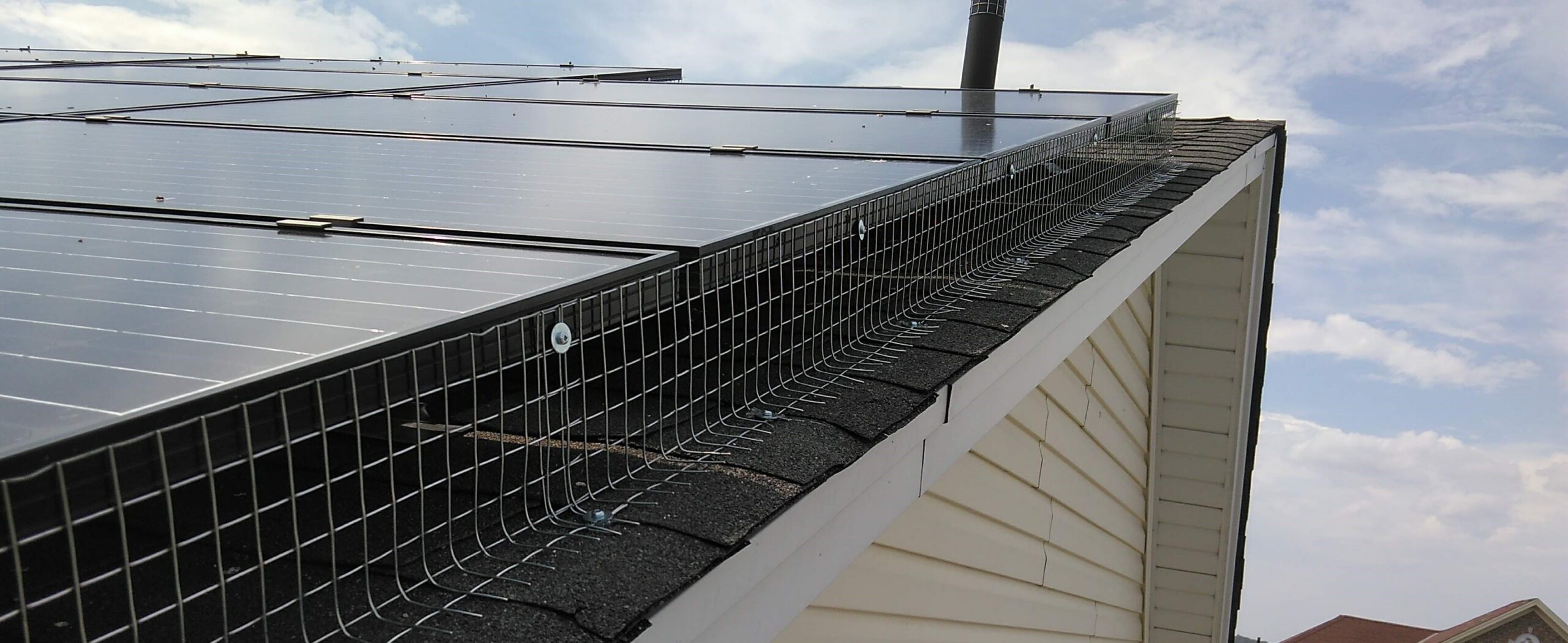
Our prevention plans are customized to address the specific bird threats your home faces. Our technicians are trained to install protective barriers and devices designed to make your home inhospitable to birds.
Hearing chirping in your attic early in the morning or noticing birds flying in and out of your roofline can be easy to brush off at first. In a city like Windsor, where birds are part of the natural landscape along the Detroit River and throughout residential neighbourhoods, it’s common to see them around your home. But when birds begin nesting inside your attic, vents, or soffits, what seems like a minor inconvenience can quickly turn into a much larger problem.
Birds are constantly searching for warm, protected spaces to build their nests, and your home offers the perfect conditions. Once inside, they can block ventilation systems, leave behind droppings and debris, and create persistent noise that disrupts your daily life.
Over time, nesting materials can contribute to moisture buildup, odours, and even fire hazards if placed near wiring or fixtures. Many homeowners don’t realize how quickly the damage can escalate until repairs become costly.
Why Should You Hire a Professional for Bird Removal in Windsor?
Skedaddle provides humane bird removal in Windsor using proven techniques designed to solve the problem at its source. Our approach focuses on safely removing birds without harm while identifying and sealing the areas that allowed them inside in the first place. With professional exclusion methods, we ensure birds can leave your home, and can’t return.
With the right solution, you can protect your home, avoid ongoing damage, and restore peace of mind knowing the issue has been handled properly and permanently.
If you suspect birds are nesting in your home, early action prevents costly repairs. Schedule your bird inspection today!

How Bird Behaviour Changes with the Seasons
Understanding seasonal bird behaviour helps explain why birds suddenly start targeting homes and commercial buildings. Nesting instincts, weather shifts, and food availability all influence when and why birds try to enter attics, vents, and rooflines.
Spring: Nesting and Territory Season
Spring is the most active time for bird intrusions. As temperatures rise along the Detroit River and food sources increase, birds begin searching for safe nesting sites to lay eggs. Roof vents, attic spaces, soffits, and commercial signage provide warmth, shelter, and protection from predators. During this time, birds become highly territorial and persistent. Once they establish a nesting site inside a structure, they aggressively defend it and may return year after year if entry points aren’t professionally sealed.
Summer: Raising Young and Increased Activity
In summer, nesting season continues as hatchlings grow and require constant feeding. This leads to increased noise, droppings, and visible bird traffic around entry points. Baby birds amplify the problem — chirping becomes louder, nesting materials accumulate, and blocked vents can cause moisture buildup inside homes and businesses. In Windsor’s heat and humidity, blocked airflow can quickly lead to mould growth and insulation damage. If nests remain undisturbed, some species may attempt a second brood before the season ends.
Fall: Shelter-Seeking and Roosting Behaviour
As temperatures begin to drop, birds shift from nesting behaviour to shelter-seeking. Instead of building new nests, they look for protected roosting spots to escape wind and cold nights. Commercial buildings, warehouses, roof ledges, and residential attics become attractive overwintering locations. Small gaps in soffits or fascia that went unnoticed during the summer often become entry points in the fall. If birds gain access now, they may remain inside through the winter months.
Winter: Warmth and Survival Mode
Winter brings freezing temperatures, snow, and limited food sources. Birds prioritize survival and actively seek warm, insulated spaces. Attics and vents provide stable temperatures and protection from predators. Even if nesting isn’t occurring, roosting birds can create contamination issues through droppings and debris accumulation. Once birds establish a winter shelter inside a building, they often stay until spring nesting season begins — restarting the cycle.
Why Birds Are Nesting in Local Homes
Windsor’s location along the Detroit River creates a rich bird habitat. Combined with older homes and accessible rooflines, it creates ideal nesting conditions.
Roof Vents & Soffits Mimic Natural Nesting Sites
Birds naturally seek sheltered cavities. To them, your:
- Bathroom exhaust vents
- Dryer vents
- Attic vents
- Loose soffits
look like safe, warm nesting spots.
Spring & Summer Nesting Season
Nesting activity typically increases between March and July. During this period:
- Birds aggressively protect their nests
- Babies hatch quickly
- Noise levels increase
- Nesting debris builds up fast
Without professional removal and sealing, birds often return to the same entry point the following season.
Common Birds We Remove in Local Communities
Different species create different risks. Our local team commonly removes:
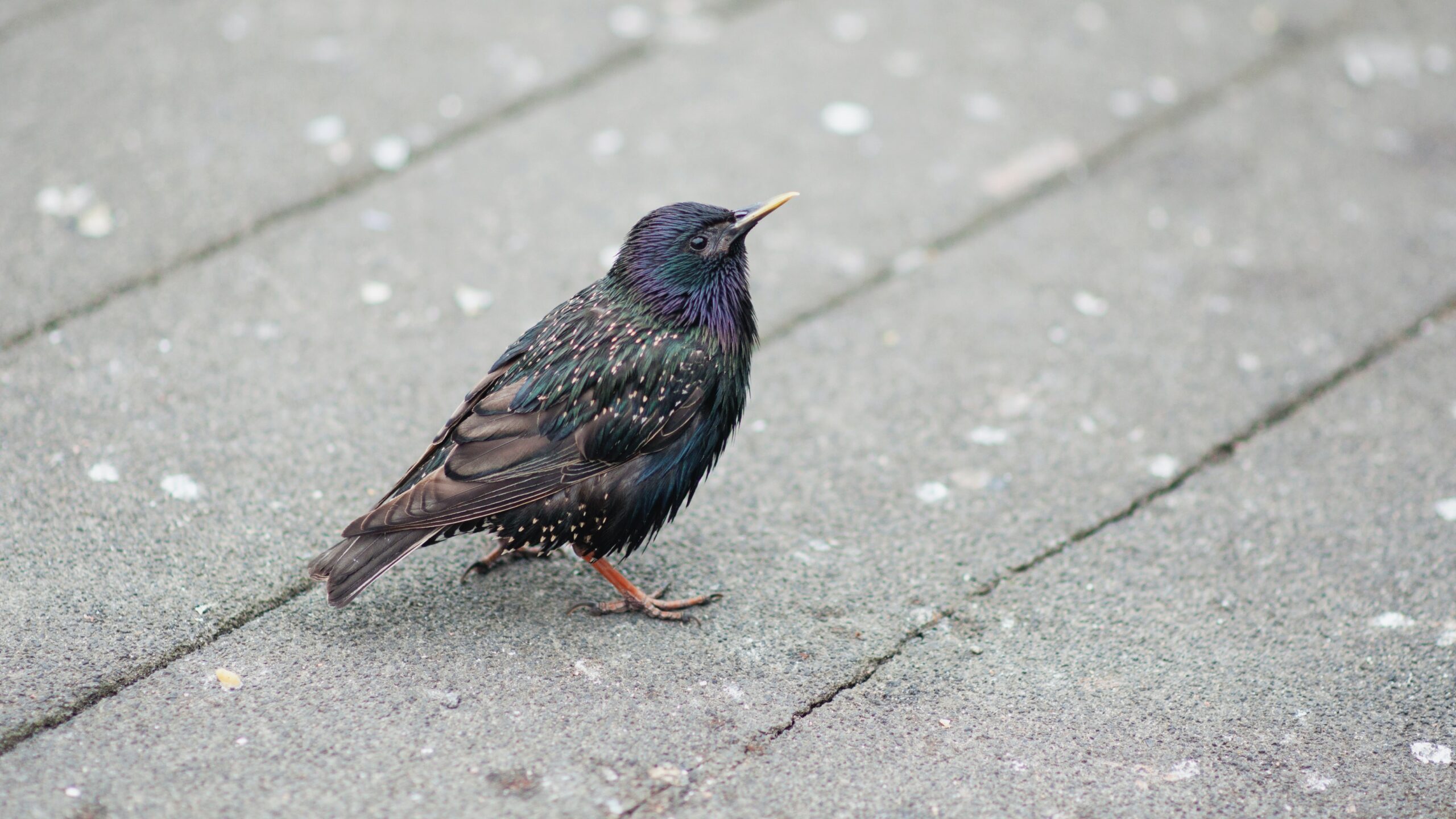
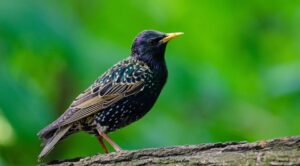
Starlings
- Frequently nest inside bathroom vents
- Build dense nests that block airflow
- Extremely noisy during nesting season
House Sparrows
- Small but aggressive
- Squeeze into tight soffit gaps
- Reproduce quickly
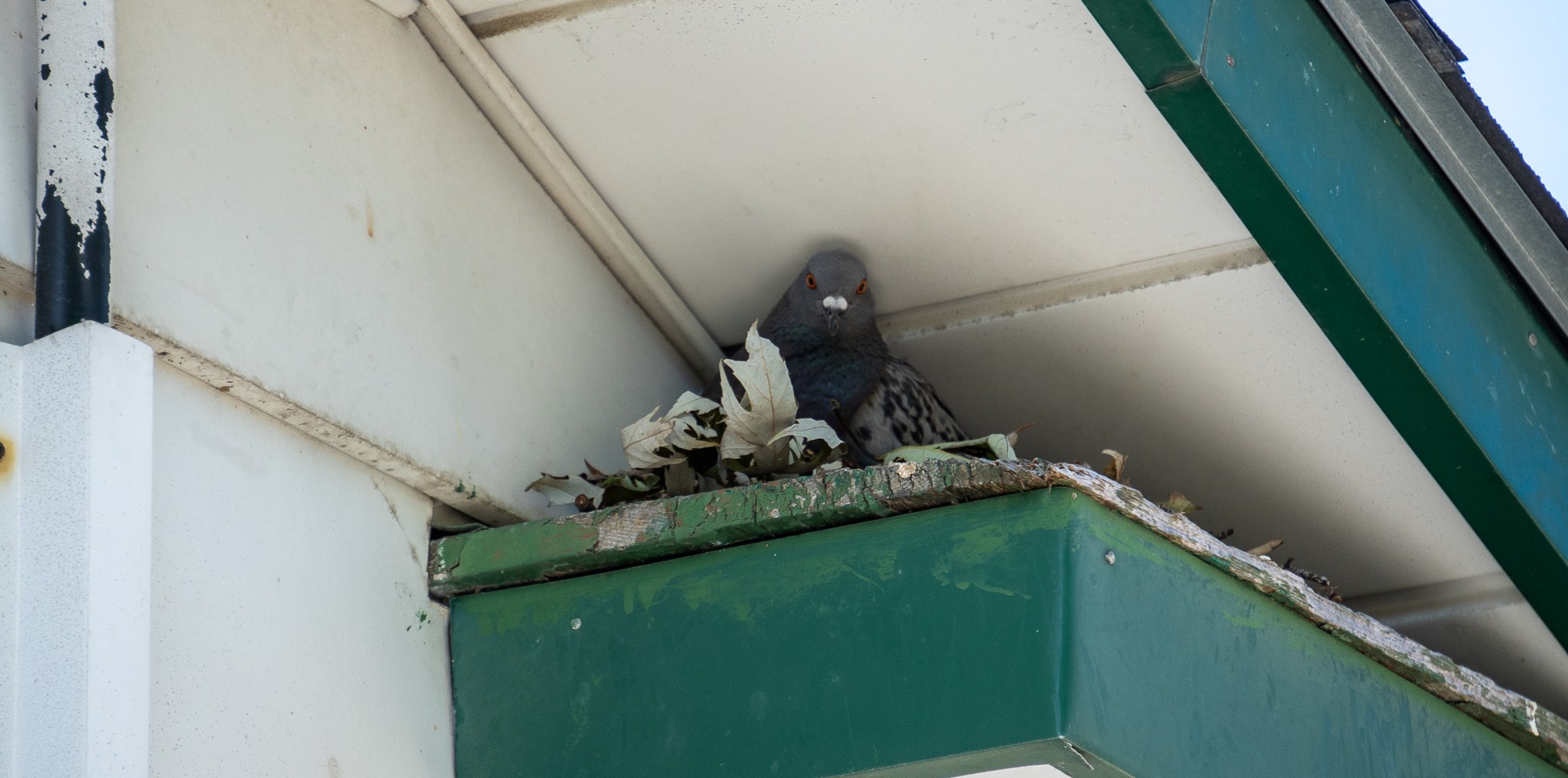
Pigeons
- Nest along rooflines and ledges
- Leave acidic droppings that damage surfaces
- Create ongoing sanitation concerns
Not sure which species is in your home? Our inspection identifies the bird and determines the safest removal approach.

Signs You Have a Bird Infestation
Bird problems rarely start with something dramatic. In most local homes, the early warning signs are subtle, easy to ignore until the damage becomes more serious.
Because birds often enter through vents, soffits, or small roof gaps, the activity may be happening just out of sight. Paying attention to the early indicators can prevent costly repairs later.
Watch for these common signs:
• Chirping, fluttering, or scratching sounds in the attic or vents
You may hear activity early in the morning when birds are most active. As hatchlings grow, the noise often becomes louder and more frequent.
• Nesting material sticking out of vent covers
Twigs, grass, insulation, or feathers protruding from bathroom or dryer vents are a strong indicator of nesting inside the ductwork.
• Droppings below roof edges, siding, or driveways
Bird droppings accumulating in one concentrated area often signal an active nesting site directly above.
• Strong odours near attic access
Blocked vents and droppings can create a noticeable ammonia-like smell, especially in warm weather.
• Increased bird activity in one specific roof area
If you consistently see birds flying to and from the same location, they are likely entering your home.
Our Humane Bird Removal Process
At Skedaddle, we don’t believe in temporary fixes. Bird problems aren’t solved by simply removing a nest — they’re solved by understanding why the birds chose your property in the first place and making sure they can’t return.
Our process focuses on safe removal, full remediation, and permanent prevention.
Step 1: Detailed Home Inspection
Every successful removal begins with a thorough inspection of your property.
Our technicians assess:
- Active nesting areas
- All potential entry points (even ones not currently in use)
- Structural vulnerabilities in rooflines, vents, and soffits
- Signs of moisture buildup or insulation damage
- Blocked bathroom, dryer, or attic ventilation
Birds often use more than one access point. If even a small gap is missed, they may return within days. That’s why we inspect the entire exterior, not just the obvious nesting site.
This step allows us to create a customized removal and prevention plan specific to your home or business.
Step 2: Safe Nest Removal
Bird removal must be handled carefully, especially during nesting season in Ontario, when certain species are legally protected.
Once legally permitted, we:
- Carefully remove nesting materials
- Clear blocked vents and ductwork
- Extract debris that may pose fire hazards
- Prevent babies from being trapped inside
Improper removal can cause birds to panic and move deeper into walls or attic cavities. Our technicians use humane handling procedures designed to protect both wildlife and your property.
Step 3: Seal and Reinforce Entry Points
Once we confirm the birds have exited, we permanently secure your home.
This includes:
- Installing wildlife-proof vent covers
- Sealing soffit and fascia gaps
- Reinforcing vulnerable roofline areas
- Repairing minor structural damage
We use durable, weather-resistant materials designed specifically to withstand Windsor’s changing seasons, from humid summers to freezing winters.
If entry points aren’t properly sealed, birds will return. Our exclusion work is designed to prevent repeat infestations year after year.
Step 4: Clean & Sanitize
Bird infestations don’t end when the birds leave.
Nesting materials and droppings can:
- Harbour bacteria and parasites
- Attract insects
- Cause odours
- Contribute to mould growth
We remove contaminated debris and restore affected areas to help ensure your attic or vent system is safe and functional.
A clean space is essential to fully resolving the issue — not just masking it.
The Result: Permanent, Humane Protection
By combining removal, exclusion, and sanitation, we eliminate the current infestation and reduce the risk of future problems.
You’re left with:
- A secure, sealed structure
- Restored ventilation
- Reduced health risks
- Long-term peace of mind
Bird problems escalate quickly — but with the right approach, they can be resolved permanently.
The Risks of Birds Nesting in Your Home
Many homeowners underestimate bird infestations. The risks can escalate quickly.
Fire Hazards: Dry nesting materials placed near electrical wiring or lighting fixtures increase fire risk.
Blocked Ventilation: Nests inside bathroom or dryer vents trap moisture, leading to:
- Mould growth
- Insulation damage
- Reduced air quality
Health Concerns: Bird droppings can contain bacteria and attract parasites such as mites.
Repeat Infestations: Birds are highly habitual. If entry points aren’t properly sealed, they will return.
Protect Your Home from Bird Damage
If you’re hearing birds in your attic or vents, the problem won’t resolve on its own. What starts as a few chirps can quickly turn into blocked vents, contaminated insulation, moisture damage, and expensive repairs. Birds build nests fast — and once they feel safe inside your home, they often return year after year.
Early, professional removal helps prevent:
- Structural damage to vents, soffits, and rooflines
- Fire hazards caused by dry nesting materials near wiring
- Health risks from droppings, bacteria, and parasites
- Ongoing infestations that worsen each season
The longer birds remain inside your home, the more damage they can cause. Waiting often means higher repair costs and more extensive cleanup.
The good news? Bird infestations can be solved permanently and humanely with the right approach. Our Skedaddle wildlife technicians use professional, humane exclusion methods to remove birds without harm and ensure they can’t return.
You don’t have to live with the noise. You don’t have to risk the damage. And you don’t have to figure it out alone. Take action before the problem escalates. Schedule your humane bird removal inspection in Windsor today!
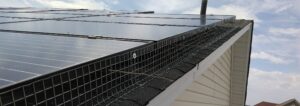
Should You Feed The Birds This Winter? What The Experts Recommend
What To Do If A Bird Starts Building A Nest On Your Porch
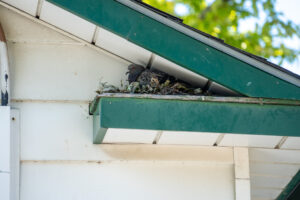
Stop Bird Nest Vents Issues Before They Escalate
Bird Removal FAQs
Yes. Humane bird removal focuses on safe eviction rather than trapping, poisoning, or relocation. This avoids stress, injury, and separation from dependent young when handled properly and legally. Wildlife technicians also comply with Ontario regulations that protect certain bird species during nesting season. By combining humane eviction with permanent exclusion and sanitation, the process protects both wildlife and homeowners while ensuring the infestation does not continue or reoccur.
In many cases, removing a bird nest yourself is not recommended. In Ontario, several bird species are protected during nesting season under federal and provincial regulations. Disturbing an active nest with eggs or hatchlings may result in legal penalties. Additionally, improper removal can trap birds inside walls or attic spaces, leading to further damage and odour issues. Bird nests often block vents or conceal structural vulnerabilities that require professional repair. A trained wildlife technician ensures the nest is removed legally, safely, and completely — while sealing entry points to prevent future infestations.
In Windsor, bird nesting season typically begins in early spring and continues through mid-summer. During this period, birds actively search for sheltered spaces such as attic vents, soffits, and roof gaps to build nests and raise their young. Some species may produce multiple broods within one season, extending activity into late summer. Nesting birds are more territorial and persistent, making early detection important. Because certain species are protected while actively nesting, removal methods must follow legal guidelines. Scheduling an inspection before peak nesting season can help prevent infestations altogether.
Birds will often return if entry points are not properly sealed. They are creatures of habit and tend to reuse successful nesting sites year after year. However, when humane one-way doors are combined with professional exclusion work — such as installing vent covers, sealing soffits, and reinforcing roof gaps — repeat infestations are highly unlikely. Permanent prevention is just as important as removal. Without sealing vulnerabilities, the problem may recur within weeks. With proper exclusion techniques, homeowners can expect long-term protection and peace of mind.
Looking For Humane Wildlife Control?
CALL US TODAY
1.888.592.0387
OR
Request for Services