








SKUNK REMOVAL PROCESS

Assess and Remove
To solve a skunk problem, we start with a complete assessment of your property to determine where the skunks are living and how they’re gaining access. Since skunks do not climb our inspection will focus on the ground level den sites like porches, decks and sheds. We then perform a careful and humane removal, including any babies.

Clear and Clean
Once we humanely remove any skunks and their babies we will move on to clearing the den site of any damaged property, nesting material or debris that was gathered by the animals. We can then begin cleaning, disinfecting and deodorizing the area to eliminate any risk of illness, irritating odors and attractants for other wildlife.

Prevent and Protect
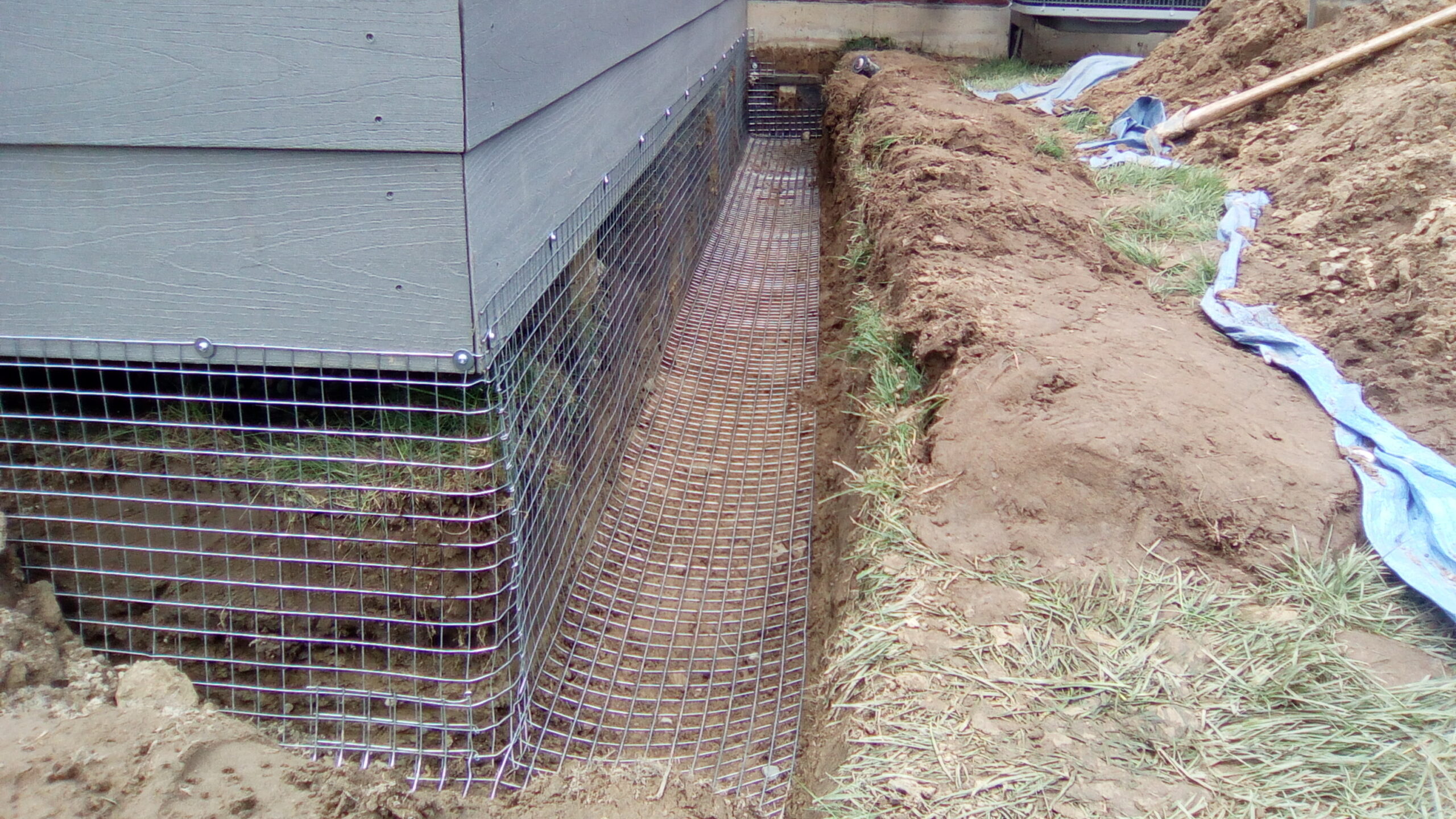
To prevent a future skunk problem, our technicians will get to work installing protective barriers designed to keep skunks out. This usually involves digging out around the perimeter of the deck, shed or porch and burying a heavy steel mesh deep into the ground. Our workmanship and materials are backed by a lifetime warranty.
If you’re dealing with skunk smells or fresh digging under your deck, Skedaddle provides humane skunk removal and prevention across Windsor and the surrounding area.
With 30+ years of proven humane wildlife expertise, Skedaddle helps homeowners and businesses across Windsor, Lakeshore, LaSalle, Leamington, Amherstburg, Tecumseh, Kingsville and Essex resolve skunk problems safely and permanently. We don’t rely on quick traps or temporary fixes; we remove skunks humanely, address the den site, and prevent them from returning.
In Southwestern Ontario, skunks commonly den under decks, porches, sheds and additions, especially in quiet backyards with easy cover and food sources like grubs, pet food, compost and open garbage. Many Windsor-area residents first notice a skunk issue from a strong smell near the crawlspace, fresh cone-shaped holes in the lawn, or a new burrow along the foundation line.
Skedaddle’s local team inspects the property, confirms den activity, uses humane exclusion to clear skunks safely, then installs buried screening and structural barriers to stop future skunk nesting without disrupting your yard’s appearance.
How do I get rid of skunks in Windsor?
The safest way is to avoid DIY trapping and focus on humane exclusion: confirm the den location, safely remove skunks, eliminate attractants (pet food, grubs, garbage), and install buried screening under decks or sheds to prevent re-entry. Skedaddle provides professional skunk removal, guidance on cleanup, and long-term prevention to ensure skunks don’t return.

Skunk Activity by Season in Windsor
Skunk behaviour in Windsor and Southwestern Ontario changes through the year, which is why skunk problems can feel sudden and why prevention matters. Knowing what skunks do in each season helps homeowners act early and avoid under-deck denning, lawn damage, and odour issues.
Fall: Skunks Forage and Return to Familiar Dens
In the fall, skunks in Windsor-Essex forage heavily and look for reliable shelter for the winter, often returning to spaces they have used before under decks, porches, steps, sheds and crawl space edges. Homes in Lakeshore, LaSalle, Leamington, Amherstburg, Tecumseh and Kingsville commonly see this activity as temperatures drop. Homeowners may notice small holes dug in the lawn, fresh soil or a gap along the edge of a deck or shed, or a skunk odour near the foundation.
A skunk that settles under a structure in the fall may stay through the winter, which can lead to odour problems and run-ins with pets. Skedaddle’s humane skunk removal in Windsor starts by confirming where the skunk is denning, then uses one-way exclusion so it leaves safely, followed by buried screening and sealing of ground-level entry points to keep skunks out.

Winter: Quiet, But Shelter Still Matters
Skunks don’t truly hibernate, but they become less active during extreme cold and may remain tucked into sheltered spaces for longer periods. That means a den under a porch or shed can still be used through winter, and problems can reappear quickly when spring arrives. Winter is a good time for proactive repairs and wildlife-proofing so your home is ready before the denning season begins again.
Spring: Denning Season and the Biggest Risk for Homeowners
Spring is the season when skunk calls ramp up across Windsor, Lakeshore, LaSalle, Tecumseh, Amherstburg, Leamington, Kingsville and Essex. As temperatures rise, skunks look for secure, sheltered den sites to give birth and raise their young. The space beneath decks, porches, sheds and steps is ideal: dry, quiet, and protected from predators and weather.
This is also when homeowners start noticing fresh digging at the edge of a deck, a new “tunnel” opening under a shed, or a strong skunk smell lingering near the foundation. Spring lawn damage often increases when skunks dig small cone-shaped holes to reach grubs and insects, especially in softer soil after rain. Because baby season can complicate removal if it’s delayed, spring is the best time to book a professional inspection and start humane skunk removal and prevention before a den becomes established.
Summer: Nighttime Foraging and Yard Problems
In summer, skunks are active at night, roaming yards for insects, grubs, fallen fruit and accessible garbage. Homeowners may notice more lawn divots and increased skunk sightings near patios, gardens and sheds. If a skunk is still using a den under a deck, odours can become stronger on humid evenings, and pets are more likely to have close encounters.
Common Skunk Problems in Windsor
Skunks are a familiar sight across Windsor and Southwestern Ontario, especially where quiet backyards, decks, sheds and open green space create easy shelter. In spring, skunks search for secure den sites to raise young, and in summer they stay close to reliable food sources like grubs, fallen fruit, compost and pet food.
By fall, skunks are often seen more frequently as they forage before colder weather, and they’ll continue using sheltered spaces under porches and steps as long as they feel safe. In Windsor, Lakeshore, LaSalle, Tecumseh, Amherstburg, Leamington, Kingsville and Essex, the most common issues start when a skunk claims the space beneath a deck or shed, and homeowners notice odours, digging and lawn damage.
Skedaddle’s skunk removal in Windsor focuses on humane removal plus long-term prevention so the den doesn’t become a repeat problem.
- Skunk removal Windsor – confirm active den sites, remove skunks humanely, and prevent repeat visits without relying on risky DIY trapping or relocation.
- Skunks under deck – stop burrowing under porches, steps and sheds where skunks nest close to crawlspaces, vents and foundation gaps that can let odours drift indoors.
- Skunk smell solutions – address the source of persistent odours around foundations and yards, with practical guidance when spray occurs near doors, garages or HVAC intakes.
- Skunk denning prevention – install buried, wildlife-grade screening (“skirting”) around decks and sheds to block re-entry and discourage future denning in the same spot.
- Wildlife-proofing services – seal and reinforce common ground-level entry points around additions, garages and storage areas so skunks and other wildlife can’t take advantage of easy shelter.
Watch for a strong skunk odour near the foundation, fresh soil piled at the edge of a deck, and cone-shaped holes in the lawn where skunks dig for grubs. If pets are suddenly sniffing one spot repeatedly or you see tracks leading under a porch, book an inspection early—skunk denning problems are much easier to solve before babies arrive and before odours spread indoors.


Signs You Have Skunks Nesting on Your Property in Windsor
Skunks are most active at night, so many Windsor homeowners don’t realize a skunk has moved in until the smell or digging becomes hard to ignore. If you’re concerned you may need skunk removal in Windsor, these are the most common signs that a skunk is nesting on your property, especially under decks, porches, sheds, or steps.
Common signs of skunk nesting include:
- A strong skunk smell that lingers near the foundation, deck, or crawlspace vents (even without a recent spray)
- Fresh digging at the edge of a deck or shed, often with soil pushed outward like a small tunnel entrance
- A clear opening or burrow under porches, steps, or concrete pads where the ground looks recently disturbed
- Cone-shaped holes in the lawn from skunks digging for grubs and insects overnight
- Pet behaviour changes, like dogs barking, sniffing, or pawing at one spot repeatedly
- Nighttime sightings around patios, gardens, compost bins, or garbage storage areas
Skunk activity can increase in spring when mothers look for safe den sites, so early action matters. If you notice these signs, contact Skedaddle for humane skunk removal and prevention in Windsor—including den inspection, safe eviction, and buried screening to stop skunks from coming back.
Our Humane Skunk Removal Process
Skunk problems in Windsor usually start quietly, then suddenly there’s digging under the deck, a strong smell near the foundation, and pets fixated on one spot in the yard. Skedaddle’s humane skunk removal in Windsor is built to solve the immediate denning issue and prevent skunks from returning to the same sheltered space next season.
1. Inspect & Remove
We begin with a full property inspection to confirm skunk activity and locate the den. Technicians look for fresh soil pushed out from under decks, porches, sheds and steps, along with tracks and entry holes that indicate active use.
We also check for attractants that keep skunks coming back, such as
- grubs in lawns
- pet food left outdoors
- unsecured garbage and compost.
Once the den site is confirmed, we use humane exclusion methods to encourage skunks to leave safely without stressful chasing or risky DIY trapping. If it’s spring, we take extra care to check for babies so families remain together and removal is handled responsibly.
2. Clear & Clean
Skunks are messy neighbours. Under-deck denning can leave behind strong odours, droppings, and soiled nesting material that pets and other wildlife may investigate. After removal, we help homeowners address the aftermath and reduce lingering smells that can make patios and backyards feel unusable. Depending on the site, our Clear & Clean support may include:
- Removing accessible nesting debris and droppings from den areas
- Recommendations for safe, effective odour-neutralizing steps after spray
- Identifying contaminated soil or materials that may need removal or replacement
- Guidance to reduce re-attraction (e.g., securing garbage, removing outdoor food sources)
If spray has occurred near doors, garages or HVAC intakes, we’ll advise on safe next steps to reduce lingering smell and prevent skunks from treating the area like an ongoing “safe zone.”
3. Prevent & Protect
Long-term skunk control in Windsor is all about blocking access. Skunks return to safe den sites if the space is still open, so we install buried wildlife-grade screening (often called deck or shed skirting) to prevent future digging and re-entry. We reinforce common ground-level gaps around decks, sheds, additions and steps, and we can recommend changes that reduce attraction, like securing garbage, removing outdoor food sources, and treating grub-heavy lawn areas. The result is a yard that’s harder for skunks to use as shelter, so you’re far less likely to deal with the same problem again next spring.
Local Health & Safety Risks from Skunks in Windsor
Skunks may seem harmless from a distance, but a skunk den under your deck or shed in Windsor can create real health and safety concerns, especially for families with kids or pets. Beyond the smell, skunks can carry disease, leave droppings near foundations, and become defensive if startled or protecting their young. Professional skunk removal in Windsor helps reduce exposure risks and prevents repeat denning that brings wildlife closer to your home.
Rabies Risk and Pet Exposure
Skunks are one of the wildlife species that can carry rabies. Any bite, scratch, or unusual behaviour should be taken seriously, and pets should be kept up to date on vaccinations.
Droppings, Parasites, and Yard Contamination
Den sites can accumulate droppings and nesting material. This can attract insects and parasites and create an unpleasant, unsanitary area around patios, crawlspace vents, and doorways.
Spray and Indoor Air Concerns
If a skunk sprays near a foundation, garage, or air intake, odours can seep indoors and linger. Improper cleanup can spread the smell and keep wildlife returning to the same area.
Bites and Defensive Behaviour
Cornered skunks can bite, especially during spring denning season. Avoid DIY trapping or poking into den sites—professional removal is safer for you and the animal.
Get Humane Skunk Removal in Windsor
If a skunk has moved under your deck, porch, or shed, the problem can escalate quickly. Strong odours, digging, and spring denning activity often lead to repeat visits.
Skedaddle provides humane skunk removal in Windsor for homes and businesses, along with prevention measures like buried screening to stop skunks from returning to the same den site. Contact Skedaddle today to book an inspection and reclaim your yard with long-term skunk prevention.

Skunk Under the Shed? Why Summer Is Peak ‘Something Smells Wrong‘ Season
Skunks In The Spring: What Are They Up To?
How Skunks Dig Near Foundations Searching for Warmth
Windsor Skunk FAQs – Did You Know?
Skunks love low, quiet shelter—especially spaces that stay dry and hidden from predators. In Windsor, a gap under a deck, porch, shed, or front steps can feel like the perfect den site, particularly in spring when skunks look for a safe place to raise young. If your yard has easy food sources like grubs, pet food, compost, or accessible garbage, skunks are even more likely to stay.
What are the signs of a skunk living under my deck?
A strong skunk smell near the foundation is the most obvious clue, but homeowners often notice fresh soil pushed out along the edge of the deck, a tunnel-like opening under steps, or repeated pet interest in one area. You may also see cone-shaped holes in the lawn where skunks dig for grubs. If you’re seeing these signs, professional skunk removal in Windsor can prevent the den from becoming established.
Not until you’re sure the skunk is gone. Sealing an opening too early can trap skunks (or babies) inside, which can lead to stronger odours, property damage, and a stressed animal trying to dig out elsewhere. Humane skunk control focuses on confirming den activity first, then using exclusion techniques and prevention measures like buried screening once the space is clear.
Skunks are active year-round, but problems spike in spring and early summer during denning and baby season. This is when skunks are most likely to move under decks and sheds, and when homeowners notice new digging and lingering odours. Fall can also bring increased activity as skunks forage heavily. If you suspect skunk denning, it’s best to book an inspection early—before a den becomes a repeat seasonal problem.
Keep your pet outside if possible and avoid bringing the smell into the house. Ventilate the area, wear gloves, and use a pet-safe de-skunk product (or speak with your vet for recommendations). If spray happened near doors, garages, or air intakes, odours can seep indoors and linger. Skedaddle can guide on reducing skunk attraction and preventing future encounters through humane removal and under-deck protection.
Skedaddle focuses on long-term prevention, not temporary fixes. After confirming the den is clear, we install buried wildlife-grade screening around decks, porches, and sheds to block digging and re-entry. We also identify common attractants—like grubs, compost, outdoor pet food, and unsecured garbage—and provide practical steps to make your yard less inviting. This is how Windsor homeowners prevent skunk problems from returning next spring.
CALL US TODAY
1.888.592.0387
OR
Request for Services

