







RACCOON REMOVAL PROCESS

Assess and Remove
Raccoons are very intelligent and resourceful. This is why our 50 point inspection is designed to identify all current and potential raccoon entry points as well as any damage they may have caused. Our hands-on removal techniques are both humane and effective for adult and baby raccoons alike.

Clear and Clean
Raccoons are not very clean and their presence can lead to severe property damage. Skedaddle offers thorough cleaning and disinfecting of raccoon den sites to eliminate any health risks. We can also remove and replace any damaged attic insulation.

Prevent and Protect
Once the raccoons are gone you want to make sure your home is protected against future entries. Our wildlife technicians are experts in identifying and securing vulnerable areas of your home with exclusion materials that are built to last.
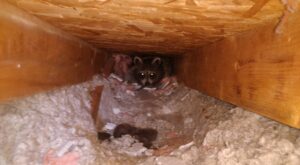
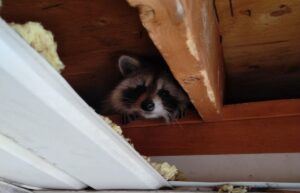
If you live in Windsor or Essex County, these are some of the first warning signs of a raccoon problem. Raccoons are strong, intelligent, and highly adaptable animals. Once they find a way into an attic or commercial roof space, they can tear insulation, damage ductwork, rip apart vents, and even chew electrical wiring. What starts as a small entry hole can quickly turn into extensive structural damage and costly repairs.
Raccoons don’t accidentally wander inside. They actively search for warm, secure spaces to den, especially during baby season and colder months. Homes and businesses provide reliable shelter, protection from predators, and consistent access to food sources nearby.
The longer raccoons remain inside a building, the more damage they cause.
How Do You Get Rid of Raccoons in Your Attic?
The safest and most effective way to remove raccoons from an attic is through humane exclusion. This involves:
- Performing a full inspection to identify entry points and nesting areas
- Installing a one-way door that allows raccoons to exit but not re-enter
- Reuniting babies with the mother outside if present
- Sealing and reinforcing all entry points with wildlife-proof materials
Trapping and relocating raccoons is not recommended, as it can separate mothers from babies and often leads to new raccoons moving into the same space. Humane exclusion ensures the problem is solved completely and legally.
At Skedaddle, we specialize in humane raccoon removal in Windsor that protects your home or business, your family, and the animals. Our process focuses on safe removal, baby reunification during breeding season, and permanent wildlife-proofing solutions that prevent re-entry.
If you suspect raccoons in your attic, early action is the key to minimizing damage.

Raccoon Behaviour by Season: Why They Try to Enter Homes & Businesses
Raccoon activity changes throughout the year, and understanding their seasonal behaviour can help homeowners and business owners anticipate problems before they escalate. From spring baby season to fall shelter-seeking and winter denning, raccoons adjust their habits based on weather, food availability, and breeding cycles. Knowing why raccoons try to enter attics, crawlspaces, and commercial buildings during each season makes it easier to recognize early warning signs and take action quickly.
Spring: Baby Season & Denning Urgency
Spring is the most active and sensitive time of year for raccoons. Female raccoons give birth between March and June and urgently search for safe, warm den sites to raise their babies. Attics, crawlspaces, and commercial rooftops provide ideal protection from predators and harsh weather. During this season, raccoons are especially determined to gain entry, even tearing through weak soffits or vents if necessary. Homeowners often first notice heavy nighttime movement followed by softer chirping or squeaking sounds from the attic, indicating a mother with kits. Because mothers are highly protective, raccoons are also most defensive at this time.
Summer: Growing Young & Increased Food Activity
In summer, baby raccoons begin exploring with their mothers, increasing overall activity around homes and businesses. Food becomes the primary focus. Garbage bins, restaurant dumpsters, compost bins, outdoor pet food, and fruit trees attract raccoons nightly. While some families may already be denning in attics from spring, others may attempt to enter buildings seeking cool, shaded shelter during heat waves or safe daytime resting spots. Businesses with accessible waste areas often see increased raccoon presence during the summer months.
Fall: Preparing for Winter Shelter
Fall is a critical preparation period. Raccoons enter a phase called “hyperphagia,” meaning they aggressively increase food intake to build fat reserves for winter. At the same time, they begin searching for secure, insulated places to shelter during colder months. This is when many new attic intrusions occur. Even if a home hasn’t had previous wildlife issues, raccoons may test rooflines, vents, and chimneys looking for a winter den site. Homeowners often hear scratching or thumping in the attic as raccoons establish seasonal shelter.
Winter: Shelter Stability & Mid-Winter Disturbances
Raccoons do not fully hibernate, but they become less active during extreme cold, staying inside their den for extended periods. If they’ve entered an attic in the fall, they may remain there throughout winter, leaving only during milder nights to forage. Businesses with flat roofs or warm mechanical systems can also attract winter denning raccoons. Homeowners often notice intermittent movement during warmer spells. Because raccoons conserve energy in winter, they are unlikely to leave on their own once they’ve secured a warm attic space.
Why Raccoons Choose Homes in Windsor
Raccoons aren’t just visitors wandering through your yard. They are highly adaptable urban wildlife that actively search for safe, reliable shelter, and local homes provide exactly what they need.
Across Windsor, Lakeshore, LaSalle, Amherstburg, Tecumseh, Leamington, Kingsville, and Essex, we regularly see raccoons targeting residential neighbourhoods because homes offer warmth, protection, and easy access to food.
Here’s why your home may be appealing to them:
Warm, Protected Shelter Year-Round
Attics are ideal raccoon den sites. They provide:
- Thick insulation for warmth during freezing winters
- Protection from wind off the Detroit River and Lake Erie
- A dry, elevated space away from predators
- Minimal human disturbance once inside
In older neighbourhoods — particularly areas with mature trees and aging roof structures — raccoons often find weakened soffits or roof vents that make entry easier.
Easy Roof Access in Established Neighbourhoods
Many homes throughout LaSalle, Tecumseh, and Lakeshore feature:
- Overhanging tree branches
- Attached garages
- Lower rooflines
- Aluminum soffits
- Aging vent systems
These features create simple climbing routes.
Raccoons are powerful, agile climbers capable of scaling brick, siding, and even narrow downspouts with surprising ease. Once they reach the roofline, they begin searching for structural weaknesses they can pry open or widen. Common access points include roof vents, loose or lifted flashing, damaged or aging shingles, gaps along fascia boards, and weak soffit corners.
Even small vulnerabilities can be expanded by a determined raccoon using its strong paws and dexterous claws. In growing communities like Kingsville and Leamington, newer homes are not immune. If roof vent covers are not reinforced with heavy-duty, wildlife-proof materials, they can quickly become entry points despite the home’s age.
Safe Spaces for Raising Babies
Spring and early summer are peak raccoon baby seasons.
Female raccoons look for:
- Quiet, enclosed spaces
- Consistent warmth
- Protection from male raccoons and predators
Attics are one of their top choices. If you hear heavier movement followed by softer chirping or squeaking sounds, there may be babies present.
Reliable Food Sources in Urban & Semi-Rural Areas
Windsor and the surrounding communities offer abundant food:
- Unsecured garbage bins
- Compost piles
- Outdoor pet food
- Bird feeders
- Fruit trees in backyards (common in Kingsville and Essex)
- Agricultural edges near Leamington
Once raccoons establish a reliable feeding area, they look for shelter nearby, often within the same neighbourhood. That combination of food + shelter makes residential areas extremely attractive.
Why Local Homes Are Particularly Vulnerable
Certain regional factors increase raccoon activity:
- Proximity to water (Detroit River, Lake St. Clair, Lake Erie)
- Mild transitional seasons
- Mature tree canopies in older neighbourhoods
- Expanding suburban developments bordering farmland
As natural habitats shrink, raccoons adapt by moving closer to homes. And once they discover a safe attic, they tend to return year after year unless the entry point is professionally sealed. Because raccoons are strong and persistent, even small vulnerabilities can be expanded into full entry holes. Understanding why raccoons choose your home is the first step toward permanently solving the problem.
If you’re hearing movement in your attic or noticing roof damage, it’s likely not random, your home has the shelter and access that raccoons are actively seeking.
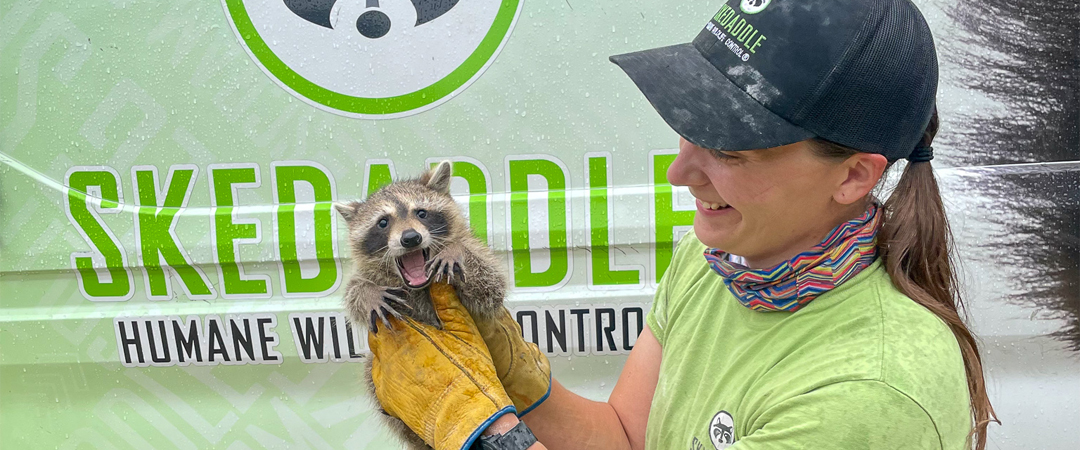

Signs You Have Raccoons In Your Home
Raccoons are larger and heavier than most nuisance wildlife. The signs are hard to ignore.
- Heavy thumping or dragging sounds at night
- Scratching or movement above ceilings
- Torn shingles or bent roof vents
- Insulation pulled apart
- Strong ammonia smell from droppings
Many homeowners mistake raccoons for squirrels, but raccoons are much louder and can cause far more structural damage.
Not sure what you’re hearing? Book a professional inspection with our Skedaddle technicians today!
Our Humane Raccoon Removal Process
Raccoon removal isn’t just about getting animals out, it’s about solving the problem completely and preventing it from happening again. We do not trap and relocate. Trapping separates mothers from their babies, increases stress on the animals, and often leads to new raccoons moving into the same space.
Instead, we use a structured, humane, and permanent removal process with one-way doors, tailored to raccoons’ behaviour.
Step 1: Detailed Home & Roof Inspection
Every successful removal starts with a thorough inspection.
Our technicians perform a full exterior and interior assessment to:
- Locate all active and potential entry points
- Identify damage to soffits, vents, fascia, and shingles
- Check attic insulation for nesting areas
- Look for signs of babies (especially during the spring breeding season)
- Assess structural vulnerabilities that could allow future access
This step ensures we understand how they got in, why they chose your home, and what must be reinforced to keep them out.
Step 2: Safe, Humane Adult Raccoon Removal
Once we confirm activity, we install a specialized one-way exit door over the primary entry point.
This allows raccoons to:
- Leave naturally at night (when they forage)
- Exit without being trapped or harmed
- Be prevented from re-entering the home
Why this works: Raccoons are habitual. They leave nightly to search for food. The one-way door takes advantage of that behaviour, allowing them out but blocking re-entry.
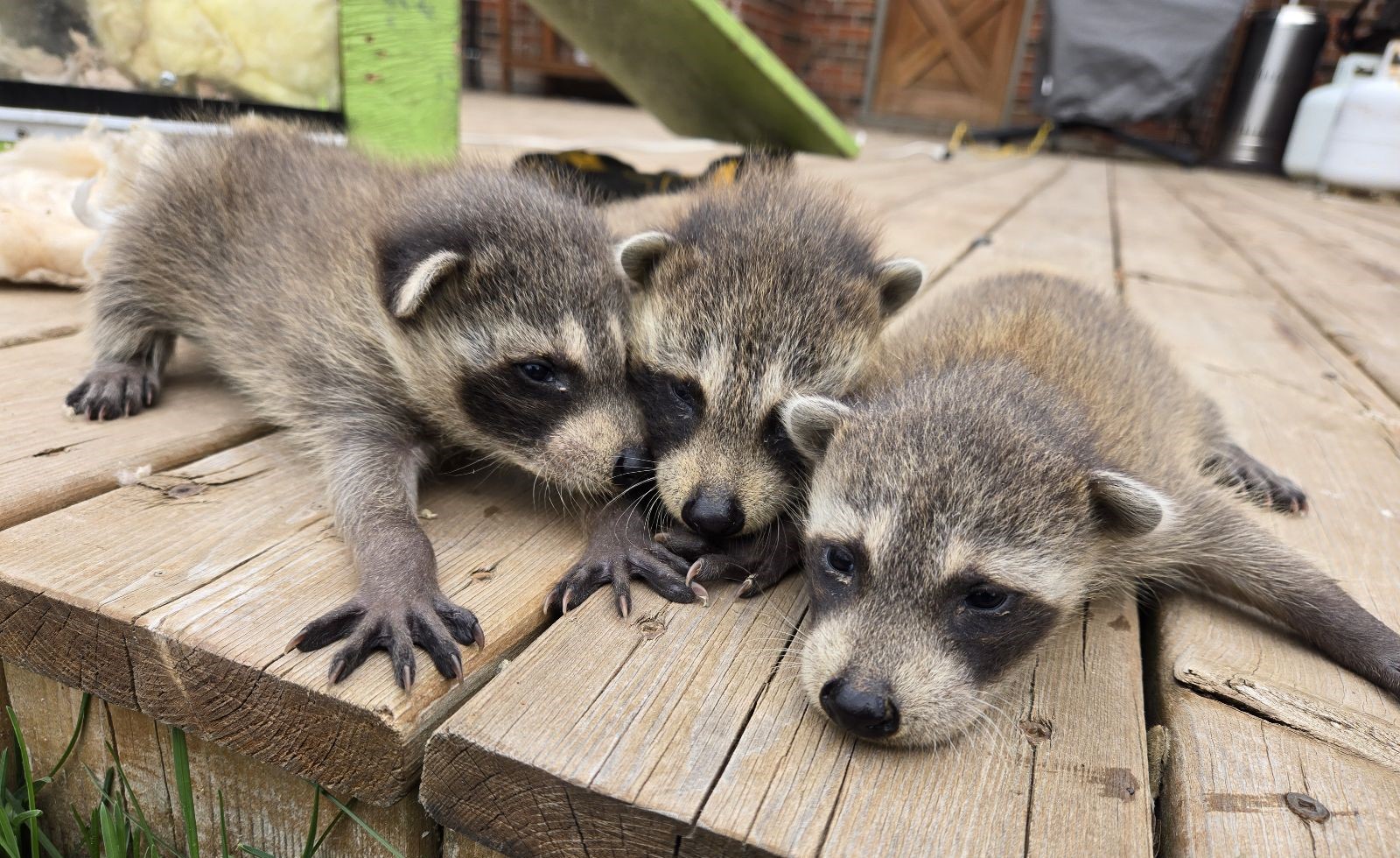
Step 3: Baby Raccoon Reunification (When Applicable)
During spring and early summer, most raccoon removals involve babies.
This is where experience matters most.
If kits are present, our trained technicians:
- Carefully locate the nest inside the attic
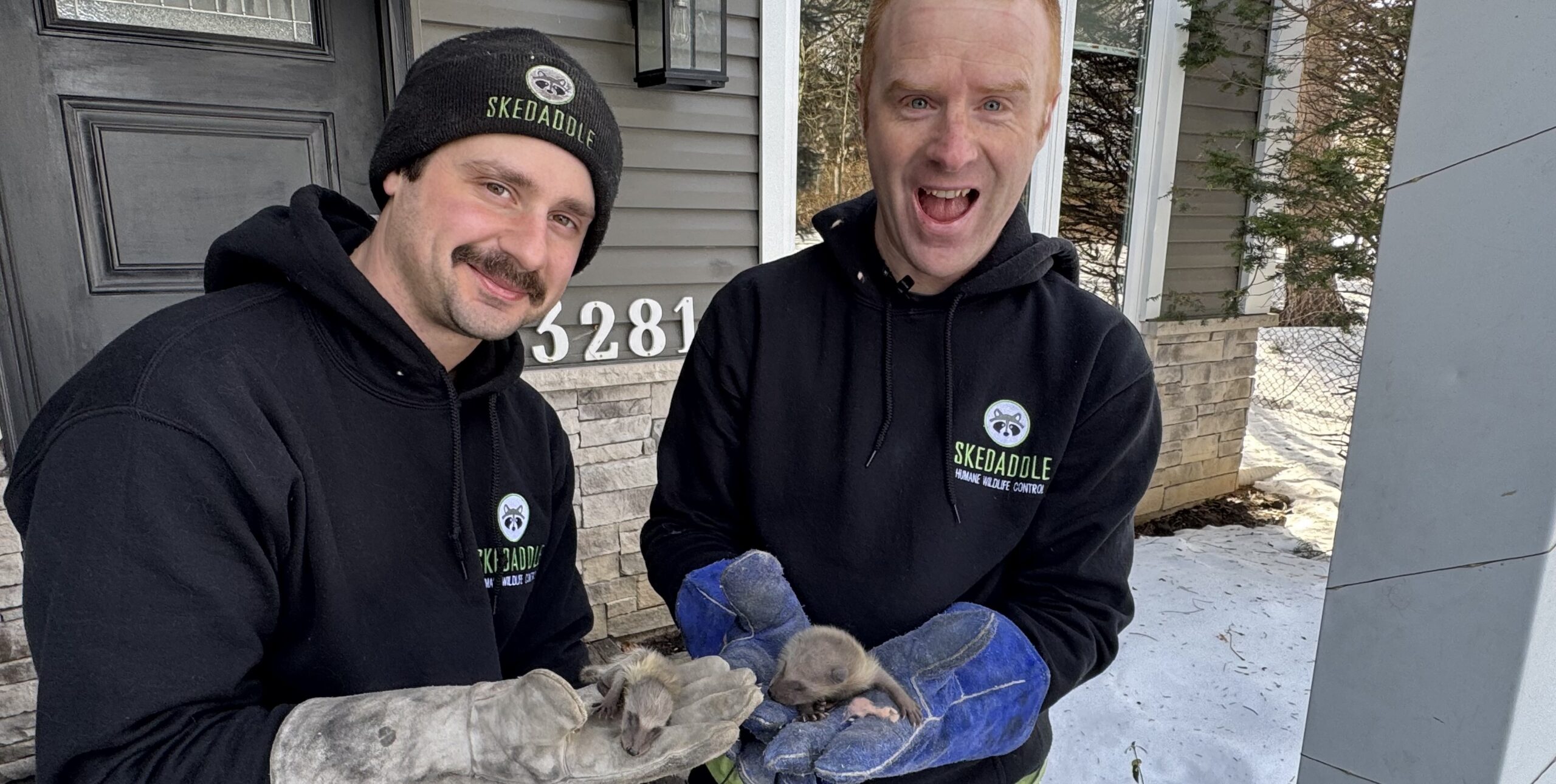
- Remove babies by hand using protective equipment
- Place them in a heated reunion box outside near the exit point
The mother raccoon will instinctively retrieve and relocate her babies to a secondary den site.
This process:
- Keeps the family together
- Prevents baby raccoons from being left behind
- Eliminates odour and decomposition risks
- Complies fully with humane wildlife regulations
Many DIY or trapping companies overlook babies, which leads to major problems days later.
Step 4: Full Entry Point Sealing & Wildlife-Proofing
Once we confirm all raccoons have exited, we permanently secure the home.
This includes:
- Removing the one-way door
- Reinforcing the main entry point with heavy-gauge steel screening
- Securing roof vents with wildlife-proof covers
- Repairing soffits, fascia, and weak roofline areas
- Sealing secondary vulnerabilities discovered during inspection
Raccoons are incredibly strong and persistent. Standard patchwork repairs are not enough.
We use durable, chew-proof materials designed specifically to withstand raccoon force and weather exposure.
This is what makes the solution permanent.
Step 5: Long-Term Prevention & Warranty Protection
Removal without prevention leads to repeat infestations.
After sealing the home, we:
- Review vulnerable areas with the homeowner
- Recommend trimming overhanging branches
- Identify food attractants on the property
- Provide guidance on seasonal wildlife activity
Most importantly, our exclusion work is backed by lifetime warranty coverage — giving homeowners peace of mind long after the removal is complete.
The Risks of Leaving Raccoons in Your Attic
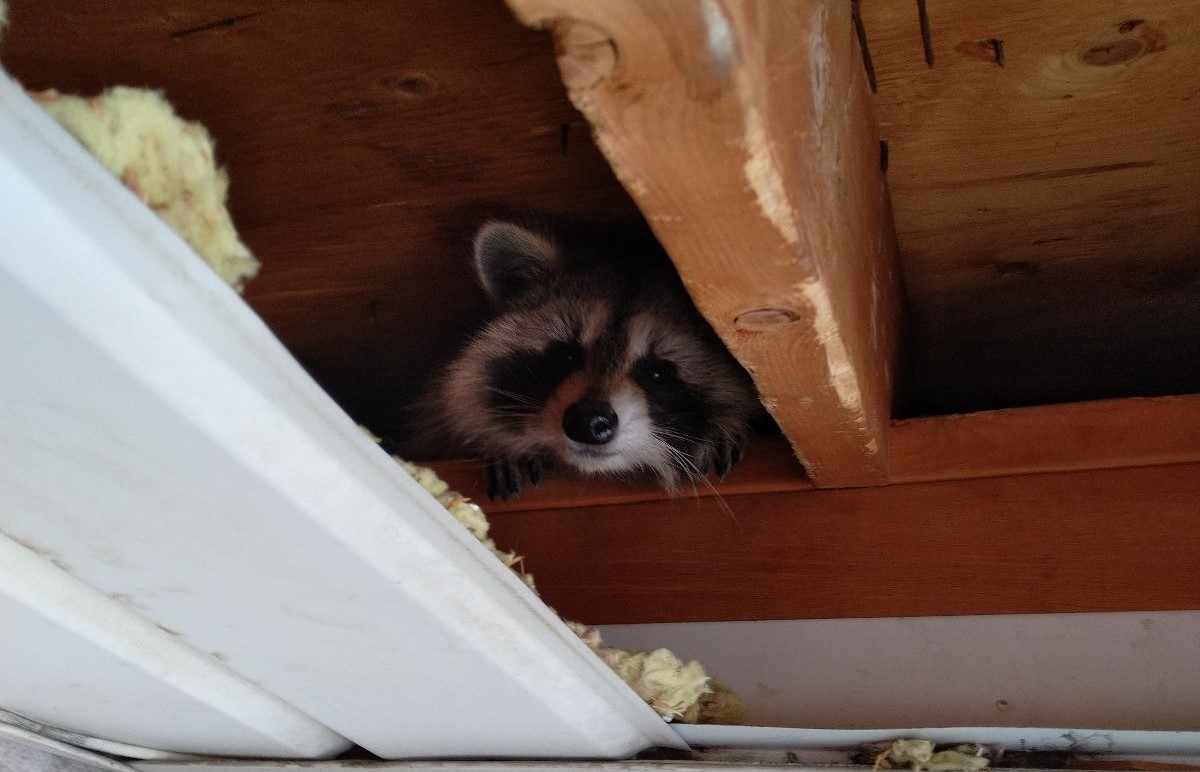
Raccoons don’t just make noise, they cause serious damage.
Structural Damage: They tear insulation, rip ductwork, and destroy roof vents.
Fire Hazard: Raccoons frequently chew electrical wiring.
Health Risks: Raccoon droppings may carry roundworm and harmful bacteria.
Escalating Repair Costs: The longer they stay, the more expensive the repairs.
Early removal prevents thousands in structural repairs.
Windsor Homeowners & Businesses Trust Skedaddle: Here‘s Why
For over 30 years, Skedaddle has been helping property owners solve wildlife problems the right way, safely, humanely, and permanently.
Our local technicians understand the unique wildlife patterns across Windsor and Essex County, from riverside properties to growing suburban neighbourhoods. We don’t rely on quick fixes or outdated trapping methods. Every removal follows Ontario’s wildlife regulations and focuses on humane exclusion, baby reunification when necessary, and professional-grade sealing that prevents re-entry.
Our work doesn’t stop when the raccoons leave. We reinforce your home or commercial property with durable, wildlife-proof materials and back our exclusion work with a lifetime warranty for long-term peace of mind.
We’ve helped thousands of homeowners and businesses across the region reclaim their properties safely, and we’re ready to help you too.
Don’t Wait Until the Damage Gets Worse
If you’re hearing movement in your attic, noticing roof damage, or seeing raccoon activity around your building, the problem won’t resolve on its own. Raccoons are persistent — and the longer they stay, the more costly the repairs become.
Protect your property.
Protect your family, employees, and customers.
Solve the problem permanently, and humanely.
The sooner you act, the easier the solution.
Discover More Wildlife Control Insights
Why Raccoons Choose Homes Over Trees During Harsh Canadian Winters
Why DIY Raccoon Removal Is Especially Dangerous in Winter
Can A Raccoon Open A Door To Your House?
Raccoon Removal FAQs
Raccoon removal costs depend on how the animals entered, how many access points exist, whether babies are present, and the extent of attic or roof damage. A simple single-entry exclusion will differ from a maternity den situation requiring baby reunification and multiple repairs. Because every property is unique, we begin with a thorough inspection to assess activity and vulnerabilities. Afterward, we provide a clear, written quote outlining the recommended humane removal and sealing solution, ensuring transparency and no surprise costs.
Raccoons are active year-round, but spring and early summer are peak seasons due to baby births. During this time, females aggressively seek warm attic spaces to raise their young. Fall is another high-activity period as raccoons increase feeding and search for winter shelter. While they don’t fully hibernate, raccoons may remain inside attics during winter and become active during mild nights. Seasonal behavior plays a major role in why raccoons attempt to enter homes and businesses.
Raccoons typically return only if entry points aren’t properly sealed. Removing the animal without reinforcing vulnerable areas often results in repeat infestations. Our process focuses on humane exclusion combined with professional wildlife-proofing. We identify and secure all current and potential access points using durable materials designed to withstand raccoon strength. By addressing both removal and prevention, we significantly reduce the risk of re-entry and provide long-term protection.
Yes. We use humane exclusion methods that allow raccoons to leave safely through one-way doors without being trapped or harmed. If babies are present, we carefully remove and reunite them with the mother outside so she can relocate them naturally. Our approach follows Ontario wildlife regulations and prioritizes the safety of both homeowners and wildlife while ensuring the problem is resolved completely.
We provide prompt inspections throughout Windsor and surrounding communities. Because raccoon damage can escalate quickly, especially during baby season, early action is important. Once contacted, we schedule an inspection to assess the situation and recommend the safest, most effective solution. Acting quickly helps prevent further structural damage and reduces the risk of more complex removal scenarios.
Looking For Humane Wildlife Control?
CALL US TODAY
1.888.592.0387
OR
Request for Services

