








RAT REMOVAL PROCESS

Assess and Remove
Your customized property assessment is designed to identify where rats are located inside your home and the routes they use to gain access. Rats can enter a property through a variety of pathways, from the plumbing systems at the foundation to vents on the roof. Skedaddle technicians use advanced thermal imaging tools and professional safety equipment to investigate these difficult-to-reach areas, ensuring a thorough inspection of your property. Once the rats’ entry points and nesting areas are identified, Skedaddle technicians employ effective removal techniques. One of the most efficient methods is using one-way doors at key entry points, allowing the rats to exit the property while preventing them from re-entering. Our team carefully monitors the situation to ensure that all rats are successfully removed, ensuring that your home is free from the infestation.

Clear and Clean
After rat removal, it is critical to address the mess they leave behind. Rats can contaminate your home with droppings, urine, and nesting materials, which can pose serious health risks. They can also spoil food and damage both building materials and personal items. Skedaddle’s cleaning and sanitization services target the areas most affected by the infestation, removing harmful debris and ensuring your home is safe for everyone. Our team goes beyond simple cleaning to disinfect and deodorize affected areas, eliminating odors caused by rats and their waste. We take great care to thoroughly cleanse spaces that might harbor bacteria and disease, preventing the spread of potential illnesses. By meticulously addressing the mess left by rats, we restore your home to a safe and healthy living environment.

Prevent and Protect
To protect your home from future rat infestations, Skedaddle offers detailed exclusion services that focus on sealing active and potential entry points. We inspect every area of your property for gaps, cracks, and other openings through which rats may enter. By reinforcing these areas and using durable materials, we effectively “rat-proof” your home and safeguard it from future problems. We also provide our clients with the knowledge and information they need to prevent their properties from becoming attractive to rats in the future. Eliminating food sources, standing water and harborage sites are essential rat prevention strategies. With a focus on long-term solutions and environmental factors, we help ensure that your home remains protected from future infestations. Our preventative strategies provide peace of mind, knowing that your property is secure against rats and other pests for years to come.
Professional rat removal and prevention for Windsor homes and businesses—stop scratching in the walls, droppings, and repeated rodent entry.
With 30+ years of proven expertise, Skedaddle delivers trusted rat control across Windsor and nearby communities like Lakeshore, LaSalle, Leamington, Amherstburg, Tecumseh, Kingsville and Essex. We focus on long-term solutions: remove rats, clean contaminated areas, and seal the entry points that let them back in.
In Southwestern Ontario, rats thrive anywhere they can find warmth, shelter and food—older neighbourhoods with aging foundations, garage-to-home gaps in newer subdivisions, and commercial areas with dumpsters or loading bays. Many Windsor-area homeowners first notice a problem when they hear gnawing at night, find droppings near the furnace room, or smell a strong, musty odour in basements and crawlspaces.
Skedaddle’s rat removal team tracks how rats are getting inside, removes them using proven, humane methods, and reinforces vulnerable areas—foundation cracks, vents, utility penetrations, and garage door gaps—so your property stays protected year-round.
What months are rats most active in Windsor?
Rats are active year-round in Windsor, but activity often spikes in fall and winter as they seek warmth and shelter indoors, and again in early spring when breeding increases and food sources shift.

Common Rat Problems in Windsor
Rats are a year-round issue in Windsor and Southwestern Ontario, but problems often intensify in fall and winter when rodents search for warmth, steady food and hidden nesting sites. In neighbourhoods with older foundations, attached garages and aging sewer connections, rats can slip in through gaps around utility lines, damaged vents, or cracks along the sill plate.
In areas like LaSalle, Tecumseh and Lakeshore, it’s common for rats to move from sheds and yards into basements and wall voids once temperatures drop. Commercial properties in Windsor, Leamington and Kingsville can also see increased activity around dumpsters, loading bays and food storage areas.
Skedaddle’s rat removal in Windsor focuses on solving the root cause—finding entry points, removing rats and sealing the structure so the problem doesn’t repeat.
- Rat removal in Windsor – eliminate active infestations causing scratching at night, gnawing sounds in walls, and repeat sightings in basements, garages and crawlspaces.
- Rat inspection services – detailed exterior-to-interior inspections that trace travel routes, burrows and rub marks, pinpointing exactly how rats are entering the structure.
- Humane rat control – targeted, professional removal methods that avoid the risks of DIY poisons, including odours from hidden carcasses and danger to pets.
- Rodent exclusion and sealing – close and reinforce gaps around foundations, vents, siding, garage door frames and utility penetrations so rats can’t squeeze back inside.
- Rodent cleanup and restoration – safely remove droppings, nesting debris and contaminated insulation, then disinfect affected areas to help protect indoor air quality.
Watch for droppings near the furnace room or pantry, grease marks along baseboards, gnawing on stored items, and burrow holes near decks or concrete edges. If you hear movement after dark or notice repeat sightings in garages, basements or commercial storage areas, it’s time to book a professional inspection before the infestation spreads.
Rat Activity by Season in Windsor and Area
Rat behaviour in Windsor and Southwestern Ontario changes throughout the year, which is why “one-time” fixes often fail. Understanding seasonal rat activity helps homeowners and businesses know when to act—and why professional rat removal and prevention in Windsor should focus on both removal and exclusion.
Spring – Breeding Season and New Entry Attempts
Spring is when many Windsor-area rat problems ramp up again. As snow melts and temperatures rise, rats become more active outdoors and begin breeding, which can quickly increase the number of rodents around a property. Homeowners often notice fresh droppings in garages, shed activity, or scratching returning in walls after a “quiet” winter.
Spring is also when people open up basements, start renovations, and clean yards—disturbing nesting areas and pushing rats to seek new shelter. In older neighbourhoods, gaps along foundations, utility penetrations, and cracked window wells become easy access points. In suburban areas like Tecumseh, Lakeshore and LaSalle, attached garages and storage rooms can act like a bridge into the home. Spring is an ideal time for an inspection and exclusion work because stopping entry points early helps prevent a larger summer infestation.
Summer – Food Sources and Hidden Nesting
In summer, rats take advantage of outdoor food and water sources: compost, pet food, bird seed, gardens, and unsecured garbage. They may nest under decks, in sheds, or along fence lines, then travel into garages and basements at night. Businesses can see increased activity near loading areas and dumpsters.
Fall – The Push Indoors
Fall is when rat pressure spikes as rodents prepare for cold weather. As crops are harvested and outdoor food shifts, rats look for reliable shelter indoors. This is the season when homeowners often report new scratching sounds, gnawing, and repeated sightings in garages and crawlspaces.
Winter – Warmth, Wall Voids, and Ongoing Damage
Rats don’t hibernate. In winter, they stay active inside walls, attics, and basements where it’s warm. Homeowners may notice stronger odours, more noise at night, and increased risks like chewed wiring and contaminated insulation—making winter one of the most important times to address rat activity quickly.
Signs You Have Rats in Your Home or Property in Windsor
Rats are experts at staying hidden, so many Windsor homeowners don’t realize there’s a problem until it’s well underway. If you’re wondering whether you need rat removal in Windsor, watch for these common signs indoors and outside your property.
Common signs of rats indoors include:
- Scratching or scurrying at night, especially near basements, furnace rooms, and attached garages
- Rat droppings along baseboards, in cupboards, near pet food, or beside stored items
- Grease/rub marks (dark smudges) on walls and corners where rats repeatedly travel
- Gnawing damage on cardboard, plastic bins, wood, or even electrical wiring
- A musty, ammonia-like odour that lingers in enclosed spaces
Common signs of rats outdoors include:
- Burrow holes near decks, sheds, concrete edges, or along foundations
- Disturbed soil and packed “runways” through grass or landscaping
- Trash or compost disturbance, especially around bins with loose lids
- Sightings at dusk or early morning, which can signal a growing population
If you notice one or more of these warning signs, it’s best to act quickly. Skedaddle provides professional rat control in Windsor, including inspection, humane removal, cleanup, and exclusion to help prevent rats from coming back.


Our Humane Rat Removal Process
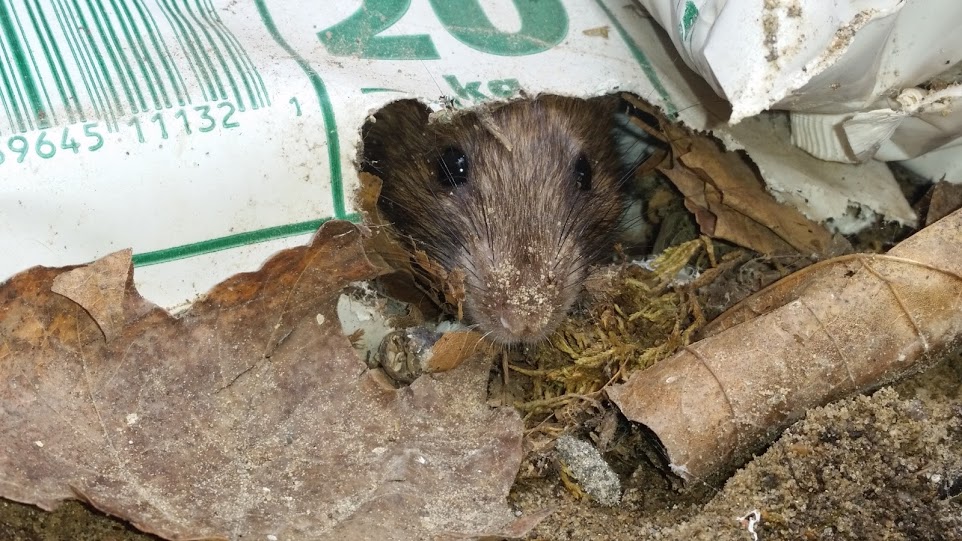
Rats are persistent, fast-breeding, and excellent at finding hidden entry points—so lasting rat control in Windsor requires more than traps and a quick patch. Skedaddle’s humane process is built to remove active rats, clean up contamination, and prevent rats from coming back by fixing the structural access points they rely on.
1. Inspect & Remove
We begin with a detailed inspection of the areas Windsor homeowners worry about most: basements, furnace rooms, crawlspaces, attached garages, and the walls where scratching is loudest at night. Outside, we look for burrows along concrete edges, gaps under siding, worn door sweeps, and openings around utility lines or vents. Indoors, we identify droppings, grease marks, gnaw damage, and nesting sites.
Once we confirm activity, we use targeted, professional removal methods designed to reduce stress, limit spread through the structure, and avoid the common DIY issue of rats dying in inaccessible wall voids.
2. Clear & Clean
Rats don’t just “pass through”—they contaminate. After removal, we address what homeowners often discover too late: droppings in insulation, urine odours in storage areas, and debris tucked behind appliances or along rim joists. Skedaddle removes nesting material and contaminated insulation where needed, then applies appropriate disinfectants to help reduce bacteria, parasites, and lingering smells.
If you’ve had rats in a pantry, garage, or commercial back room, this step is key for restoring hygienic conditions and protecting indoor air quality, especially in tightly sealed homes during winter.
3. Prevent & Protect
Prevention is where most rat problems are won or lost. Skedaddle seals and reinforces entry points with durable, wildlife-grade materials—closing gaps around foundations, utility penetrations, vents, garage frames, and low openings rats use to slip inside. We also recommend practical property changes (like securing garbage and addressing exterior clutter) that reduce attraction.
Whether you’re in Windsor or nearby communities such as Lakeshore, LaSalle, Tecumseh, Amherstburg, Leamington, Kingsville, or Essex, our goal is the same: make your home or business harder for rats to access, so infestations don’t repeat.


Local Health & Safety Risks from Rats in Windsor
Rats are more than a nuisance—when they get into Windsor homes and businesses, they can create serious hygiene, property, and health concerns. In basements, crawlspaces, garages, and commercial storage areas, rats leave droppings and urine, chew building materials, and spread contamination along their travel routes. That’s why professional rat removal in Windsor should always include both removal and cleanup, not just trapping.
Droppings, Urine, and Parasites
Rat droppings and urine can carry harmful bacteria and parasites. When disturbed during cleaning or renovations, contaminated dust can become airborne and affect indoor air quality—especially in closed-up winter homes.
Contamination in Insulation and Hidden Spaces
Rats often nest in wall voids, crawlspaces, and attic insulation, spreading debris and odours that seep into living areas. Left untreated, contamination can lead to lingering smells and costly restoration work.
Bites, Scratches, and Exposure Risks
Cornered rats may bite in self-defence, and handling traps or cleanup without proper protection increases exposure risk. If you suspect direct contact, consult a medical professional.
Fire and Damage Hazards from Chewing
Rats constantly gnaw and may chew electrical wiring, increasing the risk of shorts, outages, and fire hazards—one of the biggest hidden dangers of a rat infestation.
Book Skedaddle Rat Removal Services in Windsor
If you’ve noticed droppings, scratching in the walls, or repeated rat activity around your property, don’t wait for the damage and contamination to spread.
Skedaddle provides professional rat removal in Windsor for homes and businesses, including detailed inspections, targeted removal, cleanup, and long-term exclusion to stop rats from coming back. Contact Skedaddle today to schedule a rat inspection and protect your property before a small issue becomes a costly infestation.
How Norway Rats Tunnel Beneath Homes to Escape the Cold
Skedaddle for Businesses: Our Serious Approach to Rat Control

Hidden Threat of Rat Infestations: From Chewed Furniture to Health Hazards
Windsor Rat FAQs – Did You Know?
Early signs often show up before you see a rat. Homeowners commonly notice scratching or scurrying at night, droppings near the furnace room or pantry, greasy rub marks along baseboards, and gnawing on stored items in garages. Outside, look for burrow holes near decks, sheds, or along concrete edges. If you catch these signs early, professional rat removal in Windsor is usually faster and less costly.
Yes—rat activity often feels worse in fall and winter because rats move indoors for warmth, steady food, and hidden nesting space. Attached garages, basements, and crawlspaces become prime targets once temperatures drop. That’s why many calls for rat control in Windsor spike during colder months. The best prevention is sealing entry points in late summer or fall, before rats establish routes into the home.
Poison may seem like a quick fix, but it often creates bigger issues—rats can die inside walls or ceilings, causing odours, flies, and difficult removals. It can also pose risks to pets and non-target wildlife. Skedaddle focuses on humane rat removal and exclusion: remove the rats, then seal the entry points that caused the infestation. That’s how you prevent repeat problems rather than cycling through them.
Rats don’t need an open door. They slip through gaps around utility lines, damaged vents, foundation cracks, garage door corners, and spaces where siding meets brick or concrete. They also exploit weak points around additions and older window wells. Skedaddle’s inspections are designed to find these hidden access points and reinforce them with durable materials so rats can’t re-enter after removal.
Rats are larger, louder, and more destructive than mice. They tend to leave bigger droppings, stronger odours, and more noticeable gnaw damage—especially on wiring and stored goods. Rats are also cautious and may avoid unfamiliar traps, which is why DIY attempts often drag on. A professional inspection helps confirm the species so your rodent control plan matches the problem.
In many cases, yes. Rats contaminate insulation, storage areas, and hidden spaces with droppings and urine, and the smell can linger long after the animals are gone. Cleanup helps reduce bacteria, parasites, and airborne dust that can circulate through the home—especially when HVAC systems run in winter. Skedaddle can remove contaminated materials, disinfect affected areas, and recommend restoration steps to make the space safe again.
Looking For Humane Wildlife Control?
CALL US TODAY
1.888.592.0387
OR
Request for Services