







RAT REMOVAL PROCESS

Assess and Remove
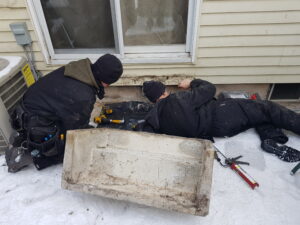
Our Vaughan technicians investigate rat activity from the exterior inward, identifying nesting areas, travel patterns, damage, and hidden access points. We use these findings to create a customized humane removal plan that addresses the infestation without trapping or relocation.

Clear and Clean
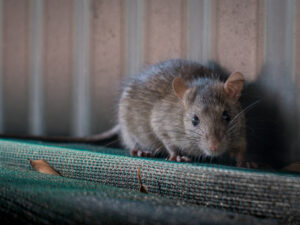
Once rats are removed, we address what they leave behind. Nesting debris, contaminated materials, and damaged insulation can be professionally cleaned or restored as needed, helping improve affected attics and other concealed areas throughout your Vaughan home.

Prevent and Protect
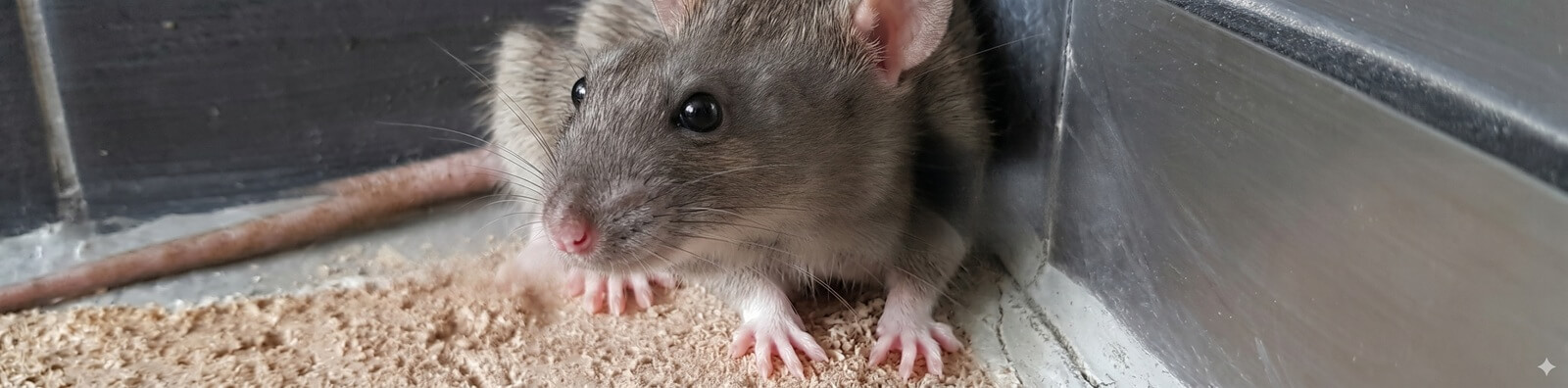
Long-term protection means closing opportunities rats could use next. We secure confirmed entry points and reinforce other vulnerable areas with durable exclusion materials, providing Vaughan homeowners with prevention-focused protection. Qualifying exclusion work may also include a lifetime guarantee.
Vaughan combines busy urban centres with established neighbourhoods, newer developments, parks, ravines, and commercial areas. For rats, this varied environment can provide dependable food, water, shelter, and travel routes. Problems begin when they find small structural openings that lead into garages, basements, wall cavities, attics, or other protected spaces.
From Maple and Kleinburg to Woodbridge, Concord, Patterson, and Vellore Village, rat activity can affect properties throughout Vaughan. Homes near the Humber River valley, Boyd Conservation Park, and other green corridors may also experience wildlife movement nearby. Founded in 1989, Skedaddle Humane Wildlife Control brings over 30 years of experience to humane rat removal, exclusion, cleanup, restoration, and prevention.
Complete Rat Removal and Exclusion for Lasting Protection
Skedaddle resolves rat problems by identifying active areas, locating entry points, removing rats humanely, and professionally securing structural vulnerabilities. Every Vaughan property receives a customized removal plan and written quote. Many wildlife removals can be completed in one day, although timing depends on infestation size, property conditions, exclusion requirements, and whether cleanup or attic restoration is necessary.

How Rat Activity Changes Throughout Vaughan’s Seasons
Fall: Rats Investigate Vaughan Homes for Shelter
As temperatures cool in Vaughan, rats investigate buildings for protection from the coming winter. Gaps around foundations, vents, garage doors, siding, utility lines and building transitions can let them indoors, where they quickly establish nests. Homes near the Humber River valley, Boyd Conservation Park and the area’s ravines, and in Maple, Kleinburg, Woodbridge, Concord and Vellore Village, often see activity increase as the weather turns. Homeowners commonly notice droppings in basements and garages, gnaw marks and scratching inside walls at night.
Rats that settle in during the fall can contaminate stored food, damage insulation and chew wiring throughout the winter. Leaf piles, firewood stacked against the house, bird feeders and unsealed garbage bins can all draw them in. Skedaddle’s humane rat control in Vaughan focuses on finding how rats are getting in, removing them, cleaning contaminated areas and sealing entry points before cold weather sets in.

Winter: Indoor Rat Activity Doesn’t Stop
Rats remain active throughout Vaughan’s winter because they do not hibernate. Heated homes provide a stable environment away from snow and freezing temperatures. Rats already inside may occupy wall cavities, basements, crawl spaces, garages, and attics while continuing to feed and nest. Outdoor sightings may decline significantly even though an established indoor infestation remains active.
Spring: More Movement Around Properties
Spring warmth and rainfall can increase rat movement across Vaughan. Wet conditions may disturb outdoor burrows, while fresh vegetation creates additional cover between nesting and feeding areas. Breeding can also increase local populations. As rats search for dry, protected spaces, they may investigate sheds, garages, crawl spaces, foundations, and other areas around homes where shelter and nearby food sources are readily available.
Summer: Growing Populations Explore New Territory
Summer provides rats with an abundance of resources. Gardens, compost, outdoor dining spaces, bird seed, pet food, garbage, and standing water can support activity, while dense vegetation provides cover as rats move between properties.
As younger rats leave established nesting sites, they begin exploring unfamiliar areas. Increased movement can bring them closer to decks, garages, sheds, foundations, and building exteriors. If a structural weakness is available, outdoor activity can quickly become an indoor rat problem.
Why Vaughan Homes Can Become Attractive to Rats
Rats do not need unusual conditions to investigate a property. Everyday sources of food, water, and shelter can bring them closer to a home, while a small structural vulnerability may provide the opportunity they need to move indoors.
Common attractants around Vaughan properties include:
- Accessible garbage and recycling
- Spilled seed beneath bird feeders
- Outdoor pet food
- Compost and fallen produce
- Dense vegetation near buildings
- Standing water and drainage issues
- Firewood or stored materials
- Cluttered garages and sheds
- Openings around utilities and vents
Attractants can increase rat activity, but eliminating the infestation requires understanding how the animals are accessing the structure and addressing those vulnerabilities professionally.
How to Recognize Rat Activity Before Damage Spreads
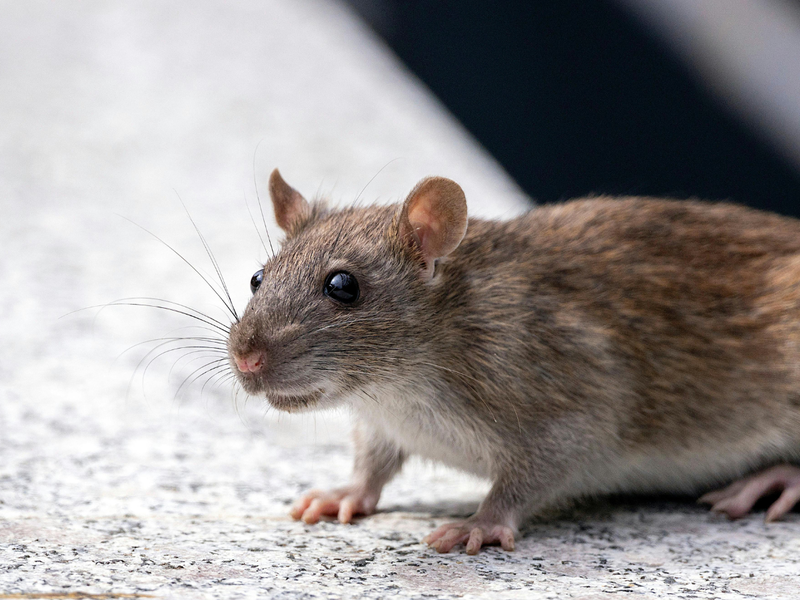
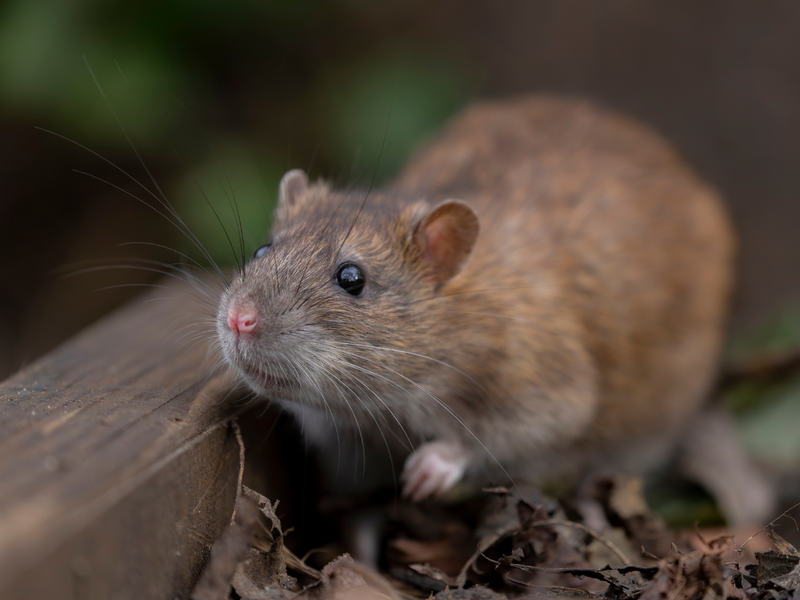
Rats usually avoid open spaces when people are nearby, so seeing one is not always the first indication of an infestation. Evidence may instead appear in quieter or concealed parts of the home.
Warning signs can include:
- Scratching or scurrying inside walls
- Gnawing sounds, particularly at night
- Droppings in concealed locations
- Greasy rub marks along travel routes
- Shredded nesting materials
- Damaged or compressed insulation
- Gnaw marks on wiring, plastic, or wood
- Unexplained persistent odours
- Burrows near foundations or structures
A professional inspection helps establish whether these signs represent current activity, where rats may be nesting, and which exterior openings are providing access.
How Skedaddle Resolves Rat Problems in Vaughan
A successful rat removal strategy needs to address the current infestation and the building conditions behind it. Skedaddle’s process combines inspection, humane removal, cleanup, restoration, and professional exclusion for a more complete solution.
Step 1: Tracking Rat Activity Throughout the Property
Our technicians inspect both the interior and exterior to establish where rats are active. Evidence such as droppings, gnawing, nesting materials, damaged insulation, travel routes, and structural deterioration helps us understand the extent of the infestation and determine which areas require attention.
Step 2: Identifying the Openings Rats Have Found
Next, we investigate how rats are accessing the structure. Foundations, vents, utility penetrations, garage areas, siding transitions, rooflines, and other potential vulnerabilities are examined. Locating these openings is essential because an unresolved access route can allow rat activity to continue even after animals leave an indoor nesting area.
Step 3: Developing a Humane Removal Strategy
Inspection findings are used to create a customized removal plan for the Vaughan property. Skedaddle does not rely on trapping, relocation, or inhumane methods. Instead, our technicians use humane techniques appropriate to the situation while coordinating the exclusion measures necessary to resolve the infestation and reduce opportunities for future access.
Step 4: Securing Vulnerable Areas Against Rats
Once removal is underway, identified entry points are professionally secured with durable exclusion materials. We also consider other vulnerable areas that could offer rats an alternative route indoors. This broader approach helps protect the structure instead of concentrating solely on the most obvious opening associated with current activity.
Step 5: Restoring the Areas Rats Leave Behind
Rat infestations can result in damaged insulation, nesting debris, droppings, and contamination. Cleanup and attic restoration services may be recommended depending on the condition of affected areas. We also provide customized prevention recommendations to support long-term protection, while qualifying exclusion work may be covered by a lifetime guaranteecontact our Vaughan team today.
What Are the Risks of Rats Living Inside a Home?
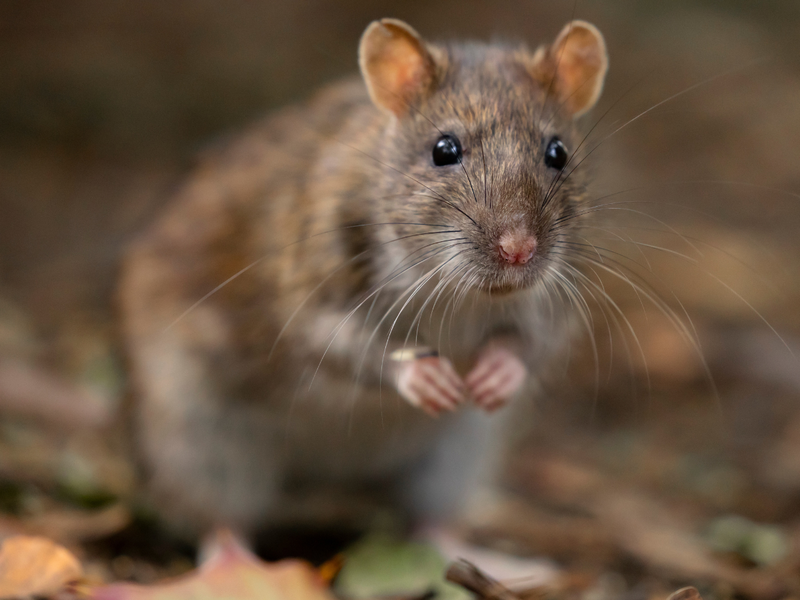
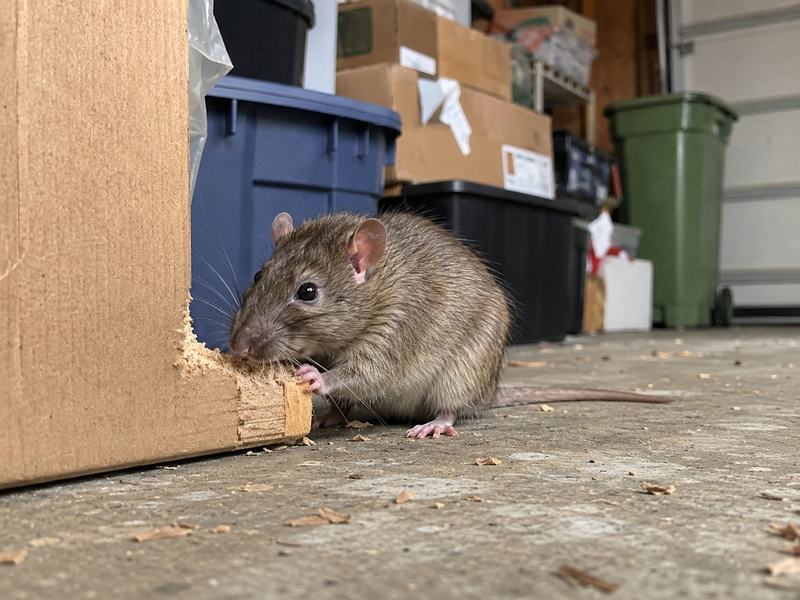
Rats can cause significant property damage while remaining largely out of sight. Their continual gnawing may affect electrical wiring, wood, plastic, insulation, drywall, and stored belongings.
Nesting and repeated travel can compress or disturb insulation. Droppings, urine, and nesting debris may also accumulate in concealed spaces and create contamination concerns.
Because rats often occupy wall cavities, attics, basements, and crawl spaces, an infestation can develop for some time before its full extent becomes apparent.
Professional removal helps address the active animals, while cleanup, restoration, and exclusion target the damage and structural conditions associated with the infestation.
Protect Your Vaughan Home with a Complete Rat Solution
Effective rat control should leave your home better protected than it was before the infestation began. Combining humane removal with professional exclusion and restoration addresses both immediate activity and the vulnerabilities that could otherwise allow rats to return.
Skedaddle has provided humane wildlife solutions since 1989. If you hear scratching, discover droppings, or suspect rats have entered your property, contact our Vaughan team today to schedule a professional inspection and receive a customized written quote.