






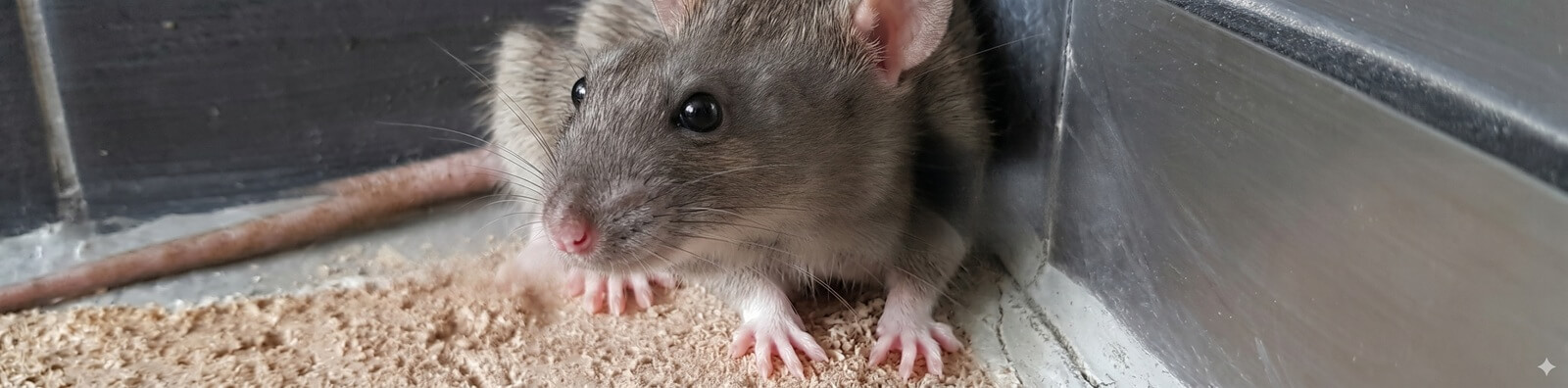


RAT REMOVAL PROCESS

Assess and Remove
Every rat removal begins with a detailed property assessment. Our technicians inspect attics, crawl spaces, foundations, and exterior access points to identify active entry routes and areas of activity. Using humane removal techniques, we safely address rat intrusions while ensuring animals can exit the structure and are prevented from regaining access. This process forms the foundation of a long-term solution.

Clear and Clean
Following removal, affected areas are carefully cleaned and restored. Rat droppings, nesting materials, contaminated insulation, and scent markers are removed to help improve the condition of the space. This important step helps eliminate attractants that could encourage future activity while creating a cleaner and healthier environment for homeowners and their families.

Prevent and Protect
Long-term success depends on keeping rats from returning. Our technicians seal identified entry points and reinforce vulnerable areas using durable exclusion materials designed to withstand rodent activity. By addressing the structural weaknesses that allowed rats inside, we help Baltimore homeowners protect their properties from future intrusions and gain lasting peace of mind.
Few wildlife issues create as much concern for property owners as discovering rats inside a home. These highly adaptable rodents thrive in urban environments like Baltimore, where access to food, water, and shelter allows populations to flourish year-round. Unfortunately, when rats move indoors, they can quickly turn a small issue into a much larger problem.
From historic row homes in Federal Hill and Canton to family homes in Hampden, Roland Park, Fells Point, Locust Point, Mount Washington, and surrounding Baltimore neighbourhoods, rats are capable of finding surprisingly small entry points into buildings. Since 2023, Skedaddle Humane Wildlife Control has proudly served Baltimore homeowners with the support of a company founded in 1989 and backed by more than 30 years of wildlife control experience.
Whether your property is located near Patterson Park, Druid Hill Park, the Inner Harbor, or elsewhere throughout the city, our team delivers humane, long-term rat removal solutions designed to keep rats out for good.
Effective Rat Removal That Focuses on Prevention
Skedaddle provides humane rat removal services that address both the animals inside the home and the conditions that allowed them to enter. Most rat removal projects can be completed in as little as one day, depending on the complexity of the situation. Every service begins with a detailed inspection, a customized removal plan, and a written quote outlining the recommended solutions for your property.

Understanding Rat Activity Throughout the Year
Fall: Rats Head Indoors in Baltimore’s Row Homes
As cooler weather arrives in Baltimore, rats look for dependable winter shelter, and buildings that offer warmth, protection and food are their first choice. Historic row homes in Federal Hill, Canton, Fells Point and Hampden are especially exposed, because shared walls, older foundations and utility lines give rats many ways in. Properties near Patterson Park, Druid Hill Park and the Inner Harbor often see activity increase as the weather turns. Common signs include gnaw marks around doors and vents, droppings in basements, and scratching in walls or ceilings at night.
Rats that settle in during the fall can nest in wall voids and basements, contaminate stored food and chew wiring throughout the winter, and they can travel between attached homes. Skedaddle’s humane rat control in Baltimore focuses on finding exactly how rats are getting in, removing them, cleaning contaminated areas and sealing foundations, vents and utility gaps so your home stays protected through the colder months.

Winter: Indoor Survival Mode
Winter frequently brings increased indoor rat activity. Once inside, rats can remain active throughout the season, using insulation, wall cavities, and storage areas as nesting locations. Heated homes provide ideal conditions for survival, allowing rat populations to continue reproducing even during the coldest months of the year.
Spring: New Opportunities for Nesting
As temperatures begin to warm, rat populations become increasingly active. Spring often brings new breeding activity, with rats seeking sheltered indoor locations where they can safely build nests and raise their young. Basements, crawl spaces, wall voids, and attics can become attractive nesting areas during this period. Increased rainfall may also encourage rats to move away from saturated outdoor burrows and into structures.
Summer: Increased Foraging and Movement
Summer provides rats with abundant food sources, making them highly active throughout Baltimore neighbourhoods. Outdoor dining areas, garbage storage locations, gardens, and pet feeding stations can all attract rodents searching for easy meals.
Warmer weather also allows young rats born earlier in the year to begin exploring independently. As populations expand, competition for resources increases, often driving rats to investigate homes and businesses for new shelter opportunities.
Why Baltimore Properties Attract Rats
Many features commonly found around Baltimore homes can unintentionally attract rats. Once nearby, they often begin searching for opportunities to move indoors. Urban density, accessible food sources, and abundant shelter opportunities make residential properties particularly appealing.
Common attractants include:
- Accessible garbage and recycling containers
- Pet food left outdoors
- Bird feeders and spilled seed
- Dense vegetation near foundations
- Wood piles and outdoor storage areas
- Moisture sources such as leaking pipes
- Small gaps and openings around the exterior of the home
- Crawl spaces and sheds that provide shelter
Reducing these attractants can help lower the likelihood of rat activity around a property, but professional exclusion is often necessary to prevent entry.
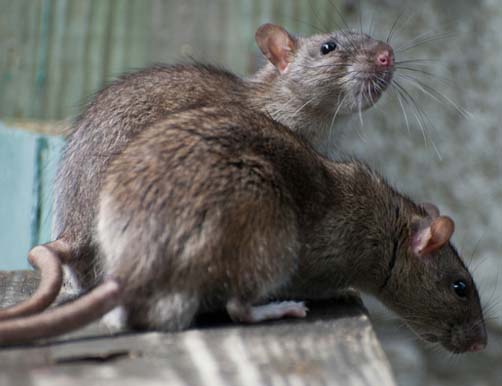
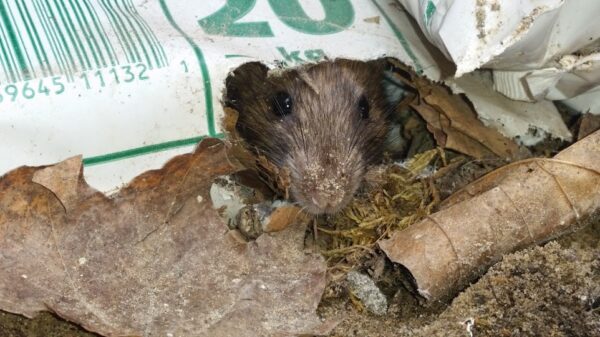

Signs You May Have Rats in Your Home
Early detection can help prevent a larger infestation from developing. Property owners should be aware of common warning signs, including:
- Scratching or scurrying sounds inside walls or ceilings
- Droppings found near food storage areas or hidden spaces
- Grease marks along walls and travel routes
- Gnaw marks on wood, plastic, or wiring
- Unpleasant odours coming from concealed areas
- Nesting materials such as shredded paper or insulation
- Visible rat sightings around the property
- Activity near garbage storage areas
Professional inspections can help determine the extent of activity and identify how rats are accessing the structure.
How Skedaddle Humanely Removes Rats from Homes
Every rat intrusion is different, which is why our process begins with a thorough assessment of the property and ends with long-term prevention. Rather than focusing on temporary fixes, we use humane removal and exclusion techniques that address the root cause of the problem. Most rat removal projects can be completed within a single day, although larger or more complex situations may require additional time. Every homeowner receives a customized removal plan and a detailed written quote before work begins.
Step 1: Comprehensive Property Inspection
The first step is a detailed inspection of the home and surrounding property. Our technicians look for signs of rat activity, identify nesting locations, assess the extent of the intrusion, and determine how rats are accessing the structure. We examine both interior and exterior areas, including attics, crawl spaces, foundations, rooflines, and utility entry points to develop a complete understanding of the situation. This thorough assessment allows us to create a customized plan tailored to the property’s unique needs.
Step 2: Identifying Vulnerabilities and Entry Points
Rats can enter through surprisingly small openings, making a careful inspection of the building envelope essential. Our team identifies gaps, cracks, damaged vents, utility penetrations, and other vulnerable areas that may be allowing access. Understanding exactly how rats entered the home allows us to create a targeted plan that addresses the source of the problem rather than simply treating the symptoms. Every identified vulnerability is documented as part of the overall removal strategy.
Step 3: Humane Removal of Rat Activity
Once the inspection is complete, our technicians implement humane removal strategies designed to address rat activity safely and effectively. Every situation is evaluated individually to ensure the most appropriate approach is used. Special attention is given to identifying nesting areas and activity zones so the removal process can be carried out thoroughly while minimizing disruption to the home and its occupants. Our goal is always to resolve the issue while maintaining the highest standards of animal welfare.
Step 4: Professional Exclusion and Home Protection
After removal, the focus shifts to preventing rats from returning. Our technicians seal identified entry points using durable, professional-grade materials designed to withstand rodent activity and environmental conditions. Areas commonly targeted by rats are reinforced to improve the home’s overall resistance to future intrusions. This exclusion work is one of the most important parts of achieving a lasting solution and helps protect homeowners from recurring rat problems.
Step 5: Long-Term Prevention and Ongoing Protection
The final step involves helping homeowners understand the factors that may contribute to future rat activity. We provide property-specific recommendations aimed at reducing attractants and improving overall protection. By combining humane removal, comprehensive exclusion, and preventative guidance, we help Baltimore homeowners achieve long-term peace of mind and greater confidence that their property is protected from future rat intrusions. For qualifying exclusion work, homeowners can also benefit from Skedaddle’s industry-leading lifetime guarantee.
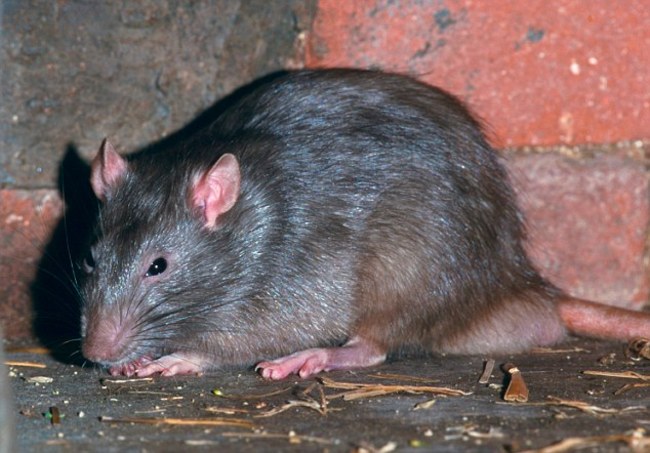
The Hidden Risks of Rats Living Indoors
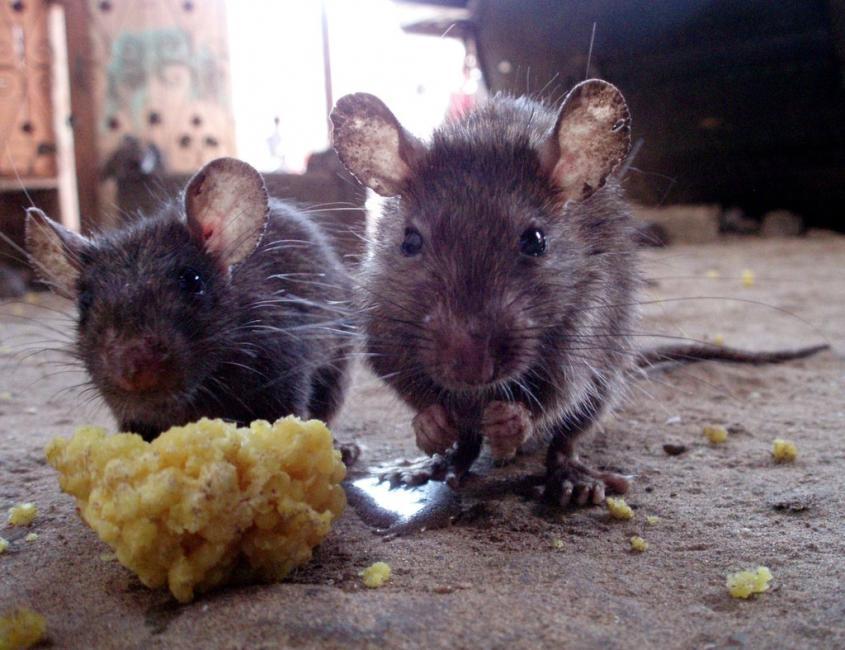
Rats are more than just an unwanted presence. Their constant gnawing behaviour can damage building materials, insulation, stored belongings, and other household components. Over time, this damage can become costly and difficult to repair.
Rodents are also known for their ability to access confined spaces. Wall cavities, attics, crawl spaces, and utility areas can all become nesting locations that remain hidden from homeowners for extended periods.
As rat populations grow, contamination concerns may increase. Droppings, urine, and nesting materials can accumulate in occupied areas of the home, creating sanitation challenges that require professional attention.
The longer rats remain inside a structure, the greater the potential for property damage and ongoing wildlife activity. Prompt intervention helps minimize these risks while protecting the home.
Additional Services to Restore and Protect Your Home
Rat activity can leave behind damaged insulation, nesting materials, droppings, and contamination within attics and other concealed areas. Once removal and exclusion are complete, Skedaddle can provide attic restoration services designed to help return affected spaces to a cleaner and healthier condition.
Our restoration process may include the removal of contaminated materials, sanitization of affected areas, and replacement of damaged insulation when necessary. By addressing both the wildlife intrusion and its aftermath, we help homeowners fully restore comfort, energy efficiency, and peace of mind.
Take Back Your Home with Humane Rat Removal
Rat activity can quickly disrupt the comfort and security of your home. Whether you are hearing noises behind walls, noticing signs of nesting activity, or seeing rats around your property, addressing the problem early can help prevent larger issues from developing.
Skedaddle Humane Wildlife Control provides professional rat removal and exclusion services throughout Baltimore and surrounding communities. Backed by more than 30 years of experience, customized removal plans, written quotes, attic restoration services, and qualifying lifetime guarantees, our team delivers long-term solutions that protect your home. Contact us today to schedule your inspection and learn how quickly we can help resolve your rat problem.
Can Rats and Mice Move Between Baltimore Rowhouses?

Winter Rat Problems in Baltimore Businesses: Hidden Health Hazards
Understanding Rat Behavior: Why They Invade Homes and How to Evict Them
Baltimore Rat FAQs: Did You Know?
Rats are excellent climbers and can squeeze through surprisingly small openings. They often enter through gaps around foundations, utility lines, vents, damaged roofing, and other structural vulnerabilities. Once inside, they seek warm, protected spaces where they can build nests and access food and water sources.
Rats are generally most active during the evening and overnight hours, but daytime activity can occur, especially when populations are large or food resources are limited. Seeing rats during the day may indicate increased activity levels nearby and should not be ignored by property owners.
Food availability, shelter opportunities, and access to water are the primary factors that attract rats. Garbage, pet food, bird seed, dense landscaping, outdoor storage areas, and structural entry points can all contribute to increased rodent activity around homes and businesses.
Yes. Rats continuously gnaw to keep their teeth from overgrowing. This behaviour can damage wood, insulation, plastic, drywall, and even electrical wiring. They may also create nesting areas inside walls, attics, crawl spaces, and storage areas, contributing to further property damage over time.
Professional rat removal addresses both the rodents and the conditions allowing them to enter the home. Humane removal combined with comprehensive exclusion helps prevent recurring activity. Without identifying and securing access points, rat problems often return even after the initial activity appears to be resolved.
CALL US TODAY
1.888.592.0387
OR
Request for Services

