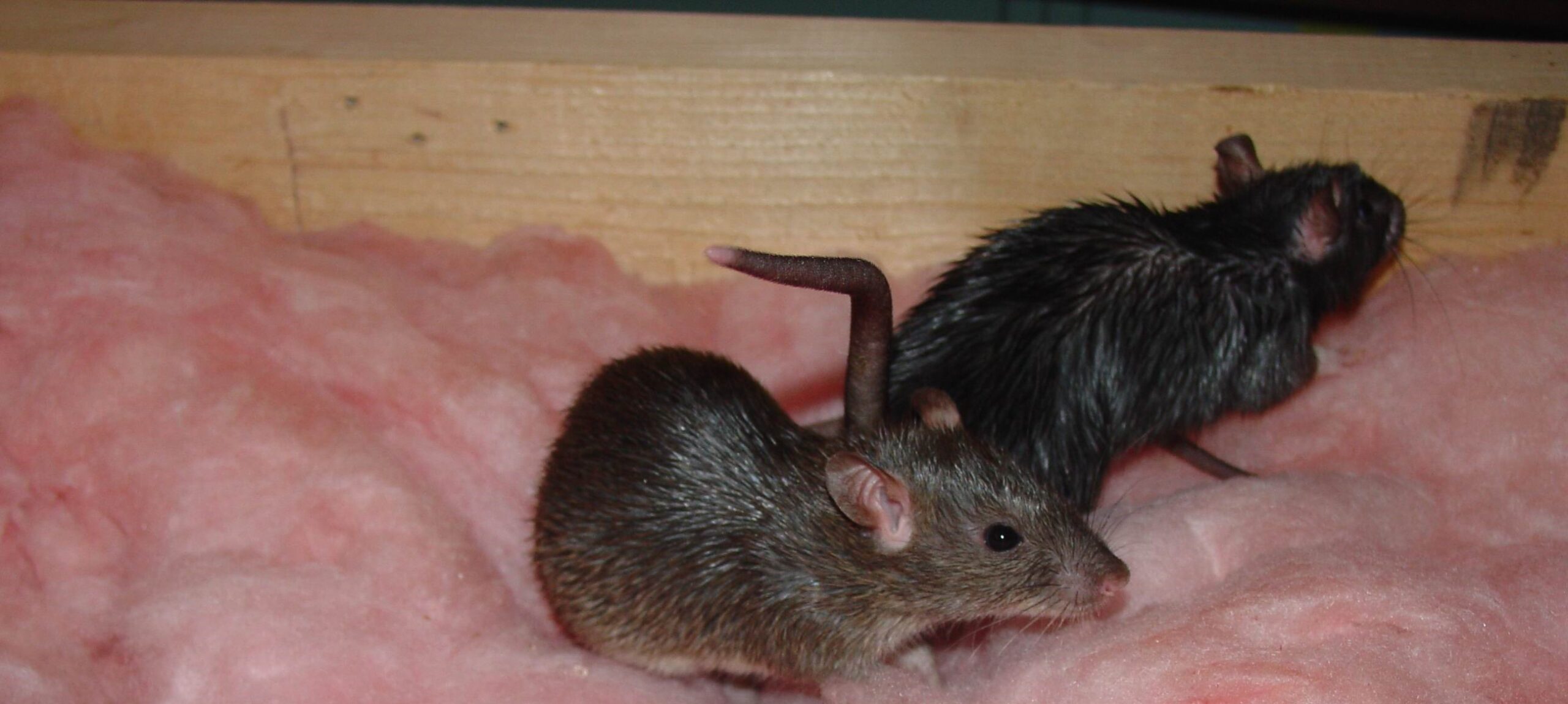
Living in Baltimore, you might not think much of the tiny scratch-scratch sounds behind your walls until they become more pronounced. But if you’re hearing these noises, especially after dark near the Inner Harbor or in your cozy Roland Park home, you’re likely experiencing the early signs of a rat infestation.
Understanding rat behavior is crucial for any homeowner facing this challenge, as these intelligent creatures are not simply random pests – they’re calculated opportunists with specific patterns and motivations.
At Skedaddle Humane Wildlife Control, we’ve seen countless local homes affected by rodent invasions, and we know that knowledge is your first line of defense. Rats don’t randomly select a home to invade; they’re drawn to specific conditions and opportunities. By learning why rats invade homes and how to evict them safely, you can take control of the situation before it escalates into a serious health concern or causes extensive property damage.
Understanding Rat Behavior: The Psychology Behind the Invasion
Rats are far more complex creatures than most people realize. Their behavior follows specific patterns that have evolved over thousands of years of living alongside humans. These intelligent rodents make calculated decisions based on three primary needs: food, shelter, and safety.
- Food-seeking behavior: Rodents have an incredibly developed sense of smell that allows them to detect food sources from considerable distances. They can differentiate between nutritious foods and less desirable options, prioritizing calorie-dense foods.
- Neophobia vs. exploration: They exhibit a fascinating behavioral contradiction. They’re naturally cautious of new objects in their environment (neophobia), which is why many DIY traps fail. However, they’re simultaneously driven to explore new territories when seeking resources.
- Social hierarchies: These animals live in organized colonies with distinct social structures. When you see one rat, there are likely many more nearby following the established “scout” that found a viable food source or shelter.
Rodents communicate through pheromones, leaving invisible chemical trails that guide other rats to food sources and safe havens. This is why an initial rat problem can quickly multiply—the first rats are essentially sending invitations to others in the area.
Why Rats Invade Homes: It’s Not Personal, It’s Survival
When these animals choose your home, they’re making a strategic decision based on the resources and safety your property provides. Understanding what attracts them is the first step toward effective prevention.
Environmental Factors That Draw Rats In
- Seasonal pressures: Fall and winter months drive them indoors as outdoor food sources become scarce and temperatures drop. During cold winters, your warm home becomes particularly attractive.
- Construction and disruption: New construction projects in neighborhoods like Canton or Hampden can displace established colonies, forcing them to find new homes—potentially yours.
- Urban density: Baltimore’s closely packed houses and buildings create ideal rat highways, allowing them to move between properties with minimal exposure to predators.
Human behaviors that inadvertently attract rodents frequently create ideal conditions for infestations: leaving pet food out, improperly storing food, and neglecting garbage management. Even fastidious homeowners might leave a trail for them with unsecured trash cans or piles of clutter, like boxes or dense vegetation near their house.
How Rats Access Your Home Undetected
Rats are masters at finding entry points you might never notice. They can:
- Squeeze through gaps as small as a quarter for Norway rats and a dime for roof rats
- Climb vertical surfaces and pipes to access upper stories
- Chew through wood, plastic, and even some metals to create their own entrances
- Use tree branches as bridges to your roof
In Baltimore, historic homes in neighborhoods like Federal Hill and Fells Point present unique challenges. Their original foundations may have small cracks and gaps that determined rodents can exploit to gain entry.
The Health Risks and Property Damage of Rat Infestations
The dangers of having rodents in your home extend far beyond the obvious “ick” factor. These rodents pose significant threats to both your family’s health and your property’s integrity.
Health Concerns You Shouldn’t Ignore
These animals can transmit numerous diseases through their urine, droppings, saliva, and the parasites they carry. Some of the most concerning include:
- Hantavirus: Can cause severe respiratory disease when dust contaminated with rat droppings is inhaled.
- Leptospirosis: A bacterial infection that can lead to kidney damage, liver failure, and even death.
- Salmonella: Causes food poisoning symptoms when surfaces contaminated by rats contact food.
- Rat-bite fever: Transmitted through bites or scratches, causing fever, vomiting, and joint pain.
Rats don’t need to be present in the same room to pose health risks. Their urine and droppings can contaminate ventilation systems, spreading pathogens throughout your home.
Property Damage That Escalates Over Time
Beyond health concerns, rats can cause progressive damage to your home:
- Fire hazards: Rats have a biological need to gnaw constantly, and electrical wiring is often a target. This creates significant fire risks as exposed wires can spark and ignite surrounding materials.
- Structural damage: Their chewing damages insulation, drywall, wooden support beams, and even PVC pipes. In historic homes, this damage can be particularly problematic in hard-to-access areas.
- Water damage: Rats occasionally chew through water pipes, leading to leaks behind walls that can go undetected until significant damage occurs.
The financial impact of rat damage can be substantial, with repair costs ranging from hundreds to thousands of dollars, depending on the duration and extent of the infestation.
How to Evict Rats Safely: Professional vs. DIY Approaches
When facing a rat problem, many homeowners initially attempt do-it-yourself solutions, but understanding the limitations of these approaches is important for effective control.
Why DIY Rat Control Often Falls Short
Most homeowners underestimate the complexity of rat infestations:
- Incomplete removal: DIY methods typically catch some rats but not the entire colony.
- Failure to address entry points: Without professional equipment to find and seal all entry points, new rats will continue to enter.
- Ineffective placement: Rats are cautious creatures, and improper trap placement means low success rates.
- Safety concerns: Improper handling of rats or their droppings can expose you to disease.
If you’re catching rats consistently over several weeks, this indicates you’re dealing with an ongoing infestation rather than isolated individuals.
Professional Rat Eviction: The Skedaddle Approach
Since 1989, we’ve developed a comprehensive, humane approach to rat removal that addresses all aspects of the problem:
- Thorough inspection: Our technicians use specialized equipment, including thermal imaging, to locate all rat entry points and nesting areas—even those hidden within walls or in inaccessible spaces.
- Humane removal: We utilize one-way doors and other humane exclusion techniques that allow rats to exit but prevent re-entry, avoiding the use of poisons that can lead to rats dying within your walls.
- Complete entry point sealing: We identify and seal all potential entry points using durable materials that rats cannot chew through, preventing future invasions.
- Sanitization: After removal, we clean and disinfect affected areas to eliminate health hazards from droppings, urine, and nesting materials.
Our wildlife technicians focus on addressing the root causes of infestations, ensuring long-term protection for your Baltimore home.
Preventing Future Rat Invasions: Creating a Rat-Resistant Home
Once your home is rat-free, the next step is to ensure it remains that way. Creating a rat-resistant environment requires both immediate action and ongoing diligence. Regularly inspecting your property for signs of rat activity is essential. Maintain a clutter-free yard and home, ensuring that food sources such as birdseed or pet food are stored securely. Seal all possible entry points, paying particular attention to small gaps and cracks in your home’s foundation or walls.
Protect Your Home with Proactive Measures
Rat infestations pose significant challenges, but with the right knowledge and professional assistance, they can be effectively managed and prevented. If you’re hearing unusual sounds or notice other signs of a rat presence in your home, don’t wait for the problem to escalate. Turn to Skedaddle Humane Wildlife Control for a thorough and humane solution. We specialize in rat eviction while safeguarding your home from future invaders.
If rats are a concern in your Baltimore home, contact Skedaddle today for expert inspections and lasting protection. Let us help you maintain a safe, rat-free living environment.

 Loading...