Bat Removal in Columbus, OH | Skedaddle skip to main content
Skip to main content
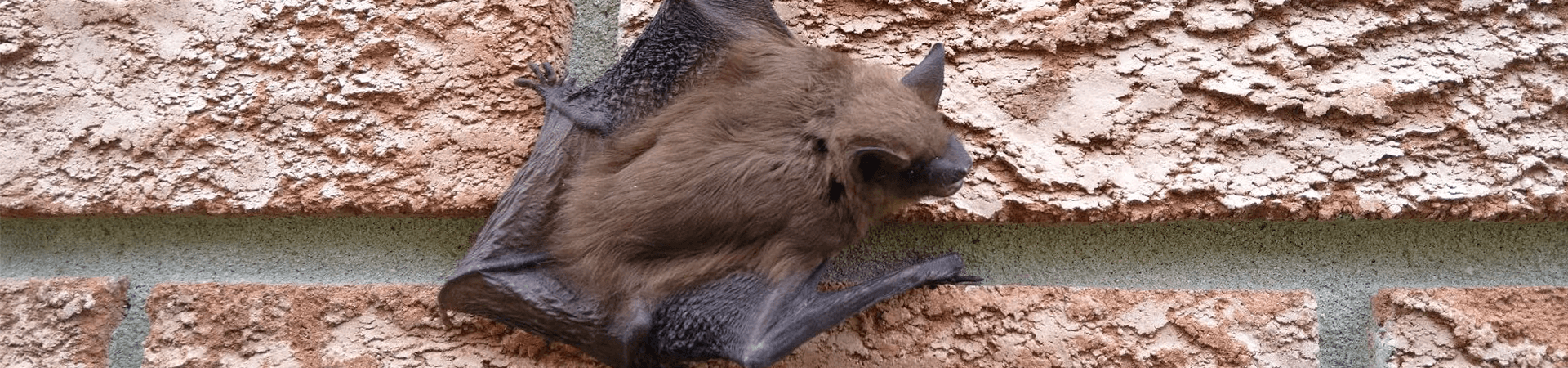
Bat resting on a brick wall

Columbus Bat Removal

Contact Us
614-662-1800

Monday–Friday: 7:30 AM–9:00 PM

Saturday: 8:00 AM–5:00 PMSunday: 10:00 AM–4:00 PM Eastern Time

COLUMBUS · HUMANE BAT REMOVAL

Bat Removal in Columbus

Serving Central Ohio since 2024.
A plan built around the roost, the openings and Ohio's exclusion calendar.

Skedaddle Columbus provides humane bat removal across Central Ohio, from Columbus and Upper Arlington to Westerville, Dublin and Powell. Ohio restricts bat exclusion from October 15 through March 31 when any bats are present, so through late fall and winter we inspect your attic and roofline, confirm where the bats are roosting and seal interior routes into your living space. We then schedule exterior exclusion for spring, followed by sealing, guano cleanup and attic restoration where needed.

BBB Accredited Business. Click for the Skedaddle Humane Wildlife Control BBB profile.

Reviewed by Bill Dowd, Founder, President & CEO. Last updated November 2026.

A bat inside a living space?

Keep people and pets out of the room, and do not touch the bat with bare hands. Do not release it until you have spoken with your local health department, which may want it tested for rabies. If anyone was bitten or scratched, woke up with a bat in the room or a bat was near a young child, contact your doctor and your local health department right away. Then call us, and we will find out how the bat got in.

Why homeowners choose Skedaddle

With bats, closing a gap is the last step, not the first. You need to know where the colony is roosting, when Ohio allows exclusion and what has to be cleaned up afterward. We answer all three before any work begins.

A roost-focused inspection

Our technicians identify the entry points, locate the colony and determine the stage of the breeding cycle. That tells us whether you have a colony in the attic or walls or a single bat that found its way inside, and which parts of the work can happen now.

Removal with Ohio's calendar built in

Exclusion is the only removal method Ohio allows for bats, and it is restricted at two times of year to protect pups and hibernating bats. We schedule each step around those rules, so your written plan shows what we do now and what follows in spring.

Clear coverage for the exclusion work

Our exclusion work carries a lifetime guarantee on all workmanship and materials. Your written quote lists the openings we seal and keeps guano cleanup and insulation work as separate items, so you know exactly what the guarantee covers.

Signs of bats and how they get in

It is rare to see the bats themselves. What you hear, what you see at dusk and whether a bat has turned up indoors is a great starting point for our inspection.

Roost assessment

Bats at dusk and staining at one opening

Bats emerge at dusk to feed on flying insects, and big brown bats come out earlier in the evening than other Ohio species, so they are often the ones people notice. Bats leaving the same part of the roofline each evening, with dark staining or droppings below, often point to a roost.

Entry-point inspection

Small gaps along the roofline

Bats cannot make openings themselves. They squeeze through small gaps left during construction or opened up as a home ages, most often between building materials along the roofline, at soffits, chimneys and vents. We check every one of these, not just the gap where you saw bats leaving.

Living-space check

Sounds in the walls and bats indoors

Scratching or squeaking in the attic or walls during the evening can mean a colony is living in your home. A bat in the living space almost always came from the walls or attic, not through an open door. We trace how it got inside so we can close that route.

Seen bats at your roofline?

Tell us where you have noticed activity and whether a bat has come into a room people use. Our inspection confirms the roost, finds the openings and explains which work can happen now and which follows Ohio's exclusion calendar.

Understanding bats in Central Ohio

  • Big brown bats
  • Little brown bats

Ohio's bats do not all spend the year in the same place. The Mammals of Ohio field guide describes big brown bats as common in urban and suburban areas and able to hibernate in attics through the winter. Little brown bats form summer maternity colonies in barns and buildings, then move to caves or mines to hibernate.

Ohio's bats eat flying insects, and they need protection. The Ohio Division of Wildlife reports that four Ohio bat species are state-endangered and that white-nose syndrome has caused population declines of more than 90 percent. Our job is to separate the colony from your home, not to remove bats from the neighborhood.

Ohio law shapes the timing. Under Ohio Administrative Code 1501:31-15-03, exclusion is restricted from May 16 through July 31 when five or more bats are present, and from October 15 through March 31 when any bats are present. The Division's guidelines name April 1 to May 15 and August 1 to October 15 as the preferred exclusion windows, and allow interior routes into living space to be sealed at any time.

For your home, that means we confirm the roost and the colony first, protect your living space right away and time the exterior exclusion to the next window Ohio allows.

What to expect from a Skedaddle inspection

Our inspection covers the roofline, attic and walls, along with any spots where a bat has appeared inside. We confirm the roost, find every opening and check the affected materials. Then we walk you through each step of the process and give you a written quote before any work starts.

  • Activity: We confirm bats are present, locate the roost and assess the size of the colony, with bat watches where Ohio's rules call for them.
  • Access: We identify the active openings and other small gaps around the roofline and building.
  • Occupied spaces: We check for routes into your living space and assess guano and soiled insulation.
  • Work required: We explain the exclusion, the interior sealing that can happen now, the final sealing and any cleanup or insulation work.

Your written quote separates the work we can do now from the exterior exclusion scheduled for the next allowed window, so you can see the full scope and timing before work starts.

Skedaddle's Three-Step Wildlife Removal Process

Step 1

Assess and Remove

We locate the roost and openings, then schedule exclusion for a time Ohio allows. We install one-way exclusion devices matched to the species and each opening, leave them in place for at least a week and seal the entrance the same day the devices come off, once all the bats are out. Interior routes into your living space can be sealed at any time.

Learn more
Step 2

Clear and Clean

Once the colony is out, we remove bat droppings and soiled insulation using protective equipment and decontaminate the affected areas. Heavily contaminated attics may need full restoration with new insulation; smaller areas often need targeted cleaning only.

Learn more
Step 3

Prevent and Protect

We seal every gap a bat could use, from the top of the home to the bottom, with Skedaddle's wildlife exclusion sealant. Your written quote lists each protected opening covered by our lifetime guarantee on all workmanship and materials.

Learn more

Seasonal activity and removal timing

Bat biology and Ohio's rules both shape when exclusion can happen. The table separates what the bats are doing, what Ohio requires and what it means for your home.

SeasonWhat may changeWhat it means for the homeowner
Winter(Dec–Feb) Big brown bats can hibernate in attics. Ohio restricts exclusion from October 15 through March 31 when any bats are present.We inspect, confirm roost locations, seal interior routes into living space and schedule exterior exclusion for spring.
Spring(Mar–May) Bats leave hibernation, and females that mated in the fall become pregnant after waking. April 1 to May 15 is a preferred exclusion window.This is when the exterior exclusion we planned over the winter takes place.
Summer(Jun–Aug) Pups are born and stay in the roost while their mothers feed; big brown bat pups are weaned at three to four weeks. Ohio restricts exclusion from May 16 through July 31 when five or more bats are present.We inspect and carry out the bat watches Ohio requires, then exclude colonies once pups can fly.
Fall(Sep–Nov) Bats mate in the fall, before hibernation. August 1 to October 15 is a preferred exclusion window; the winter restriction begins October 15.Early fall is the last exclusion window before winter. After October 15, we inspect and plan the work for spring.

A humane approach to bat removal

Humane bat removal means separating the colony from your home without trapping bats inside or harming them. Ohio makes it illegal to seal all entry points while bats are inside, or to use glue traps, chemicals or foggers on bats, and our process is built around that.

Inspection-led exclusion

We decide how to set up the exclusion only after we know where the roost is, how many openings exist and how large the colony is. One-way exclusion devices are matched to the species and each opening, and we seal the other openings as part of the same plan.

Planning around pups and hibernation

Ohio's restricted periods exist to protect flightless pups in summer and hibernating bats in winter. Excluding at the wrong time can strand pups or leave bats outside in freezing weather, so we time the work to protect both and protect your living space in the meantime.

Addressing the affected materials

Colonies leave guano that builds up in attics and wall spaces, and contamination depends on the size of the colony and how long it has been there. We remove droppings and soiled insulation with protective equipment and replace insulation only where it is contaminated.

Protecting the completed openings

After the colony is out, we seal every gap along the roofline and building with exclusion sealant. Our lifetime guarantee on all workmanship and materials covers the openings we seal, and if one needs attention later, we come back to inspect and repair it.

Make a plan for the whole roost

Every bat problem starts with a different roost. Book an inspection and we will map the colony, the openings, the timing Ohio allows and the cleanup your home needs, then explain the work before it begins.

Where this service is currently available

Our Columbus team provides bat removal in Clintonville, Columbus, Delaware, Dublin, Franklinton, Gahanna, Grove City, Groveport, Hilliard, New Albany, Obetz, Pataskala, Pickerington, Powell, Reynoldsburg, Sunbury, Upper Arlington, Westerville, Whitehall and Worthington. If your home is nearby but outside these communities, call with your address and we will confirm availability.

Bats usually roost high, in attics, wall cavities and soffits. When you book, tell us whether you have seen bats at the roofline, heard them in the walls or found one inside, so we can prepare for the inspection.

Frequently asked questions about bat removal

Wondering what can be done this season? Bring your questions to the inspection, and we will connect each recommendation to what we found and to Ohio's timing rules.

Call 614-662-1800

How much does bat removal cost?

Cost depends on the size of the colony, how many openings need sealing, how high and hard to reach they are and how much guano cleanup or insulation work the attic needs. We inspect the property first and provide a written quote that separates exclusion, sealing and cleanup, and shows which work happens now and which is scheduled for spring.

Can you remove bats the same day I call?

Same-day service is sometimes available, but it cannot be guaranteed. We give priority to genuine urgency, such as a bat inside a bedroom. Exterior exclusion also follows Ohio's calendar, so the inspection and the final sealing usually happen on different days. Call 614-662-1800 and we will explain the next available appointment and what to expect.

How do you remove bats humanely?

Exclusion is the only removal method Ohio allows for bats. We locate the roost, install one-way exclusion devices matched to the species and each opening, and leave them in place for at least a week so every bat can leave. Once the bats are out, we remove the devices and seal the openings the same day. We never seal bats inside.

Which areas do you serve?

Our Columbus team serves Clintonville, Columbus, Delaware, Dublin, Franklinton, Gahanna, Grove City, Groveport, Hilliard, New Albany, Obetz, Pataskala, Pickerington, Powell, Reynoldsburg, Sunbury, Upper Arlington, Westerville, Whitehall and Worthington. If you live near these communities, call with your address and we will confirm availability.

What does the guarantee cover?

Our exclusion work comes with a lifetime guarantee on all workmanship and materials. It covers the repairs and sealed openings listed in your written quote, and if one of those repairs needs attention, we come back to inspect and fix it. A new concern on another part of the home gets its own assessment.

Is cleanup or attic restoration included?

Guano cleanup is part of our recommended scope whenever a colony has roosted in your home, and the quote lists it separately. Not every attic needs full restoration. Small areas may need targeted cleaning, while heavily contaminated insulation may need removal and replacement. We handle the cleanup with protective equipment after the colony is out.

What should I do if a bat is inside a living space?

Keep people and pets out of the room and do not touch the bat with bare hands. Do not release it until you have spoken with your local health department, which may want it tested for rabies. If anyone was bitten or scratched, woke up with a bat in the room or a bat was near a young child, contact your doctor and health department right away. Then call us, and we will find and close the route it used.

When can bat exclusion be carried out in Ohio?

Ohio restricts exclusion from May 16 through July 31 when five or more bats are present, and from October 15 through March 31 when any bats are present. The Division of Wildlife's preferred windows are April 1 to May 15 and August 1 to October 15. Interior routes into living space can be sealed at any time, and written permission from the Division may be considered in limited cases.

Book your bat inspection

Bats at the roofline at dusk, scratching in the walls or a bat in the bedroom all deserve answers, whatever the season. Our Columbus team confirms the roost, protects your living space, schedules exclusion within Ohio's rules, seals every entry point and cleans up the guano, with attic restoration where needed. Every exclusion repair is backed by our lifetime guarantee on all workmanship and materials.

Reviewed by Bill Dowd, Founder, President & CEO. Last updated November 2026.

menu