Bird Removal in Columbus, OH | Skedaddle skip to main content
Skip to main content
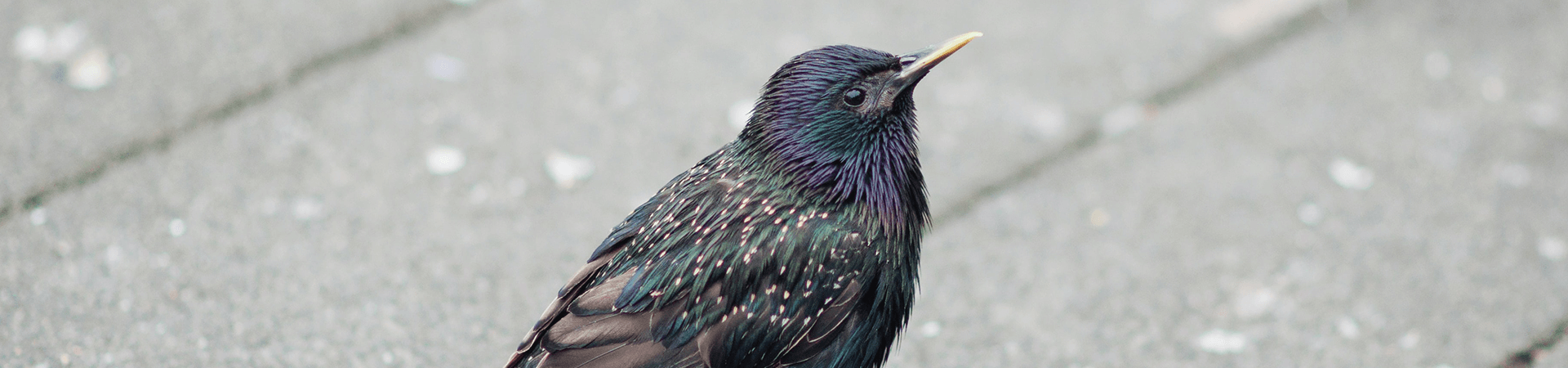
Starling on a paved surface

Columbus Bird Removal

Contact Us
614-662-1800

Monday–Friday: 7:30 AM–9:00 PM

Saturday: 8:00 AM–5:00 PMSunday: 10:00 AM–4:00 PM Eastern Time

COLUMBUS · HUMANE BIRD REMOVAL

Bird Removal in Columbus

Serving Central Ohio since 2024.
We identify the bird, check the nest and protect the opening it used.

Skedaddle Columbus provides humane bird removal across Central Ohio, from Columbus and Upper Arlington to Westerville, Dublin and Powell. We identify the bird and check the nest before any work begins, because federal and Ohio law protect native birds and their nests. Through late fall and winter, we clear starling and sparrow nests from dryer, bathroom and kitchen vents, clean the affected area and protect the openings before spring nesting begins.

BBB Accredited Business. Click for the Skedaddle Humane Wildlife Control BBB profile.

Reviewed by Bill Dowd, Founder, President & CEO. Last updated November 2026.

An occupied nest needs a different next step

Most native birds are protected by the Migratory Bird Treaty Act, which makes it illegal to destroy a nest that has eggs or chicks in it or young birds still dependent on it. Ohio law also protects the eggs, nests and young of native birds. Please leave the nest in place until we have identified the bird. Booking an inspection does not mean the nest can come out at the first visit.

Why homeowners choose Skedaddle

Birds in a vent, behind a soffit or on a ledge can each call for a different answer. We find out which bird you have and what it is doing before recommending any removal, cleanup or protection.

Identification before any work

Federal and Ohio law treat birds differently. European starlings, house sparrows and common pigeons are not protected in Ohio, while native birds and their nests are. We identify the bird and check the nest first, so every step that follows is one the law allows.

Attention to the opening and the space behind it

Starlings love to nest inside dryer, kitchen and bathroom exhaust vents, and nests can clog vents and create unsafe venting conditions. We check the opening, the duct and any affected materials, so the cleanup and protection fit what the birds actually used.

Clear coverage for the exclusion work

Our exclusion work carries a lifetime guarantee on all workmanship and materials. Your written quote lists the openings and vents we protect and keeps cleanup as a separate item, so you know exactly what the guarantee covers.

Signs of birds and how they get in

You do not need to get close to the nest. What you notice from the ground, and where you notice it, is a great starting point for our inspection.

Species and nest assessment

Repeated trips to one opening

Birds flying in and out of the same vent or gap, or chirping coming from a vent or wall, often mean a nest. Droppings, nesting material or repeated activity around one area can show that birds have found a protected space. We confirm whether they are nesting inside or only perching nearby.

Building-access inspection

Nesting material at vents and soffits

Vent openings, soffits and chimneys are common places for starlings and sparrows to get in. Grass, twigs or feathers sticking out of a dryer, bathroom or kitchen vent can point to a nest in the duct. We check each vent and opening, not just the one where you saw the bird.

Cleanup assessment

Droppings and stained surfaces

Pigeons may roost around attics and gutters, and acidic bird droppings can permanently stain brick, siding and stucco. Build-up under a ledge, vent or roofline tells us where birds are spending their time. We plan the cleanup for those surfaces along with the work at the opening.

Birds using a vent or another opening?

Tell us where the birds are going in and whether you have seen nesting material or heard young. Our inspection identifies the bird, checks the nest and plans the timing, cleanup and protection together.

Understanding birds in Central Ohio

  • European starlings
  • House sparrows
  • Pigeons

The Common Birds of Ohio field guide names the rock pigeon, European starling and house sparrow among only a handful of common, widespread birds in Ohio that are not native, and says the starling is probably the state's most abundant bird. These three are behind most bird problems at Columbus homes, and they are the species Ohio law exempts from its bird protections.

Each uses a home in its own way. Starlings are cavity nesters that favor exhaust vents, house sparrows tuck nests into crevices and soffits, and pigeons roost on sheltered ledges and rooflines. That is why a vent problem gets a different plan than birds roosting on a ledge.

Native birds need a different approach. Chimney swifts, for example, nest in Columbus-area chimneys each summer and are protected under the Migratory Bird Treaty Act, so their nests stay put until the young have left. Columbus Audubon notes that swifts typically arrive in Ohio in April and leave by October.

For your home, that means we identify the bird and the nest first, then match the removal, cleanup and protection to the species and the opening.

What to expect from a Skedaddle inspection

Our inspection covers the vents, soffits, rooflines and ledges where birds are active. We identify the bird, check the nest's status and look at the materials affected. Then we walk you through our findings and each step we recommend and give you a written quote before any work starts.

  • Activity: We identify the bird and confirm whether it is nesting, roosting or perching.
  • Access: We check the vents, cavities, soffits and other openings it is using.
  • Occupied spaces: We check for eggs or young, droppings and affected materials.
  • Work required: We explain the removal or exclusion, the cleanup and the protection for each opening.

Your written quote separates removal, cleanup and protection of each opening, and shows any step that has to wait until a nest is no longer in use.

Skedaddle's Three-Step Wildlife Removal Process

Step 1

Assess and Remove

We identify the bird and the nest's stage before choosing a method. When young starlings are nesting in a kitchen or bathroom vent, we can lift them out by hand and place them in a temporary nest on the outside wall, so the parents keep caring for them while we secure the vent. Work at a native bird's nest waits until the young have left.

Learn more
Step 2

Clear and Clean

Once the birds are out, we remove nesting material and droppings and clean contaminated vents without spreading material through your home. Where contamination is heavier, we may recommend insulation repair or a ventilation system inspection.

Learn more
Step 3

Prevent and Protect

We screen and seal bird entry points and fit protective covers that keep vents working while keeping birds out. Larger areas may need netting, and roosting areas may need deterrents. Your written quote lists each protected opening covered by our lifetime guarantee on all workmanship and materials.

Learn more

Seasonal activity and removal timing

Bird activity changes through the year, but the legal protections do not. The table describes what the birds are doing in each season; the federal and Ohio protections apply year-round.

SeasonWhat may changeWhat it means for the homeowner
Winter(Dec–Feb) Birds that stay through the winter keep looking for sheltered places to roost, including attics, vents and eaves. Pigeons can nest throughout the year. Chimney swifts and other migrants are gone.Winter is a good time to clear old starling and sparrow nests from vents and screen the openings before spring. We still check every nest, because a pigeon nest may be in use.
Spring(Mar–May) Starlings nest from late March into early July, laying four to seven eggs that hatch in about 13 days. Chimney swifts arrive in April.Any nest may now hold eggs or young. We identify the bird before any work, and protected nests stay in place.
Summer(Jun–Aug) Many starlings raise a second brood, and chimney swifts raise their young in chimneys.One brood leaving does not mean the nest is finished. Work at a swift's chimney waits until the young have left.
Fall(Sep–Nov) Nesting winds down, and chimney swifts leave Ohio by October. Resident birds begin looking for winter roosts.Once the birds have moved on, we clean out vents and protect openings before winter roosting and the next nesting season.

A humane approach to bird removal

The right plan for a vent is not always the right plan for a ledge or a chimney. We match each part of the work to the bird and the way it is using your home.

Matching the method to the situation

We choose removal, exclusion or deterrents based on the species, where the birds are and what they are doing. A nest in a dryer vent, a flock roosting on a ledge and a family of swifts in a chimney each get their own plan.

Identifying the bird and checking nest status

A small brown bird in a vent could be a house sparrow or a protected native species, so we confirm which before anything moves. When a native bird's nest is in use, we wait until the young have left before working at the opening.

Clearing the affected opening

We remove nesting material and droppings from vents, ducts and surfaces, using protective equipment, so nothing is left behind in the duct. Where contamination is heavier, we recommend insulation repair or a ventilation inspection.

Choosing the right long-term protection

We protect each opening in a way that suits how it works, from vent covers that keep exhaust flowing to netting and deterrents for larger areas. Our lifetime guarantee on all workmanship and materials covers the openings we protect, and if one needs attention later, we come back to inspect and repair it.

Get the nest and the building assessed together

Every bird problem starts at a different opening. Book an inspection and we will identify the bird, check the nest, plan the timing and explain the cleanup and protection your home needs before work begins.

Where this service is currently available

Our Columbus team provides bird removal in Clintonville, Columbus, Delaware, Dublin, Franklinton, Gahanna, Grove City, Groveport, Hilliard, New Albany, Obetz, Pataskala, Pickerington, Powell, Reynoldsburg, Sunbury, Upper Arlington, Westerville, Whitehall and Worthington. If your home is nearby but outside these communities, call with your address and we will confirm availability.

Birds most often use dryer, bathroom and kitchen vents, soffits, chimneys and ledges. When you book, tell us which part of the home is involved and whether you have seen nesting material or heard young, so we can prepare for the inspection.

Frequently asked questions about bird removal

How much does bird removal cost?

Cost depends on the bird, how many vents or openings are involved, how high and hard to reach they are, which protection each one needs and how much cleanup the area requires. We inspect the property first and provide a written quote that separates removal, cleanup and protection, so you see the full price before any work starts.

Can you remove birds the same day I call?

Same-day service is sometimes available, but it cannot be guaranteed. An occupied nest can also change what happens at the first visit: if a native bird is nesting, the nest stays until the young have left. Call 614-662-1800 and we will explain the next available appointment and what to expect.

How do you remove birds humanely?

We identify the bird and check the nest before choosing a method. When young starlings are nesting in a vent, we can move them by hand to a temporary nest on the outside wall so their parents keep feeding them while we secure the vent. Work at a native bird's nest waits until the young have left. We then clean the area and protect the opening.

Which areas do you serve?

Our Columbus team serves Clintonville, Columbus, Delaware, Dublin, Franklinton, Gahanna, Grove City, Groveport, Hilliard, New Albany, Obetz, Pataskala, Pickerington, Powell, Reynoldsburg, Sunbury, Upper Arlington, Westerville, Whitehall and Worthington. If you live near these communities, call with your address and we will confirm availability.

What does the guarantee cover?

Our exclusion work comes with a lifetime guarantee on all workmanship and materials. It covers the vents and openings we protect, as listed in your written quote, and if one of those repairs needs attention, we come back to inspect and fix it. Birds landing in your yard or nesting in nearby trees are outside the work we do on the home.

Is cleanup included?

Cleanup is part of our recommended scope whenever birds have nested or roosted on your home, and the quote lists it separately. We remove nesting material and droppings from vents, ducts and affected surfaces. Where contamination is heavier, we may recommend insulation repair or a ventilation inspection, based on what we find.

Can an occupied nest be removed?

It depends on the bird. Federal law makes it illegal to destroy a native bird's nest with eggs, chicks or young still dependent on it, and Ohio law protects native birds' eggs, nests and young. European starlings, house sparrows and common pigeons are the exceptions in Ohio. We identify the bird first and plan the timing around those protections.

How do you decide what exclusion suits the bird and building?

We look at the species, how the birds are using the home and how the opening needs to work. A dryer or bathroom vent needs a cover that keeps exhaust flowing, a soffit gap needs screening and sealing, and a ledge where pigeons roost may need netting or deterrents. Your quote lists the protection chosen for each opening.

Book your bird inspection

Repeated trips to a vent, nesting material at a soffit or droppings below a ledge all deserve answers before the next nesting season. Our Columbus team identifies the bird, checks the nest, removes the birds and nesting material when the timing allows, cleans the affected area and protects each opening. Every exclusion repair is backed by our lifetime guarantee on all workmanship and materials.

Reviewed by Bill Dowd, Founder, President & CEO. Last updated November 2026.

menu