Lifetime Warranty
On workmanship and materials.
Skedaddle Columbus — serving Central Ohio since 2024. No traps. No poison. Permanent exclusion.
Heading into late fall and winter, we help Whitehall homeowners with bats, birds, mice and raccoons through humane removal, exclusion, cleanup and attic restoration where it is needed. Whitehall sits on the east side of Columbus along the National Road, with homes ranging from Old Whitehall to the postwar ranches, Cape Cods and twin singles built during its 1950s boom, so our Columbus team plans each job around the property and the animal.

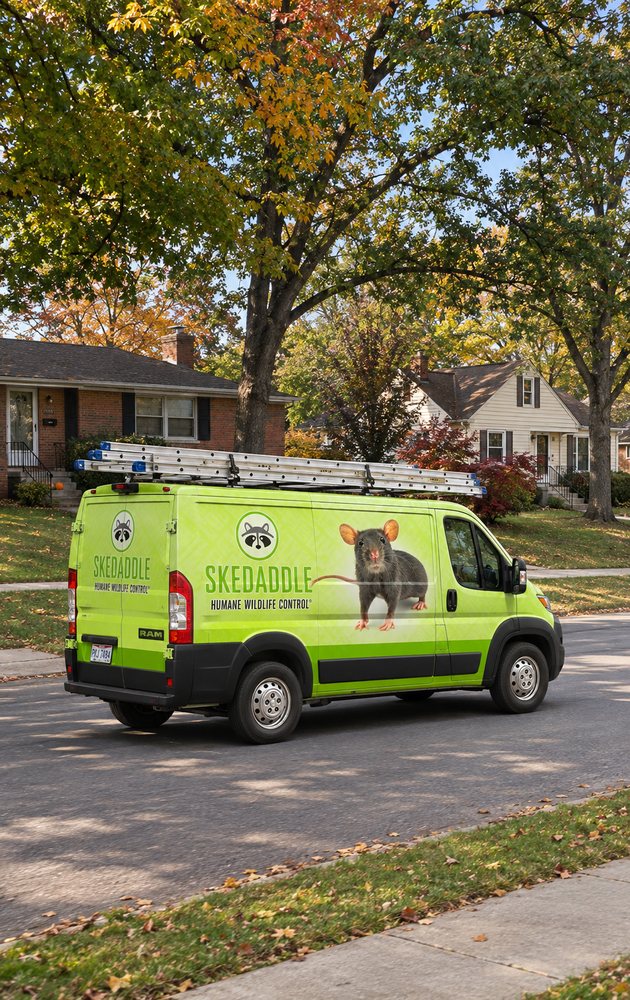
We handle the whole job: removing the animal, finding how it got in and sealing those openings so your home is ready for the cold months ahead. Every Whitehall visit starts with what we find on site.
Skedaddle Columbus has worked in Whitehall since 2024, and we completed 5 humane wildlife removals in the city over the past 12 months. Whitehall incorporated as a village in 1947 and became a city less than a decade later as postwar housing filled the area. Our team works on the brick ranches, Cape Cods, bungalows and split-levels across the city, the twin singles and townhouses of English Village and Parklawn Manor, and the homes of Norton Field and The Fairway. Most of these homes are now more than 60 years old, so we inspect every level and share our findings before work begins.
Our technicians train in wildlife biology as well as home repair, decontamination and restoration, so each plan starts with the animal's behavior and the structure of your home. Bats in an attic, starlings in a dryer vent and mice behind a sill plate each need a different humane method, whether that is hands-on removal, a one-way device where appropriate or timing the work around young. In winter, we also plan around Ohio's bat rules and late-winter raccoon breeding. Our methods are approved by SPCAs and Humane Societies.
We back every exclusion repair with our lifetime guarantee on all workmanship and materials. Before work begins, your written scope lists each opening we will close and the materials we plan to use, so the coverage is clear from day one. Winter ice, wind and temperature swings test chimneys, roof vents and foundation gaps on Whitehall homes. If a repair we completed needs attention later, we come back to inspect it and re-seal it at no charge, under the written service terms.
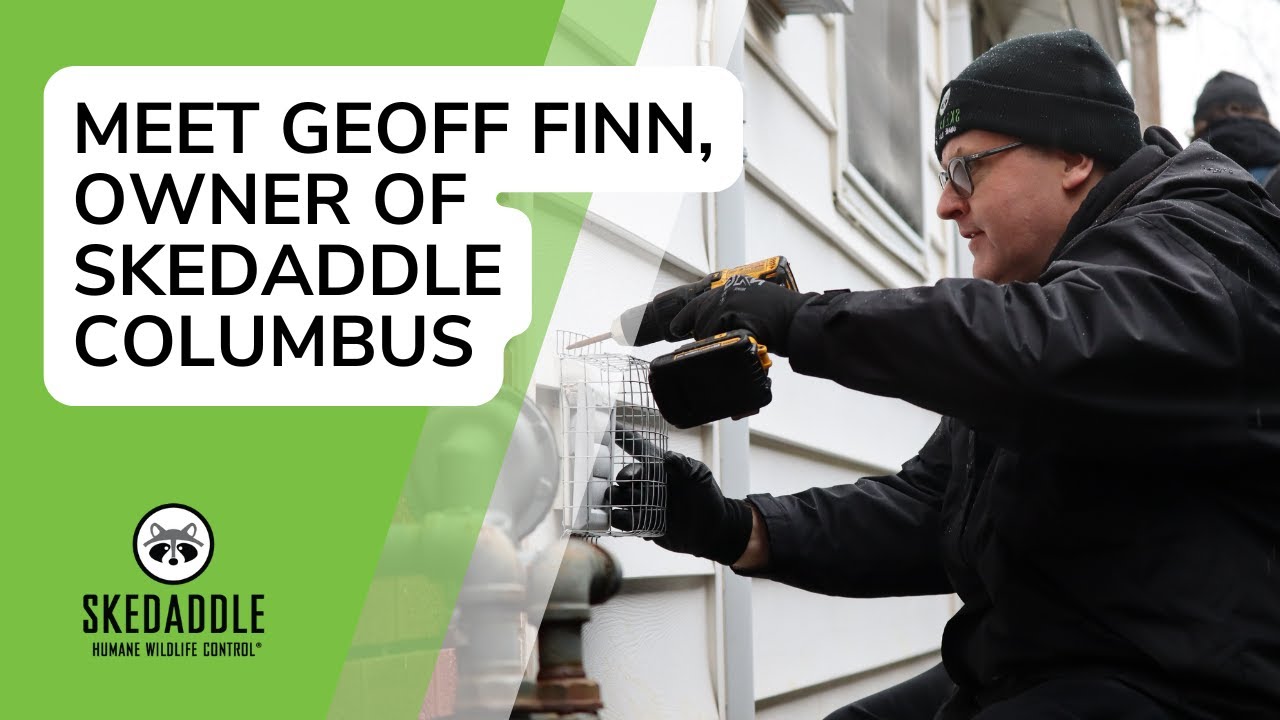
Geoff Finn launched Skedaddle Columbus in 2024 after dealing with wildlife in his own rural home. A certified wildlife control operator with a background in business leadership, he leads our team in protecting Central Ohio homes humanely.
Once the weather turns cold, wildlife looks for a warm place to wait out the winter, and attics, vents, walls and chimneys offer exactly that. In Whitehall, we provide humane removal for bats, birds, mice and raccoons, with each method chosen for the animal and the season. The Ohio Division of Wildlife points to chimneys, loose siding, loose vent covers and gaps around pipes and outlets as common entry points, and we check all of them.
From October 15 through March 31, Ohio restricts bat exclusion whenever bats are present, under Ohio Division of Wildlife rules. For Whitehall homes this winter, we inspect the attic, roofline and chimney, confirm the roost and close interior routes into your living space, which the rules allow year-round. The soffits, gable vents and roof edges of postwar ranches and Cape Cods in Norton Field and Old Whitehall all get a close look. Exterior exclusion is then planned for the spring window, or sooner if the Division grants written permission.
Starlings and house sparrows work their way into dryer, bath and attic vents, and the Ohio Division of Wildlife names both among the birds that nest in and on homes. On Whitehall homes, we check vent covers, soffit gaps and gutters along the roofline, from the twin singles of English Village and Parklawn Manor to the ranches of The Fairway. Once the birds are out, we remove the nesting material, clean the area and fit screened vent covers so the openings stay closed before nesting season returns in spring.
Mice move indoors as the weather cools, and Penn State Extension notes that a mouse can fit through a hole about the size of a dime. On Whitehall homes built in the 1940s and 1950s, sill plates, slab edges, basement windows and utility entries can develop small gaps over time, and attached garages add more openings. We trace gaps around utility lines, dryer vents, garage doors and sill plates, then remove the mice and seal the entry points with durable materials. Any needed cleanup of droppings and nesting material is part of your written quote.
Raccoons den in attics, chimneys and the spaces beneath porches and decks, and Ohio raccoons breed from February through March, according to the Ohio Division of Wildlife certification manual. Whitehall's Community Park runs along Big Walnut Creek, and homes near the creek and the Columbus Country Club back onto good raccoon cover. We inspect chimney caps, roof vents and porch perimeters before choosing a method. Captured raccoons may not be relocated in Ohio, so our approach keeps them on site through hands-on removal and exclusion.
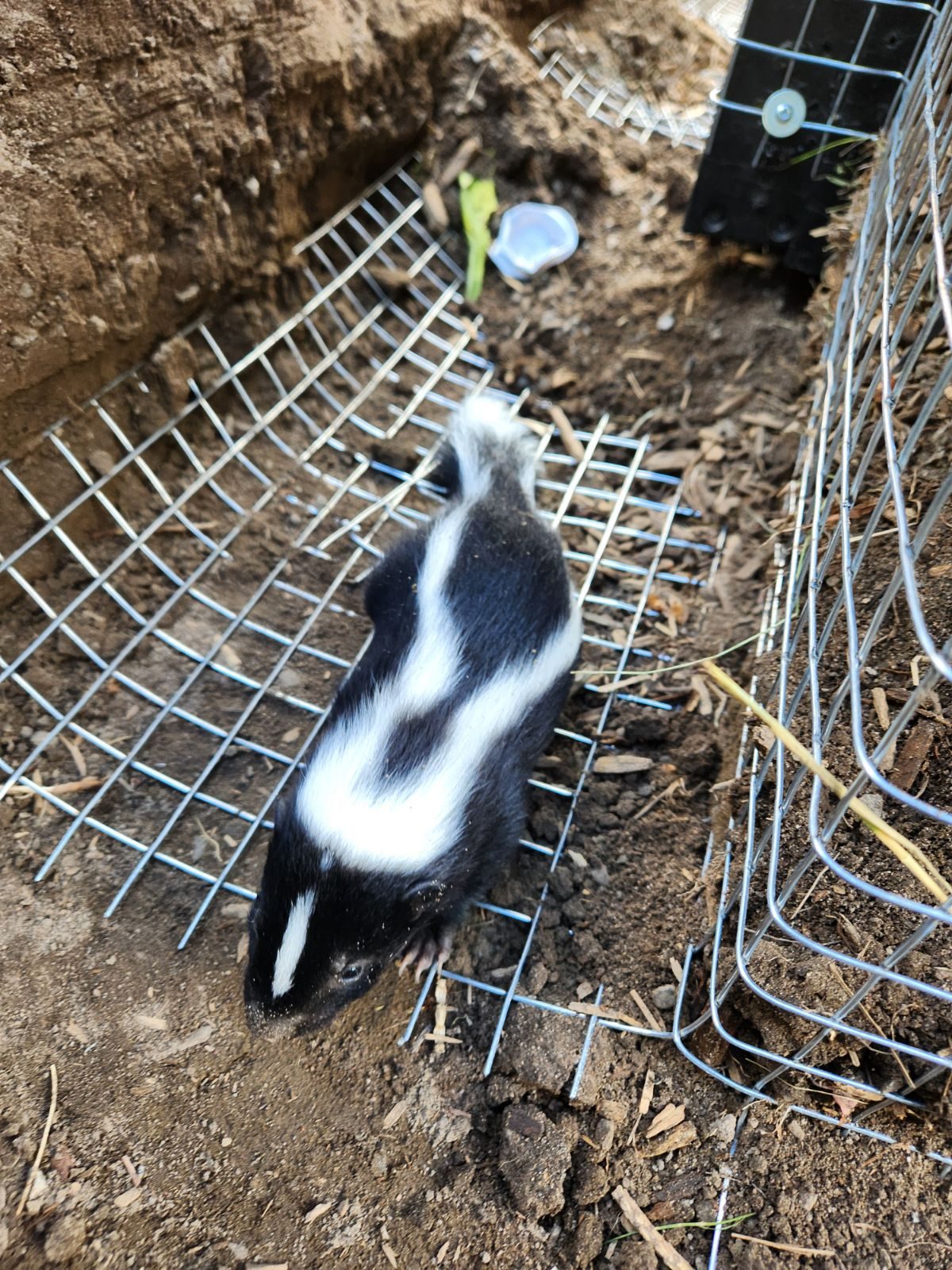
Our winter service also covers rats using openings around foundations and garages, skunks denning beneath porches, decks and sheds, and squirrels nesting in attics and soffits. Captured skunks may not be relocated in Ohio, so we use on-site exclusion once the skunk has left the den. For each animal, we confirm the species and combine humane removal, entry-point repairs and any needed cleanup in a single plan.
Scratching in the attic or fluttering inside a vent of a Whitehall home can come from several different animals. We inspect your home, identify what is there and find the entry route, then explain the removal and repair plan with a written quote.
We serve homeowners across Whitehall, a city named for the White Hall farm and inn that served travelers on the National Road, where Norton Field was dedicated in 1923 as Columbus’s first airport. We check availability for your address at booking. The neighborhoods below are examples of where we work rather than a complete list, and our Columbus service area also takes in the nearby communities listed in our business details.
Our Whitehall inspection runs from the foundation to the roofline. We identify the animal, find active and likely entry points, check the attic, vents, wall spaces and basement for damage and contamination, and explain what we found with a written quote before any work starts. In winter, we also note the roost, nest and den conditions that affect scheduling.
Your written quote brings removal, exclusion, cleanup and any attic restoration into one document, so restoration is priced together with the exclusion work. Restoration reflects the condition of the space, and the scope can range from targeted cleaning to full insulation replacement. Book Inspection

We start each Whitehall job by inspecting the home to identify the animal, follow its route inside and assess the areas it has used. Bats in the attic of a Cape Cod in Norton Field and starlings in a dryer vent in Parklawn Manor need different plans. We select a humane removal method for the species, plan around any dependent young and time the work to Ohio's seasonal rules where they apply.
Learn more
With the animals gone, we evaluate droppings, guano, nesting material, urine staining and odor in each affected area. We then clean and decontaminate the space or remove soiled materials, depending on what we find. If insulation has been flattened or contaminated, our written scope includes taking it out and replacing it; if the damage is limited, the cleanup stays focused.
Learn more
After confirming the animals have left, we seal entry points and reinforce weak spots such as roof vents, soffit gaps, chimney openings and foundation openings with durable exclusion materials. The written scope lists every opening we repair, and our exclusion work carries a lifetime guarantee on all workmanship and materials.
Learn moreWildlife activity around Whitehall follows the seasons, so we plan inspections and removal around the time of year, the species involved and Ohio's rules. The chart shows how our focus changes from season to season.
| Season | Wildlife focus | Our service focus |
|---|---|---|
| Spring (March–May) |
Returning bats, nesting birds, raccoons with young, mice | We plan exterior bat exclusion for Ohio's April 1 to May 15 window, fit vent covers before birds nest and check attics and chimneys for raccoon young before any removal. |
| Summer (June–August) |
Bats, birds and raccoons | We work bat exclusion around the maternity season, which Ohio restricts from May 16 through July 31 when five or more bats are present, and clear nests from vents once the young have left. |
| Fall (September–November) |
Bats, birds in vents, mice moving indoors, raccoons seeking dens | Where conditions allow, we complete exterior bat exclusion before Ohio's October 15 restriction and seal foundation, utility and roofline gaps ahead of the cold. |
| Winter (December–February) |
Bats roosting indoors, mice in walls, raccoons denning | We seal interior bat routes until exterior work can resume in spring, remove animals sheltering in walls, attics and chimneys and watch for late-winter raccoon breeding. |
Quarterly focus: Q4 (October–December 2026) This quarter in Whitehall, we are focused on bats settling in for the winter, birds working into vents, mice coming indoors and raccoons denning in chimneys and attics. We document bat roosts for exterior work in spring, and because raccoons begin breeding in February, we are sealing openings now while attics and chimneys are still free of young. Each written scope combines removal, repairs and any cleanup as winter sets in.
Whether the problem is a bat in the attic of a ranch in Norton Field or a dryer vent in English Village, we use the same inspection-led approach on every Whitehall home. Book an inspection, and we will show you what we found and the repairs we recommend.
Our exclusion process ties together what is happening inside your home and the openings outside. Each step follows the findings from your Whitehall inspection, from the first roost, nest or den we locate to the final repair.
Every removal is a plan built for the animal and the building, not a one-size tool. Based on what we find, we may remove animals by hand, retrieve dependent young, use a one-way device where appropriate or install species-specific exclusion hardware. Bats in a Cape Cod attic in Old Whitehall and mice in the walls of a twin single in English Village need very different approaches, and Ohio's bat rules and late-winter breeding both affect timing through the colder months.
If dependent young are present, keeping the family together comes first. We use warming boxes and species-specific reunification techniques so the mother can collect her young and move them to a new den. Ohio requires captured raccoons and skunks to stay on the property where they were found, and reuniting families on site fits that requirement. Because raccoons start breeding in late winter, we check carefully for new dens before sealing anything.
Our attic restoration assessment tells us whether your attic needs targeted cleaning or a broader removal and replacement of insulation. Bats, birds, mice and raccoons that spend the winter in a Whitehall home can leave droppings, guano, urine and nesting material in attics and walls well before the signs show up in the living space. We map the affected areas, explain what needs to come out and list the recommended cleanup and restoration on your written quote.
Our exclusion repairs come with a lifetime guarantee on all workmanship and materials. Your written scope names every opening we seal, from gable vents in Norton Field to foundation gaps and chimney caps in The Fairway, so you know exactly what is covered. Should one of those repairs need attention later, we will inspect it and re-seal it at no charge. The guarantee covers the work we complete under the written service terms.
We price each Whitehall job with a written quote after inspecting the home. The total depends on the animal, the number and location of entry points, and whether cleanup or attic restoration is part of the work. We go over our findings first, and the quote lists removal, exclusion and restoration together so you can review the full scope before anything starts.
Same-day service is sometimes available, but it cannot be guaranteed. We prioritize genuine urgency, such as a bat flying inside the home or an animal trapped in a living space or window well. Other calls are scheduled for the earliest available inspection. Call 614-662-1800 and our team will check today's availability for your Whitehall address.
We inspect for bats in any season, but the timing of exterior exclusion depends on Ohio's rules. The Ohio Division of Wildlife restricts exclusion from October 15 through March 31 when bats are present, and from May 16 through July 31 when five or more are present. In winter, we close interior routes into the living space and schedule the exterior work for spring. Our written plan shows what we can do now and what we will complete in the spring window.
We serve homeowners throughout Whitehall, including Old Whitehall, Norton Field, English Village, Parklawn Manor, The Fairway and the Columbus Country Club area. Our Columbus team also serves Clintonville, Columbus, Delaware, Dublin, Franklinton, Gahanna, Grove City, Groveport, Hilliard, New Albany, Obetz, Pataskala, Pickerington, Powell, Reynoldsburg, Sunbury, Upper Arlington, Westerville and Worthington. We check availability for your address when you book.
Yes. We work within the Ohio Division of Wildlife rules for every animal we handle, including the seasonal limits on bat exclusion and the requirement that captured raccoons and skunks stay on the property where they are found. Our humane methods are approved by SPCAs and Humane Societies, and each Whitehall job is planned around dependent young, timing and the rules that apply to your home.
Common winter signs include scratching in the attic or walls, guano near the roofline or in the attic, fluttering or chirping inside vents, droppings in cabinets or basements, thumping in a chimney, and chewed wood or debris around soffits, vents and chimney caps. Bats can stay in attics through the cold months, mice stay active indoors and raccoons begin breeding in late winter. We inspect the signs you have noticed, identify the animal and find how it got in, then plan removal, repairs and cleanup together.
Yes. Every exclusion repair we complete is covered by a lifetime guarantee on all workmanship and materials. Your written service terms identify the openings we sealed and the coverage that applies. Should one of those repairs need attention, we will come back, inspect it and re-seal it at no charge. New activity at an unrelated part of the home is not automatically covered.
We inspect the attic for droppings, guano, urine, nesting material and damaged insulation, then recommend either targeted cleaning or broader restoration based on what we find. Restoration can involve removing soiled insulation, decontaminating the space and installing new insulation. The recommended work is part of your written quote, so the restoration fits the actual condition of your attic rather than a set package.
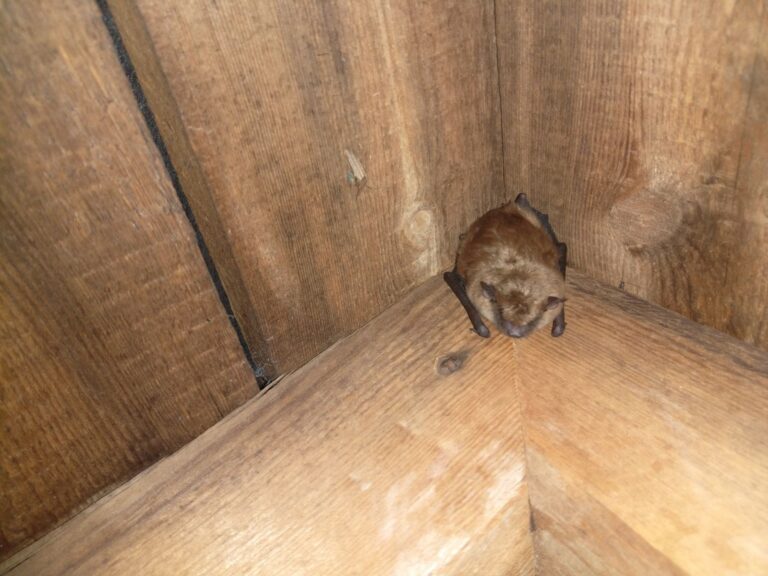
Each winter, homeowners around Franklinton and beyond face a wave of confusion due to winter bat myths in Ohio. Many believe these mammals completely…
Read article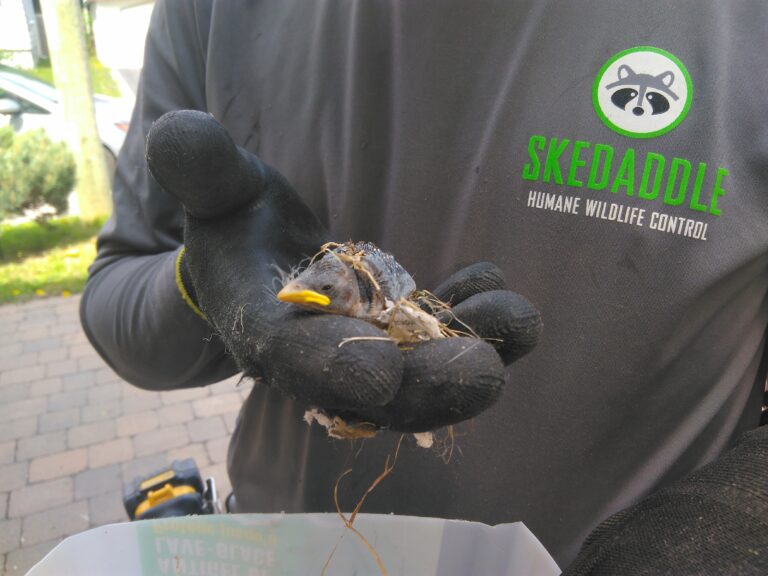
Winter in Ohio changes the way animals behave, especially birds looking for warmth. You might not realize it at first, but small signs around…
Read article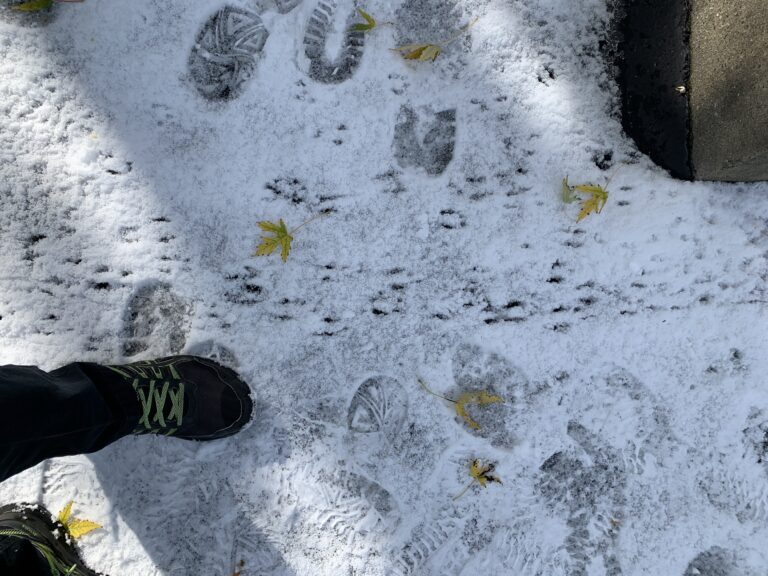
When that first snowfall hits Ohio, you notice a big change outside—quiet streets, covered lawns, and long stretches of cold air. What you don’t…
Read article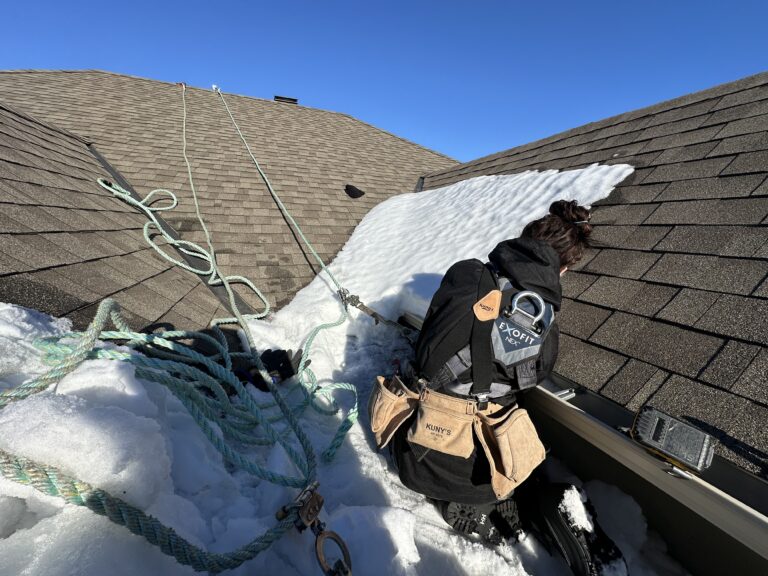
You notice a strange noise above the ceiling. Maybe it sounds like thumping, scratching, or slow shuffling. After a heavy snowfall, these signs often…
Read articleBats in the attic of a ranch in Norton Field, birds in a dryer vent in English Village or mice in the walls of a home in Old Whitehall can all mean wildlife has moved in for the winter. Our team identifies the animal, removes it humanely with a method chosen for the species, closes every entry point, decontaminates the affected space and replaces insulation where needed, all backed by a lifetime guarantee on all workmanship and materials. Our methods are approved by SPCAs and Humane Societies. Call 614-662-1800 or book your Whitehall inspection to get started.
 menu