








RAT REMOVAL PROCESS

Assess and Remove
Our Milwaukee technicians conduct a detailed inspection to identify rat entry points, nesting locations, and activity patterns throughout the property. Using humane removal methods and a customized plan, we address the source of the infestation while preparing the structure for long-term protection.

Clear and Clean
After removal, we eliminate contaminated nesting materials, droppings, and debris from affected areas. This service helps restore attics, crawl spaces, and other concealed spaces while reducing odors, contamination concerns, and conditions that may attract future wildlife activity.

Prevent and Protect
We secure vulnerable entry points using durable exclusion materials designed to withstand rodent pressure. Combined with customized recommendations, attic restoration services when needed, and qualifying lifetime guarantees, our prevention-focused approach helps protect Milwaukee homes from recurring rat intrusions.
Rats are highly adaptable animals that can thrive in urban neighborhoods, industrial areas, waterfront districts, and residential communities. In Milwaukee, access to waterways, older infrastructure, growing neighborhoods, and year-round food sources can create ideal conditions for rat activity. Once rats establish themselves near a property, they may begin exploring homes, garages, attics, crawl spaces, and commercial buildings in search of shelter.
Whether you live in Bay View, Wauwatosa, Riverwest, Walker’s Point, East Side, Historic Third Ward, or near landmarks such as Lake Michigan, Veterans Park, American Family Field, or the Milwaukee River, rat activity can become a concern. Founded in 1989, Skedaddle Humane Wildlife Control brings more than 30 years of experience to every service, delivering humane rat removal solutions backed by customized plans, written estimates, attic restoration services, and qualifying lifetime guarantees.
Long-Term Rat Control Backed by Humane Solutions
Skedaddle provides humane rat removal services that focus on solving current infestations while helping prevent future activity. Every service begins with a detailed inspection, a customized removal plan, and a written estimate. Most rat removal projects can be completed in as little as one day, depending on the complexity of the situation, allowing homeowners to regain confidence in their property quickly.

How Rat Activity Shifts Throughout the Year
Fall: Rats Head Indoors as Milwaukee Cools
As cooler weather moves in off Lake Michigan, Milwaukee’s rats look for protected indoor spaces, entering through small openings around foundations, vents, siding, utility lines and rooflines. Homes and businesses near the Milwaukee River, Veterans Park and the lakefront, and in neighborhoods like Bay View, Riverwest, Walker’s Point and the Historic Third Ward, often see activity rise as the weather turns. Homeowners may notice droppings in basements and garages, gnaw marks, or scratching inside walls at night.
Rats that settle in during the fall can nest in wall voids and insulation, contaminate stored food and chew wiring throughout the winter. Alleys with open garbage, woodpiles and bird feeders near the house make a property more attractive. Skedaddle’s humane rat control in Milwaukee focuses on finding how rats are getting in, removing them, cleaning contaminated areas and sealing entry points before winter sets in.

Winter: Active Behind the Scenes
Unlike some wildlife species, rats remain active throughout winter. Heated homes provide warmth, protection, and access to food sources, making them attractive places to nest. Once inside, rats may establish themselves in attics, wall cavities, basements, and crawl spaces where they can remain active regardless of outdoor temperatures.
Spring: Increased Exploration and Breeding
As temperatures begin to rise across Milwaukee, rat activity often increases. Spring breeding season encourages population growth, while melting snow and seasonal rainfall can disrupt outdoor nesting areas. As a result, rats may move closer to homes, garages, sheds, and crawl spaces in search of dry shelter and reliable food sources.
Summer: Population Growth Reaches Its Peak for Rats in Milwaukee
Summer provides ideal conditions for rats in Milwaukee to thrive, with easier access to food, water and shelter around residential and commercial properties. Gardens, outdoor dining areas, garbage storage, compost bins, bird feeders and pet food can all create opportunities for increased rat activity. As populations expand, younger rats begin searching for new territories and may travel along foundations, decks, sheds, fences, garages and outbuildings.
Homeowners may notice more signs of activity during the warmer months, including burrows, droppings, gnaw marks, grease trails or nighttime movement around the exterior of the property. Small openings near utility lines, vents, garage doors, foundation cracks and basement-level gaps can also become entry points when rats find steady resources nearby. Skedaddle’s humane rat control focuses on identifying active areas, removing contamination and protecting vulnerable access points with long-term prevention. By reducing attractants and addressing entry points early, property owners can help prevent summer rat activity from becoming a larger infestation.
Why Some Milwaukee Properties Become Rat Hotspots
Certain property features can make homes and businesses more appealing to rats.
Common attractants include:
- Overflowing garbage and recycling containers
- Bird feeders and spilled seed
- Compost piles and food waste
- Outdoor pet food and water
- Dense vegetation near structures
- Wood piles and storage materials
- Moisture issues and standing water
- Gaps around utility lines and vents
- Cluttered storage areas
Professional exclusion is often necessary because even small structural vulnerabilities can provide access to indoor spaces.

Clues That Rats May Be Living Nearby
Rat activity is often discovered only after it has become established. Recognizing the warning signs early can help limit damage.
Common indicators include:
- Scratching or movement sounds behind walls
- Droppings in storage areas, attics, or basements
- Gnaw marks on wood, wiring, or insulation
- Grease stains along frequently used pathways
- Nesting materials hidden in secluded locations
- Unpleasant odors from concealed spaces
- Rat sightings around the property
- Increased activity near garbage or food storage
A professional inspection can determine where rats are active and how they are accessing the structure.
Skedaddle’s Humane Rat Removal Process
Every infestation is unique. That’s why our team creates a customized removal plan designed specifically for each Milwaukee property.
Complete Structural Assessment
Our technicians begin by inspecting the entire property, including attics, basements, crawl spaces, garages, rooflines, and exterior areas. We identify signs of activity, nesting locations, travel routes, and entry points to gain a complete understanding of the situation before recommending a solution.
Mapping Access Points
Rats can squeeze through surprisingly small openings. During this stage, we locate vulnerabilities around foundations, vents, siding, roof intersections, utility penetrations, and other structural features. Understanding where rats enter is a critical part of preventing future activity.
Humane Removal Implementation
Once activity patterns have been identified, we implement a humane removal strategy tailored to the property. Skedaddle does not use trapping, relocation, or inhumane methods. Instead, we focus on safely resolving the infestation while preparing the structure for permanent exclusion work.
Securing the Structure
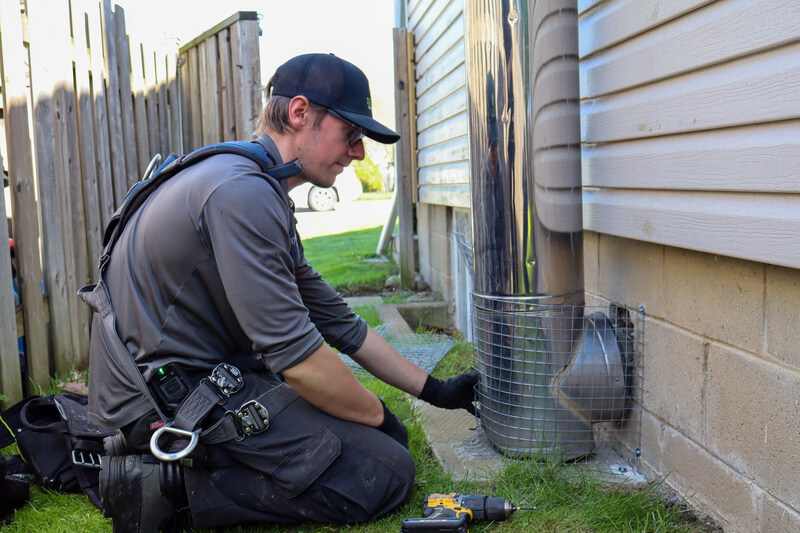
After removal, vulnerable entry points are professionally reinforced using durable exclusion materials. Areas that could allow future access are secured to reduce the risk of re-entry. This step is essential for long-term protection and helps ensure the problem does not return.
Restoration and Ongoing Protection
The final phase focuses on restoring affected areas and reducing future risks. If insulation or building materials have been impacted, attic restoration services may be recommended. We also provide prevention recommendations and qualifying lifetime guarantees that help homeowners maintain long-term protection.
Why Indoor Rat Activity Should Be Taken Seriously
Rats can cause extensive damage once they enter a home. Their constant chewing can affect electrical wiring, insulation, wood framing, and stored belongings.
Because they often remain hidden inside walls, attics, and crawl spaces, infestations can continue undetected for long periods. During that time, nesting materials, droppings, and contamination may accumulate.
As populations increase, so does the potential for costly repairs and restoration needs. Early intervention can help reduce damage and limit disruption.
Professional removal and exclusion focus on addressing both the infestation and the conditions that allowed it to develop.
Reclaim Your Home from Rat Activity
Rat activity can create stress, uncertainty, and property damage. Fortunately, professional removal services can address the issue while helping protect your home from future infestations.
Since 1989, Skedaddle Humane Wildlife Control has provided humane wildlife removal services built around prevention, restoration, and long-term protection. Contact our Milwaukee team today to schedule an inspection and learn more about our customized removal plans, written estimates, attic restoration services, and prevention-focused solutions.
The Summer Habits That May Be Attracting Rats to Your Property
Rats in Milwaukee: How They Burrow Beneath Homes to Escape the Cold
Rats In Your Yard? Should You Be Worried?
Milwaukee Rat FAQs: Did You Know?
Rats are opportunistic and can infest both older and newer homes. While older structures may develop gaps through wear and age, newer homes can also contain vulnerabilities around utilities, vents, and construction joints. The availability of food, water, shelter, and access points is often more important than the age of the structure itself.
Yes. Rats frequently move between adjacent properties while searching for food, water, and shelter. In dense Milwaukee neighborhoods, activity on one property can sometimes influence nearby homes and businesses. This is one reason professional exclusion and prevention strategies are so important for long-term control.
Rats are primarily nocturnal, which means most of their activity occurs after sunset. Homeowners may hear scratching, chewing, or movement sounds during the evening or overnight hours. However, seeing rats during daylight hours can sometimes indicate a larger population competing for resources.
Professional inspections often include garages, sheds, decks, foundations, landscaping features, garbage storage areas, and utility connections. Rats frequently establish activity outside before moving indoors. Identifying exterior attractants and vulnerabilities helps create a more effective long-term removal and prevention strategy.
Every rat infestation is different. Factors such as property size, infestation severity, exclusion requirements, and restoration needs can affect the recommended solution. Written estimates provide homeowners with a clear understanding of the proposed work, allowing them to make informed decisions about protecting their property.
CALL US TODAY
1.888.592.0387
OR
Request for Services