






If you’re hearing scratching in your attic, noticing strange odors, or spotting wildlife around your property, you’re not alone. Local homes and businesses across the Milwaukee area frequently deal with animals seeking shelter indoors, especially during seasonal changes when temperatures drop or food becomes scarce. Raccoons, squirrels, mice, and other wildlife are highly adaptable and often find their way into attics, walls, and crawl spaces in search of warmth and safety.
What starts as a minor nuisance can quickly become a serious issue. Animals nesting inside your home can damage insulation, chew through wiring, contaminate areas with droppings, and create unpleasant odors that spread throughout your property. In many cases, wildlife problems in Milwaukee require more than just removal, they require a thoughtful, humane approach that addresses both the animals and the conditions that allowed them inside. Left unaddressed, these situations can escalate quickly, leading to costly repairs and potential health risks for your family or employees.
Wildlife Removal In Milwaukee
Wildlife removal in Milwaukee requires a humane, prevention-focused approach that safely removes animals, protects your property, and stops future infestations. The most effective solutions prioritize exclusion methods, like one-way doors, which allow animals to leave safely while preventing re-entry, rather than relying on outdated trapping or relocation methods that often fail to solve the root problem.
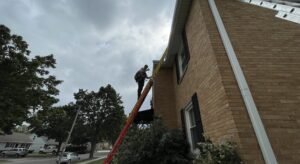
At Skedaddle Humane Wildlife Control, our expert technicians specialize in safely removing animals and securing your home to prevent re-entry. With proven techniques and a commitment to humane practices, we not only resolve the immediate issue but also provide long-term protection for your property. Contact us today to schedule your inspection and get fast, humane wildlife control you can trust.
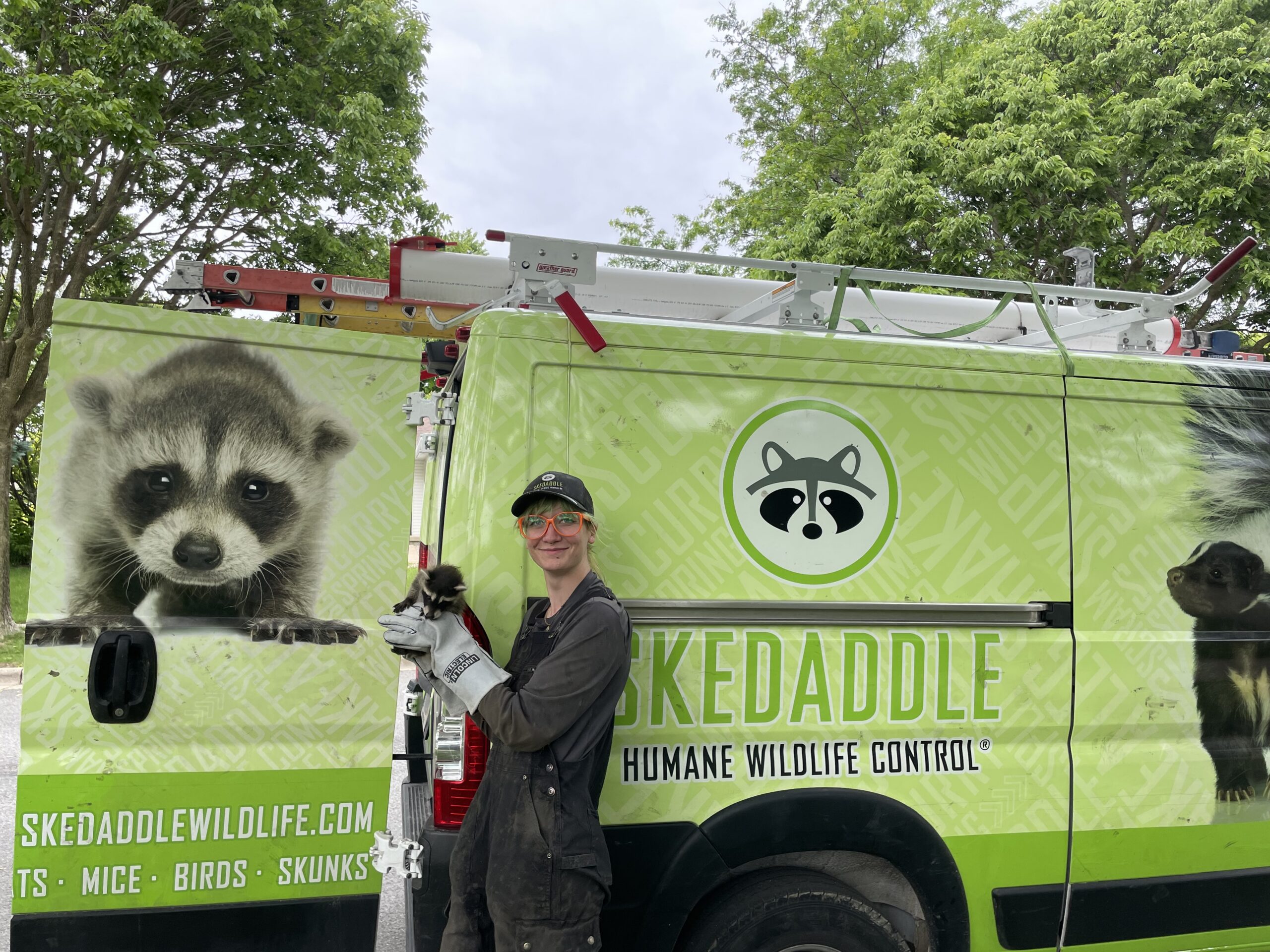
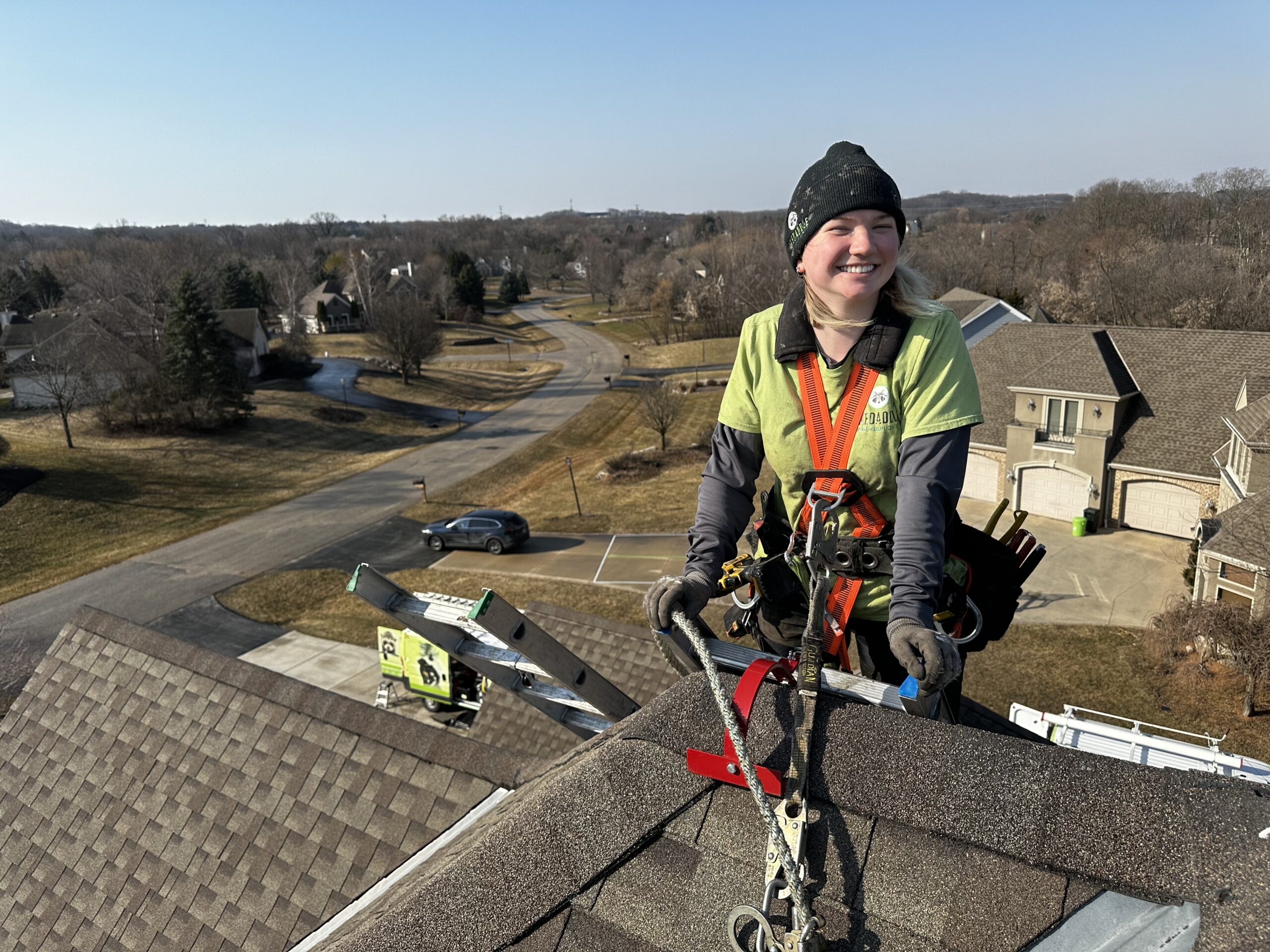
Wildlife Problems Affecting Milwaukee Residents
Milwaukee and the surrounding areas, including Madison and Waukesha, offer an ideal environment for many wildlife species. With a mix of urban development, green spaces, and seasonal climate shifts, animals frequently seek shelter in homes and commercial buildings.
As technicians working daily in these communities, we commonly encounter:
- Mice and rats enter through small gaps and nest in walls or basements
- Raccoons breaking into attics to raise their young
- Squirrels chewing through roofing and soffits
- Bats roosting in attics and wall cavities
- Birds nesting in vents and chimneys
- Skunks burrowing under decks, porches, and sheds
Many of these animals are not just a nuisance; they can cause structural damage and pose serious health risks. Local properties often have multiple potential entry points, especially older homes or buildings near wooded areas.
How Wildlife Behavior Changes Throughout the Year
Wildlife activity changes dramatically throughout the year in Wisconsin. Understanding these patterns helps explain why infestations occur and why timing is critical for humane removal.
Milwaukee Fall Wildlife Prevention Before Winter Off the Lake
As fall brings colder air off Lake Michigan, Milwaukee’s wildlife starts preparing for winter. Mice and rats move indoors through small openings, squirrels look for a warm attic to nest in, raccoons search for winter dens, and skunks dig in beneath decks, porches and sheds. Homes with mature trees, alleys and nearby parks, from the city out to Wauwatosa, West Allis and Greenfield, give animals plenty of routes to rooflines and foundations. Homeowners often notice scratching in the walls or ceiling, chewed vents and droppings in garages and basements as the nights get colder.
Animals that get inside in the fall usually stay through the winter, damaging insulation, chewing wiring and contaminating attic spaces. Skedaddle’s humane wildlife control in Milwaukee starts with a full inspection of rooflines, vents and foundations, then removes animals safely, cleans affected areas and seals entry points before the snow arrives.
Winter: Hidden but Active
Even during the harsh winters in Wisconsin, wildlife problems do not disappear, they simply shift indoors. Rodents remain highly active within walls, basements, and attics, continuing to search for food and nesting materials. Raccoons and skunks typically stay in their dens but may emerge during warmer periods, while squirrels remain active in attic spaces throughout the season. Bats often enter a state of hibernation in quiet, undisturbed areas of a home. Because wildlife activity is less visible outside, infestations can easily go unnoticed, allowing damage to continue behind the scenes until more obvious signs appear.
Spring: The Start of Baby Season
Spring is one of the busiest times for wildlife issues as animals actively search for safe, warm places to give birth and raise their young. During this season, raccoons and skunks commonly establish dens beneath decks or inside attics, while squirrels seek out sheltered areas like soffits and rooflines to build their nests. Birds are also highly active, often choosing vents and chimneys as ideal nesting locations. At the same time, mice and rats begin reproducing rapidly indoors, taking advantage of accessible food and shelter.
Because many animals are caring for their young in the spring, wildlife removal must be handled with extra care to avoid separating mothers from their babies. Our Skedaddle technicians are trained to locate nesting sites, safely remove and reunite families, and then secure entry points to prevent future infestations.
Milwaukee Summer Wildlife Prevention Around Homes, Garages and Lakefront Areas
Milwaukee’s summer season can bring more wildlife activity around residential neighbourhoods, especially near parks, mature trees, alleys and lakefront areas. Raccoons may investigate chimneys and roof vents, squirrels can access attics from nearby branches, birds and bats may use gaps around soffits, and mice or rats can enter through foundations, garages and utility openings. Homeowners may notice droppings, scratching sounds, chewed materials, damaged vent covers or strong odours. Warm weather can also make outdoor food sources, unsecured garbage and cluttered storage areas more attractive to wildlife.
Protecting your Milwaukee home starts with reducing attractants and inspecting the exterior before animals settle inside. Skedaddle’s humane wildlife removal in Milwaukee helps homeowners address active issues with safe removal, thorough cleanup and prevention. By sealing access points and reinforcing vulnerable areas, our team helps reduce the risk of recurring wildlife problems throughout summer and into the cooler months.
Why Choose Skedaddle in Milwaukee?
When dealing with wildlife, experience and approach matter. Our technicians don’t just remove animals, we solve the root of the problem to prevent it from happening again.
Here’s why homeowners and businesses trust Skedaddle:
- Humane methods that prioritize animal welfare
- No poisons or harmful traps are used on your property
- Thorough property assessments to identify all entry points
- Long-term prevention solutions, not temporary fixes
- Highly trained technicians with local wildlife expertise
- Clean-up and restoration services to repair damage
We understand the behavior of Wisconsin wildlife and tailor every solution to the specific species and situation.

Our Humane Process
At Skedaddle, we believe wildlife removal should be both effective and ethical. Our process is designed to remove animals safely while ensuring they cannot return.
Step 1. Detailed Inspection
We conduct a full inspection of your property to identify entry points, nesting areas, and signs of activity.
Step 2. Safe Removal Using One-Way Doors
We install specially designed one-way doors that allow animals to exit your home, but prevent them from getting back in.
This method ensures:
- Animals leave safely on their own
- No trapping or relocation stress
- Families are kept together whenever possible
Step 3: Securing Entry Points
Once the animals are out, we seal all access points using durable materials to prevent re-entry.
Step 4: Clean-Up and Decontamination
Wildlife can leave behind harmful contaminants. We remove:
- Droppings and urine-soaked materials
- Damaged insulation
- Nesting debris
We then sanitize and restore affected areas to protect your health and property, leaving the home or business in a far better state than when we arrived.

Local Health and Safety Risks
Wildlife infestations are more than just inconvenient, they can pose serious risks to your family, employees, and property. In cities like Milwaukee, as well as surrounding areas such as Madison and Waukesha, these risks are something we address regularly as part of our work in homes and commercial buildings.
Disease transmission: One of the most significant concerns is disease transmission from droppings and urine. Animals such as mice, rats, and raccoons often leave waste behind in attics, walls, and insulation. This contamination can carry harmful pathogens, including hantavirus and leptospirosis, which may become airborne when disturbed. Even routine activities like cleaning or HVAC airflow can spread these particles throughout your home or workplace, increasing the risk of exposure.
Rabies risk: Another major issue is the risk of rabies, particularly from animals like raccoons, bats, and skunks. While not all wildlife carries rabies, these species are known carriers, and even a minor bite or scratch can pose a serious health threat. In some cases, simply handling an animal or coming into contact with contaminated surfaces can be enough to require medical evaluation. This is why direct interaction with wildlife should always be avoided and handled by trained professionals.
Parasites: Wildlife infestations can also introduce parasites such as fleas, ticks, and mites into your property. These parasites often travel on animals and quickly spread into living spaces, attaching themselves to pets and humans. Once inside, they can be difficult to eliminate and may carry additional diseases. Even after the animals are gone, these pests can remain behind, continuing to create health concerns if proper clean-up is not completed.
Fire hazards: There is also a serious fire hazard associated with rodents, particularly mice and rats. These animals have a constant need to chew and will gnaw on electrical wiring inside walls and ceilings. Over time, this can strip insulation from wires, increasing the risk of short circuits and electrical fires. In many cases, homeowners are unaware of the damage until it becomes a costly or dangerous problem.
Air quality issues: Finally, air quality issues caused by contaminated insulation are a common concern in properties affected by wildlife. Nesting materials, droppings, and urine can saturate insulation, leading to persistent odors and the circulation of harmful particles through your ventilation system. This can aggravate allergies, trigger respiratory issues, and create an unhealthy indoor environment, especially for children, seniors, or individuals with pre-existing conditions.
Even a small infestation can quickly escalate into a much larger health and safety issue if it is not addressed properly. That’s why professional intervention from experienced technicians is essential to fully remove the animals, clean and restore affected areas, and prevent future problems.
Protect Your Milwaukee Property Today
Wildlife problems don’t resolve themselves, and waiting often leads to more damage, higher costs, and greater risks.
At Skedaddle Humane Wildlife Control, our experienced technicians are ready to help you reclaim your space with safe, humane, and long-lasting solutions. We’re here to provide expert care you can trust.
Call Skedaddle today or request a quote online to schedule your wildlife inspection and take the first step toward a wildlife-free home or business.
Discover More Wildlife Control Insights
Spring Is Here: How to Wildlife-Proof Your Backyard Before Animals Move In
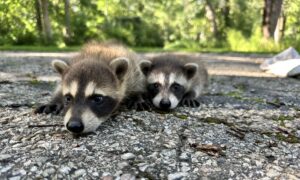
Spring Prevention: How To Protect Your Home From Raccoons