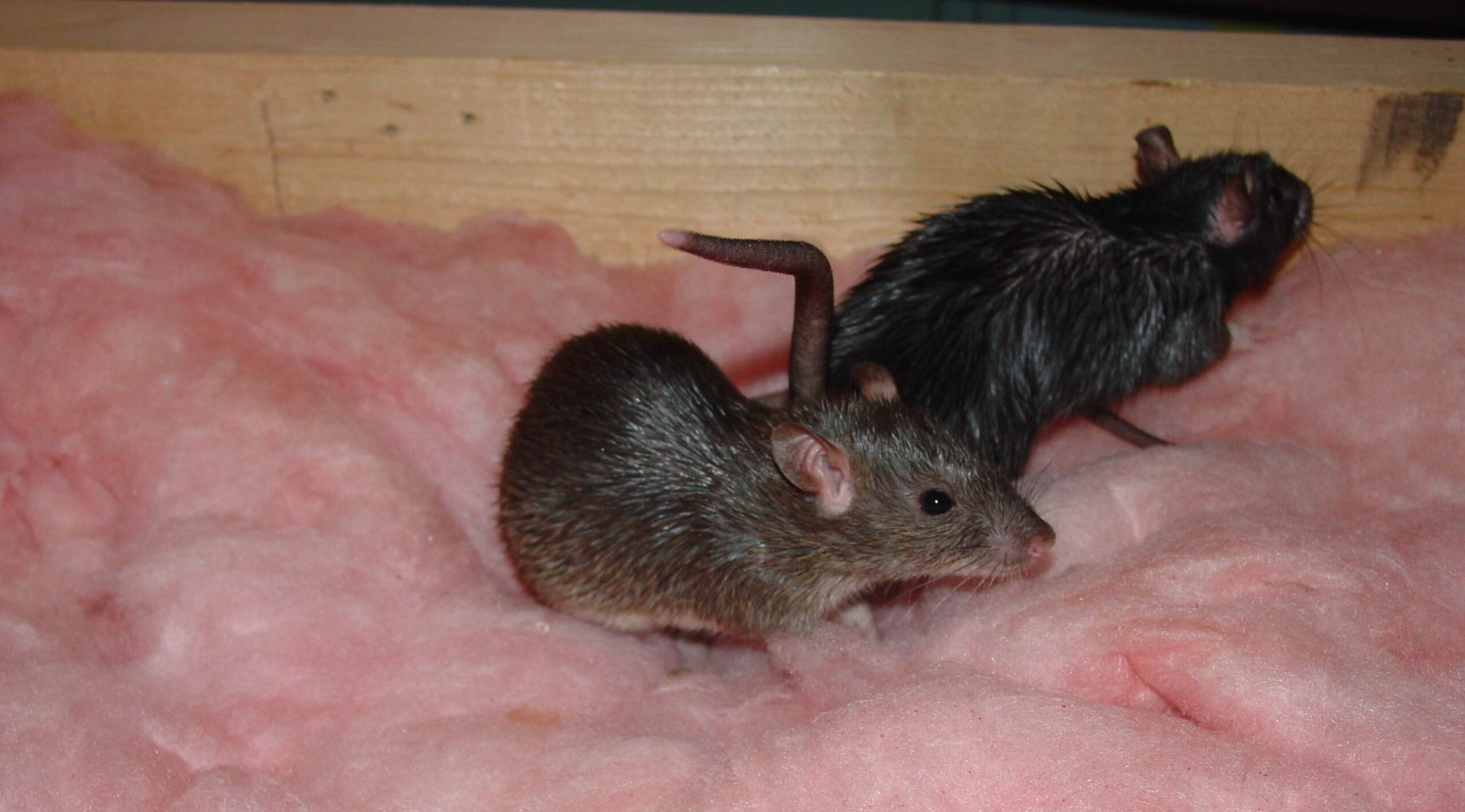
Common summer habits like leaving out unsecured garbage, open compost bins, pet or bird food, standing water, and fallen fruit give rats the food, water, and shelter they need. To keep your property safe, we at Skedaddle Humane Wildlife Control in Milwaukee remove the problem and seal your home so rats can’t get back in.
Summer should be all about cookouts, gardening, and warm nights outside. But some of your everyday summer habits may be quietly rolling out the welcome mat for rats. The good news? Once you know what draws them in, you can fix it fast. The even better news? You don’t have to deal with these animals yourself.
In this blog, we’ll walk you through the summer habits that may be attracting rats to your property. You’ll learn what these animals are looking for, which yard features make your home a target, and how we at Skedaddle Humane Wildlife Control in Milwaukee step in to handle the work for you. We’ll cover unsecured compost bins, outdoor food, standing water, messy gardens, fallen fruit, and how our team keeps these rodents out for good.
These animals want three simple things: food, water, and a safe place to hide. When your summer routine gives them all three, they move in and multiply fast. A single female can have several litters a year, so one rat often means many more are already close by. That’s why acting early matters. And if you spot signs of rats, please don’t touch droppings or try to remove the animals on your own. They can carry diseases, so the safest move is to call us right away.
Below, we break down the most common summer habits and explain what you can do to take back your space.
What attracts rats to your yard?
Rats are drawn to your yard when it offers easy food, water, and shelter. In summer, your habits often hand them all three without you knowing it. Decaying scraps in compost, leftovers from a barbecue, standing water in birdbaths, and tall garden clutter all act like a giant invitation.
Rats are smart and quick. They can squeeze through tiny gaps, climb fences, and chew through weak materials. Once they find a steady meal and a hidden spot to nest, they settle in and breed. The longer they stay, the closer they get to finding a way inside your home.
That’s where we come in. When our team visits your property, we look for the exact things pulling these animals in. Then we remove them safely and seal the weak spots so they can’t return.
Unsecured Compost Bins
Compost is great for your garden, but an open or weak compost bin is like a free buffet. The smell of rotting food scraps and vegetable peels travels far and draws rats from all around. Once they find this steady meal, they build their nests close by.
Here are the compost problems we see most often during summer:
- Loose or Missing Lids: An open compost bin without a secure lid allows smells to escape freely, which quickly attracts pests. These rodents are particularly drawn to the strong scent of decaying food. Without a lid in place, the bin also becomes an easy entry point for these animals. Adding a tight-fitting, sturdy lid helps contain odors and keeps pests out.
- No Bottom Barrier: Compost bins placed directly on soil create an accessible pathway for rats to burrow up from below. This makes it easy for them to reach the food scraps inside. Installing a wire mesh barrier at the bottom of the bin provides an effective block against burrowing. A securely installed barrier also discourages these rodents from nesting nearby.
- Chewed Plastic Bins: Plastic compost bins may seem secure, but determined rats can gnaw through weak or thin areas. Once they create a hole, the entire bin becomes exposed, making it impossible to keep pests away. Reinforced or more durable bins, especially those with metal lining, are better at preventing this issue.
- Food Scraps Piled on Top: Placing food scraps on an open pile creates a strong, enticing smell that signals rats nearby. This habit essentially provides an open invitation to pests looking for an easy meal. Properly turning scraps into the compost bin or using a bin with a lid reduces these attractive smells and keeps pests at bay.
Our team knows the signs of feeding activity. We secure the area so rodents can’t reach the food, taking the heavy lifting off your plate.
Cookouts and Pet Feeding
Backyard barbecues are a summer staple, but leftover food is a magnet for rats. Crumbs, dropped buns, and greasy spills give these animals an easy snack. Bird feeders and pet bowls left outside make the problem worse.
Pay attention to these common summer feeding habits:
- Leftover Barbecue Food: Bits of food left behind on the grill or patio after a barbecue event are a major draw for rodents. Even the tiniest crumbs can become an ongoing food source, encouraging regular visits. Cleaning up thoroughly after cooking outdoors, including wiping down greasy surfaces, is crucial. Keeping grills covered when not in use adds another layer of protection against unwanted pests.
- Pet Food Left Outdoors: Bowls of pet food left outside overnight act as an open buffet for rodents searching for an easy meal. Both dry kibble and wet food can attract rodents, especially when left uncovered. Storing pet food in chew-proof, airtight containers can cut off access to this inviting food source. Always ensure pet bowls are emptied and cleaned after every use, particularly before nightfall.
- Bird Feeders: Dropped seeds from bird feeders don’t just attract birds—they also provide rats with a steady supply of food. Seed that scatters on the ground is readily accessible, making rodents more likely to linger in the area. If infestations become a problem, pausing bird feeding while addressing the issue may be necessary. Adjustments like seed-catching trays or repositioning feeders can help limit access to rats.
- Open Trash Bins: Trash bins without tight-fitting lids are one of the easiest food sources for rodents to exploit. Rotting food scraps and other waste act as a feast, especially when the containers are left open or overflowing. Using bins with tight-sealing, rust-resistant lids can effectively block access. Regularly cleaning and disinfecting trash bins will also reduce lingering odors that attract pests.
When we inspect your yard, we find these feeding spots and help shut them down so rats lose their easy meals.
Standing Water
Rats need water as much as food, and hot summer weather sends them looking for it. Your yard may offer more water sources than you think. Even a small puddle can keep a rat coming back day after day.
Standing water shows up in more places than you’d expect. A leaky outdoor faucet or hose can create steady puddles that rodents rely on. Birdbaths that sit low to the ground are easy for these climbers to reach. Rain barrels without tight lids and clogged gutters that hold water also serve as reliable drinking spots.
Plant saucers, buckets, and upturned pots can collect rainwater too. These small pools are often overlooked but still give rats what they need to survive. When our technicians assess your property, we point out these hidden water sources and help you address them as part of a long-term plan.
Messy Gardens and Clutter
A messy yard gives rats the perfect place to hide and nest. They love dark, quiet spots where they can stay out of sight. Tall grass, leaf piles, and overgrown plants all offer cover.
These are the clutter problems we run into most:
- Leaf and Grass Piles: Piles of leaves or grass that are left out overnight offer rats a warm and hidden place to create nests. These piles not only provide shelter but also create an ideal spot for rodents to avoid predators and harsh weather. Cleaning up yard debris immediately after finishing yard work is a simple way to remove these hiding places. Compost bins should also be monitored closely to ensure they are secure and properly maintained.
- Overgrown Ivy and Shrubs: Thick ivy, shrubs, and groundcover provide excellent hiding places for rodents because they keep the soil beneath warm and shielded. These overgrown plants also make it easier for rodents to build nests and raise their young undisturbed. Regular trimming of ivy and shrubs, along with removing any excess growth, helps minimize these inviting spaces. Maintaining clear visibility around the base of plants ensures rats have fewer opportunities to remain hidden.
- Firewood and Rock Piles: Gaps between logs and stones in firewood and rock piles create natural shelters for rodents. These piles become even more problematic when placed directly against a house, as they act as a bridge, giving rodents easier access to your foundation. Store firewood at least a foot off the ground and keep it away from the sides of buildings to reduce risk. Similarly, rearranging rocks or limiting decorative rock piles can help deter pests from settling near your home.
- Stored Clutter: Items such as old pots, boxes, and unused tools lying around a yard provide rats with dark, undisturbed areas to hide. Even small amounts of clutter can create safe zones for rodents to remain unseen during the day. Keeping these items organized, raised off the ground, and away from walls can eliminate many hiding places. Proper storage practices not only improve the appearance of your yard but also make the area less appealing to pests.
We inspect these areas closely, find the burrows and travel paths rodents use, and set up professional solutions to keep them away from your home.
Unswept Fallen Fruit
Fruit and nut trees are a lovely part of any yard, but the fruit on the ground is a serious draw. Rotting apples, peaches, and plums give off a sweet smell that rats can’t resist. Nuts like walnuts and acorns make energy-rich snacks too.
Low-hanging branches add to the problem. Rats are skilled climbers, and branches that hang near the ground or touch fences act like a ladder. This gives them easy access to fruit still growing on the tree, plus a path toward your roof.
When rats find this kind of steady food, they nest nearby and stay. Our team spots these draws during an inspection and helps create a plan that keeps your trees from becoming a feeding ground.
Dealing with Rat Challenges in Milwaukee
Milwaukee’s mix of older residential neighborhoods, mature tree canopies, and proximity to Lake Michigan and the Milwaukee River creates ideal conditions for rat activity. Dense urban blocks mean rodents can travel easily between properties, and older homes often have aging foundations, deteriorating soffits, and gaps around utility lines that give these animals easy access. Once a rat finds a reliable food source in one yard, it quickly spreads to neighboring properties.
Rats in Milwaukee cause serious damage to homes and structures. They chew through wood, wiring, insulation, and even plastic pipes, creating costly repairs and real fire hazards. Garages, basements, and crawl spaces are especially vulnerable, particularly in older homes common to Milwaukee’s established neighborhoods.
The health risks are just as serious. Rats carry diseases like leptospirosis and hantavirus that can spread to humans and pets through droppings, urine, and direct contact. Milwaukee’s warm, humid summers accelerate their breeding cycle, which means a small problem can become a significant infestation faster than most homeowners expect. Identifying attractants early and calling our professionals at the first sign of activity is the smartest way to protect your property and your family.
How Does Skedaddle Remove Rats and Keep Them Out?
At Skedaddle Humane Wildlife Control in Milwaukee, we handle the whole job so you don’t have to lift a finger. Our work starts with a careful inspection of your property. We look at your yard, compost, trees, water sources, and the outside of your home to find what’s drawing rats in and where they’re getting through.
Once we know the full picture, we use humane methods to remove the rats. One of our most effective tools is the one-way door. This lets rats leave your home on their own but blocks them from coming back in. After the animals are out, we seal the entry points with strong, long-lasting materials so the problem doesn’t return.
We never ask you to clean up droppings or handle the animals yourself. That work can be dangerous, and it’s exactly what our trained team is here for. From start to finish, we focus on safe removal and lasting prevention, all backed by our experience and care.
Frequently Asked Questions
Does seeing one rat mean there are more?
Yes. Rats are social animals that live in groups and breed quickly. Spotting one, especially during the day, usually means a larger family is nesting nearby. Ignoring this can lead to a greater infestation over time, so it’s important to address the issue quickly.
Should I clean up rat droppings myself?
No. Droppings can carry diseases that are harmful to people and pets, such as leptospirosis and hantavirus. It's best to leave the area undisturbed and call our professionals who have the proper tools and protective gear. This ensures the droppings are removed safely, reducing health risks in your home.
Do bird feeders really attract rats?
Yes. Bird feeders can be a major source of food for rats, as seeds that fall to the ground are an easy and nutritious meal for them. To avoid attracting rats, it’s wise to pause the use of bird feeders until your property is secure. Alternatively, ensure feeders and the surrounding area are regularly cleaned to prevent buildup.
How quickly can rats become a problem in summer?
Very quickly. Warm weather accelerates their breeding cycle, and with a steady food and water source, a few rats can multiply rapidly. Within a few months, what starts as a small problem can turn into a full-blown infestation. Early intervention is critical to minimize damage and health risks.
What does Skedaddle do that I can't do on my own?
We safely remove the animals, install one-way doors, and seal entry points with durable materials to prevent re-entry. Our team is professionally trained to handle the risks associated with rat removal, ensuring the job is done effectively. We focus on long-term solutions that safeguard your home and prevent future infestations.
Take Back Your Yard This Summer
Your summer should be spent enjoying your home and yard, not worrying about rats. These pests are usually attracted by simple things like open compost bins, food scraps left outside, standing water, messy gardens, or fallen fruit. By addressing these issues early, you can reduce the chances of attracting rats and other wildlife to your property. However, dealing with a rat problem can feel overwhelming. That’s where we come in.
At Skedaddle Humane Wildlife Control in Milwaukee, we make it easy for you. Our team will carefully inspect your property to find where rats are getting in and identify the areas that need attention. We’ll humanely remove the animals using one-way doors to ensure they can’t get back inside. Then we’ll seal up the entry points, so your home is secure. You won’t have to lift a finger, we’ll handle everything for you.
Protecting your home and family is essential, especially during the summer months when you want to relax and enjoy your space. Request a free estimate today and see how we can help keep your property safe, clean, and rat-free. With our expert team, you’ll have the peace of mind you deserve all season long.

 Loading...







