








RAT REMOVAL PROCESS

Assess and Remove
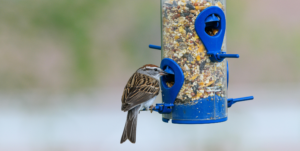
Skedaddle begins with a detailed 35-point inspection to identify rat activity, nesting areas, travel routes, and entry points. Technicians may use thermal imaging to locate hidden movement and install one-way doors where appropriate, allowing rats to leave while preventing them from returning.

Clear and Clean
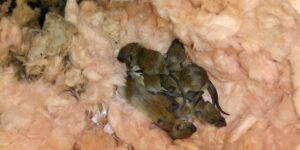
After removal, Skedaddle clears contaminated nesting materials and decontaminates affected areas to reduce bacteria, odours, parasites, and other health concerns. Pheromone traces are also removed to discourage new rats from following established scent trails, helping create a cleaner, safer environment for occupants and pets.

Prevent and Protect
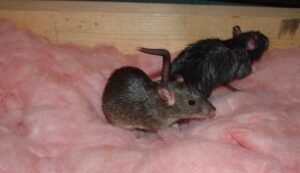
Skedaddle reinforces vulnerable openings with durable galvanized steel screening and other proven exclusion materials. This comprehensive rat-proofing process helps secure foundations, vents, rooflines, utility gaps, and other access points, providing long-term protection and reducing the likelihood of future infestations on the property.
Protect your property with professional, humane rat removal that addresses active infestations, contamination, entry points, and the conditions encouraging rats to return. With over 30 years in wildlife control, Skedaddle serves Port Credit, Streetsville, Erin Mills, Meadowvale, and Lakeview, with serviced entry points backed by a lifetime guarantee.
Mississauga combines dense residential neighbourhoods, busy commercial areas, older buildings, ongoing construction, and an extensive network of parks, ravines, creeks, and waterfront spaces. The Credit River corridor, Erindale Park, Riverwood, and the Lake Ontario shoreline give rats access to water, shelter, and travel routes near developed areas. Once food waste, pet food, compost, loading areas, damaged foundations, or utility gaps become available, rats may move from outdoor hiding places into basements, wall voids, garages, restaurants, warehouses, and multi-unit buildings. Owners may first notice droppings, gnaw marks, burrows, greasy rub marks, or scratching after dark.
Rat Removal and Control in Mississauga
Rat removal in Mississauga should address both the animals inside a building and the access points supporting the infestation. Skedaddle begins by inspecting the property for droppings, nesting areas, travel routes, structural gaps, and sanitation concerns. Our team removes rats, cleans contaminated areas where required, and seals vulnerable openings with durable materials designed to resist gnawing. This integrated approach helps protect homes and businesses from health concerns, property damage, and repeat activity, with qualifying exclusion work covered by a lifetime guarantee.

What Are Rats Doing Throughout the Year?
Rat behaviour changes with Mississauga’s seasons, but activity can continue year-round. Breeding, food availability, temperature, and access to shelter influence where rats nest and how likely they are to enter homes and businesses.
Summer: Food and Water Support Population Growth
Summer provides rats with abundant food, water, vegetation, and shelter. Garbage, compost, birdseed, pet food, restaurant waste, and outdoor dining areas can support growing populations across Mississauga.
Rats may burrow beneath decks, sheds, gardens, and garages or enter buildings through damaged vents, foundation gaps, open doors, and spaces around pipes. Addressing outdoor activity during summer can help prevent rats from moving indoors when temperatures fall.

Fall: Rats Begin Moving Indoors
As temperatures cool and natural food sources decline, rats search for warm, protected nesting areas. Basements, garages, warehouses, crawl spaces, and wall voids can offer shelter. Scratching sounds, droppings, damaged packaging, and greasy rub marks may become more noticeable.
Winter: Indoor Activity Continues
Rats that enter heated buildings can remain active and continue breeding throughout winter. They often nest near insulation, appliances, plumbing, and stored belongings. Indoor infestations may go unnoticed until occupants discover droppings, odours, gnaw damage, or movement inside walls and ceilings.
Spring: Breeding and Nesting Increase
Warmer temperatures bring increased movement and breeding. Rats may build nests beneath decks, inside sheds, near foundations, or within wall voids. Fresh burrows, droppings, gnaw marks, and nighttime scratching can indicate that a population is becoming established nearby.
Why Rats Find Local Properties So Appealing
Mississauga’s combination of Lake Ontario shoreline, the Credit River, Cooksville Creek, parks, stormwater systems, established neighbourhoods, and dense commercial development creates ideal conditions for rats. Like all wildlife, rats need three basic resources to survive: food, water, and shelter. Residential garbage, compost, birdseed, pet food, restaurant waste, and poorly secured dumpsters can provide dependable meals. Creeks, drainage systems, outdoor water sources, and leaking pipes supply moisture. Meanwhile, decks, sheds, garages, basements, wall voids, sewers, and landscaped areas offer protection from weather and predators.
Construction and redevelopment can also disturb existing burrows, pushing rats into nearby homes and businesses in areas such as Port Credit, Cooksville, Streetsville, Erin Mills, and Meadowvale.
- Easy access to food: Unsecured garbage, compost, bird feeders, pet food, and commercial waste can support nearby rat populations.
- Water throughout the city: Creeks, storm drains, shorelines, leaking plumbing, and standing water provide reliable hydration.
- Protected nesting areas: Rats may shelter beneath decks, sheds, porches, landscaping, foundations, and stored materials.
- Warm indoor spaces: Basements, wall voids, utility rooms, warehouses, and garages provide thermal protection during cold weather.
- Structural vulnerabilities: Gaps around pipes, damaged vents, foundation cracks, worn door seals, and utility openings allow rats to enter buildings.
What to Watch For
Early signs of rat activity include dark droppings, gnawed food packaging, greasy smudge marks along walls, shredded nesting material, and scratching sounds after dark. Outdoors, watch for burrows near foundations, sheds, decks, gardens, dumpsters, or retaining walls. Detecting these warning signs early can help limit contamination, structural damage, and population growth.
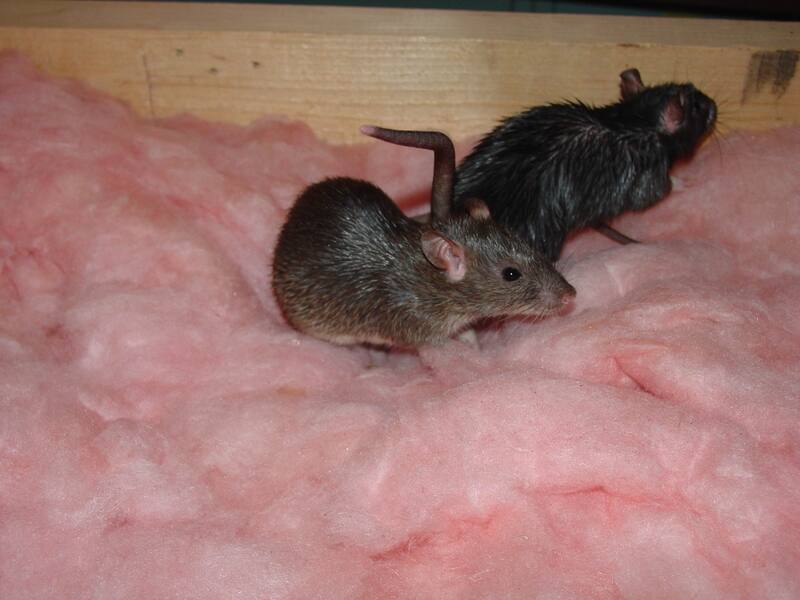
Signs Rats May Be Living on Your Property
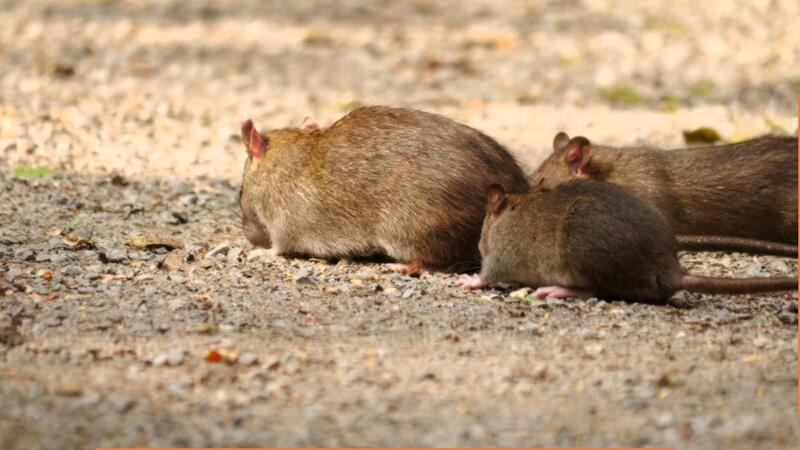
Recognizing the early signs of rat activity can help reduce contamination, property damage, and the risk of an infestation becoming established.
- Droppings: Rat droppings are dark, capsule-shaped, and often appear near food storage areas, along walls, beneath sinks, or inside cupboards and drawers.
- Gnaw damage: Gnaw marks on wood, plastic, wiring, food containers, or drywall can indicate rats are feeding, travelling, or maintaining their teeth.
- Greasy smudge marks: Greasy rub marks or smudges along baseboards, pipes, walls, and entry points develop as rats repeatedly follow the same travel routes.
- Noises after dark: Scratching, squeaking, or scurrying sounds at night may come from wall voids, ceilings, attics, basements, crawl spaces, or storage areas.
- Outdoor burrows: Burrows near foundations, decks, sheds, gardens, dumpsters, or retaining walls can reveal active nesting areas and well-established outdoor rat activity.
Seeing even one of these warning signs may indicate that more than one rat is present. A professional assessment can identify nesting areas, travel routes, food sources, and entry points before the problem grows.
Our Three-Step Humane Rat Removal Process
Skedaddle uses a proven three-step approach to resolve rat problems safely and thoroughly. Our process addresses active animals, contaminated areas, and structural vulnerabilities to help protect local homes and businesses from recurring infestations.
Step 1:
Our technicians complete a detailed 35-point inspection, using thermal imaging when needed to locate nesting areas, travel routes, and hidden activity. Humane removal methods, including one-way doors where appropriate, are then implemented. Most wildlife removals can be completed in one day, with customized solutions outlined in a written quote.
Step 2:
After removal, our team clears nesting materials and decontaminates affected areas to reduce bacteria, parasites, odours, and other health concerns. We also remove pheromone traces that may attract other rats, helping restore a cleaner, safer environment for the people and pets using the property.
Step 3:
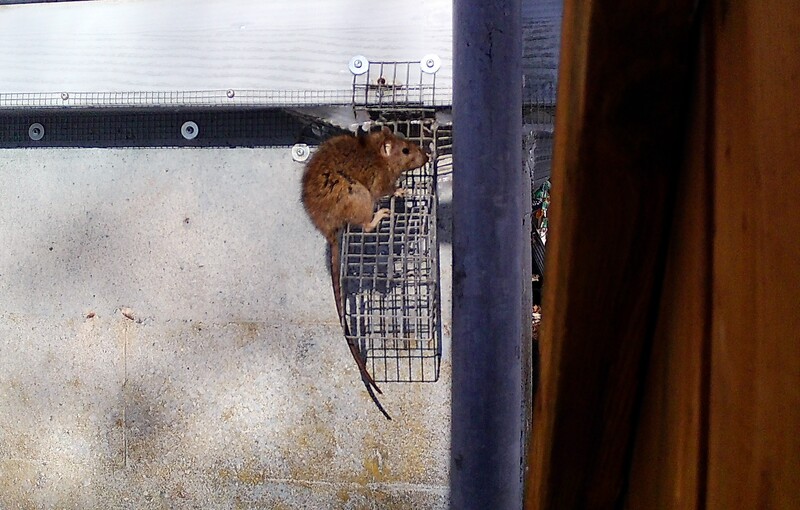
To help prevent rats from returning, Skedaddle seals vulnerable openings and reinforces potential entry points with durable galvanized steel screening. This comprehensive wildlife-proofing approach protects foundations, vents, rooflines, and utility gaps, providing long-term prevention rather than relying on temporary measures that fail to address the source.
Local Health and Safety Risks of Rat Infestations
Rats can create health and safety concerns when they nest inside Mississauga homes, restaurants, warehouses, and other buildings. Their waste may contaminate surfaces, stored items, insulation, and food-preparation areas. Because improper cleanup can spread contaminated particles, affected spaces should be assessed and treated carefully.
Disease Exposure
Rats may carry bacteria associated with illnesses such as leptospirosis and rat-bite fever. Exposure can occur through bites or contact with contaminated urine, saliva, food, water, or surfaces. Canadian public-health guidance identifies rats as important carriers of leptospirosis bacteria.
Airborne Contaminants
Sweeping or vacuuming dry droppings, urine, or nesting materials can disturb contaminated dust. Rodent waste should be disinfected and removed using appropriate protective procedures rather than handled with routine household cleaning methods.
Parasites
Rats can carry fleas, mites, and ticks into a building. These parasites may leave their host, spread through nesting areas, and create additional concerns for occupants and pets after rats have established themselves indoors.
Food and Surface Contamination
Rats travel through drains, garbage areas, wall voids, and other unsanitary environments before crossing counters, shelving, equipment, or stored goods. Droppings, urine, gnawing, and damaged packaging can make food unsafe and create serious sanitation concerns for homes and businesses.
Professional removal and decontamination help reduce exposure while addressing the source of the infestation.
Stop Rat Problems Before They Spread
Rat activity can quickly lead to contamination, property damage, and growing populations inside homes and businesses. If you have noticed droppings, scratching sounds, burrows, gnaw marks, or other warning signs, schedule a professional assessment with Skedaddle Humane Wildlife Control in Mississauga. Our experienced technicians will identify how rats are entering, remove them humanely, clean affected areas, and provide long-term wildlife-proofing solutions. Book your Mississauga rat removal assessment today and protect your property with help from a team backed by over 30 years of experience and a lifetime guarantee on qualifying exclusion work.