






Humane wildlife removal and prevention for Mississauga homes and businesses, backed by proven methods and local experience.
Skedaddle proudly serves neighbourhoods from Port Credit and Clarkson to Meadowvale, Streetsville, Erin Mills, Cooksville, Lakeview, and surrounding communities with trusted, humane wildlife control.
Mississauga’s mix of mature neighbourhoods, busy commercial areas, ravines, parks, waterfront properties, and newer subdivisions creates ideal conditions for wildlife activity. Homes near the Credit River, Lake Ontario shoreline, Rattray Marsh, Riverwood, and the city’s many green spaces may experience visits from raccoons, squirrels, skunks, bats, birds, mice, and rats. These animals are part of the local environment, but when they enter attics, chimneys, garages, vents, sheds, or wall spaces, they can cause stress and property damage. Skedaddle understands how wildlife moves through urban and suburban areas and provides humane removal, thorough cleanup, and long-term prevention designed for local properties.
Who should I call for humane wildlife removal in Mississauga?
Skedaddle Humane Wildlife Control provides professional wildlife removal in Mississauga using humane exclusion, careful cleanup, and prevention methods that help protect homes and businesses from future wildlife problems.

Wildlife Issues Mississauga Property Owners Often Notice First
Changing seasons have a direct impact on wildlife behaviour around homes and businesses. Cold winters encourage mice, rats, squirrels, and raccoons to look for warm shelter, while spring and summer bring nesting, mating, and baby season activity. Older homes in areas like Port Credit, Cooksville, and Streetsville may have aging rooflines, vents, chimneys, soffits, and foundations that create easy access points. Newer subdivisions in Erin Mills, Meadowvale, and Churchill Meadows can also attract wildlife as construction, landscaping, and nearby green spaces shift animal movement. With ravines, parks, creeks, and the Lake Ontario shoreline close to many neighbourhoods, animals often find food, shelter, and safe travel routes near residential and commercial properties.
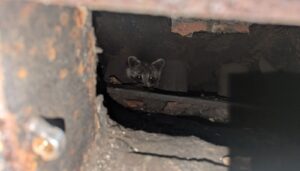
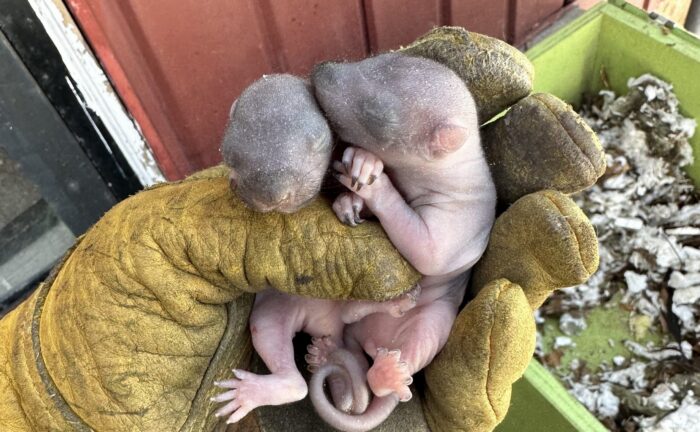
- Raccoons: Raccoons often enter attics, chimneys, garages, and roof vents, especially when females are searching for safe nesting areas for their young.
- Squirrels: Squirrels can chew through soffits, fascia, vents, and roof edges, creating noise, nesting material, and potential damage in attic spaces.
- Bats: Bats may roost behind siding, under rooflines, in vents, or inside attics, often becoming noticeable when seen flying at dusk.
- Mice and rats: Rodents squeeze through small gaps near foundations, garages, utility lines, and basements, where they can nest, chew, and contaminate surfaces.
- Skunks and birds: Skunks commonly den under decks, sheds, and porches, while birds may nest in vents, signs, rooflines, and commercial building features.
Wildlife concerns are easier to solve when they are addressed early. A small opening, occasional scratching sound, or minor droppings can quickly turn into a larger issue once animals begin nesting, reproducing, contaminating insulation, chewing wires or building materials, or creating more entry points. Calling Skedaddle at the first sign of activity helps protect your property and reduce the risk of more costly repairs later.
Seasonal Wildlife Activity Across Mississauga
Mississauga Summer Wildlife Protection for Homes, Garages and Rooflines
Mississauga’s summer season can bring more wildlife activity around homes in established neighbourhoods, newer subdivisions and properties near parks, creeks or wooded areas. Raccoons may look for openings around chimneys, vents and soffits, squirrels can enter through roof gaps, and skunks may dig under decks or sheds. Mice and rats may become more active around garages, foundations and outdoor waste areas when food sources are easy to access. Homeowners may notice noises in the attic, droppings, chewed materials, damaged vents or strong odours. Seasonal prevention should include securing garbage, trimming branches, inspecting rooflines and sealing small gaps before animals move in.
Skedaddle’s humane wildlife control in Mississauga helps homeowners remove wildlife safely and protect their homes long term. Our team focuses on the full solution: identifying entry points, cleaning affected spaces and installing prevention measures that help keep wildlife outside during the summer months.
Fall: Searching for Shelter Before Cold Weather
As cooler air arrives, wildlife begins preparing for winter. Squirrels gather nesting material, rodents look for warm indoor spaces, and raccoons inspect rooflines, vents, and chimneys for shelter. Small gaps can quickly become entry points when animals are motivated by warmth and protection.
Winter: Warmth, Shelter, and Hidden Activity
During winter, wildlife activity may be less visible outside, but problems inside can become more noticeable. Mice and rats may nest in basements, garages, and wall voids, while raccoons or squirrels in attics can create scratching, thumping, or chewing sounds as they shelter from cold temperatures.
Spring: Nesting Season Begins
As temperatures rise, raccoons, squirrels, birds, skunks, and rodents become more active around neighbourhoods. Many animals are searching for safe nesting sites near food and water, which makes attics, chimneys, vents, sheds, and decks especially attractive. Properties near ravines, parks, and the Credit River may notice more movement as wildlife begins raising young.
Trusted Wildlife Control for Homes and Businesses
When wildlife gets into your property, Skedaddle provides humane removal, detailed cleanup, and long-term prevention designed for Mississauga’s neighbourhoods, building styles, and seasonal wildlife pressures.
- Humane methods first: Skedaddle focuses on safely removing wildlife without trapping, poisoning, or separating mothers from their young.
- Local property knowledge: Our team understands common entry points in older homes, newer subdivisions, townhomes, commercial buildings, and lakeside properties.
- Complete service: We do more than remove the animal. We clean affected areas, repair damage, and help prevent future entry.
- Long-term protection: Durable exclusion materials and detailed prevention work help protect your home or business beyond the first visit.
- Experienced technicians: Skedaddle technicians are trained to identify wildlife behaviour, nesting areas, contamination concerns, and hidden access points.
A Humane Wildlife Removal Process Built for Lasting Results
Skedaddle’s process is designed to solve the full wildlife problem, not just the immediate noise or damage. From inspection to prevention, every step focuses on safety, humane treatment, and protecting your property.
Step 1: Inspect and Remove
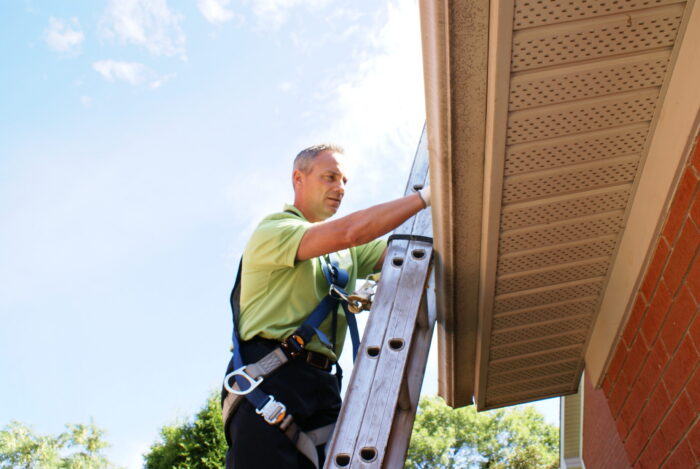
Our team begins with a detailed inspection of your home or business to identify the species involved, where animals are entering, and whether babies or nests are present. Technicians check rooflines, vents, chimneys, soffits, foundations, attics, crawl spaces, garages, and other vulnerable areas. Once the activity is understood, Skedaddle uses humane exclusion methods, such as one-way doors and hands-on removal when appropriate, to allow animals to leave safely while preventing them from getting back inside.
Step 2: Clear and Clean
After wildlife has been removed, the affected areas often need careful cleaning. Droppings, nesting materials, urine, food debris, and damage insulation can leave behind odours, bacteria, parasites, and pheromones that may attract other animals. Skedaddle’s technicians clean and decontaminate accessible areas to help restore a safer environment for your household, employees, or customers. This step is especially important in attics, crawl spaces, garages, vents, and commercial spaces where contamination can go unnoticed until the problem grows.
Step 3: Prevent and Protect
The final step focuses on keeping wildlife out for the long term. Skedaddle identifies and secures entry points using durable materials, including galvanized steel screening where appropriate, to protect vents, soffits, roof edges, foundation gaps, chimneys, and other vulnerable areas. Our team also looks for conditions that may attract wildlife, such as accessible garbage, loose building materials, open gaps, or nesting opportunities. By combining exclusion repairs with practical prevention guidance, Skedaddle helps property owners feel confident their wildlife issue has been properly addressed.

Health and Safety Concerns Linked to Wildlife
Wildlife inside a home or business can create concerns beyond the noise or visible damage. In properties, animals often move through attics, basements, wall voids, vents, crawl spaces, garages, sheds, and rooflines before the issue is discovered. Once inside, they may leave droppings, urine, nesting materials, food debris, parasites, and damaged insulation behind. Skedaddle helps property owners address these risks with humane removal, careful cleanup, and prevention that reduces the chance of the problem returning.
Disease Exposure
Raccoons, rodents, bats, birds, and skunks can leave waste behind that may contain harmful bacteria or pathogens. Professional cleanup helps reduce exposure risks.
Airborne Contaminants
Dry droppings, nesting debris, and soiled insulation can disturb indoor air quality when particles become airborne in enclosed spaces like attics or crawl spaces.
Parasites and Insects
Wildlife can introduce fleas, ticks, mites, lice, and other pests that may remain after the animal has left the property.
Attic and Structural Soiling
Urine, feces, nesting material, and chewed materials can damage insulation, stain surfaces, create odours, and make future wildlife activity more likely if not properly removed.
Protect Your Mississauga Property With Humane Wildlife Control
Skedaddle is committed to helping homeowners and businesses solve wildlife issues safely, humanely, and for the long term. From removal and cleanup to durable prevention, our local team is here to protect your property. Contact Skedaddle today to book a professional wildlife assessment.
Mississauga Insights
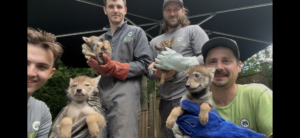
Six Coyote Pups Found Living Beneath Mississauga Deck
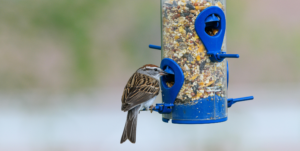
From Bird Feeders to Rat Feeders: The Summer Backyard Habit That Attracts More Than Birds