






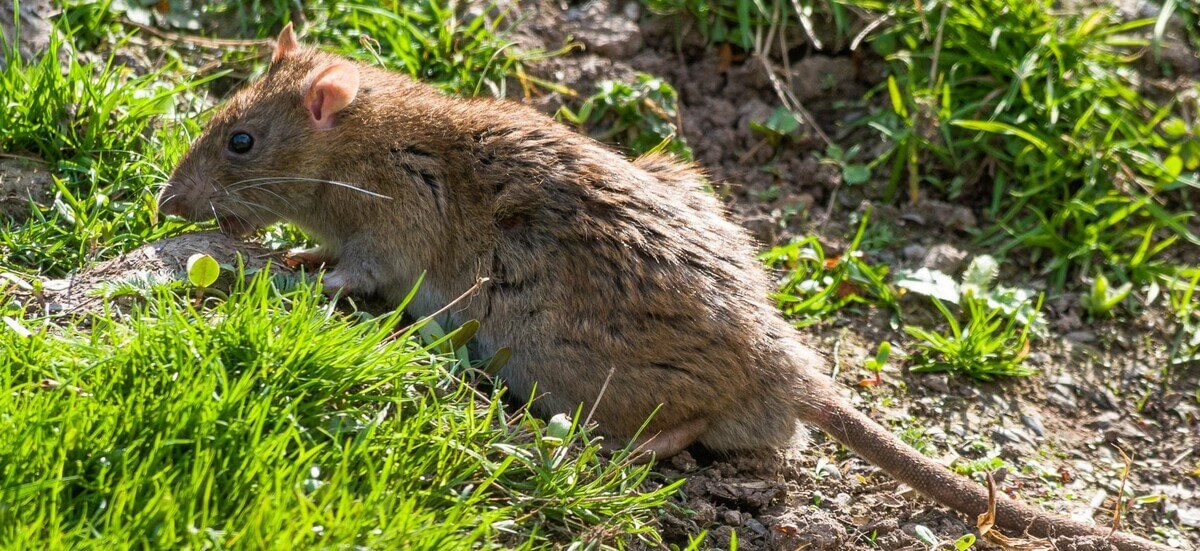


RAT REMOVAL PROCESS

Assess and Remove
Skedaddle begins with a detailed 35-point inspection, using thermal imaging to locate rat activity, nesting areas, and entry points. Where appropriate, one-way doors support humane removal by allowing rats to leave safely while helping prevent re-entry.

Clear and Clean
Rat activity can leave behind droppings, urine, nesting materials, odours, and pheromone trails that attract more rodents. Our cleaning process focuses on safe decontamination, pheromone removal, and reducing health risks for families, employees, customers, and pets.

Prevent and Protect
Long-term rat control depends on keeping them out. Skedaddle uses durable galvanized steel screening and professional rat-proofing techniques to secure vulnerable gaps around foundations, vents, utility lines, crawl spaces, garages, and other access points for lasting prevention.
When rats enter your home or business, Skedaddle provides professional, humane removal services that protect your property and family. For over 30 years, Skedaddle Humane Wildlife Control has helped homeowners and businesses in Oshawa resolve rat problems with proven methods, backed by our lifetime guarantee.
The city’s mix of established neighbourhoods, busy commercial corridors, waterfront areas, and green spaces creates ideal conditions for rats to search for food, shelter, and nesting sites. Homes near Lakeview Park, the Oshawa Creek trail system, and mature areas like O’Neill, Donevan, Samac, and Taunton may experience increased rat activity around sheds, garages, foundations, garbage storage, and restaurant or retail waste areas. As rats move between sewers, yards, construction zones, and buildings, property owners may notice scratching in walls, droppings in storage areas, chewed materials, or burrows near patios and foundations.
Skedaddle’ Prevention Strategies
Skedaddle’s rat removal and control services in Oshawa focus on identifying how rats are getting inside, removing attractants, excluding entry points, and protecting your home or business from future activity. Our technicians inspect vulnerable areas such as foundation gaps, vents, utility lines, garage doors, crawl spaces, and waste storage zones. We use humane, hands-on solutions and prevention strategies designed for properties, helping reduce health risks, property damage, and recurring infestations.

Rat Activity in Oshawa Throughout the Seasons
Rat activity changes with the seasons, but the need for food, shelter, and safe nesting spaces remains constant year-round. From spring breeding and summer population growth to fall shelter-seeking and winter indoor activity, rats adapt quickly to neighbourhood conditions. Properties near creeks, parks, older infrastructure, commercial waste areas, and dense residential streets may experience different levels of activity depending on the time of year.
Fall: Rats Look for Warm Shelter Across Oshawa
As temperatures drop in Oshawa, rats look for warm shelter and may enter through gaps around vents, utility lines, garage doors, crawl spaces, foundations and aging brickwork. Homes near Oshawa Creek, Lakeview Park and the Lake Ontario shoreline, and in neighbourhoods like O’Neill, Donevan, Samac and Taunton, often see activity increase as the weather turns. Fresh burrows near the foundation, droppings, greasy rub marks along walls, and scratching inside walls at night are all common signs.
Rats that get indoors in the fall can nest in wall voids, basements and attic insulation, contaminate stored food and chew wiring through the winter. Woodpiles, bird feeders and unsealed garbage bins near the house can draw them closer. Skedaddle’s humane rat control in Oshawa focuses on finding how rats are getting in, removing them, cleaning contaminated areas and sealing entry points before winter arrives.

Winter: Warmth Becomes the Priority
During the coldest months, rats rely on warmth, shelter, and steady food sources to survive. Instead of travelling long distances outdoors, they often stay close to heated buildings, basements, crawl spaces, wall voids, garages, storage rooms, and commercial waste areas. Homes with small structural gaps, damaged vents, or attached garages can provide the protection rats need from freezing temperatures, snow, and wind. Winter activity may be noticed through scratching sounds in walls or ceilings, droppings in storage areas, gnaw marks on insulation or wiring, and unusual pet behaviour near hidden spaces. Because rats can continue nesting and breeding indoors, winter sightings or sounds should be treated as a sign that professional assessment is needed.
Spring: Breeding Season Begins
As temperatures rise, rats become more active after winter and begin searching for food, water, and secure nesting areas. Spring often marks the start of increased breeding activity, which can cause populations to grow quickly if shelter and food sources are available. Garages, sheds, crawl spaces, decks, retaining walls, foundation gaps, and cluttered storage areas can all provide suitable nesting sites. Properties near creeks, ravines, parks, older neighbourhood infrastructure, and commercial corridors may see rats moving between outdoor burrows and nearby buildings. Homeowners may notice droppings, disturbed soil, chewed materials, or fresh runways through grass and landscaping. Addressing rat activity in spring helps prevent a larger summer infestation.
Summer: Food, Water, and Fast Population Growth
Summer is the most active season for rats because warm weather provides easy access to food, water, and shelter. Backyard barbecues, restaurant patios, green bins, compost, bird feeders, pet food, and waterfront activity near Lakeview Park can all create reliable feeding opportunities. Rats also breed quickly in summer, and young rats begin dispersing to find new nesting sites. This can lead them through laneways, yards, decks, sheds, garages, and commercial waste areas. Homes in the area may notice burrows along foundations, droppings near garbage storage, or gnaw marks around outdoor structures. Because summer conditions support rapid population growth, early prevention is essential.
Why Rats Feel Right at Home in Oshawa
Oshawa’s geography gives rats many of the resources they need to survive. With Lake Ontario to the south, Oshawa Creek running through the city, established residential neighbourhoods, busy commercial areas, and nearby agricultural land throughout the region, rats can easily find food, water, and shelter. Garbage storage, restaurant waste, birdseed, pet food, compost, and green bins provide reliable food sources, while creeks, drainage systems, and seasonal moisture offer access to water. For shelter, rats use sheds, garages, basements, crawl spaces, retaining walls, and gaps around older foundations. In neighbourhoods like O’Neill, Donevan, Samac, Taunton, and nearby Courtice, these conditions can allow rats to settle close to people.
- Easy food access: Green bins, unsecured garbage, compost, bird feeders, pet food, and commercial waste can keep rats returning nightly.
- Reliable water sources: Oshawa Creek, storm drains, low-lying yards, drainage ditches, and nearby waterfront areas help rats survive during dry periods.
- Structural vulnerabilities: Small gaps around foundations, vents, garage doors, utility lines, and aging brickwork give rats opportunities to enter.
- Thermal protection: Basements, crawl spaces, wall voids, sheds, and insulated garages offer warmth and safety during colder weather.
- Cover and nesting sites: Decks, overgrown landscaping, retaining walls, woodpiles, and cluttered storage areas provide hidden places to burrow and nest.
Early signs of rat activity can be easy to overlook. Watch for dark smudge marks along walls or foundation edges, small burrows near patios or sheds, droppings in garages, gnaw marks on wood or plastic, scratching sounds, and narrow runways through grass or landscaping.
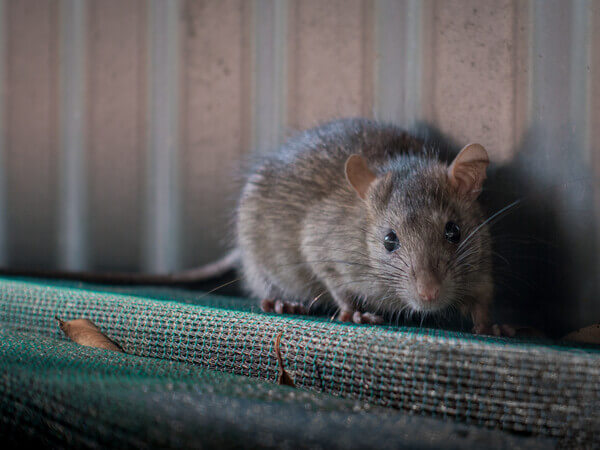
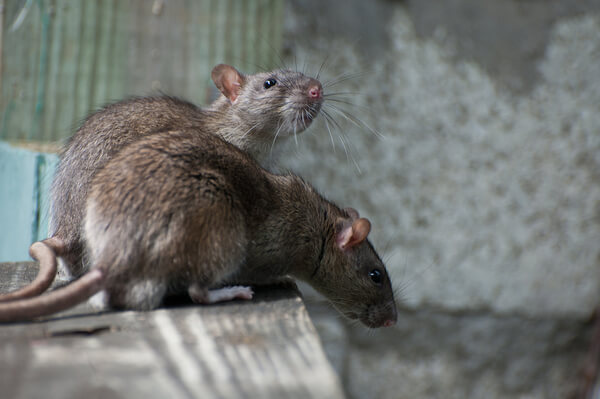
Subtle Clues That Rats Are Living Too Close for Comfort
Identifying rat activity early can help homeowners and businesses prevent property damage, contamination, and a growing infestation.
Droppings in hidden areas: Small, dark, pellet-shaped droppings may appear in garages, basements, storage rooms, under sinks, or near garbage and food sources.
Gnaw marks on materials: Rats constantly chew to control tooth growth, leaving marks on wood, plastic bins, wiring, insulation, pipes, and stored belongings.
Burrows around the property: Look for small holes near foundations, sheds, decks, retaining walls, gardens, patios, or fence lines where rats may nest.
Greasy rub marks: Dark smudge marks along walls, baseboards, foundation edges, and narrow runways are caused by oils in a rat’s fur.
Scratching or movement sounds: Noises in walls, ceilings, crawl spaces, or garages are often heard at night when rats are most active.
Seeing even one sign of rat activity often means there are more nearby, especially since rats live and breed in groups. A professional assessment can identify entry points, nesting areas, food sources, and the best long-term solution for your property.
Our Humane Rat Removal Process
Skedaddle’s wildlife removal process is designed to solve the immediate problem while protecting your home or business from future activity. Our proven approach combines careful inspection, humane removal methods, professional cleaning, and detailed prevention work to deliver long-term results for local property owners.
Step 1: Inspect & Remove
Our technicians begin with a 35-point inspection, using tools such as thermal imaging to locate activity, entry points, and nesting areas. Where appropriate, one-way doors support humane removal. Most wildlife removals can be completed in one day, with customized solutions and a written quote provided before work begins.
Step 2: Clear & Clean
Once rat activity is addressed, contaminated areas must be cleaned safely. Our team removes droppings, nesting materials, urine residue, and pheromone trails that can attract more rats. Professional decontamination helps reduce odours, health risks, and lingering biological cues inside your home or business.
Step 3: Prevent & Protect
Long-term control depends on keeping rats out. Skedaddle uses galvanized steel screening and wildlife-proofing techniques to secure vulnerable gaps around foundations, vents, utility lines, crawl spaces, garages, and other access points. These durable prevention measures help protect properties from recurring rat problems.
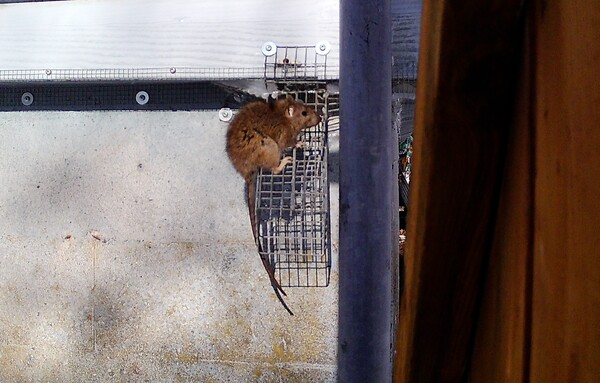
Health and Safety Risks Linked to Rat Activity
Rat problems are more than a nuisance for homeowners and businesses. When rats move through garbage areas, sewers, sheds, basements, crawl spaces, and wall voids, they can contaminate surfaces, damage materials, and create conditions that affect the safety of people and pets. Early professional removal helps reduce exposure risks and prevents contamination from spreading.
Disease Exposure: Rats can carry bacteria and pathogens that may be spread through droppings, urine, saliva, nesting materials, or contaminated food surfaces. Kitchens, storage rooms, garages, and commercial waste areas require extra attention when rat activity is suspected.
Airborne Contaminants: Dried droppings, urine residue, and nesting debris can release particles into the air when disturbed. Cleaning without proper protection may increase exposure, especially in enclosed areas such as basements, crawl spaces, attics, or utility rooms.
Parasites: Rats may introduce fleas, mites, ticks, and other parasites onto a property. These pests can transfer to pets, stored belongings, insulation, or indoor spaces if the rat problem is not properly addressed.
Structural and Electrical Damage: Rats chew constantly and may damage insulation, wood, plastic, pipes, and electrical wiring. In local homes and businesses, this can create repair costs, moisture problems, fire hazards, and recurring access points if entry areas are not sealed.
Take Back Your Property With Confidence
A rat problem can feel overwhelming, especially when you are hearing scratching in the walls, finding droppings in storage areas, or worrying about contamination around your home or business. Skedaddle Humane Wildlife Control gives property owners a safer, more complete solution than temporary fixes. With over 30 years of experience, our team understands how rats use local conditions, from established residential neighbourhoods and commercial waste areas to creek corridors, garages, sheds, and older foundations. We do more than remove the immediate problem. We identify how rats are getting in, clean contaminated spaces, and protect vulnerable areas with proven wildlife-proofing methods backed by our lifetime guarantee.
No matter where you are located in Oshawa, Skedaddle is ready to help you protect your property, your health, and your peace of mind. Book your rat removal assessment today and get a customized plan built for long-term results.

Oshawa Wildlife Control: Signs You Might Have a Rat Problem
Oshawa and Pickering Dealing with a Major Rat Problem

Are Rats Living In Your Backyard? The Warning Signs
Frequently Asked Questions About Rat Removal in Oshawa
Common signs of rats include droppings, gnaw marks, greasy rub marks, burrows, scratching sounds, and damage around garbage or storage areas. In the local area, rats may be found near sheds, garages, foundations, green bins, restaurants, or older neighbourhood infrastructure. Even one sign can indicate a larger issue because rats often live and travel in groups.
Rats are drawn to food, water, and shelter. Oshawa’s mix of residential neighbourhoods, commercial corridors, creek systems, lakefront areas, and older buildings gives rats plenty of places to hide and forage. Green bins, compost, pet food, bird seed, restaurant waste, sheds, crawl spaces, and foundation gaps can all encourage rats to stay close to people.
The timeline depends on the size of the infestation, the number of entry points, contamination levels, and the condition of the property. Most wildlife removals can be completed in one day, but prevention and cleanup may require additional work. Skedaddle provides a 35-point inspection and written quote so property owners understand the recommended plan before work begins.
Yes. Skedaddle focuses on humane, professional wildlife control that addresses the full problem instead of relying on temporary fixes. Our technicians inspect the property, identify how rats are moving in and around the structure, remove activity where possible, clean contaminated areas, and seal vulnerable access points to help prevent rats from returning.
Yes, rats are strong climbers and may access roofs, soffits, vents, wall voids, or attic spaces by using trees, downspouts, brickwork, utility lines, or nearby structures. In Oshawa neighbourhoods with mature trees and older homes, roof-level entry points can be a concern. Scratching overhead, droppings, insulation damage, or chewed materials may indicate attic activity.
DIY methods often miss the source of the problem. Traps or bait may reduce visible activity, but they do not identify entry points, remove contamination, or stop future access. Professional rat removal provides a complete assessment, safe cleanup, exclusion work, and long-term prevention. Skedaddle’s Oshawa team builds customized solutions designed to protect your property.
CALL US TODAY
1.888.592.0387
OR
Request for Services

