







RAT REMOVAL PROCESS

Assess and Remove
Our Thornhill team follows the evidence to determine where rats are nesting, travelling, and entering the structure. A detailed assessment guides a customized humane removal plan that addresses the infestation without relying on trapping, relocation, or inhumane methods.

Clear and Clean
After removal, we focus on areas affected by rat activity. Nesting debris, contaminated materials, and damaged insulation can be addressed through professional cleanup and restoration services, helping return attics and other hidden spaces to better condition.

Prevent and Protect
Protection continues after the rats are gone. We reinforce identified entry points and other vulnerable areas using durable exclusion materials, helping make Thornhill homes more resistant to future activity. Qualifying exclusion work may also be supported by a lifetime guarantee.
Thornhill’s established neighbourhoods, mature trees, ravine systems, busy commercial areas, and mixture of older and newer homes create plenty of places for rats to find food and shelter. Once rats discover an opening around a foundation, garage, utility line, or other part of a home, they can establish themselves in surprisingly concealed spaces.
From properties near Thornhill Village and German Mills to homes around Pomona Mills Park, Bayview Avenue, Yonge Street, and the Don River watershed, rat activity can affect many parts of the community. Founded in 1989, Skedaddle Humane Wildlife Control brings over 30 years of experience to humane removal, professional exclusion, cleanup, restoration, and long-term prevention.
Comprehensive Rat Control Built Around Prevention
Skedaddle combines a detailed property inspection with humane removal and professional exclusion to address the complete rat problem. Each Thornhill home receives a customized removal plan and written quote. Many wildlife removals can be completed in one day, depending on the extent of activity, structural vulnerabilities, and whether cleanup or attic restoration services are required.

Following Rat Activity from Spring Through Winter
Fall: Rats Test Thornhill Homes for Weak Spots
As the nights cool in Thornhill, protected buildings become more appealing to rats, and they start investigating gaps around utility penetrations, vents, foundations, garage doors and siding. A small weak spot is often all they need. Townhouses and homes near Pomona Mills Park, the Don River watershed and the area’s ravine systems, including Thornhill Village and German Mills, often see entry attempts increase as the weather turns. Homeowners commonly notice droppings, gnaw marks and scratching inside walls or ceilings at night.
Rats that settle in during the fall can nest in wall voids and insulation, contaminate stored food and chew wiring through the winter, and they can move between attached units. Skedaddle’s humane rat control in Thornhill focuses on finding how rats are getting in, removing them, cleaning contaminated areas and sealing entry points before winter arrives.

Winter: An Indoor Infestation Stays Active
Rats do not hibernate when Thornhill temperatures drop. If they have already entered a home, heated interior spaces can allow them to remain active throughout winter. Basements, wall voids, attics, garages, and crawl spaces offer shelter from freezing conditions. Because outdoor sightings may decrease, homeowners can mistakenly assume rat activity has stopped even while an indoor infestation continues.
Spring: Outdoor Activity Picks Up
As winter conditions ease, rats become increasingly active around Thornhill properties. Rain can disturb outdoor burrows, while new plant growth provides additional cover for movement. Breeding can also contribute to expanding populations. Rats searching for dry nesting locations may investigate sheds, garages, crawl spaces, foundations, and structural cavities, particularly when nearby properties provide reliable sources of food and water.
Summer: Easy Resources Encourage Expansion
Warm weather can make residential areas particularly favourable for rats. Gardens, garbage storage, outdoor meals, bird seed, compost, pet food, and standing water can all provide dependable resources. Thick vegetation can also conceal rats as they travel across properties.
As young rats begin exploring beyond established nesting areas, activity may spread into new locations. Foundations, decks, garages, sheds, and building edges can become frequent areas of investigation, especially when nearby structural openings offer shelter.
What Brings Rats Closer to Thornhill Properties?
Rats are opportunistic, and ordinary features around a property can provide the resources they need. Even a well-maintained home can experience an infestation if rats find both nearby attractants and an accessible structural opening.
Conditions that may encourage activity include:
- Garbage and recycling storage
- Spilled bird seed
- Outdoor pet food
- Compost and garden produce
- Dense vegetation near structures
- Standing water or drainage concerns
- Firewood and stored materials
- Cluttered garages or sheds
- Gaps around pipes, vents, and foundations
Attractants may bring rats closer, but professional exclusion addresses the vulnerabilities that allow them to move indoors.
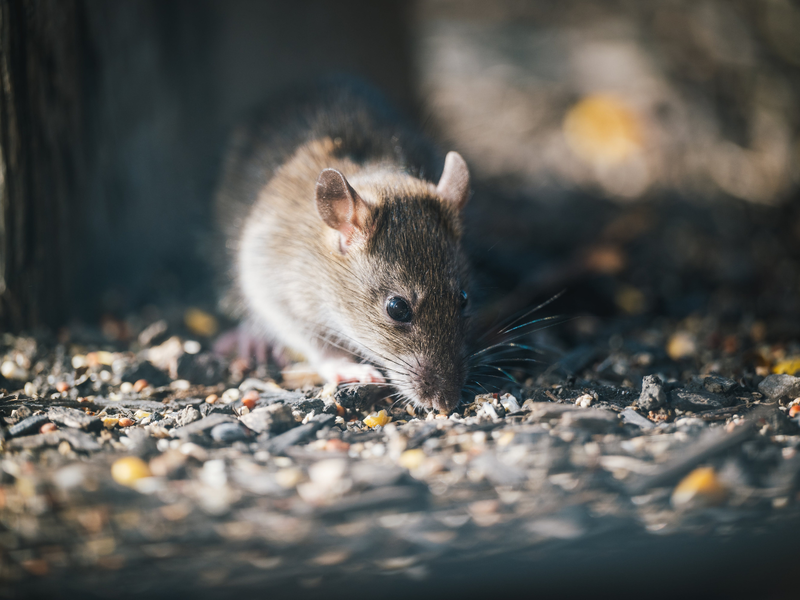
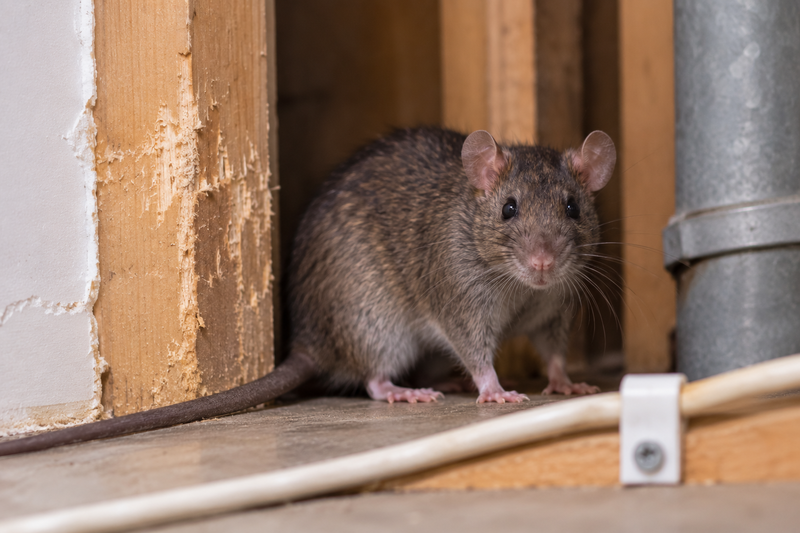
Evidence That Could Point to a Hidden Rat Infestation
Seeing a rat is only one indication of activity. Because rats favour concealed locations and are frequently active after dark, other clues may appear first.
Homeowners may notice:
- Scratching inside walls or ceilings
- Gnawing sounds at night
- Droppings in sheltered areas
- Rub marks along frequently used routes
- Shredded nesting materials
- Damaged or displaced insulation
- Gnaw marks on wood, plastic, or wiring
- Persistent odours
- Burrowing near exterior structures
A professional inspection looks beyond individual signs to determine where rats are travelling, where they may be nesting, and which exterior openings are contributing to the problem.
Our Five-Part Approach to Humane Rat Control
Effective rat removal requires an understanding of both the animals and the building. Skedaddle develops a customized strategy for each Thornhill property rather than treating every infestation the same way.
Step 1: Investigating Where the Activity Leads
Our technicians inspect relevant areas inside and outside the home, looking for evidence of nesting, feeding, travel patterns, contamination, and damage. Attics, garages, basements, crawl spaces, foundations, rooflines, and other potential activity areas are assessed to establish the scope of the infestation.
Step 2: Finding Overlooked Routes into the Home
The next priority is determining how rats are entering. Our technicians examine areas such as utility penetrations, foundation transitions, vents, siding, garage openings, and other structural details. Locating these vulnerabilities is essential because an unresolved access point can allow rat problems to continue or return.
Step 3: Developing a Humane Strategy for the Property
Once we understand the infestation, we create a customized removal plan suited to the home. Skedaddle does not rely on trapping, relocation, or inhumane methods. Our approach focuses on resolving rat activity humanely while coordinating the exclusion measures required to keep the property protected afterward.
Step 4: Strengthening Vulnerable Areas
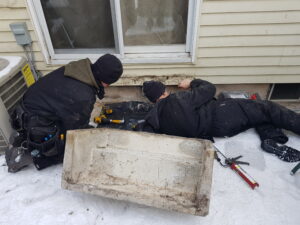
Professional exclusion addresses the structural weaknesses identified during inspection. Durable materials are used to secure appropriate entry points and reinforce areas at risk of future access. Looking beyond a single obvious opening helps reduce the chance that rats will simply find another vulnerable part of the structure.
Step 5: Repairing the Effects of Rat Activity
Rats can leave nesting debris, contamination, and damaged insulation behind. When required, Skedaddle can provide cleanup and attic restoration services to address affected spaces. Homeowners also receive property-specific prevention recommendations, while qualifying exclusion work may include a lifetime guarantee for additional long-term confidence.
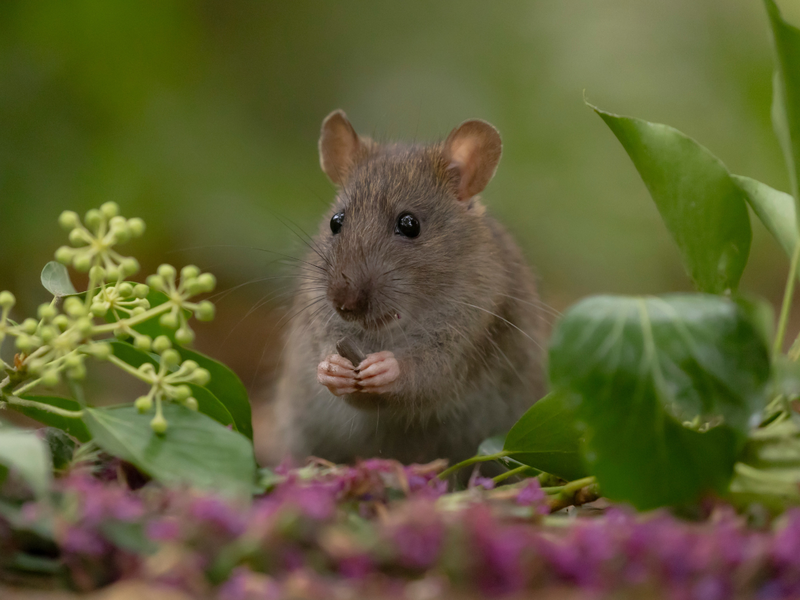
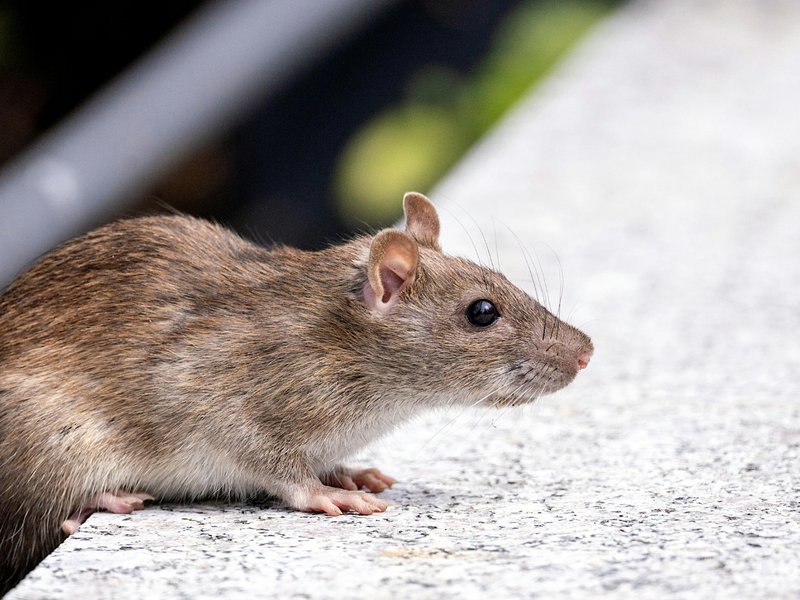
Why Rats Inside Your Home Can Become Costly
Rats spend much of their time out of sight, but the damage they cause can extend throughout a structure. Their need to gnaw can affect wood, plastic, insulation, drywall, and electrical wiring.
Nesting and travel can disturb insulation, while droppings, urine, and debris may contaminate hidden spaces. These issues can develop inside walls, attics, basements, and crawl spaces without immediately being visible.
An established infestation can also spread into additional parts of the home as rats search for food and nesting opportunities.
Addressing rat activity early helps limit the amount of damage and contamination that may require attention once the animals are gone.
Build a Stronger Defence Against Rats
Rat removal is most effective when it solves more than the immediate infestation. Humane removal, professional exclusion, cleanup, and restoration work together to address current activity while making the home less accessible in the future.
Since 1989, Skedaddle Humane Wildlife Control has focused on long-term wildlife solutions rather than temporary fixes. Contact our Thornhill team today to schedule a rat inspection and receive a customized written quote for your property.