







RAT REMOVAL PROCESS

Assess and Remove
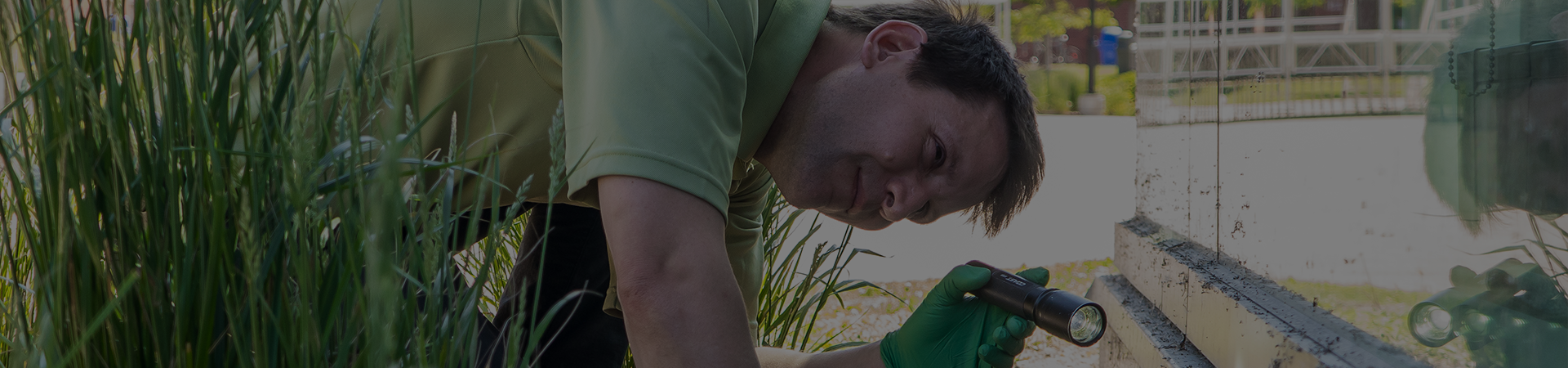
Every successful rat removal starts with understanding the full scope of the problem. Our technicians perform a detailed inspection of the property to identify activity, nesting areas, and entry points. Using humane removal methods, we safely address rat intrusions while creating a customized strategy designed to deliver long-term results for Pittsburgh homeowners.

Clear and Clean
Once rat activity has been addressed, we focus on restoring affected spaces. Droppings, nesting materials, contaminated insulation, and other debris are removed from impacted areas. This process helps improve the condition of the home, eliminates lingering odours and attractants, and prepares the space for any necessary restoration work.

Prevent and Protect
Keeping rats out is just as important as removing them. Our team seals identified entry points and reinforces vulnerable areas using professional-grade exclusion materials. Combined with property-specific prevention recommendations, this approach helps protect Pittsburgh homes from future rat intrusions and supports a long-lasting solution backed by Skedaddle’s expertise.
Rats are among the most adaptable wildlife species found in urban environments, and Pittsburgh provides plenty of opportunities for them to thrive. With access to food, water, shelter, and countless hiding places, rats can quickly establish themselves in residential and commercial properties throughout the city. Once they move indoors, they often remain hidden until signs of activity become impossible to ignore.
From the historic homes of Shadyside and Squirrel Hill to properties in Mount Washington, Lawrenceville, South Side, North Shore, and surrounding neighbourhoods, rats can exploit even the smallest vulnerabilities in a building. Since 2021, Skedaddle Humane Wildlife Control has proudly served Pittsburgh homeowners with the support of a company founded in 1989 and backed by more than 30 years of wildlife control experience. Whether your property is located near Point State Park, PNC Park, Acrisure Stadium, the Strip District, or elsewhere throughout the city, our team delivers humane, long-term rat removal solutions designed to protect your home.
Humane Rat Removal and Prevention You Can Count On
Skedaddle provides professional rat removal services that focus on both removing existing activity and preventing future intrusions. Most rat removal projects can be completed in as little as one day, depending on the size and complexity of the situation. Every service begins with a detailed inspection, a customized removal plan, and a written quote outlining the recommended solutions for your property.

How Rat Activity Changes Throughout the Year
Summer: Peak Foraging Season for Rats in Pittsburgh
Summer provides rats in Pittsburgh with abundant access to food, water and shelter, making it one of the most active seasons for rodent movement. Outdoor dining areas, overflowing garbage containers, gardens, compost bins, bird feeders and pet feeding stations can all attract rat activity around residential and commercial properties.
Young rats born earlier in the year also begin exploring independently during summer. As populations grow, competition for resources increases, causing rats to expand their range and investigate new opportunities around foundations, garages, decks, sheds, fences and landscaped areas. Homeowners may notice burrows, droppings, gnaw marks, grease trails or nighttime movement around the exterior of the property.
Skedaddle’s humane rat control helps identify active areas, remove contamination and protect vulnerable entry points with long-term prevention. By reducing attractants and addressing access points early, property owners can help prevent summer rat activity from becoming a larger infestation.

Autumn: Preparing for Cooler Weather
As temperatures begin to drop, rats focus on finding secure locations where they can remain active throughout the winter. Buildings become increasingly attractive because they offer warmth, protection, and easy access to food. During this season, rats often take advantage of small openings around foundations, utility lines, and roof structures.
Winter: Living Comfortably Indoors
Unlike some wildlife species, rats remain active throughout winter. Heated homes provide ideal nesting conditions, allowing populations to survive and reproduce even during the coldest months. Attics, wall voids, basements, and crawl spaces frequently become preferred shelter locations.
Spring: Breeding Activity Increases
As temperatures rise, rat populations become more active and begin searching for safe places to nest and raise young. Homes, garages, crawl spaces, and attics offer protection from predators and changing weather conditions. Increased rainfall during spring can also flood outdoor burrows, encouraging rats to seek shelter inside structures.
Why Pittsburgh Homes Appeal to Rats
Many common property features can attract rats without homeowners realizing it. Once rats establish activity nearby, they often begin searching for opportunities to move indoors.
Factors that commonly attract rats include:
- Accessible garbage and recycling containers
- Outdoor pet food and water dishes
- Bird feeders and spilled seed
- Dense vegetation near foundations
- Compost piles and wood piles/storage areas
- Moisture sources around the property
- Small gaps and openings around the structure
- Cluttered crawl spaces and sheds
While reducing attractants is important, professional exclusion is often necessary to prevent rats from entering the home.
Early Warning Signs of Rat Activity
Recognizing a rat problem early can help prevent more extensive activity and property damage.
Common signs include:
- Scratching or scurrying noises inside walls or ceilings
- Rat droppings in storage areas or near food sources
- Gnaw marks on wood, plastic, insulation, or wiring
- Grease marks along walls and travel routes
- Strong odours coming from hidden spaces
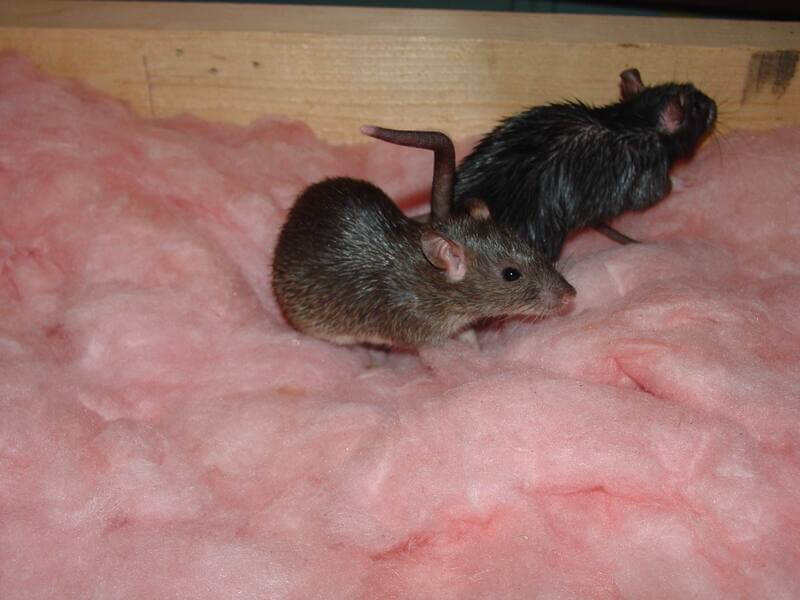
- Nesting materials such as shredded paper or insulation
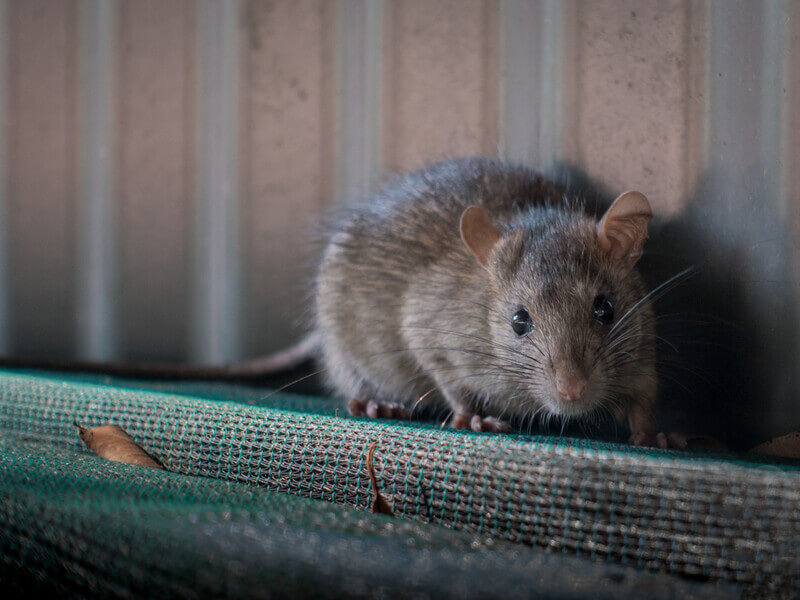
- Visible rat sightings around the property
- Increased activity around garbage storage areas
A professional inspection can help identify the extent of activity and determine how rats are accessing the structure.
Skedaddle’s Humane Rat Removal Process
Every rat intrusion presents unique challenges, which is why we develop a customized removal plan for every property. Rather than relying on temporary fixes, our process focuses on humane removal, exclusion, cleanup, and prevention. Most rat removal projects can be completed within a single day, although larger infestations may require additional time. Every homeowner receives a written quote before work begins.
Thorough Property Assessment
Our process begins with a comprehensive inspection of the property. Technicians examine interior and exterior areas to identify signs of activity, nesting locations, travel routes, and entry points. Attics, crawl spaces, basements, rooflines, and utility penetrations are carefully assessed. This information allows us to understand the scope of the issue and develop an effective strategy tailored to the property.
Locate and Address Access Points
Rats are capable of entering through surprisingly small openings. During this stage, we identify structural vulnerabilities that may be allowing access, including gaps around foundations, vents, utility lines, and other exterior openings. By understanding exactly how rats are entering, we can create a targeted plan that focuses on long-term prevention.
Humane Removal of Existing Activity
Once the activity has been assessed, our team implements humane removal solutions designed specifically for the property. Every situation is evaluated individually to ensure the most appropriate approach is used. Our goal is to safely address rat activity while minimizing disruption and ensuring all affected areas are thoroughly identified.
Exclusion and Structural Protection
Following removal, we secure identified entry points using professional-grade exclusion materials designed to withstand future rodent pressure. Vulnerable areas are reinforced to improve the property’s resistance to future intrusions. This step is critical because effective exclusion helps prevent recurring rat problems and supports a long-term solution.
Ongoing Prevention and Property Protection
The final step focuses on helping homeowners reduce future risk. We provide recommendations based on the property’s unique conditions and identify factors that may contribute to future rat activity. By combining removal, exclusion, and prevention, we help Pittsburgh homeowners achieve lasting protection. For qualifying exclusion work, homeowners can also benefit from Skedaddle’s industry-leading lifetime guarantee.
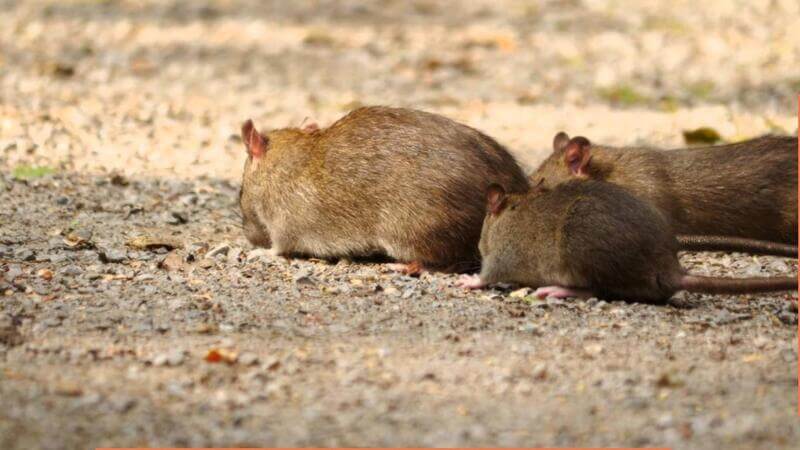

Why Rats Inside Your Home Should Never Be Ignored
Rats can cause significant damage when they remain inside a structure. Their constant chewing can affect insulation, drywall, wood, plastic materials, and other building components. Over time, repair costs can become substantial.
Because rats prefer hidden areas, activity may continue for weeks or months before homeowners realize the extent of the problem. Wall cavities, attics, crawl spaces, and storage areas often become concealed nesting locations.
As populations increase, contamination concerns may also grow. Droppings, urine, nesting materials, and food debris can accumulate in occupied spaces, affecting the overall condition of the home.
Addressing rat activity promptly helps reduce property damage, improve indoor conditions, and prevent larger infestations from developing.
Restoring Your Home After Rat Activity
Rat activity often leaves behind more than just entry points. Contaminated insulation, nesting materials, droppings, and damaged building materials can remain long after removal is complete. That’s why Skedaddle offers attic restoration services designed to help restore affected areas.
Our restoration process may include removing contaminated materials, cleaning affected spaces, and replacing damaged insulation when necessary. By addressing both the intrusion and its aftermath, we help homeowners restore comfort, cleanliness, and energy efficiency throughout the home.
Protect Your Pittsburgh Home with Humane Rat Removal
Rat problems rarely resolve on their own. The longer the activity continues, the greater the potential for property damage and ongoing intrusion. Professional intervention helps address the current issue while reducing the risk of future activity.
Skedaddle Humane Wildlife Control provides professional rat removal services throughout Pittsburgh and surrounding communities. Backed by over 30 years of experience, customized removal plans, written quotes, attic restoration services, and qualifying lifetime guarantees, our team delivers long-term solutions designed to protect your home. Contact us today to schedule an inspection and learn how we can help restore peace of mind.
Why Seeing One Rat Is Rarely a One-Time Problem
How Rats Could Be Putting Your Business At Risk
Is Pittsburgh In The Rat Race? How It Became One Of The Top Rattiest Cities In The US
Pittsburgh Rat Removal FAQs: Did You Know?
Rats can enter through surprisingly small openings around foundations, utility lines, vents, rooflines, and other structural gaps. Their climbing ability allows them to access elevated entry points that many homeowners overlook. Once inside, they seek warm, sheltered areas where they can nest and access food and water.
Every situation is different, but many rat removal projects can be completed in as little as one day. The timeline depends on factors such as the size of the infestation, the number of entry points, and the amount of exclusion work required. A professional inspection provides a more accurate assessment.
Food, water, and shelter are the primary attractants. Accessible garbage, pet food, bird seed, compost piles, moisture sources, and structural vulnerabilities can all increase the likelihood of rat activity. Urban environments often provide ideal conditions for rats to thrive year-round.
Yes. Skedaddle offers a lifetime guarantee on qualifying exclusion work. Because our process focuses on preventing future entry rather than simply addressing current activity, homeowners benefit from long-term protection and added peace of mind.
After removal, we focus on exclusion and prevention. Entry points are sealed, vulnerable areas are reinforced, and recommendations are provided to reduce future attractants. If rat activity has affected attic insulation or other areas of the home, attic restoration services may also be recommended to help restore the space.
CALL US TODAY
1.888.592.0387
OR
Request for Services

