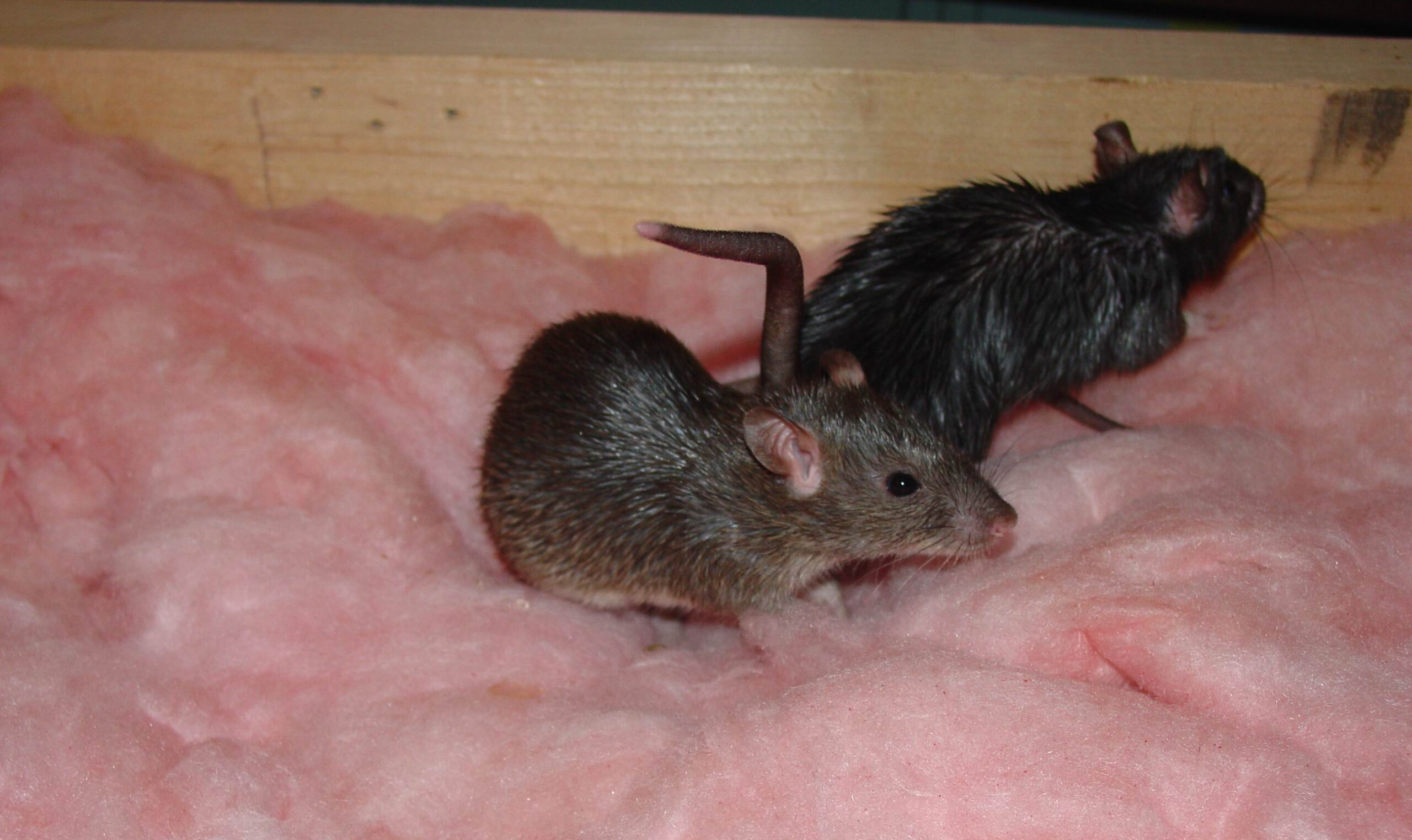
Seeing one rat usually means you have a much larger infestation hiding out of sight. Rats are highly social, rapid breeders that live in large groups. If you spot one, it is likely just a scout for a whole family nesting nearby. Rats enter homes for food, water, and shelter, and they are excellent at sneaking through small cracks or gaps. Once inside, they can cause significant damage by chewing on wiring, insulation, and wood. They also carry diseases and pests like fleas, which can pose serious health risks to your family.
As a homeowner, finding a rat in your kitchen or garage can be alarming. You might hope it simply wandered in and will leave on its own. Unfortunately, this is rarely the case. Rats are resourceful and persistent, and once they establish a nest, they can be incredibly difficult to evict.
At Skedaddle Humane Wildlife Control in Pittsburgh, we understand the stress and frustration rats can bring. That’s why we specialize in removing rodents humanely, finding and sealing entry points, and protecting your home from future infestations. This blog will explain why rats are trouble for your home and why getting our professional help is the safest and most effective solution.
How do rats get into a home?
Rats are persistent when it comes to finding their way into your home. Their bodies are incredibly flexible, allowing them to squeeze through cracks and holes as small as a quarter. Once they spot a potential entry point, their sharp teeth enable them to gnaw through wood, plastic, and even some metal to make the hole big enough for access. This determination makes it vital to properly seal any small gaps around your home.
One reason rats are so resourceful is their ability to climb. They can easily scale rough surfaces like brick walls, shimmy up drainpipes, and even balance on utility wires to reach higher areas of your home, like the roof. Overhanging tree branches also provide them with a direct path to your home, which is why keeping trees trimmed and away from your roofline is an important preventative measure.
Once inside, these rodents become a serious problem. They leave behind droppings and urine that can spread harmful diseases, while also chewing on electrical wires or wood, causing costly damage. Even worse, when one rat finds its way inside, it leaves scent trails to guide others to the same spot. This makes early identification and sealing of entry points critical to ensuring your home remains rodent-free.
Extremely Fast Reproduction
Rats are known for how quickly they can multiply. A single pair of rats can produce hundreds of offspring in just one year if left unchecked. They reproduce at an incredible rate because they can have large litters and start breeding at a very young age. This is why it’s so important to act fast if you suspect a problem in your home.
- Constant Breeding Cycles: Rats breed at a very fast pace all year round. A single female can have many litters in just one year. Each litter brings several new babies into your house. This is why it’s crucial to address a rodent infestation as soon as possible before it can become a bigger problem.
- Damage and Destruction: Apart from multiplying rapidly, these rodents also cause significant damage to your property. They gnaw on wires, pipes, insulation, and even wooden structures. This not only poses a safety hazard but also leads to expensive repairs. Additionally, they can contaminate food and spread diseases through their droppings and urine.
- Fast Growth to Adulthood: Baby rats do not stay small for very long. They grow up quickly and are ready to breed in just a few months. This means the family size explodes very fast.
- Large Family Groups: When rodents breed, they stay together in large family groups. They do not leave to find new places if there is enough food and water. Your attic or basement becomes their permanent nursery.
They Live in Colonies
Rats are social animals that thrive in large colonies. These colonies work together to find food, build nests, and protect themselves from danger. Once rats move into a home and find what they need, they rarely leave and the colony can grow quickly. Understanding how rodent colonies live and grow is important for controlling them effectively.
- Highly Social Packs: These rodents are very social creatures that hate living alone. They form large packs or colonies to stay safe and share resources. If you see one rat, it is a member of a bigger team.
- Working Together for Food: Within a colony, different rats have different jobs to do. Some act as scouts to find food and water for the rest of the group. The rodent you saw was likely gathering food for the hidden nest.
- Strong Communication Skills: Rodents talk to each other and leave scent trails to guide their family members. When one finds a safe way inside your home, it leaves marks for the others. This brings the whole colony right to your doorstep.
Daytime Sightings Indicate Overcrowding
Seeing rats during the daytime can be a sign of a larger problem. Normally, rats are active at night, so spotting them in daylight might mean their colony has grown too big. When there are too many rodents, food and shelter can become scarce, forcing some to search during the day. This behavior is a clear indicator that the infestation is getting out of control and needs immediate attention.
- Natural Night Habits: Rodents are naturally active at night when it is dark and quiet. They prefer to stay hidden while you are awake to avoid danger. Seeing one in the bright daylight is a big warning sign.
- Too Many Rats in the Nest: A daytime sighting usually means the hidden nest has become way too crowded. There is simply no room left in the dark corners of your house. The lower-ranking members are pushed out during the day to survive.
- Desperate Search for Food
When a colony gets too big, the food supply quickly runs out. Mothers and younger members will risk coming out in the day just to find something to eat. They are so hungry that they forget their fear of the light.
Social Scavengers
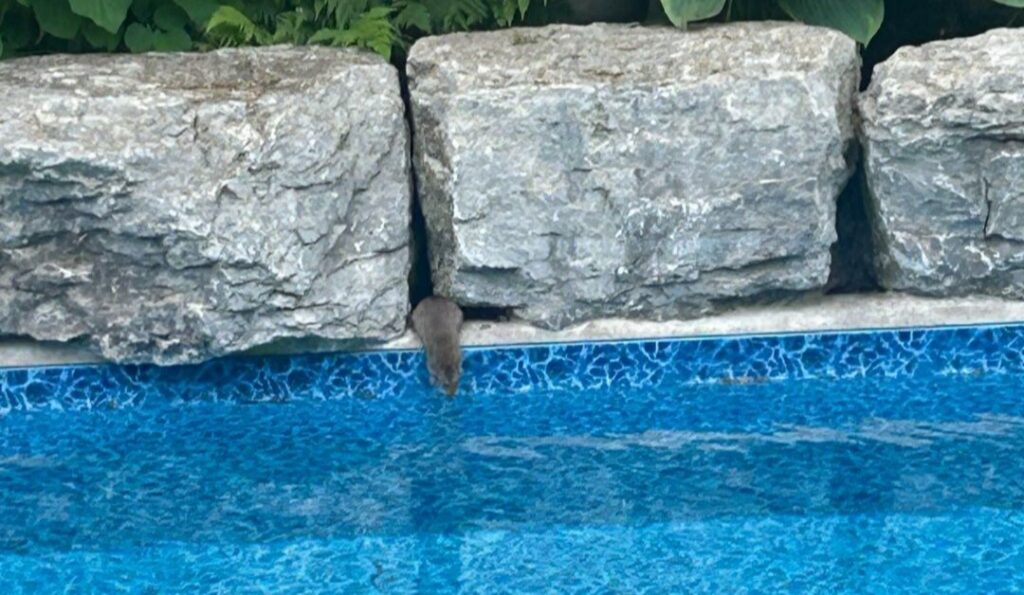
Rats are social scavengers, which means they do not like to live alone. When one rat finds food and shelter in your home, it quickly becomes a safe place for others. They are always looking for easy meals and warm spaces to stay. Your home gives them everything they need to survive.
These rodents leave behind scent trails as they move around your home. These trails include greasy rub marks along walls, floors, and entry points. Other rats can smell these trails and follow them to the same food source. This is how one small problem can turn into a much larger infestation.
Once these rodents arrive, they begin to settle in and build nests. They work together to find food and protect their group. This makes them much harder to remove if the problem is ignored. Acting quickly is the best way to stop them before the situation grows.
Masters of Hiding
Rats are incredibly clever when it comes to avoiding detection. They have sharp senses that help them know when it’s safe to come out, usually when the house is quiet or dark. This is why you might only see a rat briefly before it disappears again. Their ability to move silently and stay hidden makes them difficult to track and allows them to live in your home without being noticed for a long time.
Rats are also excellent nest builders. They choose locations that are hard to reach, like inside walls, behind appliances, or even under floorboards. They often gather soft materials like shredded paper, fabric, or insulation to make their nests cozy and hidden. These nests are usually well-protected and placed where people or pets are unlikely to disturb them. Because of this, their presence often goes unnoticed until the population grows or other signs of infestation appear.
Even though you might think there’s only one rodent, there is likely an entire group hiding nearby. These rodents tend to live in colonies, where they work together for food and protection. If you spot one rat, it’s a strong sign that others are close by. Ignoring the problem can allow the colony to grow, which can lead to serious issues in your home, including structural damage or health risks. It’s important to address the problem quickly to avoid further infestation.
Local Challenges in Pittsburgh
That’s why it’s so important to seal up your home before winter hits. Taking steps like filling cracks in the foundation, fixing roof damage, and sealing gaps around windows or doors can make a big difference. These small repairs not only keep rats out but also help with energy efficiency during the colder months.
Rats aren’t just a winter issue, though. During the warmer months, they’re often drawn to outdoor spaces like yards, gardens, and alleys in search of food. Unsecured garbage bins and compost piles can serve as easy meals for these pests. Keeping outdoor areas tidy and disposing of waste properly can help reduce the chances of an infestation.
If you do notice signs of rats around your home, it’s best to address the problem quickly. Rats can chew through wires, contaminate food, and even carry diseases. Our team is experienced in safe and effective pest control methods tailored to Pittsburgh’s unique environment. With our help, you can protect your home and keep it pest-free year-round.
Professional Rat Removal and Prevention
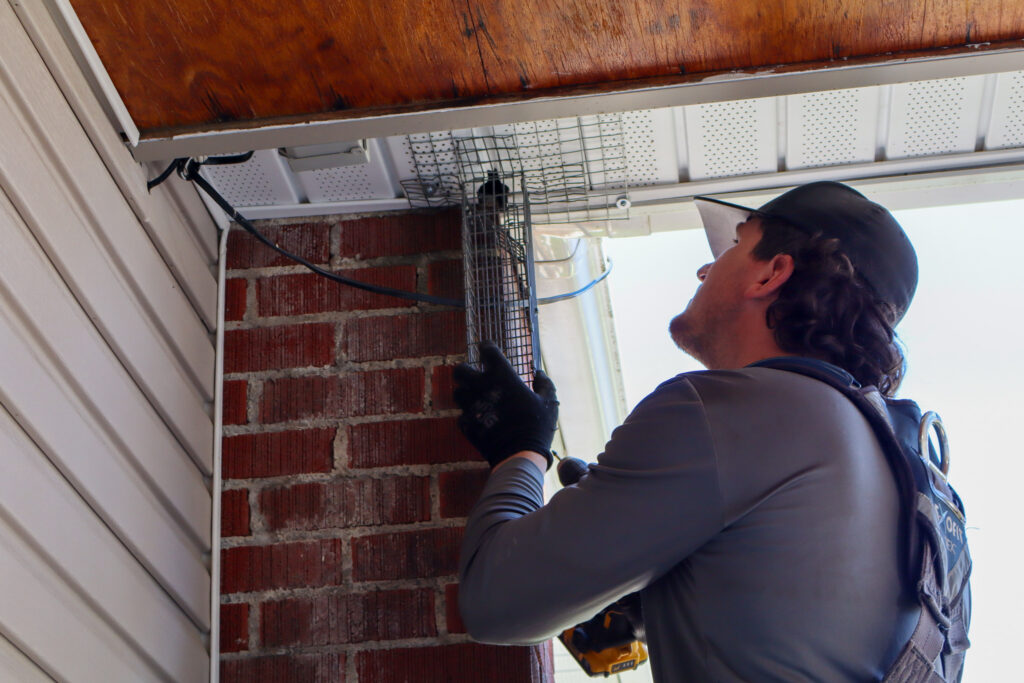
Dealing with a rat infestation can be overwhelming, but our professional help ensures the job is done right. At Skedaddle Humane Wildlife Control, we specialize in humane and effective methods that handle the problem for you. Our team is highly trained to identify the source of the infestation, locate nesting areas, and uncover every possible entry point so we can address the issue at its root.
Our process is carefully designed to remove rodents without causing harm to them or risking further damage to your home. With the use of one-way doors, we allow the rodents to exit your home safely. Once they are out, they cannot return. This method provides a long-term solution without the need for traps, poison, or relocation. We take pride in offering a humane alternative that keeps both your home and the local wildlife safe.
Once the rats are gone, we focus on prevention to ensure your home stays pest-free. Our team will seal all entry points and repair damaged areas to keep other animals from finding their way inside. Removing rats and cleaning infested areas can be dangerous due to the potential for diseases and contamination. That’s why we recommend letting our professionals handle everything to protect both your health and your home.
Frequently Asked Questions
Do rats leave on their own?
No, rats will almost never leave a warm house with a steady food supply. They will stay and continue to breed until our team professionally removes them.
Can a single rat cause a lot of damage?
Yes, even a small number of rodents can cause major damage. They constantly chew on electrical wires, wood, and insulation, which can lead to serious risks like house fires.
Are rat droppings dangerous?
Rodent droppings carry harmful diseases and bacteria. It is very dangerous to handle them, which is why our professional team should always manage the cleanup process safely.
How quickly do rats multiply?
Rats reproduce incredibly fast. A single pair of rats can lead to hundreds of offspring in just one year if they are not removed quickly.
Will getting a cat solve my rat problem?
While a cat might catch a stray rat, they cannot reach the nests hidden deep inside your walls or attic. A cat will not stop a full colony from growing inside your house.
Reclaim Your Peace of Mind Today
Rats can be a serious problem that grows quickly if not handled properly. If you see even one rodent, it’s likely that there are more nearby. These rodents breed fast and live in large groups, which makes them hard to control without the right experience and equipment. Trying to solve this on your own can be dangerous and may not fix the issue long-term. That’s why it’s important to call in experts who know how to deal with rats safely and effectively.
At Skedaddle Humane Wildlife Control in Pittsburgh, we have the knowledge and tools to solve your rodent problem the right way. We focus on humane methods to protect both your home and the local wildlife. Don’t wait for the situation to get worse—reach out to us as soon as you think you might have rats in your home. Our team will act quickly to assess the problem and provide a solution that keeps your property rat-free. Contact us today to request an estimate and trust us to take care of your home and family.

 Loading...







