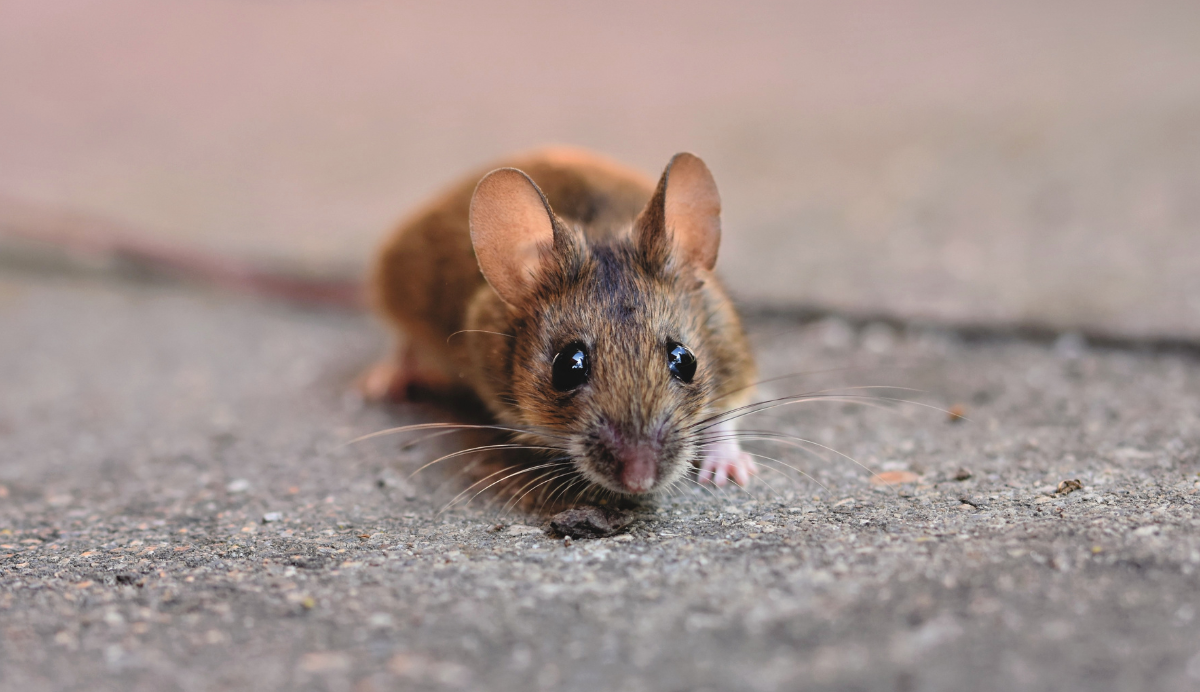
Rats and mice can move between Pittsburgh mixed-use buildings. They can travel through shared walls, utility gaps, basements, ceiling spaces, and connected rooflines. If a restaurant, store, or apartment has a problem, the activity may not stay inside that one unit.
A recent story from Pittsburgh’s South Side showed how serious this issue can become. A video showed a rat beneath the beer taps at a local establishment. The business worked with the Allegheny County Health Department and pest-control professionals, and a later inspection reportedly found no signs of ongoing rodent activity.
You may only see activity in one room, but the source could be somewhere else in the building. At Skedaddle Humane Wildlife Control in Pittsburgh, we know that connected buildings require a complete professional inspection. In this blog, we explain how rodents travel between units, which signs may point to hidden activity, and how professional removal and exclusion can protect the full property.
Do Rats Chew Walls?
Yes, rats can chew through drywall, wood, insulation, and other soft building materials. They may chew to make an existing opening larger or gain access to another part of a building. This can allow them to move from a commercial unit into an apartment, storage room, or neighboring property.
They cannot chew through every type of wall, but they often do not need to. Small gaps may already exist around pipes, wires, vents, and damaged materials. Scratching or gnawing sounds inside a wall should be checked by a professional because the visible room may be only one part of the problem.
How Rodents Move Between Neighboring Pittsburgh Properties
Pittsburgh has many rowhouses, older buildings, and properties with businesses below apartments. These connected spaces give rodents hidden paths that people cannot easily see. They may feed in one unit, build a nest in another, and travel through several parts of the structure.
Common routes between neighboring properties include:
- Shared Walls: Party walls separate many Pittsburgh rowhouses and attached units. Gaps around pipes, wires, vents, and damaged drywall can create paths between them. Rodents may travel inside these walls without entering a room where you can see them.
- Utility Openings: Plumbing lines, electrical cables, gas lines, and heating systems often pass through several parts of a building. Small spaces may be left around these lines. These openings can connect kitchens, bathrooms, basements, and utility rooms.
- Basements and Foundations: Connected basements may provide wide travel routes beneath several units. Foundation cracks, floor drains, and gaps near utility lines can also offer access. Because basements are often dark and quiet, activity may continue there for some time before you notice it.
- Ceiling Spaces: Restaurants, stores, and offices may have drop ceilings that hide pipes and wires. Rats and mice can travel above the ceiling or between floors. You may hear movement overhead even when nothing appears in the room.
- Connected Rooflines: Attached buildings may share roof edges, vents, soffits, and upper utility lines. Damage along one part of the roof can provide access to several connected spaces. A complete inspection must include these upper areas, not only the room where activity was reported.
Why One Unit’s Food or Garbage Can Affect the Whole Building
Food stored in one commercial unit may draw rodents that later move into nearby homes or businesses. A restaurant kitchen, shared garbage room, food storage space, or basement may provide a steady food source. Once they enter the building, they can follow hidden routes into other units.
These animals do not always eat and nest in the same place. They may feed near a restaurant, hide behind the wall of an apartment, and travel through a shared basement. This can make it hard to find the full source without a professional assessment.
You may keep your own unit clean and still notice signs of activity. Waste or food storage in another part of the property could be supporting the problem. Our team considers the conditions across the connected structure and identifies where professional sanitation, removal, or exclusion may be needed.
Signs of Activity Behind Walls and Beneath Floors
Rodents often remain hidden inside walls, ceilings, basements, and floors. You may notice signs long before you see one moving through the building. These warning signs should be assessed without touching waste or entering a contaminated space.
- Scratching and Gnawing Sounds: You may hear scratching, chewing, squeaking, or quick movement inside a wall. These sounds may also come from ceilings, floors, cabinets, or spaces below stairs. Activity can seem louder at night when the building becomes quiet.
- Droppings and Stains: Droppings may appear near walls, food storage spaces, utility rooms, or hidden travel routes. Dark rub marks and urine stains may also form along paths used often. You should not touch or clean these materials because they may create health concerns.
- Damaged Materials: Rodents can chew drywall, insulation, wood, food packages, and electrical wires. Damaged wiring can increase the risk of a fire. A professional inspection can find damage hidden inside walls or other hard-to-reach spaces.
- Strong or Unusual Odors: Waste and nesting materials may create a stale or unpleasant smell. An odor can also develop when one dies inside a wall, floor, or ceiling. Our trained team can locate the source and determine what professional cleaning is required.
One sign does not always reveal how large the problem has become. A few droppings in a basement could be linked to activity on another floor. The full building may need to be checked to find the entry point, nesting area, and travel routes.
Why Treating One Visible Area May Not Solve the Problem
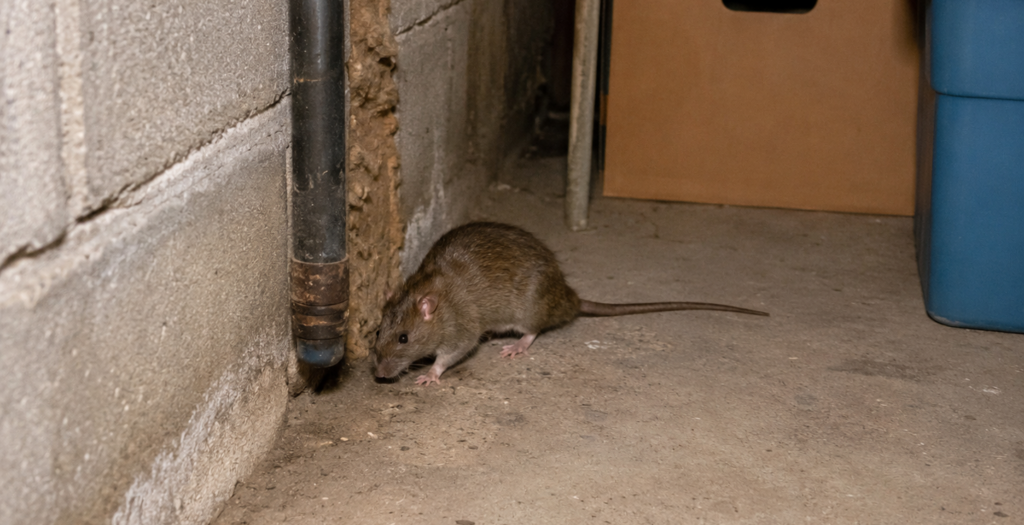
Seeing one rat or mouse does not tell you where it entered or how far it has traveled. The one seen near the beer taps in the South Side story brought attention to a visible area. However, connected buildings can have many hidden spaces that must also be checked.
A rodent may enter through a basement gap, move behind a wall, and appear in a restaurant or apartment. If only the visible room receives attention, activity may continue elsewhere. Another one may then use the same path and return to that area.
You need a building-wide assessment instead of a plan based only on the first sighting. Connected properties may have several entry points, feeding areas, and nesting spaces. Professional inspection helps reveal the source of the problem and how the different signs connect.
How Professional Inspection Finds Hidden Travel Routes
Mixed-use buildings can be more complex than detached homes. Commercial and residential units may share walls, heating systems, plumbing, storage spaces, basements, and roofs. Our professional wildlife team checks these connected areas so the plan is not limited to one room.
A detailed inspection may include:
- The Outside of the Building: We check the foundation, roof edges, vents, soffits, doors, utility lines, and other possible entry points. Damage outside may explain activity several floors away. Our team looks for both active openings and weak areas that could lead to another entry.
- Connected Interior Spaces: We examine basements, utility rooms, ceilings, storage areas, and other spaces that may link different units. We look beyond the area where someone saw a rodent. This helps us trace the route through the building.
- Signs of Movement: Droppings, damage, odors, grease marks, and nesting materials may show where rodents have traveled. The amount and location of these signs can point to active areas. Our team assesses them without asking you to handle contaminated materials.
- The Full Removal Plan: Our findings help us create a plan for the entire affected structure. We determine where removal, professional sanitation, and exclusion are needed. This approach addresses the connected problem rather than one isolated sighting.
How Sanitation and Exclusion Prevent Recurring Problems
Professional sanitation addresses waste, nesting materials, and contaminated building materials. Droppings and urine may create health concerns, especially in spaces used to prepare or store food. Property owners, tenants, and staff should leave this work to trained professionals.
Removal alone may not provide lasting protection if entry points remain open. Exclusion is the process of securing foundation gaps, vents, utility openings, damaged roof areas, and other weak spots. Strong materials are needed because these animals may chew through soft repairs.
Inspection, sanitation, removal, and exclusion all serve different purposes. Inspection finds the source, removal clears the current activity, and sanitation addresses contamination. Exclusion closes the routes that could allow another problem to begin.
Rat Removal and Prevention With Skedaddle
At Skedaddle Humane Wildlife Control in Pittsburgh, we begin with a detailed inspection of the connected building. Our team traces travel routes, locates entry points, and checks spaces beyond the unit where activity was first noticed. We use those findings to create a plan for the full property.
Our professional wildlife team handles the removal process without asking you to enter hidden or contaminated spaces. Where appropriate, we use one-way doors that allow wildlife to leave but prevent them from getting back inside. We also complete professional cleaning and sanitation when the affected areas require it.
After the space is clear, we secure entry points with durable materials. We check other vulnerable areas that could provide access later. This complete process helps protect apartments, restaurants, offices, stores, and shared spaces from another infestation.
Frequently Asked Questions
Can rats move through shared walls?
Yes, rats can move through gaps inside shared walls. Openings around pipes, wires, vents, and damaged drywall may connect neighboring units. This is a common concern in attached rowhouses and mixed-use buildings.
Can mice move between apartments?
Yes, mice can fit through very small openings and travel between apartments. They may use walls, ceilings, utility spaces, and gaps around plumbing lines. Activity inside one apartment may point to a larger problem elsewhere in the building.
What do rats in walls sound like?
Rats in walls may make scratching, chewing, squeaking, or quick movement sounds. You may hear the noise at night when the building is quiet, but activity can happen at any time. A professional inspection can help locate the source without opening walls at random.
Can rodents move from a restaurant into the apartments above it?
Yes, rodents can travel between a restaurant and the apartments above it. Utility lines, wall spaces, ceilings, stairs, and shared service areas may connect the units. The full building may need inspection even when activity has only been reported inside the restaurant.
Why do rodents return after removal?
Rodents may return when hidden entry points and connected travel routes remain open. Food, waste, or shelter elsewhere in the building may also keep drawing them back. Professional removal should be paired with sanitation and exclusion to address the full problem.
Who should inspect a Pittsburgh mixed-use building for rodents?
A trained wildlife professional should inspect the complete structure. Skedaddle can examine commercial and residential areas, trace hidden travel routes, and find entry points. Our team can then create a building-wide removal and prevention plan.
Stop Rodents From Moving Through Your Building
Rats and mice can move between Pittsburgh mixed-use buildings through shared walls, ceilings, basements, utility openings, and connected rooflines. Activity inside one restaurant, apartment, store, or office may be part of a larger problem elsewhere in the property. Treating only the place where one was seen may leave other travel routes untouched.
You should not enter contaminated spaces, touch droppings, or attempt to remove rodents yourself. A complete professional inspection can locate nesting areas, entry points, damage, and signs of movement. Professional sanitation and exclusion can then address the conditions that allowed the problem to continue.
At Skedaddle Humane Wildlife Control in Pittsburgh, we handle the inspection, humane removal, professional sanitation, and exclusion work for you. Our professional wildlife team looks at the full connected building, not only one visible area. We then secure vulnerable openings to help prevent another entry.
Contact us to request an estimate and learn more about protecting your Pittsburgh home, business, or mixed-use property from recurring rodent activity.

 Loading...