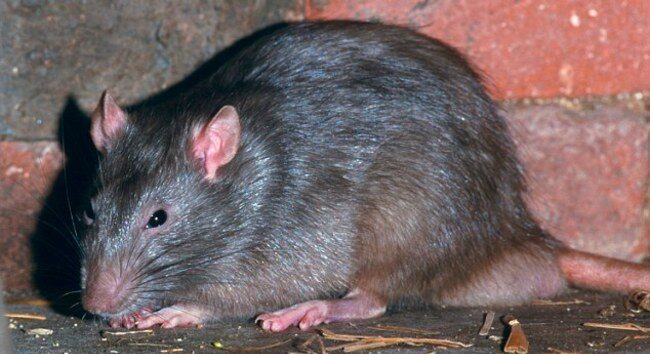
You hear scratching behind the kitchen wall late at night. You find a small pile of droppings near the basement door. You notice a gap at the base of your foundation that was not there last year. If you live in an older Pittsburgh home, these are not random problems. They are signs that your house, through no fault of your own, is giving rats exactly what they need to get inside and stay there.
Older Pittsburgh homes give rats an advantage because aging foundations, crumbling mortar, rotting wood, and outdated plumbing create dozens of entry points that these animals can find and use with ease. Pittsburgh’s hillsides, retaining walls, and narrow alleys make the problem even worse by giving them hidden travel routes and nesting spots right next to your home’s most vulnerable areas. A house that was built a century ago was never designed with modern pest prevention in mind, and the gaps that have opened up over decades of settling and wear are exactly the kind of openings these animals are built to exploit.
At Skedaddle Humane Wildlife Control in Pittsburgh, we work with homeowners across the city’s oldest neighborhoods every season. In this blog, you will learn exactly how Pittsburgh’s geography and aging housing stock work in these animals’ favor, what makes your home vulnerable, and why calling our team is the right first step the moment you spot signs of activity.
How Small of an Opening Can Rats Fit Through?
A rat can squeeze through a hole the size of a quarter. That is about half an inch wide. If their head fits, their body follows. Most homeowners would never look twice at a gap that small, but these animals use them every day to get inside.
Older Pittsburgh homes are especially vulnerable because a house that has been settling for a hundred years has built up dozens of these small gaps. They show up along the base of the foundation, around pipes, between the framing and the outer wall, and under the floor joists in the basement. Each one is a possible way in.
Rats are also persistent. If a gap is close but not quite big enough, they chew the edges to make it larger. Wood, soft masonry, plastic pipe, and rubber seals are all materials they can get through. A home that looks sealed from the outside often has several active entry points that only a professional inspection can find.
Hillsides
Pittsburgh’s steep hillsides are one of the biggest reasons rats do so well in the city. The slopes behind and beside many older homes give them a perfect place to dig burrow systems right next to your foundation. Soft, sloped soil is easy to dig through, and the hillside hides everything from view.
When a burrow gets close enough to the foundation wall, any crack or gap in the masonry becomes a doorway into the basement. The hillside does the digging work, the aging foundation provides the opening. That is why homes on or below Pittsburgh’s hillsides see far more activity than homes on flat ground.
Seasonal changes make the problem worse every year. Freeze-thaw cycles push and pull the soil around foundation walls, opening up new gaps each winter. Heavy rain washes soil away and exposes foundation surfaces that were buried before. Every season on a hillside property creates new chances for these animals to find a way in. Our team always checks the hillside-facing foundation carefully during every inspection because it is one of the most active entry zones we find.
Retaining Walls
Older stone and mortar retaining walls are all over Pittsburgh’s hilly neighborhoods, and they are one of the most reliable nesting spots these rats use. Here is why they are such a consistent problem:
- Cracked Mortar Creates Hidden Voids: The mortar in older retaining walls breaks down from years of moisture and freezing winters. As it crumbles out, it leaves dark, sheltered gaps between the stones that are just the right size for nesting. These animals move in and build nests that no one can see from the outside. A wall that looks solid can have an active colony hidden inside it for months without anyone knowing.
- Stone Walls Sit Right Next to Home Foundations: In many Pittsburgh yards, retaining walls are built directly against or very close to the foundation. An animal nesting inside the wall is already just a few feet away from the basement. Any crack in the foundation at that point gives them immediate access. The wall provides the shelter, the foundation provides the way in. The two work together as a connected entry system.
- Retaining Walls Are Almost Never Inspected: Most homeowners never look closely at their retaining walls, and these animals know it. Activity in and around a retaining wall can go on for an entire season before anyone notices. Our team checks retaining walls on every hillside Pittsburgh property we visit because they are one of the most overlooked nesting and entry zones in the city.
Narrow Alleys
Pittsburgh’s narrow back alleys give rats a ready-made travel route through the city. The alleys behind older row houses are dark, quiet, and low-traffic after dark, exactly the kind of path these animals prefer. They use them to move between food sources, nesting spots, and home entry points without ever crossing an open street.
Alleys are also where food is easiest to find. Trash cans, food scraps, and garbage storage along the alley give these animals a reliable meal with almost no effort. The more food is available in an alley, the more these animals use that route and the more likely they are to set up a nest in a structure right next to it.
The link between alley access and home entry is direct. These animals travel the alley at night, eat, and then look for a nearby place to shelter. The foundation gaps, retaining wall voids, and utility line openings on the alley side of an older Pittsburgh home are the first places our team checks during an inspection. What happens in the alley does not stay there.
Aging Infrastructure and Materials
Pittsburgh’s oldest homes were built with materials that have had a century or more to wear down. That wear creates the gaps and weak spots these rats rely on. Here is what our team looks for on older Pittsburgh properties:
- Degraded Masonry Creates Foundation Gaps: Original brick, stone, and mortar on older Pittsburgh homes has been through decades of hard winters and wet summers. That stress causes cracks and crumbling along the foundation wall. The gaps that form may look small, but they are more than large enough for these animals to get through. A foundation that looked fine ten years ago may have several new entry points today just from normal wear.
- Warped and Rotting Wood Is Easy to Chew Through: Older homes use a lot of timber framing that has been exposed to moisture for generations. Wood that has softened from rot is easy for these animals to chew through quickly. Basement rim joists, crawlspace framing, and wood sill plates at the foundation are especially at risk. Rats go straight for soft wood because it takes very little work to create or widen an opening.
- Settling Foundations Open Up New Gaps Every Year: As an older home keeps settling, cracks form along basement wall joints, floor slabs, and the seam where the foundation meets the framing above. These cracks give these animals direct access to the lowest level of the home. Every Pittsburgh winter adds more freeze-thaw stress to an already-settled foundation, which means new gaps can open up from one season to the next even on homes that have never had a problem before.
Direct Sewer Connections
Pittsburgh’s aging sewer system is one of the least visible ways rats get into older homes. Many older properties have sewer lateral lines that are cracked, broken, or partially collapsed. Those breaks connect the city’s sewer system directly to the space under and inside the home.
These animals are strong swimmers and have no problem traveling through sewer pipes. A broken lateral line gives them a path from the sewer straight into the crawlspace or basement. No above-ground entry point needed. Once inside the pipe, they follow it to wherever it opens up, which is often a floor drain or a broken cleanout fitting in the basement.
Basement floor drains without proper trap seals are especially at risk. A dry or damaged drain trap is an open line to the sewer below. These animals can come right up through it and into your basement without any warning. Most homeowners have no idea this is possible until our team finds it during an inspection. If your Pittsburgh home has a basement floor drain, it is one of the first things we check.
Utility Line Gaps
Where pipes, wires, and utility lines enter an older Pittsburgh home, there are almost always gaps that have never been properly sealed. Here is why these penetrations are such a common entry point:
- Old Plumbing Penetrations Have No Rodent-Proofing: Older homes were plumbed long before rodent-proofing was part of standard construction. Where water lines, drain pipes, and gas lines pass through the foundation or outer wall, the openings around them are often much bigger than the pipe itself. Old caulk or rags used to fill those gaps decades ago have long since broken down. From outside the home, these openings are easy to see and easy to access, but most homeowners never look at them.
- Electrical and Gas Line Entry Points Leave Open Gaps: Where electrical conduit and gas lines enter the home, gaps around the penetration are very common on older properties. The materials used to fill these gaps years ago – old mortar, newspaper, oakum – have broken down and left open spaces. Those gaps connect the outside of the home directly to the wall cavity or basement. These animals do not have to chew through anything to use them.
- Gaps Around Utility Lines Get Bigger Over Time: As an older home settles, the gaps around utility line penetrations grow. The foundation shifts slightly while the pipe stays put, and the space between them gets wider. What was once a snug fit around a water line can become a half-inch gap these animals squeeze through with ease. These openings are usually low on the foundation wall or tucked into corners of the basement. Easy to miss unless you know exactly where to look.
What are Rat Problems in Pittsburgh?
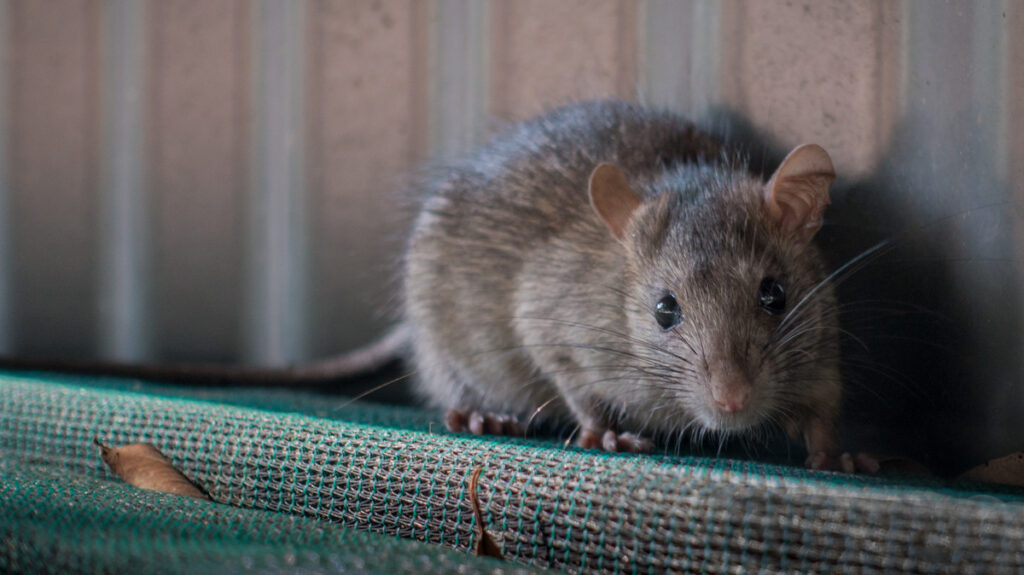
Pittsburgh regularly ranks among the rattiest cities in the United States. The city’s old housing stock, hilly terrain, and dense older neighborhoods create the exact conditions rats need to thrive. Old infrastructure, hidden travel routes, and easy food access all exist in the same blocks. Our team at Skedaddle works across the city every season and sees the same entry points repeat in neighborhoods like Polish Hill, Troy Hill, Lawrenceville, Bloomfield, and the South Side.
Fall and winter push these animals further inside as outdoor temperatures drop. A home that has been sheltering them through sewer connections and foundation gaps all summer becomes even more important when the cold hits. Activity that was mostly in the basement or crawlspace starts showing up in wall voids and kitchen areas. By the time most homeowners notice signs inside the living space, the infestation is already well established.
Spring and summer bring their own surge as breeding grows the population. A pair that got in during fall can produce far more offspring by spring. Pittsburgh’s warm, wet summers also keep pushing more of them inside as the reliable food and shelter your home provides beats anything available outdoors. Every season gives them a reason to stay and the aging structure of the home keeps giving them new ways to get in.
Rat Removal and Prevention with Skedaddle
When you call our team at Skedaddle, we start with a full inspection, inside and out. We check the foundation, basement, crawlspace, utility penetrations, and the alley-facing side of your property. We find every active entry point and check for signs of nesting before any work begins. Older Pittsburgh homes need a thorough look because entry points are rarely limited to just one spot.
Once we know what we are dealing with, we seal every entry point we find. Where needed, we use one-way doors so rats can exit on their own but cannot get back in. After the home is clear, we seal every opening with materials that hold up long-term. Homeowners should never try to seal entry points on their own, especially in an older home where the full scope of the problem may not be obvious without a professional assessment.
Cleanup and prevention are the last steps. Our team removes nesting material, treats contaminated areas, and fixes the specific conditions – foundation gaps, utility penetrations, retaining wall access – that made your home a target. You do not need to go into the crawlspace or handle any droppings. Call our team at Skedaddle Humane Wildlife Control in Pittsburgh the moment you notice signs of activity, and let us handle it from start to finish.
Frequently Asked Questions
How do I know if rats are inside my older Pittsburgh home?
Common signs include scratching or gnawing sounds inside walls or beneath the floor at night, droppings near the basement, kitchen, or along wall edges, greasy rub marks along baseboards and pipes where these animals travel regularly, and visible damage to food packaging or wood surfaces. A strong musky odor in enclosed spaces like the basement or crawlspace is another reliable indicator.
Can rats come up through my toilet or drains?
Yes. These animals can travel through sewer pipes and enter a home through floor drains, broken lateral lines, or poorly sealed cleanout fittings. This is more common in older Pittsburgh homes where sewer infrastructure has aged and cracked. A floor drain without a proper functioning trap seal is an open connection to the sewer system below.
How fast can a rat population grow inside a home?
Very quickly. A breeding pair can produce multiple litters per year, with several young per litter. Those young reach breeding age in a matter of weeks. A small number of rats that enter in fall can become a much larger population by spring under the right indoor conditions. The longer the situation goes unaddressed, the more established and harder to resolve it becomes.
Do rats cause structural damage to older homes?
Yes. These animals chew through wood, soft masonry, plastic pipe, and electrical wiring. In an older Pittsburgh home where some of these materials are already weakened by age, the additional damage from chewing can accelerate deterioration significantly. Chewed wiring is a fire hazard that is often not discovered until an inspection reveals it.
Why is Pittsburgh considered one of the rattiest cities in the US?
Pittsburgh's combination of aging housing stock, hillside terrain, narrow alleys, and older sewer infrastructure creates ideal conditions for large urban rat populations. The city's older neighborhoods have a higher concentration of the specific vulnerabilities - crumbling foundations, broken sewer laterals, retaining wall voids - that these animals exploit most effectively.
Is it safe to go into my basement if I think rats are present?
You should be cautious. These animals carry diseases through their droppings and urine, and disturbing nesting material without proper protective equipment creates real health risks. Homeowners should not attempt to clean up droppings, handle nesting material, or inspect wall voids on their own. Call our team and let us assess the situation safely.
Your Old Pittsburgh Home Deserves Better
An older Pittsburgh home has a lot going for it, but it also has the exact conditions rats are looking for. Aging foundations, hillside burrows, retaining wall gaps, broken sewer lines, and unsealed utility openings all work together to give them an edge that a newer home simply does not offer. That edge does not go away on its own.
Every season you wait is another season these animals use your home’s weaknesses to their advantage. The population grows, the damage builds up, and the entry points get wider. What starts as a few signs in the basement can turn into a much bigger problem by the time spring arrives.
At Skedaddle Humane Wildlife Control in Pittsburgh, our team knows this city’s housing stock inside and out. We understand the specific weak spots that come with older construction, and we have the experience to find every entry point, not just the obvious ones. We handle everything from inspection to removal to sealing and cleanup. You do not need to deal with any part of it yourself. Request an estimate today and let our team take back the advantage.

 Loading...