






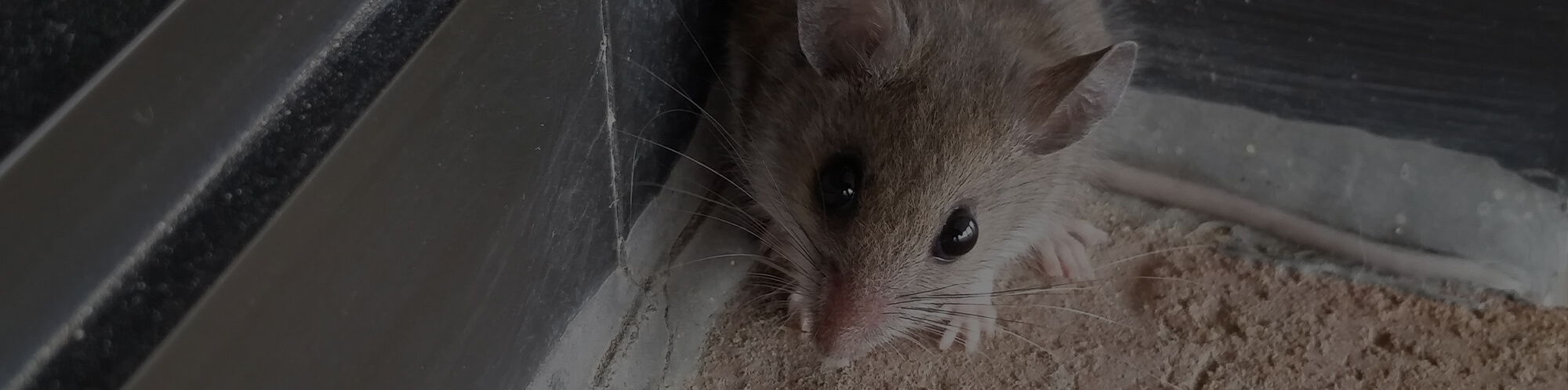


MOUSE REMOVAL PROCESS

Assess and Remove
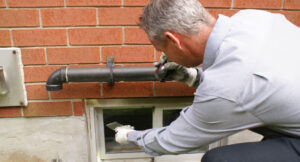
You can’t resolve a mouse problem if you don’t know how they’re getting in. We begin with a thorough 50 point inspection of your home’s exterior and interior to identify all mouse entry points. We then remove the mice using expertly installed one-way doors that allow the mice to leave for food but prevent them from getting back in.

Clear and Clean
Mice are messy, leaving droppings and urine behind wherever they go. Skedaddle offers cleaning and sanitizing services to safely remove harmful mouse droppings and contaminated building materials to return your home to a liveable state.

Prevent and Protect
The results from our initial home inspection will provide us with a full understanding of what areas of your home needs to be sealed against future mice infestations. Our wildlife technicians will use professional grade wildlife exclusion materials to prevent any possible re-entry and keep mice out.
Scratching behind the walls at night. Tiny droppings in the pantry. A sudden, musty smell you can’t explain.
It often starts subtly, a faint scurrying sound after dark or small black pellets under the kitchen sink. But mice are rarely a minor issue. If you’re hearing movement in your walls or ceiling, there’s a strong chance a colony has already settled inside your home.
Windsor’s cold winters and fluctuating seasonal temperatures drive mice indoors in search of warmth, shelter, and food. Once inside, they reproduce quickly. A single female mouse can produce multiple litters per year, meaning what begins as a small problem can escalate into a full infestation in a matter of weeks.
Beyond the noise and nuisance, mice contaminate insulation, chew electrical wiring, damage drywall, and spread bacteria through droppings and urine. Many homeowners attempt traps or poison first, only to discover the problem returns or worsens.
At Skedaddle Humane Wildlife Removal in Windsor, we take a different approach. We focus on humane mice removal, safe nest extraction, thorough clean-up, and permanent entry-point sealing, all without relying on harmful rodenticides. Our goal isn’t just to remove the mice you hear, it’s to prevent the ones you don’t from getting inside.
How Do You Get Rid of Mice in Windsor?
The most effective way to get rid of mice is through a professional inspection, humane removal, nest clean-up, and sealing of all entry points. Mice can squeeze through openings as small as a dime, reproduce rapidly, and contaminate insulation and wiring. DIY traps and poison often fail because they don’t address hidden nests or prevent new mice from entering. A complete exclusion-based approach ensures long-term protection.
If you suspect mice in your attic, walls, or basement, acting quickly can prevent costly damage and health risks.

Mouse Behaviour by Season
Understanding how mice behave throughout the year helps explain why infestations seem to appear “suddenly.” In reality, mice are active year-round, but their motivations change with the seasons.
Spring: Breeding & Expansion
As temperatures begin to rise, mice enter peak breeding season. Warmer weather means increased food availability outdoors, which supports rapid population growth. Female mice can produce multiple litters in spring, and young mice begin exploring new territories. During this expansion phase, mice may move from garages, sheds, and foundations into wall cavities and attics while searching for nesting sites. Spring infestations often start quietly but grow quickly if not addressed early.
Summer: Shelter from Heat & Easy Food Access
While many homeowners assume mice are only a winter problem, summer activity is common, especially in homes and commercial properties with accessible food sources. During hot and humid summers, mice seek cooler, shaded indoor spaces such as basements and crawlspaces. Restaurants, food storage areas, and residential kitchens become high-risk areas. Increased outdoor activity also means mice are scouting entry points around foundations, utility lines, and vents.
Fall: The Major Indoor Migration
Fall is the most active season for mouse intrusions. As temperatures drop, mice instinctively seek warm, insulated shelter to survive winter. Homes and businesses provide steady warmth, protection from predators, and reliable food sources. Even small gaps around doors, rooflines, or siding become entry points. This is when our technicians see the highest spike in calls, typically from October through December. Once inside, mice begin building nests and establishing winter colonies.
Winter: Warmth and Survival Mode
Winter brings freezing temperatures, snow, and limited food sources. Birds prioritize survival and actively seek warm, insulated spaces. Attics and vents provide stable temperatures and protection from predators. Even if nesting isn’t occurring, roosting birds can create contamination issues through droppings and debris accumulation. Once birds establish a winter shelter inside a building, they often stay until spring nesting season begins — restarting the cycle.
Winter: Hidden Nesting & Rapid Reproduction Indoors
By winter, mice that entered in the fall are fully settled inside walls, attics, and insulation. Because homes are heated, mice continue breeding throughout the winter months. Activity may seem quieter, but scratching noises often become more noticeable at night when the house is still. Since outdoor survival rates drop during freezing temperatures, indoor populations can grow rapidly if left untreated. Winter infestations often reveal themselves through odours, droppings, and damaged insulation.
Why Mice Are Attracted to Homes in Windsor
Windsor’s riverfront climate, mature neighbourhoods, and seasonal temperature swings create ideal conditions for mice to seek shelter indoors. From older homes in Walkerville to newer subdivisions in Tecumseh and LaSalle, properties across the region offer everything mice need to survive, warmth, food, and protection.
Proximity to the Detroit River, open agricultural land surrounding Amherstburg, and green spaces like Ojibway Park all contribute to steady rodent pressure throughout the year. When outdoor conditions become uncomfortable or food sources decline, mice move toward heated structures.
Warm, Safe Indoor Shelter
As temperatures drop in late fall, mice begin searching for insulated spaces to overwinter. Attics, wall cavities, basements, and crawlspaces provide steady warmth and protection from predators.
Older homes in Walkerville and Sandwich Town are especially vulnerable due to aging construction materials and small structural gaps that develop over time. Once mice enter a heated home, they continue breeding throughout the winter, meaning a small entry in November can turn into a full colony by January.
Small Entry Points Around Foundations & Rooflines
Mice only need an opening the size of a dime to squeeze inside. In local areas, we commonly find entry points around:
- Cracked foundations in older Riverside homes
- Utility line gaps in South Windsor developments
- Brick weep vents in Walkerville properties
- Worn weather stripping on garage doors in suburban neighbourhoods
- Roofline gaps caused by seasonal expansion and contraction
Homes near open fields or water often experience increased rodent pressure as outdoor shelter becomes limited. Without proper sealing, these small vulnerabilities become reliable entryways year after year.
Easy Access to Food Sources
The local residential density and backyard culture make food easy for mice to find. Bird feeders, backyard compost bins, unsecured garbage, and pet food stored in garages all act as strong attractants.
Even crumbs behind kitchen appliances or dry goods stored in cardboard can sustain a colony. In commercial areas, restaurants and food storage facilities face even higher risks if preventive measures aren’t in place.
Once mice establish a dependable food source, they build nests nearby to reduce exposure to predators and cold weather.
Seasonal Behaviour (Fall & Winter Spike)
The biggest spike in mouse intrusions typically occurs between October and December. As overnight temperatures fall and frost sets in, mice leave outdoor nesting areas in parks, fields, and riverfront areas in search of heated buildings.
This seasonal migration is instinctive and predictable. By the time scratching noises are heard in the walls or droppings appear in a pantry, mice have often already established a nesting site. Because homes remain heated throughout winter, mice continue breeding indoors, turning a fall entry into an active winter infestation.
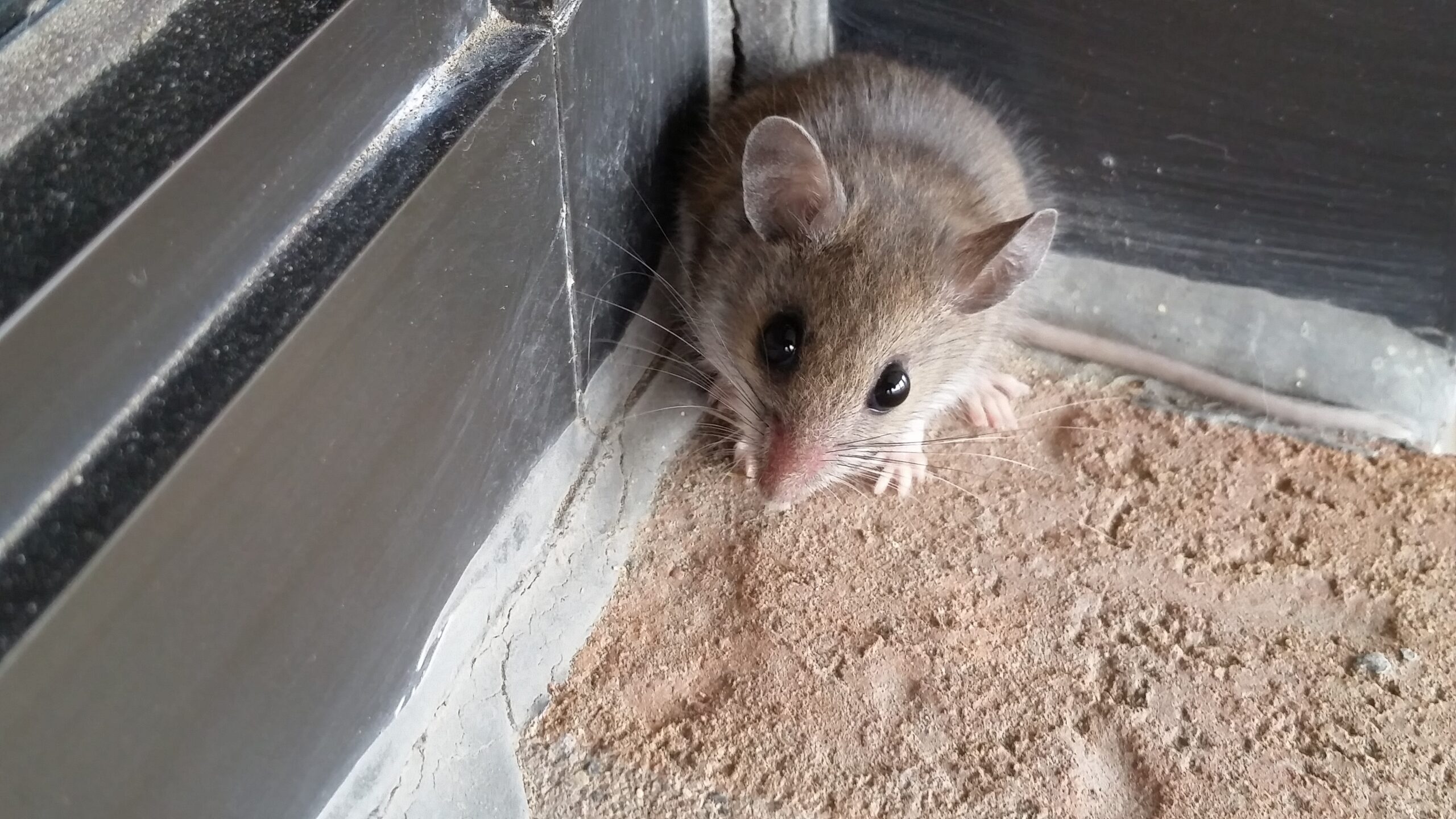


Signs of Mice in Your Home
Mice are stealthy, but they always leave evidence behind.
• Scratching or Scurrying at Night
Mice are nocturnal. Sounds in walls or ceilings after dark are a strong indicator.
• Small Black Droppings
Often found in cupboards, drawers, attics, or along baseboards.
• Gnaw Marks on Wood or Wiring
Mice constantly chew to keep teeth trimmed.
• Shredded Insulation or Paper
Used to build nesting sites in attics and wall cavities.
• Strong Musty Odours
Accumulated droppings and urine create persistent smells.
Light scratching and fast movement inside walls is commonly assumed to be squirrels, but in local homes, mice are far more frequent intruders.
Not sure what you’re hearing? We can inspect your home.
The Skedaddle Humane Removal Process
At Skedaddle, we don’t believe in quick fixes. Poison and basic trapping may reduce numbers temporarily, but they don’t solve the root cause of the problem.
Our process focuses on complete removal, thorough clean-up, and permanent exclusion, so mice don’t come back.
Step 1: Full Home Inspection
Every successful removal starts with a detailed inspection.
Our trained technicians examine your entire property, from the roofline to the foundation, to identify:
- Active entry points
- Potential secondary access points
- Nesting sites inside walls, attics, and basements
- Areas contaminated by droppings and urine
- Structural vulnerabilities that invite rodents
We don’t just look where mice are, we look at how they got in and why they chose your home. This allows us to create a customized removal and prevention plan specific to your property.
Step 2: Safe Removal
Instead of relying on harmful rodenticides that can create odours and pose secondary-poisoning risks, we use hands-on, humane techniques, such as one-way doors, to eliminate mice safely and efficiently.
Our approach ensures:
- No toxic chemicals inside your home
- No dead rodents decomposing in walls
- No danger to pets or children
- No harm to non-target wildlife
Because mice often hide deep within insulation and structural voids, our technicians use specialized methods to address the full population, not just the ones you see.
Step 3: Nest & Contamination Removal
Mice don’t just occupy space, they contaminate it.
Droppings, urine, and nesting materials can compromise insulation, reduce energy efficiency, and affect indoor air quality. In some cases, contaminated insulation must be safely removed and replaced.
We:
- Extract soiled nesting materials
- Remove contaminated insulation where necessary
- Sanitize affected areas
- Restore attic or wall spaces to safe conditions
This step is critical. Simply removing mice without addressing contamination leaves health risks behind.
Step 4: Seal All Entry Points
This is where long-term protection happens.
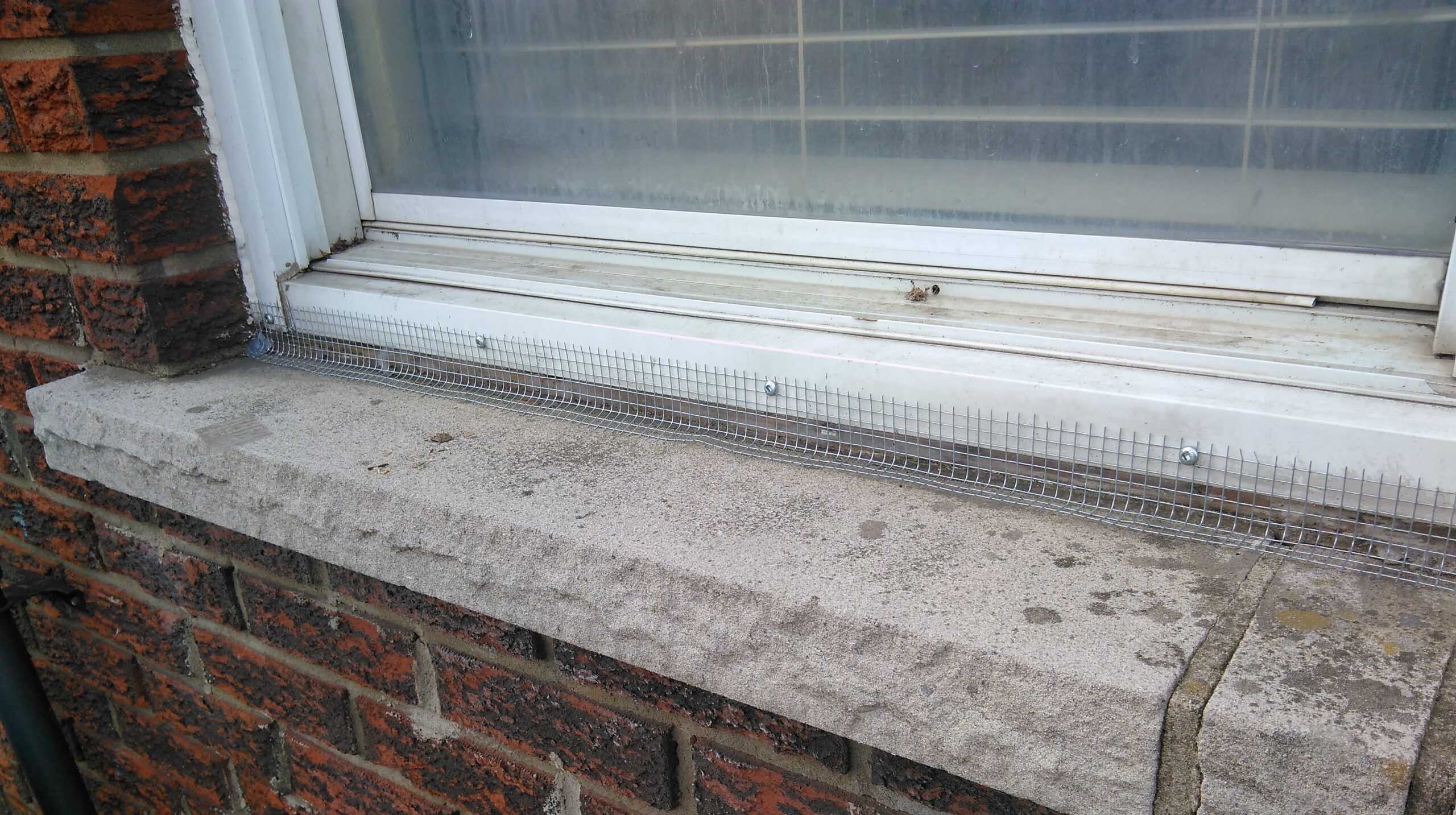
Mice can squeeze through openings as small as a dime, so we meticulously seal all confirmed and potential access points using durable, chew-resistant materials.
Common exclusion work includes:
- Sealing foundation cracks
- Reinforcing roofline and soffit gaps
- Securing weep vents and utility penetrations
- Installing protective vent covers
- Repairing damaged siding or flashing
Our goal is to make your home physically inaccessible to rodents, not temporarily inconvenient.
Step 5: Prevention & Warranty
We stand behind our work.
Our exclusion services are backed by a written warranty for long-term peace of mind. If mice attempt to re-enter through a sealed area, we address it.
Beyond structural protection, we also provide homeowners with practical prevention recommendations tailored to their property, such as:
- Adjusting food storage practices
- Improving waste management
- Reducing exterior attractants
- Managing vegetation near the foundation
The result? A comprehensive solution that removes the current infestation and prevents future ones.

The Risks of a Mouse Infestation
Leaving mice inside your home can lead to serious issues.
Structural Damage
- Destroyed attic insulation
- Chewed wood framing
- Damaged vapour barriers
Health Risks
- Contaminated insulation and surfaces
- Bacteria from droppings and urine
- Airborne particles affecting indoor air quality
Fire Hazards
Mice frequently chew electrical wiring, increasing the risk of electrical fires.
Addressing the issue early prevents costly repairs later.
Protect Your Home from Mice, For Good
Removing mice is only part of the solution. Preventing them from coming back is what truly protects your home.
At Skedaddle, we specialize in permanent exclusion, not temporary fixes. For over 30 years, we’ve provided humane wildlife removal across Canada, and our Windsor team understands the specific construction styles, seasonal rodent behaviour patterns, and Ontario regulations that impact effective mouse control.
We prioritize humane solutions that protect your family and pets. Our approach focuses on identifying entry points, professionally sealing vulnerabilities, cleaning affected areas, and reinforcing your home against future infestations. Every exclusion plan is backed by written warranties for added peace of mind.
If you’re hearing scratching in the walls or noticing signs of mice, don’t wait for the problem to grow. Protect your home. Protect your health. Stop mice at the source. Call today to schedule your inspection.

What Is Humane Wildlife Removal?
My Neighbour Feeds Wildlife — What Can I Do?
Why Does Skedaddle Need to Perform an Inspection?
Mice Removal FAQs
The timeline for mouse removal varies depending on the severity of the infestation and the size of the property. In many local homes, the initial removal and sealing work can begin immediately after inspection. However, if nesting areas are widespread or insulation is heavily contaminated, full restoration may take additional time. Because mice reproduce quickly, addressing the issue promptly shortens the overall process. Our goal is not only to remove the active population but also to ensure all entry points are secured. We provide homeowners with a clear timeline during the inspection phase.
Mice will return if entry points remain open, which is why exclusion is the most important part of the process. Simply trapping or removing mice without sealing gaps leaves your home vulnerable to new rodents seeking shelter. At Skedaddle, we focus heavily on identifying and sealing even the smallest access points around foundations, rooflines, vents, and utility lines. When exclusion work is properly completed, reinfestation risk drops significantly. We also provide a warranty on our sealed areas for added peace of mind. Long-term prevention is always built into our service.
Yes. Our approach prioritizes humane removal and responsible practices without relying on harmful rodenticides. Poison often causes mice to die inside walls, creating odours and additional contamination issues, and it can pose risks to pets and non-target wildlife. Instead, we use hands-on removal techniques combined with physical exclusion to solve the problem at its source. Our focus is on removing the animals safely, cleaning affected areas thoroughly, and preventing re-entry. Humane wildlife control means protecting both your home and the surrounding ecosystem.
Mice are active year-round, but the largest spike in home intrusions typically occurs between October and December. As temperatures drop, mice that have been living outdoors migrate indoors seeking warmth and reliable food sources. Because homes are heated through winter, mice continue breeding once inside, which can lead to noticeable infestations by mid-winter. Spring also brings increased activity as populations expand. While fall is the most common entry period, we respond to mouse calls throughout all four seasons.
Yes, mice can cause significant damage to attic spaces. They chew insulation to build nests, tunnel through it to create pathways, and contaminate it with droppings and urine. Over time, this reduces insulation effectiveness and can impact indoor air quality. Mice also gnaw on wood framing and electrical wiring, which increases the risk of fire hazards. Because attics are warm, undisturbed spaces, they are one of the most common nesting locations in local homes. Addressing an attic infestation quickly helps prevent costly structural repairs.
While mice are small, they can pose health and safety concerns. Their droppings and urine can contaminate surfaces and food storage areas, and accumulated waste in insulation may impact indoor air quality. In addition, mice frequently chew electrical wiring, which increases fire risk. Children and pets are especially vulnerable if rodenticides are used improperly. Prompt professional removal reduces these risks and restores a safe living environment. Addressing a mouse problem early protects both your home’s structure and your family’s well-being.
Looking For Humane Wildlife Control?
CALL US TODAY
1.888.592.0387
OR
Request for Services

