When you hear scratching noises inside your walls, or find small brown pellets inside of your cupboard, your first question might be, “How much will it cost to get rid of the mice in my home?”
It’s a fair question, but there isn’t a one-size-fits-all price for mouse removal. A homeowner who has spotted one mouse in the kitchen may have a very different situation from someone with mice nesting throughout the attic, basement and walls.
“Mice can be one of the most complex animals to remove because they can get into so many nooks and crannies of a home,” says Corey Lewis, Director of Technical Operations with more than 20 years of experience at Skedaddle. “A detailed property assessment helps us find where they’ve been, what needs to be cleaned and every entry point that needs to be addressed.”
The cost of mouse removal depends on several factors, including:
- Where mice are entering and how many vulnerable areas are found
- The size and construction of the home
- How widespread the mouse activity is throughout the structure
- The amount of exclusion, cleanup or insulation restoration work required
Because these factors can vary so widely from one home to another, the only way to provide an accurate quote is to inspect the property and determine what will be required to remove the mice, address any damage or contamination, and prevent them from getting back inside.
The specialist who visits will walk you through their findings and prepare a no-obligation written quote. The quote will include the full cost of the services you select, so there are no unexpected additions or charges later on.
Why a Property Assessment Is the First Step
Seeing a mouse or finding droppings can tell you that mice are present, but it rarely tells you the full extent of the problem.
A mouse spotted in the kitchen may be entering the home from an opening on the opposite side of the property. Droppings found in the basement may only be one sign of activity that extends into walls, ceilings or the attic. Since mice can travel through the hidden areas of a home, what homeowners see is often only one piece of a much larger picture.
That is why a property assessment is the first step in determining how mice are getting inside and what is contributing to the problem.. Before providing a quote, one of our trained wildlife specialists needs to inspect the property firsthand and determine how mice are getting inside, where they are active and what will be required to remove them and prevent future entry.
During the property assessment, your wildlife specialist will look for:
- Current entry points and other vulnerable areas mice could use
- Signs of mouse activity, including droppings, nesting materials and travel routes
- Damage caused by mice, including chewed electrical wires
- Contaminated or damaged insulation and other materials
- Conditions contributing to mouse activity and the work needed to remove mice and prevent re-entry
Once the assessment is complete, your specialist can connect the signs you have noticed inside with what is happening throughout the rest of the property. From there, they can explain what they found, what work is recommended and the factors that determine the cost of resolving the mouse problem.

Mouse Exclusion Is a Major Part of the Cost
Removing mice from a home is only part of solving the problem. If the openings they used to get inside remain accessible, mice can continue entering the structure.
This is especially important with mice because they can take advantage of very small openings around a home. Gaps around the foundation, siding, roofline, vents, utility lines, pipes, doors and other building materials can all provide potential access.
A home may have one obvious mouse entry point, or our inspection may uncover numerous gaps and vulnerable areas around the structure.
The amount of exclusion work required can depend on:
- How many active entry points and additional vulnerable areas are found
- Where those openings are located and how easily they can be accessed
- The size, construction and condition of the home
- Whether the homeowner chooses targeted protection or a more comprehensive exclusion
A larger home naturally has more exterior surface area to inspect and potentially protect. Homes with additions, attached garages, complex rooflines or numerous utility penetrations may also have more areas where mice can find their way inside.
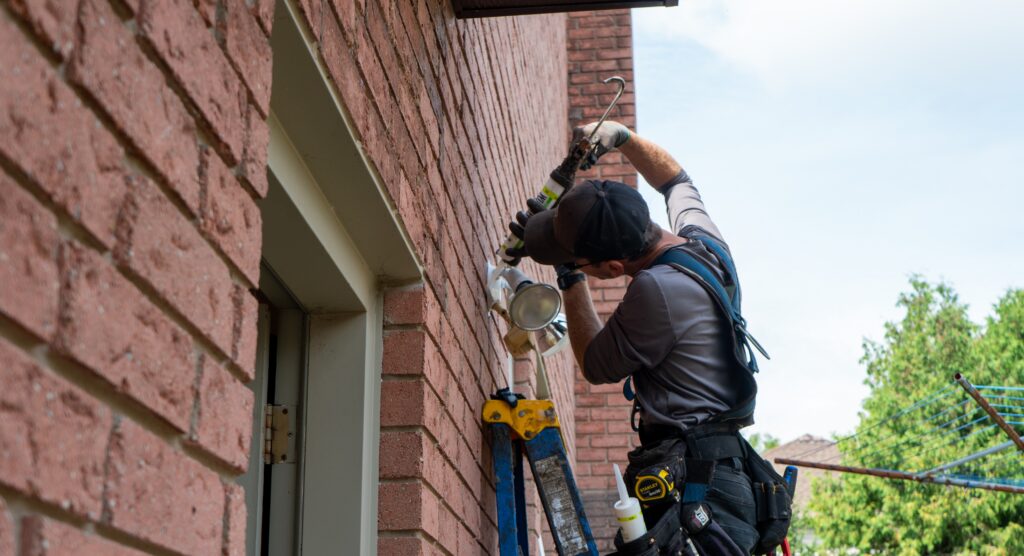
Access can affect the work as well. Some openings may be close to ground level, while others can be located along upper rooflines or other difficult-to-reach parts of the structure. The equipment, time and number of technicians required to safely complete the exclusion work can therefore affect the overall price.
The Extent of Damage and Contamination Affects the Cost
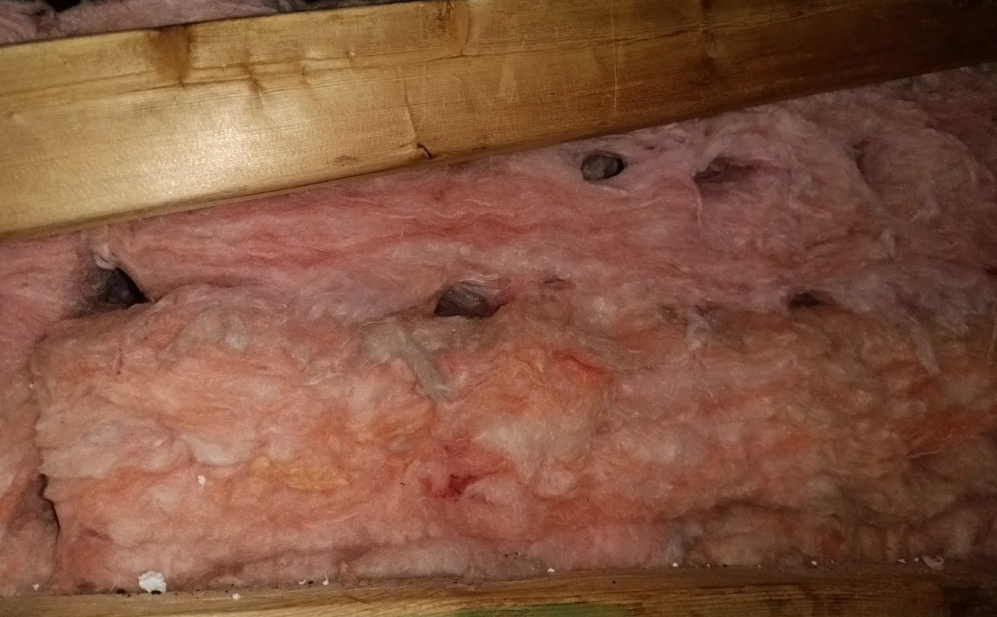
Mice can cause damage and leave contamination in areas of a home that are difficult to see. They may tunnel through attic insulation, leave urine and droppings within insulation and wall spaces, collect food, build nests and contaminate other areas as they move throughout the home. How widespread that activity has become can have a significant impact on the amount of cleanup required.
During the property assessment, our specialists look for the paths mice have been using and the droppings, urine, nesting material and other signs left along those routes. This helps us determine how many areas of the home have been affected and whether contamination is isolated or extends through areas such as the attic, insulation, cabinets, storage spaces and wall cavities.
The amount of cleanup required can vary considerably from one mouse problem to another. Cleanup costs can be affected by:
- The amount of droppings, urine and other contamination present
- How widespread the contamination is throughout the home
- Whether insulation or other materials have been contaminated or damaged
- Whether spot cleaning is sufficient or more extensive restoration is required
Our specialists also look for physical damage caused by mice, particularly from chewing. Electrical wiring is especially important because mice will often chew on electrical wiring, creating a potential safety concern. If we identify chewed or damaged wiring, we document where it was found so that it can be addressed by a licensed electrician.
Having a trained eye is important when assessing a mouse problem. Our specialists know where to look for not only entry points, but also the less obvious signs of where mice have travelled, nested and caused damage. Without a thorough inspection, contamination deep within insulation or wall spaces, damaged materials and other hidden signs of activity could easily go unnoticed.
If mouse activity is concentrated in a small, accessible area, we may be able to address the affected space with targeted spot cleaning. In other situations, mice may have tunnelled extensively through attic insulation, leaving droppings, urine and nesting material throughout the space. When contamination is widespread or insulation has been significantly affected, more extensive cleaning and attic restoration may be recommended.
There Will Always be Mice in Your Community
One of the challenges with mouse removal is that the opening you can see isn’t necessarily the only opening mice can use.
Even after the mice currently inside a home have been removed, mice will continue to live in the surrounding area. There will always be other mice looking for food, shelter and warmth, especially as temperatures drop. If vulnerable openings remain around the home, mice can eventually find their way inside and start the problem all over again.
Even after the mice currently inside a home have been removed, mice will continue to live in the surrounding area. There will always be other mice looking for food, shelter and warmth, especially as temperatures drop. Mice also leave behind pheromone cues as they travel, which can continue to attract other mice to established routes. If vulnerable openings remain around the home, new mice can eventually find their way inside and start the problem all over again.
That’s why our recommendation is to identify and protect both the areas mice are currently using and other vulnerable openings around the home that could provide future access. Securing one entry point may solve the immediate access route, but it doesn’t prevent another mouse from finding a different gap elsewhere.
This is why the amount of exclusion work can be one of the biggest differences between mouse removal quotes.
Every job we do is backed by a lifetime guarantee, which covers our workmanship and materials on the areas we have protected. If mice later gain access through one of the areas we protected, we’ll return and correct the issue at no additional charge.
We Give You Options
We understand that dealing with mice is often unexpected. Our job is to give you a clear picture of what is happening in your home, explain what needs to be addressed and walk you through the options available so you can make an informed decision about how you want to move forward.
“I’ve had homeowners surprised when I show them just how small some of the openings around their home are,” says Corey. “I’ll walk around the property with them, point out what I found and show them where I would focus the work. I find it’s much easier for someone to make a decision when they can actually see the areas we’re talking about.”
Your specialist will explain:
- Where mice are getting in and where signs of activity were found
- What exclusion and cleanup work is recommended and why
- The service options available and what is included with each
- The areas of your home each option will protect
- The price of each option
Once you’ve selected the services that are right for your home, the next step is scheduling our technicians to complete the work. Our team will carry out the removal plan, clean and decontaminate the affected areas based on the services you’ve chosen, and complete the agreed-upon exclusion work to help protect your home from future mouse problems.
Ready to find out what your home needs? Contact us today to book your property assessment and learn more about your mouse removal options, pricing and next steps.

 Loading...







