Hearing scratching in the attic, finding droppings in the basement or spotting a raccoon on the roof can leave homeowners with plenty of questions. Where are the animals getting in? How long have they been there? Is there more than one? And, most importantly, how do you get them out?
At Skedaddle Humane Wildlife Control, our technicians respond to wildlife problems every day. From squirrels nesting in attics to mice travelling through walls, they’ve seen just how resourceful wildlife can be when looking for a safe place to shelter.
While every wildlife situation is different, there are a few things our technicians wish more homeowners knew before picking up the phone.
Understanding these common misconceptions can help homeowners recognize a wildlife problem, avoid making it worse and know what to expect when our team arrives.
A Little Preparation Before Our Visit Goes a Long Way
There are a few simple things homeowners can do before our technicians arrive to help make the property assessment as thorough and efficient as possible.
First, make sure our team can safely access the areas of your home where wildlife activity has been reported. If you’ve been hearing noises in the attic or basement, clear any boxes, furniture or stored belongings that may be blocking access points.
It’s also helpful to document as much wildlife activity as possible before your appointment. Animals aren’t always active when our technicians arrive, so knowing what you’ve been experiencing can provide valuable clues.
Some useful information to share includes:
- Times of activity: Are you hearing scratching or movement early in the morning, during the day or overnight?
- Location of noises: Are the sounds coming from the attic, walls, basement or another area?
- Wildlife sightings: Have you seen an animal entering or leaving your home? Where did you see it?
- Photos or videos: If you’ve safely captured footage of wildlife activity, share it with our team.
- How long has it been happening: Did the activity start recently, or have you been noticing signs for several weeks?
You don’t need to climb onto the roof, enter a potentially contaminated attic or approach wildlife to gather this information.
What our technicians want you to know: Making sure we can safely access your attic, basement and other relevant areas, while sharing any observations or footage you’ve collected, can help our team better understand what’s happening in your home.
The Noise You Hear Isn’t Always Coming From Where You Think
Hearing scratching, scurrying or thumping inside a home can make it seem obvious where an animal is located.
However, sound travels through walls, ceilings, ductwork and other building materials.
A homeowner might hear movement above a bedroom and assume an animal is directly overhead. In reality, wildlife could be travelling through another section of the attic or moving along a nearby wall cavity.
Different animals also create different sounds. Squirrels are generally more active during the day, while raccoons and mice are often more active at night.
Although these patterns can provide clues, noises alone aren’t always enough to identify the species or locate the entry point.
What our technicians want you to know: Pay attention to when and where you hear activity, but don’t assume you’ve found the animal’s exact location. These details can help our team during the property assessment.
Please Don’t Seal the Hole Before We Arrive
Discovering an opening in your roof or siding might make you want to seal it immediately.
Unfortunately, closing an entry point before confirming whether animals are still inside can make the situation much worse.
If a raccoon or squirrel becomes trapped inside, it may cause additional damage while trying to escape. An animal could chew or tear through other building materials, creating new openings.
During baby season, sealing an entry point can also separate a mother from her young. Babies that cannot leave on their own may become trapped inside the home.
At Skedaddle, our technicians use species-specific humane removal techniques, including one-way doors where appropriate, to allow animals to exit safely. When babies are present, our team takes additional steps to locate and carefully remove them, helping reunite them with their mother.
What our technicians want you to know: Finding the entry point is important, but sealing it is not always the first step. Wildlife must be removed safely before openings can be permanently secured.
Removing the Animal Is Only Part of the Solution
When homeowners call about wildlife, their immediate concern is usually getting the animal out.
However, successful wildlife control involves more than removal.
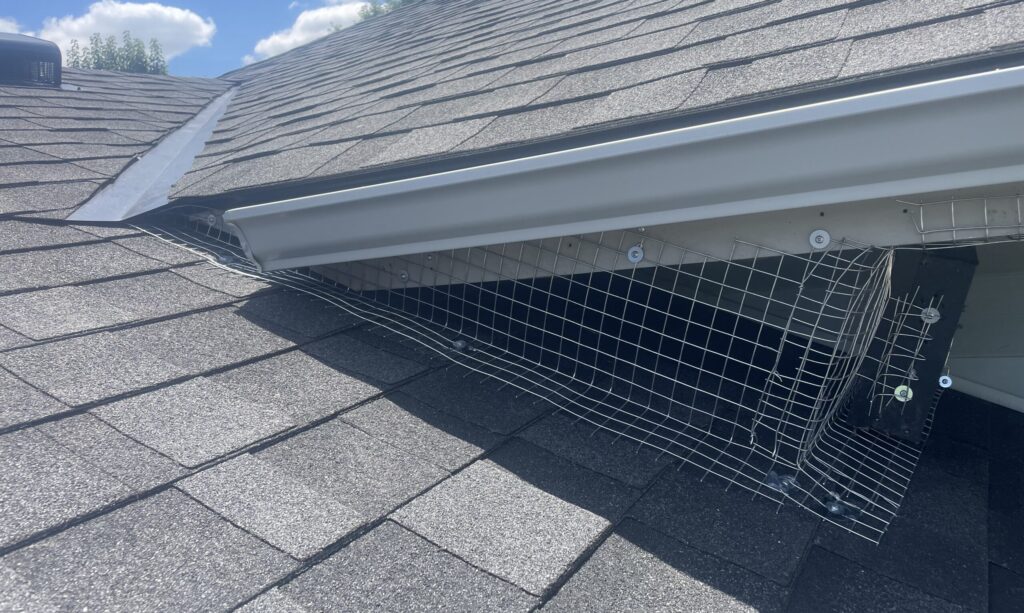
If the opening that allowed an animal inside remains accessible, another animal may use it in the future. Wildlife can also return to familiar nesting locations, especially when those areas continue to provide warmth and shelter.
There may also be damage left behind.
Animals living inside a home can contaminate insulation with droppings and urine, damage building materials and leave nesting debris behind. Depending on the extent of activity, some areas may require cleaning, decontamination or insulation replacement.
Our technicians focus on addressing the immediate wildlife problem while helping homeowners understand what is needed to protect their property moving forward.
What our technicians want you to know: Getting wildlife out is important, but identifying entry points, preventing re-entry and addressing contamination are also essential parts of a long-term solution.
Wildlife Removal Isn’t Always a One-Visit Job
Homeowners sometimes expect a technician to arrive, catch the animal and finish the job in a single visit.
However, humane wildlife removal doesn’t always work that way.
Different species require different approaches, and the presence of babies can significantly change the removal process.
For example, when raccoon babies are discovered inside an attic, our technicians may need to carefully navigate insulation and confined spaces to locate the entire litter. The babies must then be safely removed and placed in an appropriate reunion setup so their mother has the opportunity to retrieve them.
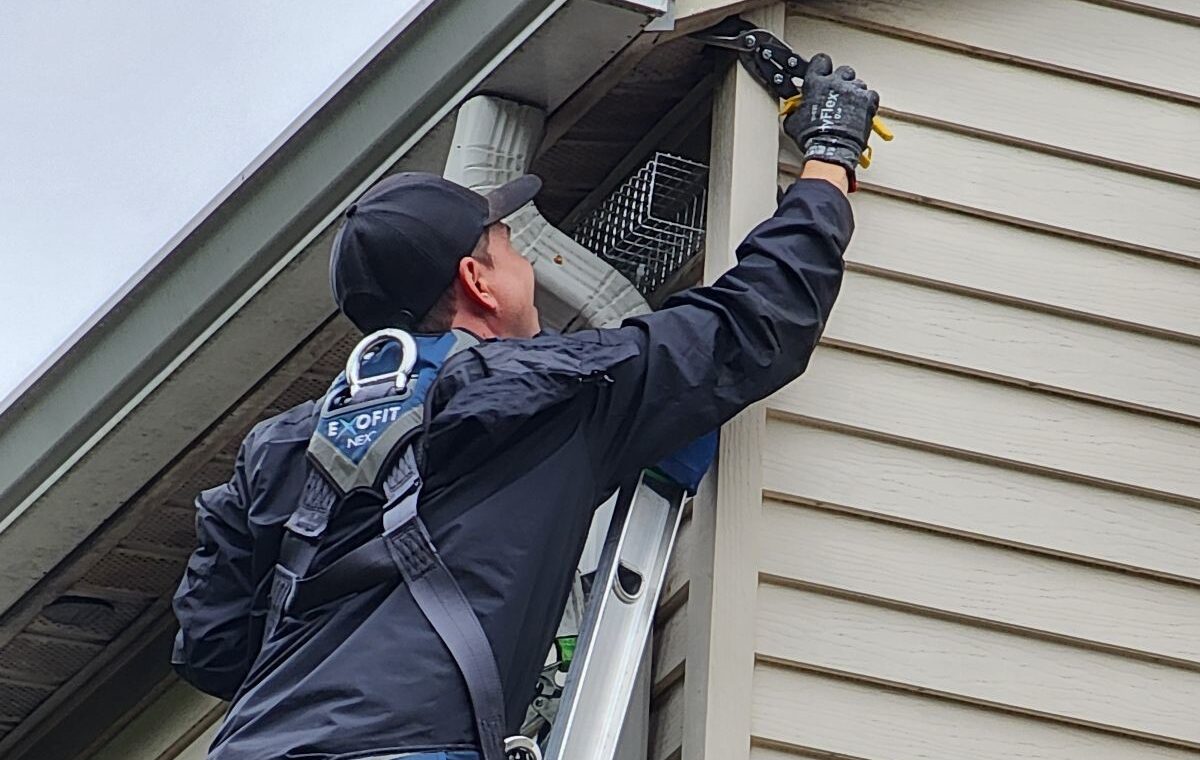
In other situations, technicians may install one-way doors, return to confirm that animals have left and then complete the necessary exclusion work.
The number of visits depends on the species, the property and the complexity of the situation.
What our technicians want you to know: Humane removal takes planning, patience and experience. The goal isn’t simply to remove an animal as quickly as possible, but to resolve the problem safely and effectively.
Waiting Can Turn a Small Problem Into a Bigger One
It’s easy to dismiss the occasional scratching sound or assume an animal will eventually leave on its own.
Unfortunately, wildlife problems don’t always resolve themselves.
Squirrels may continue chewing on vulnerable materials, raccoons can cause damage as they move around an attic, and mice can reproduce and spread into additional areas of the home.
The longer wildlife remains inside, the greater the potential for accumulated droppings, urine, nesting materials and insulation damage.
Seasonal activity can also complicate the situation. During baby season, animals may establish nesting areas inside homes, making removal more involved.
What our technicians want you to know: You don’t need to wait until wildlife causes visible damage before calling. Investigating early signs of activity can help identify a problem before it becomes more extensive.
We’re Here to Help You Understand What’s Happening in Your Home
Wildlife problems can be stressful, especially when you don’t know how animals are getting inside or how much damage they may have caused.
Our technicians understand that most homeowners aren’t familiar with wildlife behaviour, entry points or removal methods. That’s why we take the time to explain what we’re finding, answer questions and walk you through the available solutions.
With more than 30 years of experience, Skedaddle Humane Wildlife Control helps homeowners address wildlife problems through humane removal, exclusion and, when necessary, cleanup and restoration services.
Hearing something in your attic? Finding signs of wildlife around your home?
You don’t need to know exactly what’s happening before reaching out.
Contact Skedaddle Humane Wildlife Control today to schedule a property assessment and find out what’s going on inside your home.

 Loading...