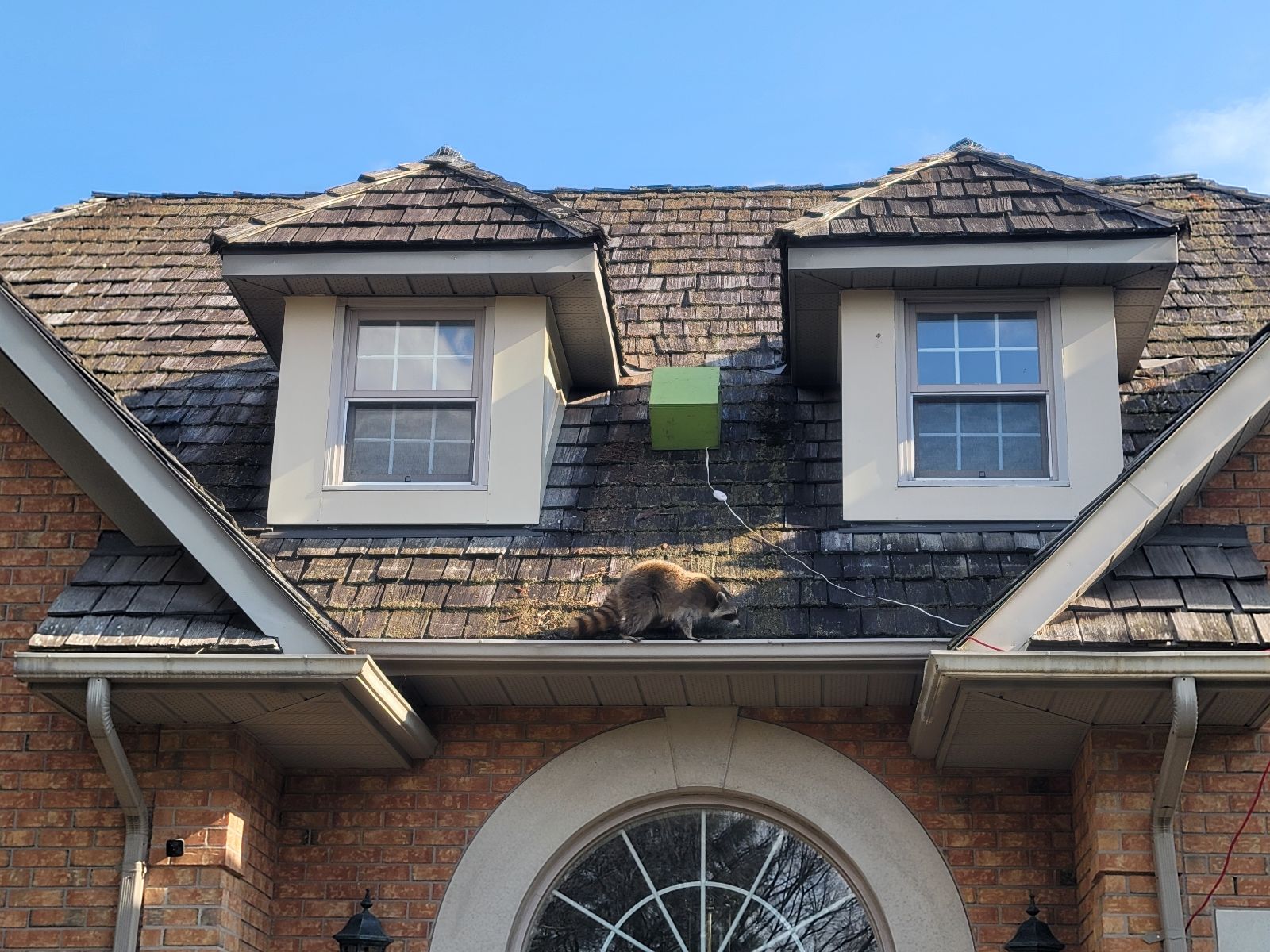
Raccoons are among the most adaptable animals in North America. Whether they are in a quiet forest or roaming city streets, they have an uncanny ability to survive and thrive. In Baltimore, we often see wildlife adapting to urban life in ways that make them very different from their rural counterparts. Understanding city raccoons vs country raccoons is important for homeowners who want to coexist safely with these animals.
At Skedaddle Humane Wildlife Control, we help residents understand how raccoon behavior changes depending on the environment. By learning these differences, homeowners can better prevent problems and keep both their property and local wildlife safe.
Habitat Differences
The first noticeable difference between city and country raccoons is where they live.
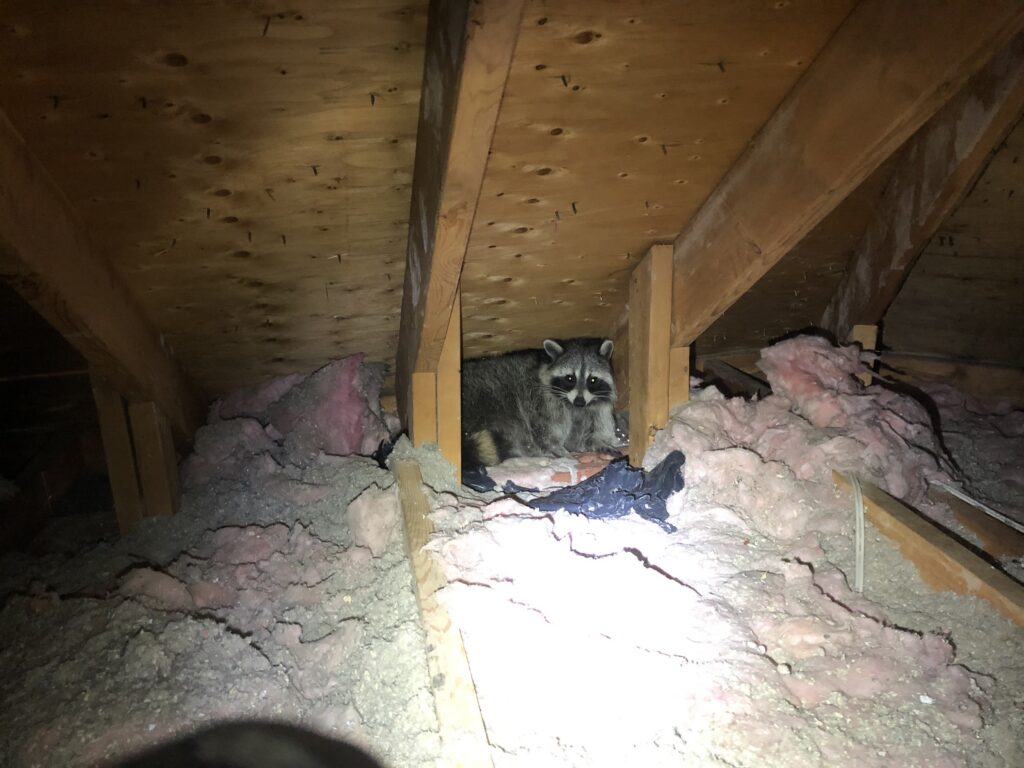
- City raccoons: Found in urban neighborhoods, parks, and alleys. They often shelter in attics, chimneys, under decks, or in abandoned structures.
- Country raccoons: Prefer forests, streams, and rural farmland. They use hollow trees, burrows, or natural cavities for shelter.
Urban environments force raccoons to adapt to human presence, while rural raccoons rely on natural surroundings. Studies show that urban raccoons have smaller home ranges, averaging less than half a square mile, compared to country raccoons, which may roam several square miles in search of food.
Diet and Foraging Behavior
Food availability also changes drastically between city and country raccoons.
- City raccoons: Scavenge from garbage bins, compost piles, pet food, and bird feeders. Their urban diet is high in calories but inconsistent.
- Country raccoons: Eat insects, small animals, fruits, nuts, and other natural foods. Their foraging is seasonal and dependent on availability.
Urban raccoons have been observed to be more opportunistic, often coming out in the early evening when human activity slows. Research indicates that urban raccoons consume up to 50% more calories per night than their rural counterparts, which contributes to their boldness around humans.
Activity Patterns and Behavior
Understanding urban raccoon behavior helps homeowners anticipate potential issues.
- City raccoons tend to be more nocturnal in busy neighborhoods to avoid human interaction, but they can also show boldness during the day if food is abundant.
- Country raccoons follow natural patterns tied to daylight, predators, and seasonal food cycles.
- Urban raccoons are more tolerant of close proximity to other raccoons and sometimes even to humans, while rural raccoons keep a wider personal space.
These differences can influence how raccoons interact with homes, especially when searching for shelter or food during colder months.
Health and Longevity
City raccoons face unique challenges compared to country raccoons.
- City raccoons: Higher risk of encountering vehicles, chemical pollutants, and human-related hazards. These factors can affect their overall health, but access to calorie-dense food often helps them survive winters.
- Country raccoons: Face natural predators, harsh weather, and limited food at times, but are less likely to encounter human hazards.
Life expectancy differs slightly, with urban raccoons living an average of 3-5 years, while country raccoons may live 2-4 years, depending on predation and environmental conditions. Monitoring raccoon health in urban areas helps homeowners understand the risks of potential property interactions.
Interaction With Humans
One of the most significant differences between city and country raccoons is how often they interact with people.
- City raccoons: More likely to explore attics, chimneys, or yards. This can lead to property damage, noise, and safety concerns.
- Country raccoons: Typically avoid human structures and only appear near homes occasionally.
At Skedaddle Baltimore, we provide professional advice and raccoon removal services focused on prevention and humane management. This includes assessing properties for entry points, recommending protective measures, and monitoring seasonal activity. By understanding urban raccoon behavior, we can help homeowners reduce conflicts without harming the animals.
Seasonal Patterns
Seasonal changes affect city and country raccoons differently.
- In cities, raccoons may become more active during winter if food is scarce or if they are searching for warm shelter.
- Rural raccoons are more influenced by natural food cycles and hibernate-like behaviors during extremely cold periods.
- Summer months bring increased activity for both urban and rural raccoons due to the presence of young, but urban raccoons often continue to explore human areas for reliable food sources.
Recognizing these seasonal trends can help homeowners plan ahead to prevent wildlife encounters.
How Skedaddle Helps Homeowners
At Skedaddle Humane Wildlife Control, our goal is to protect homes while respecting wildlife. We provide safe, humane services tailored to urban environments. Our approach includes:
- Professional inspections to identify potential entry points for raccoons
- Installation of protective measures such as chimney caps, screens, and barriers
- Education for homeowners on urban raccoon behavior and seasonal patterns
- Advice on maintaining property to minimize attraction for city raccoons
We never use inhumane methods or encourage DIY handling, ensuring safety for both residents and animals. By taking a proactive approach, homeowners can prevent costly damage and avoid stressful encounters.
Key Takeaways on City Raccoons vs Country Raccoons
- City raccoons adapt to human environments, while country raccoons rely on natural shelters.
- Urban raccoons are more opportunistic in their diet and boldness, while rural raccoons follow seasonal patterns.
- Interaction with humans is more common in cities, which can lead to property risks.
- Lifespan and health are influenced by different challenges: human hazards versus predators and weather.
- Understanding these differences helps homeowners take safe, effective action to protect their homes.
By recognizing the unique traits of city and country raccoons, homeowners can coexist safely with wildlife while maintaining a secure property.
Living Safely With Urban Raccoons
Raccoons are intelligent, adaptable, and fascinating animals. In urban areas like Baltimore, their behavior differs from rural populations in ways that can impact homes and families. By understanding city raccoons vs country raccoons, residents can make informed decisions about home protection.
Skedaddle Humane Wildlife Control provides professional, humane raccoon removal services and prevention strategies for city environments. Our team ensures that homes are secure while respecting wildlife, keeping both people and animals safe.
With the right knowledge and professional guidance, homeowners can live comfortably alongside urban wildlife without stress or risk.

 Loading...







